Croatia vs Montenegro

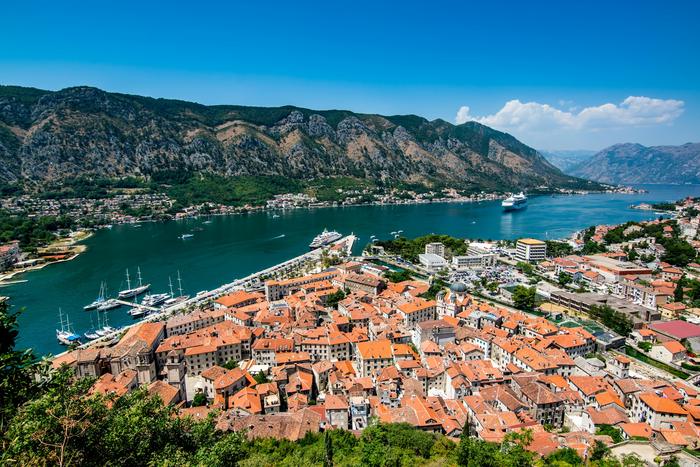
Two Adriatic neighbours sharing a coastline but differing in scale and polish. Croatia is the bigger, established one — a long, island-studded shoreline, walled Dubrovnik, Split and a thousand islands to hop, in a polished, popular EU tourism scene. Montenegro is the compact, cheaper one — the fjord-like Bay of Kotor, Venetian Kotor, beaches and high mountains all within a short drive, in a pocket non-EU country. One is a varied island-hopping coast; the other a concentrated bay-and-mountains compact.

Eastern Europe

Croatia

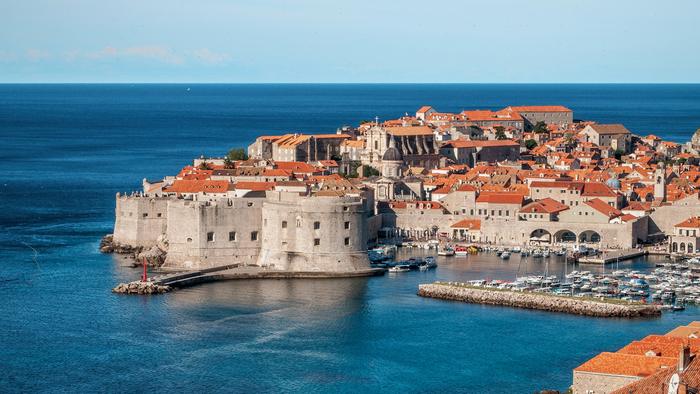
Dubrovnik, the Adriatic coast, ancient cities. Compact and beautiful.

Best time to visit
  1. January: avoid
  2. February: avoid
  3. March: fine
  4. April: fine
  5. May: peak
  6. June: peak
  7. July: fine
  8. August: avoid
  9. September: peak
  10. October: peak
  11. November: avoid
  12. December: avoid
Peak Fine Avoid
Southern Europe

Montenegro

A whole country where mountains drop straight into the Adriatic.

Best time to visit
  1. January: avoid
  2. February: avoid
  3. March: fine
  4. April: fine
  5. May: peak
  6. June: peak
  7. July: fine
  8. August: fine
  9. September: peak
  10. October: fine
  11. November: avoid
  12. December: avoid
Peak Fine Avoid
Read our full guides about Croatia and Montenegro.

Side by side

Emphasised where they differ. Muted rows are much the same either way.

Croatia Montenegro
Best time May, June, September, October May, June, September
Climate mild mild
Budget Moderate — the coast in peak summer is the priciest part Good value — cheaper than Croatia; the coast dearest in peak summer
Trip length 1–3 wks 1–2 wks
Visa Schengen — visa-free for most Western passports (90 days). Visa-free for most Western passports (90 days). Not in the EU or Schengen. Verify before travel.
Currency EUR (€) EUR (€).
Language Croatian. English widely spoken in tourism. Montenegrin. English in tourist areas.
Tap water Tap water safe. Tap water generally safe in towns; bottled is common.
Safety Very safe. Generally safe; usual caution with summer crowds and coastal driving.

General guidance — visas, safety, and health change, so check your government's travel advisory and the official sources before you go.

The split

A polished island coast, or a compact bay

Both are Adriatic neighbours — but one is a bigger, polished island-hopping country, the other a compact, cheaper bay-and-mountains compact.

Bigger vs compactthe scaleA long coast and a thousand islands, or a pocket country to drive
Polished vs cheaperthe tradeEstablished EU tourism, or lower prices and raw drama
Schengen vs notthe statusBoth use the euro; Croatia in Schengen, Montenegro outside it

Croatia is the bigger, established one — a long, island-studded shoreline, walled Dubrovnik, Split and a thousand islands to hop, in a polished, popular EU tourism scene. Montenegro is the compact, cheaper one: the fjord-like Bay of Kotor, Venetian Kotor, beaches and high mountains all within a short drive, in a pocket non-EU country.

The operational detail — Croatia’s Schengen/euro entry and island-ferry season; Montenegro’s coastal access, euro use, non-Schengen entry and 24-hour registration rule — lives on the two guides: Croatia, know before you go and Montenegro, know before you go. This page is the head-to-head.

The real difference

Polished island variety, or a cheap compact

The trade: Croatia offers island-hopping and polished variety; Montenegro offers the Bay of Kotor and cheaper, concentrated drama.

Croatia wins on islands and polish. The Adriatic islands, walled cities and national parks make it a varied, established summer destination — the do-more choice, if pricier on the coast in peak season.

Montenegro wins on value and concentrated drama. The Bay of Kotor is a genuine showstopper, and you can pair beach days with mountain drives inside a compact, cheaper country. Choose the polished island coast, or the compact bay.

Who suits which

Who each actually suits

Both are Adriatic neighbours — but one leans island variety and polish, the other a cheaper, compact bay.

If you want…CroatiaMontenegro
Island-hopping and a long coastWins. A thousand islandsA short, dramatic coast
The dramatic Bay of KotorDubrovnik’s wallsWins. The showpiece
Polished, established tourismWins. EU-levelLess developed
Lower pricesCoast pricey in summerWins. Cheaper
Walled cities and national parksWins. Dubrovnik, PlitviceKotor old town
Beaches + mountains close togetherSpread along the coastWins. Within an hour or two

Doing both

An easy Adriatic road trip

Dubrovnik flows straight into the Bay of Kotor.

Croatia and Montenegro are neighbours (with a short stretch of coast and Dubrovnik between), so an Adriatic road trip can run straight from Dubrovnik into the Bay of Kotor — just note you cross between Schengen and non-Schengen. Each also compares with its neighbours (see Bosnia vs Croatia, Croatia vs Serbia, Bosnia vs Montenegro and Albania vs Montenegro).

What we leave out

What we deliberately leave out

Exact prices beyond the structural comparison — Croatia’s coastal summer rates and Montenegro’s cheaper-but-rising coast both move — so the figures here are the shape of the difference, not a quote; the country guides carry the live detail. The entry mechanics (Croatia’s Schengen/euro status vs Montenegro’s non-Schengen euro use and registration rule) are covered on the guides rather than restated here.

Croatia or Montenegro, month by month

Which of the two is the better bet for each month of the year, scored on how well the season suits each place.

Which to choose

Choose Croatia if:

  • Island-hopping, walled cities and a long coast are the draw.
  • You want a bigger, polished, established trip.
  • A varied island coast over a compact bay.

Choose Montenegro if:

  • The Bay of Kotor and quick-reach mountains appeal.
  • You want a compact, cheaper, drive-it-all country.
  • Concentrated bay-and-peaks scenery over island variety.

Common questions

Is Croatia or Montenegro better for island-hopping?
Croatia, overwhelmingly — it has a thousand islands and a long coast, with ferries linking Hvar, Korčula, Brač and more, so island-hopping is a core part of the trip. Montenegro has a short, dramatic coast built around the Bay of Kotor rather than islands, explored by car. For island-hopping, Croatia; for the compact bay-and-mountains, Montenegro.
Which is more dramatic versus more polished?
Montenegro packs more drama into less space — the fjord-like Bay of Kotor and the Durmitor mountains are within a short drive of each other. Croatia is more polished and varied — Dubrovnik’s walls, Split’s palace, the islands and national parks like Plitvice — a bigger, more established scene. For concentrated drama, Montenegro; for polished variety, Croatia.
Which is cheaper?
Montenegro is the cheaper of the two, though both are good value outside peak summer, when the coast (Croatia’s islands, Montenegro’s Budva Riviera) is where prices climb most. For the tighter budget, Montenegro; for a bigger, polished coast at moderate prices, Croatia.
Do the entry and currency rules differ?
Yes. Croatia is in the EU, Schengen and the eurozone (it adopted the euro and joined Schengen in 2023), so the EU’s EES applies and ETIAS is expected in 2027. Montenegro is outside the EU and Schengen — a candidate offering 90-day visa-free stays that don’t touch your Schengen allowance — yet it uses the euro (unilaterally) and has a 24-hour tourist-registration rule. The guides carry the detail: Croatia and Montenegro.
Can I combine them?
Very easily — they’re neighbours (with a short stretch of Bosnia’s coast and Dubrovnik between), so an Adriatic road trip can run straight from Dubrovnik into the Bay of Kotor. Just note you cross between Schengen (Croatia) and non-Schengen (Montenegro). Each also compares with its neighbours — Croatia with Bosnia, Serbia and Spain, Montenegro with Bosnia and Albania.

Still undecided

Take the quiz

Three matches. Often answers comparison questions for you.

Start the quiz