Bosnia & Herzegovina vs Montenegro

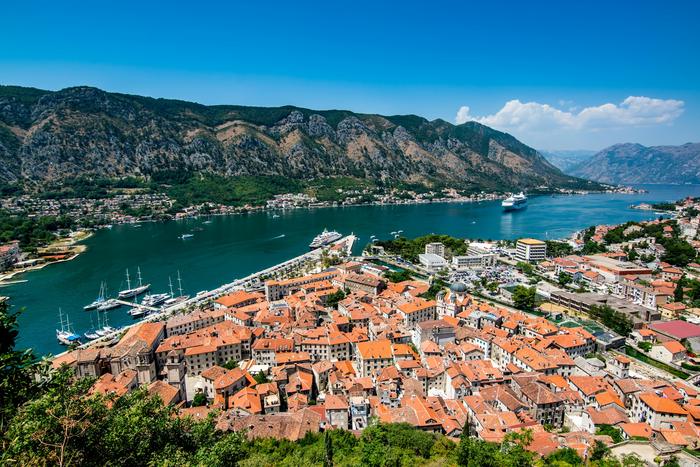
Two neighbouring Balkan countries that face opposite ways. Bosnia looks inward — a rugged, mountainous interior of Ottoman bridges and bazaars, Austro-Hungarian cities, a moving recent history, and some of the best value in Europe. Montenegro looks seaward — a pocket-sized Adriatic country built around the fjord-like Bay of Kotor, with beach resorts, a walled old town and high peaks all within an hour or two. One is a cultural, inland journey; the other a coast-and-mountains compact.

Southern Europe

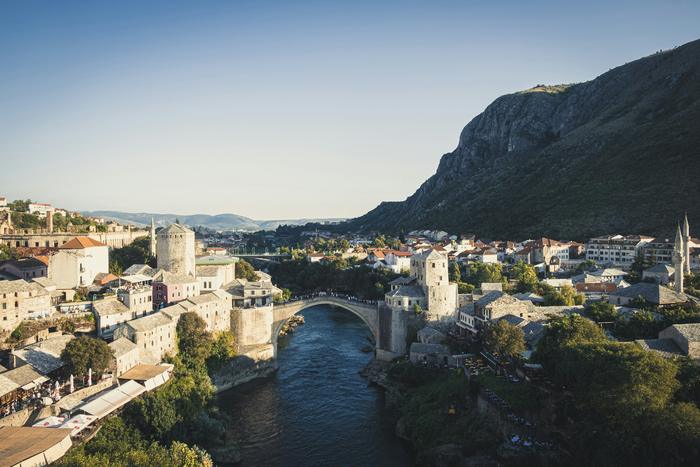
Bosnia & Herzegovina

East meets West in one small, absurdly cheap country layered with living history.

Best time to visit
  1. January: fine
  2. February: avoid
  3. March: fine
  4. April: fine
  5. May: peak
  6. June: peak
  7. July: fine
  8. August: peak
  9. September: peak
  10. October: fine
  11. November: avoid
  12. December: fine
Peak Fine Avoid
Southern Europe

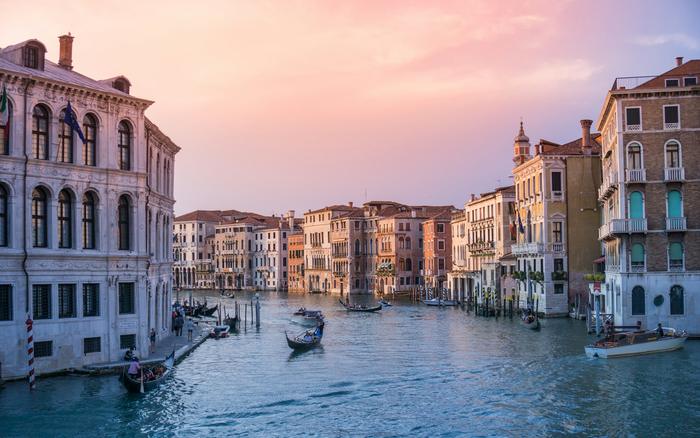
Montenegro

A whole country where mountains drop straight into the Adriatic.

Best time to visit
  1. January: avoid
  2. February: avoid
  3. March: fine
  4. April: fine
  5. May: peak
  6. June: peak
  7. July: fine
  8. August: fine
  9. September: peak
  10. October: fine
  11. November: avoid
  12. December: avoid
Peak Fine Avoid

Read our full guides about Bosnia & Herzegovina and Montenegro.

Side by side

Emphasised where they differ. Muted rows are much the same either way.

Bosnia & Herzegovina Montenegro
Best time May, June, August, September May, June, September
Climate mild mild
Budget Among Europe’s cheapest — the inland, better-value of the two Good value too, though the coast in peak summer is the dearest part
Trip length 1–1 wks 1–2 wks
Visa Visa-free for most Western passports (90 days). Verify before travel. Visa-free for most Western passports (90 days). Not in the EU or Schengen. Verify before travel.
Currency BAM (Convertible Mark), pegged to the euro; euros are often accepted. EUR (€).
Language Bosnian/Croatian/Serbian (Latin and Cyrillic scripts). English among younger people and in tourism. Montenegrin. English in tourist areas.
Tap water Tap water safe. Tap water generally safe in towns; bottled is common.
Safety Very safe today; be mindful that landmine-clearance signs still exist off marked paths in a few rural areas. Generally safe; usual caution with summer crowds and coastal driving.

General guidance — visas, safety, and health change, so check your government's travel advisory and the official sources before you go.

The split

Inland history, or an Adriatic compact

Both are small, cheap and Balkan — but one faces its mountainous interior, the other the sea.

Inland vs coastwhich way each facesOttoman towns and peaks, or the Bay of Kotor and beaches
Culture vs scenerythe pullHistory and heritage, or landscapes with sea at the centre
Cheapest vs valuethe moneyBosnia the cheapest; Montenegro cheap but for the summer coast

Bosnia looks inward — a green, mountainous country of Ottoman bridges and bazaars (Mostar), the layered, moving city of Sarajevo, Austro-Hungarian architecture and a recent history that gives it emotional depth, all at some of the lowest prices in Europe. Montenegro looks seaward: a compact Adriatic country built around the fjord-like Bay of Kotor, with beach resorts, Venetian Kotor and high mountains (Durmitor) all within a short drive.

The operational detail — Montenegro’s euro use, 24-hour registration rule and coastal access; Bosnia’s roads and seasons — lives on the two guides: Bosnia, know before you go and Montenegro, know before you go. This page is the head-to-head.

The real difference

A cultural journey, or a coast-and-mountains compact

The trade: Bosnia offers history, culture and the lowest prices; Montenegro offers the Adriatic, beaches and quick-reach peaks.

Bosnia wins on history, culture and cost. Mostar and Sarajevo give it a depth and poignancy few countries its size can match, the mountain interior is beautiful and uncrowded, and it’s cheaper than almost anywhere in Europe — a trip for travellers who want substance over sun, and don’t mind being inland.

Montenegro wins on the coast and compactness. The Bay of Kotor is a genuine showstopper, you can pair beach days with mountain drives inside a single small country, and it’s still good value outside the peak-summer coast. Choose the inland cultural journey, or the Adriatic compact.

Who suits which

Who each actually suits

Both are small and cheap — but one leans history and interior, the other coast and scenery.

If you want…BosniaMontenegro
A beach-and-sea holidayLandlocked (bar Neum)Wins. The Adriatic coast
Deep history and cultureWins. Mostar, SarajevoKotor, Ostrog — lighter
The lowest pricesWins. Among Europe’s cheapestCheap, but the summer coast costs
Beaches + mountains close togetherMountains, no coastWins. Both within an hour or two
Fewer crowdsWins. Quieter interiorCoast packed in July–August
A compact drive-it-all tripBigger, slower roadsWins. Small and varied

Doing both

Neighbours on a Balkan loop

They link easily — history inland, then the coast.

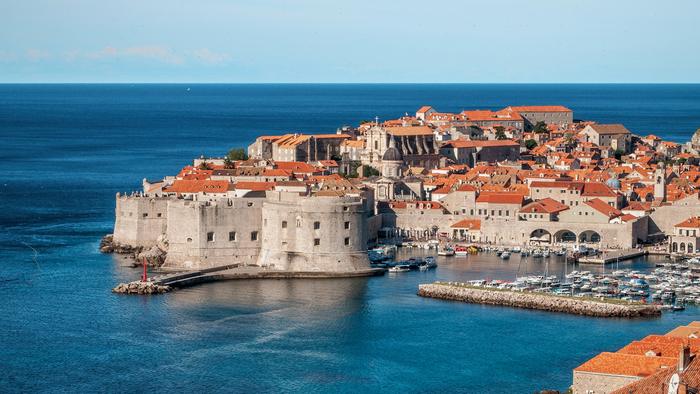
Bosnia and Montenegro are neighbours, and a Balkans road trip can string Mostar and Sarajevo together with the Bay of Kotor in one loop (often via Croatia’s Dubrovnik, which sits between them). The distances are short but the mountain roads are slow, so build in extra driving time. Each also compares with the wider region (see Albania vs Montenegro, Albania vs Bosnia and Bosnia vs Croatia).

What we leave out

What we deliberately leave out

Exact prices beyond the structural comparison — Montenegro’s coastal rates and Bosnia’s across-the-board cheapness both move with season — so the figures here are the shape of the difference, not a quote; the country guides carry the live detail. Each country’s entry, currency and registration specifics are covered on its guide rather than restated here.

Bosnia & Herzegovina or Montenegro, month by month

Which of the two is the better bet for each month of the year, scored on how well the season suits each place.

Which to choose

Choose Bosnia & Herzegovina if:

  • History and culture — Mostar, Sarajevo, Ottoman heritage — are the draw.
  • You want the lowest prices and fewer crowds.
  • A green, mountainous interior over a beach holiday.

Choose Montenegro if:

  • The Adriatic coast and the Bay of Kotor are the whole point.
  • You want beaches and mountains within easy reach of each other.
  • A compact, drive-it-all trip with sea at the centre.

Common questions

Is Bosnia or Montenegro better for a beach holiday?
Montenegro, without question. Its Adriatic coast — the Bay of Kotor, Budva’s beaches, Sveti Stefan — is the heart of the country and an easy base for a sun-and-sea trip. Bosnia is almost entirely landlocked (just a sliver of coast at Neum) and is really an inland, mountains-and-cities destination. For beaches, Montenegro; for an interior cultural trip, Bosnia.
Which has the richer history and culture?
Bosnia has the deeper, more distinctive cultural pull — the Ottoman old town and rebuilt bridge of Mostar, Sarajevo’s remarkable meeting of mosques, churches and synagogues, and a poignant recent history that gives the country real emotional weight. Montenegro has genuine heritage too (Kotor’s Venetian old town, cliff-top Ostrog monastery), but it’s a scenery-first country. For culture and history, Bosnia; for landscapes with history alongside, Montenegro.
Which is cheaper?
Both are good value by European standards, but Bosnia is the cheaper of the two — among the most affordable countries in Europe for food, lodging and transport. Montenegro is still inexpensive, but its coast in peak summer (July–August) is where prices climb most. For the tightest budget, Bosnia; for value with a beach, Montenegro outside high summer.
Do the entry and currency rules differ?
They’re similar in spirit — both are non-EU, non-Schengen and offer 90-day visa-free stays for the main nationalities, so neither touches your Schengen allowance and ETIAS/EES don’t apply. The money differs in detail: Montenegro uses the euro (unilaterally), while Bosnia uses its own convertible mark (pegged to the euro). Montenegro also has a 24-hour tourist-registration rule to mind in private rentals. The country guides carry the specifics: Bosnia and Montenegro.
Can I combine them?
Easily — they’re neighbours, and a Balkans road trip can link Mostar and Sarajevo with the Bay of Kotor in one loop (often alongside Croatia’s Dubrovnik, which sits between them). Distances are short but mountain roads are slow, so allow more driving time than the map suggests. Each also pairs with the wider region (see Albania vs Montenegro and Albania vs Bosnia, and Bosnia vs Croatia).

Still undecided

Take the quiz

Three matches. Often answers comparison questions for you.

Start the quiz