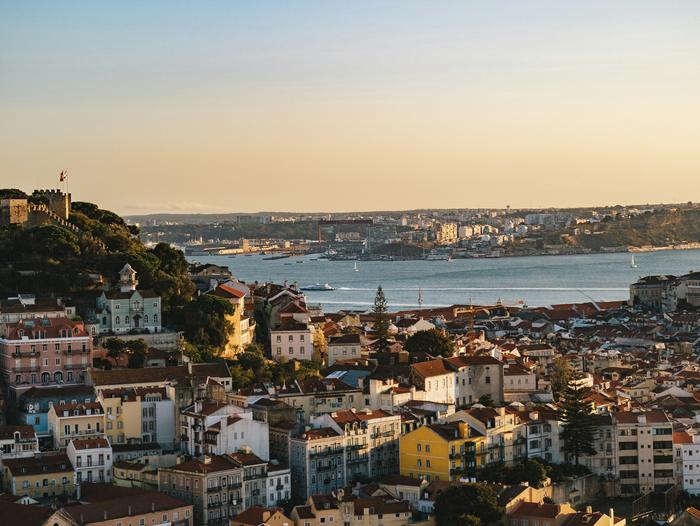
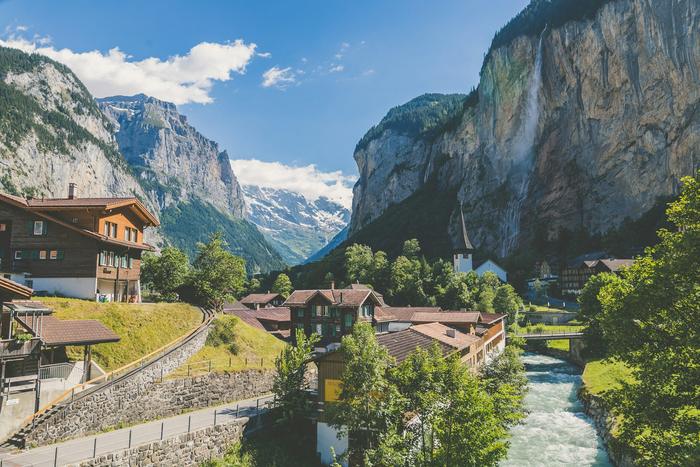
Coast vs interiorthe basic geographyCroatia’s islands, or Bosnia’s mountains and towns
Polished vs rawthe texture of the tripWell-run tourism, or atmospheric and cheap
EU/euro vs neitherthe logisticsCroatia is Schengen and euro; Bosnia is not
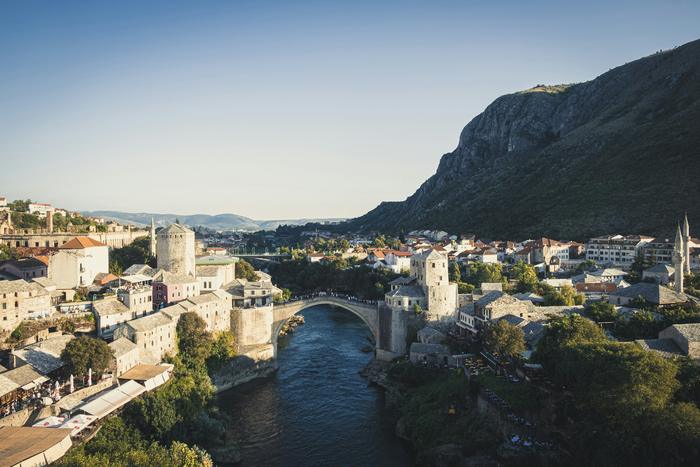
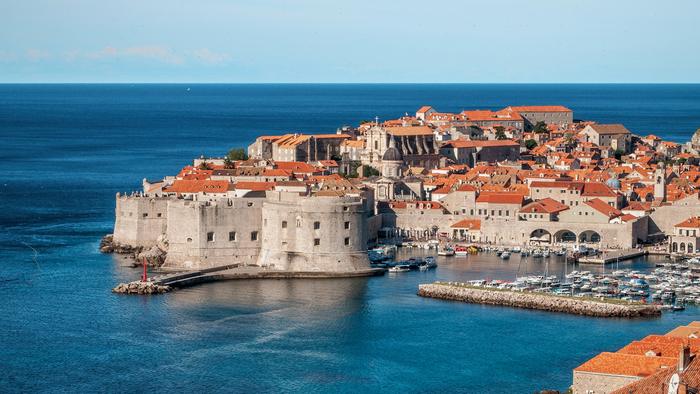
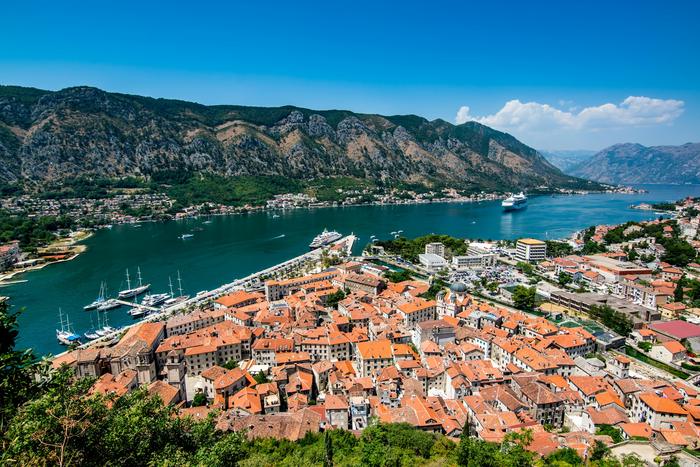
Croatia is the polished Adriatic coast — walled historic towns, islands by catamaran, clear water and the waterfall parks inland, all euro, Schengen and well-run, with the prices that come with it. Bosnia is the raw interior just inland: Sarajevo’s Ottoman bazaar and Habsburg streets, the rebuilt Mostar bridge, sobering war history and dramatic mountains — a fraction of the cost, and far less touristed.
The operational detail — Croatia’s ferries and park tickets, Bosnia’s entry picture and regions — lives on the two guides: Croatia, know before you go and Bosnia, know before you go. This page is the head-to-head.
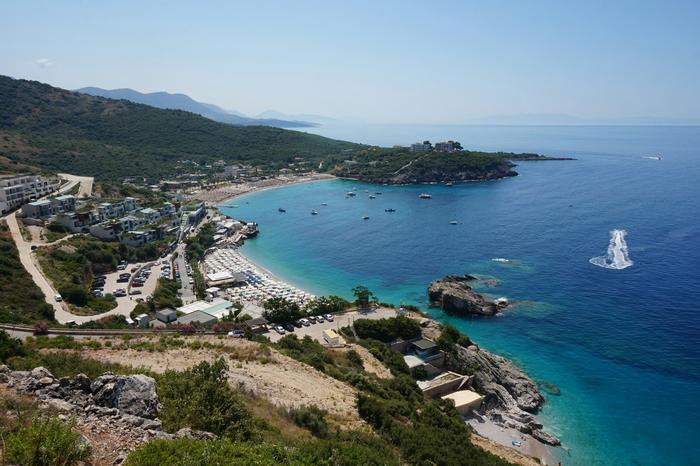
Croatia wins the coast outright. Bosnia is almost landlocked, so if beaches, islands and clear water are the holiday, Croatia is the choice — a well-run, polished destination, albeit a pricier one. Bosnia wins on depth and value. Few places pack as much layered history into a walkable space — Ottoman, Habsburg and the 1990s — set against steep mountains, and it costs a fraction of the Croatian coast. One is a coast trip; the other an interior one.
So they’re less rivals than two halves of a region. For the Adriatic, Croatia. For history, mountains and rock-bottom prices, Bosnia.
More than any other pair on the site, these two are made to be combined: Mostar is a popular day trip or overnight from the Dalmatian coast, and Sarajevo adds a few days inland, so a coast-and-interior trip taking in both is a classic Balkan route. If time forces one, choose by whether you want the Adriatic or the history and mountains — but if you can, do both.
Common questions
- Is Bosnia or Croatia cheaper?
- Bosnia, clearly — it’s among the cheapest countries in Europe, noticeably cheaper than Croatia, whose coast (Dubrovnik especially) carries a real tourist premium. If budget is the priority, Bosnia stretches much further; Croatia’s cost concentrates on the famous Adriatic.
- What is each really for?
- Croatia is the coast: walled historic towns, islands reached by catamaran, clear water and the Plitvice and Krka waterfall parks. Bosnia is the interior just inland: Sarajevo’s Ottoman-and-Habsburg old town, the rebuilt Mostar bridge, moving 1990s war history and dramatic mountains. Croatia for beaches and island-hopping; Bosnia for layered history and mountain drama.
- Is one in the EU and the other not?
- Yes. Croatia is a full EU, Schengen and eurozone member, so it uses the euro and has no internal Schengen borders. Bosnia is an EU candidate but outside all of that — a separate border crossing, using the convertible mark, not the euro. Most Western travellers enter both visa-free.
- Does Croatia have the better beaches?
- Yes — decisively, because Bosnia is almost landlocked (it has only a tiny sliver of coast at Neum). If beaches and islands are what you want, Croatia is the obvious choice; Bosnia’s appeal is entirely interior — rivers, mountains and historic towns.
- Should I do both in one trip?
- Absolutely — they’re the easiest pairing here. Mostar is a popular day trip or overnight from the Dalmatian coast, and Sarajevo adds a few days inland, so a combined coast-and-interior trip is a classic. If you must choose one, pick by whether you want the Adriatic or the history and mountains.