Croatia vs Spain

Both are euro, Schengen and Mediterranean, but they’re different scales of trip. Croatia is a focused Adriatic coast of walled towns and ferried islands. Spain is a whole country — world-class cities, flamenco and tapas culture, and coast and islands of every kind — stitched together by Europe’s best high-speed rail.

Eastern Europe

Croatia

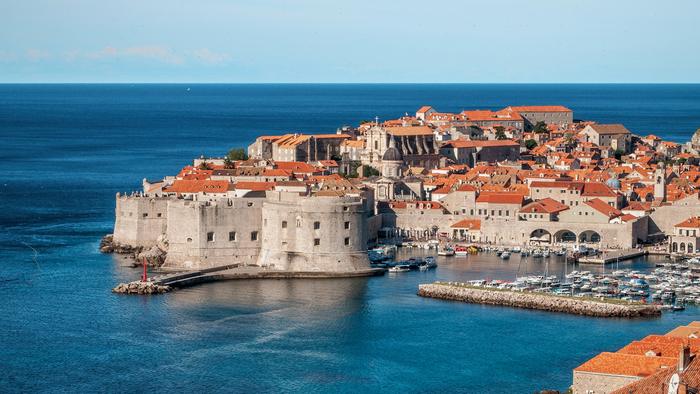
Dubrovnik, the Adriatic coast, ancient cities. Compact and beautiful.

Best time to visit
  1. January: avoid
  2. February: avoid
  3. March: fine
  4. April: fine
  5. May: peak
  6. June: peak
  7. July: fine
  8. August: avoid
  9. September: peak
  10. October: peak
  11. November: avoid
  12. December: avoid
Peak Fine Avoid
Western Europe

Spain

Food, beaches, and three or four cities that each justify the trip.

Best time to visit
  1. January: fine
  2. February: fine
  3. March: fine
  4. April: peak
  5. May: peak
  6. June: fine
  7. July: fine
  8. August: avoid
  9. September: peak
  10. October: peak
  11. November: fine
  12. December: fine
Peak Fine Avoid

Read our full guides about Croatia and Spain.

Side by side

Emphasised where they differ. Muted rows are much the same either way.

Croatia Spain
Best time May, June, September, October April, May, September, October
Climate mild mild
Budget Mid for Europe — the coast and Old Towns carry a premium over the inland Good value for Western Europe — cheaper day to day than France or Italy
Trip length 1–3 wks 1–4 wks
Visa Schengen — visa-free for most Western passports (90 days). Schengen — visa-free for most Western passports (90 days).
Currency EUR (€) EUR (€)
Language Croatian. English widely spoken in tourism. Spanish. English in cities and tourism, less elsewhere.
Tap water Tap water safe. Tap water safe.
Safety Very safe. Very safe. Pickpocketing in Barcelona and Madrid.

General guidance — visas, safety, and health change, so check your government's travel advisory and the official sources before you go.

The split

One coast, or a whole country

Both are euro-and-Schengen Mediterranean trips — but one is a focused coastline, the other a whole varied country.

One coast vs whole countrythe basic scale of the tripThe Adriatic, or all of Spain by fast train
Islands vs citieswhere the days goFerried island towns, or world-class cities
Ferry/bus vs AVE railhow you cover groundAdriatic hops, or high-speed rail across Spain

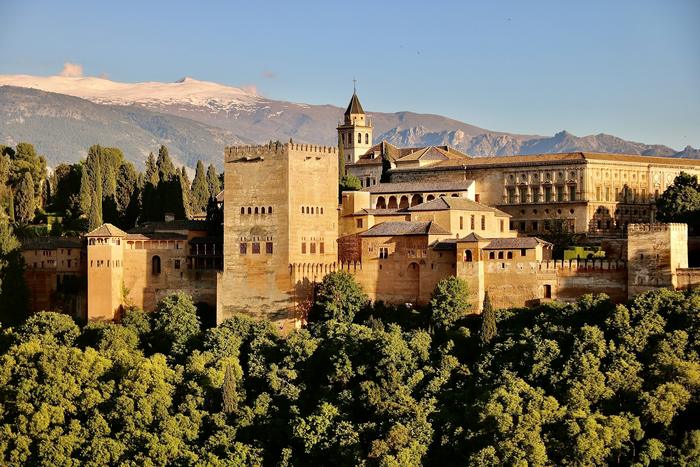
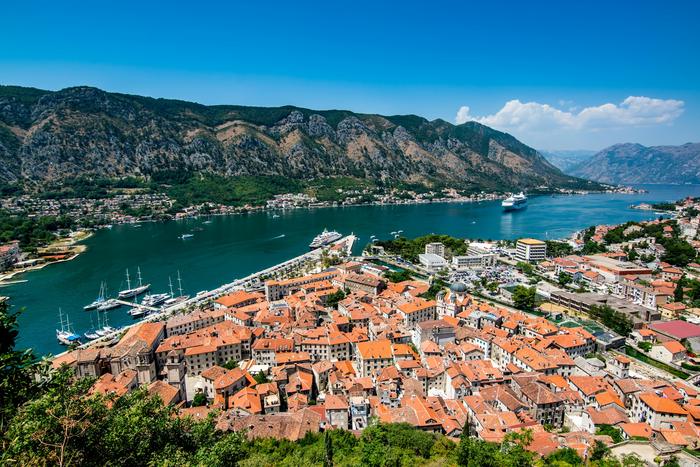
Croatia is a focused Adriatic coast — walled historic towns, islands reached by catamaran, and the Plitvice and Krka parks inland, all within one coherent region you can largely do car-free. Spain is a whole country: Madrid, Barcelona, Seville and Granada; flamenco, tapas and a late-night food culture; and coast and islands of every kind, linked by Europe’s best high-speed rail. One is a concentrated coastline; the other is a multi-region trip.

The operational detail — Croatia’s ferries and park tickets, Spain’s rail booking and city visitor rules — lives on the two guides: Croatia, know before you go and Spain, know before you go. This page is the head-to-head.

Focus vs range

Concentrated coast, or cultural country

The real trade: Croatia is coherent and coastal, Spain is big and varied.

Croatia rewards focus. One beautiful coastline, walled towns a ferry apart, clear water — a trip that hangs together without much moving, and feels complete in a week or two. Spain rewards range. You can spend a trip entirely in cities and never touch a beach, or mix Barcelona and the Costa Brava with Andalucía and the south, moving fast on the AVE. The culture runs deeper and broader — art, architecture, food, nightlife — and the day-to-day cost is lower.

So it’s coherence versus variety. If you want one lovely coast done well, Croatia. If you want a country of cities and culture with the coast as one ingredient, Spain.

Who suits which

Who each actually suits

Both Mediterranean — but one is a coastline, the other a country.

If you want…CroatiaSpain
Clear water and island-hoppingWins. The Adriatic and its islandsGood beaches, but more developed coast
World-class cities and cultureWalled towns, but not big-city cultureWins clearly. Madrid, Barcelona, Seville
Fast travel between placesBuses and catamarans; no fast railWins. Europe’s best high-speed rail
Day-to-day valueMid — pricey on the famous coastWins. Cheaper than France or Italy
A focused, compact tripWins. One coherent regionRewards covering ground
Food and nightlife cultureGood, but low-keyWins. Tapas, flamenco, late dinners

Doing both

Two trips, not one

Opposite ends of the sea — each a full holiday on its own.

There’s no natural way to combine them in one trip: they sit at opposite ends of the Mediterranean and each easily fills a holiday. Croatia pairs with its Adriatic and Balkan neighbours; Spain pairs with Portugal or southern France. Pick the one that matches the week you want — a focused coast, or a whole country — and save the other for another time.

What we leave out

What we deliberately leave out

Exact prices beyond the structural comparison — fares, lodging and car hire move within a season, so the figures here are the shape of the difference, not a quote; the country guides carry the live detail. Both are euro and Schengen, so the entry picture is the same (EES is live; ETIAS is coming) — check the guides before you travel.

Croatia or Spain, month by month

Which of the two is the better bet for each month of the year, scored on how well the season suits each place.

Which to choose

Choose Croatia if:

  • You want one coherent coastline — walled towns, islands, clear Adriatic water.
  • Island-hopping by ferry and pedestrian Old Towns appeal more than big cities.
  • A compact, focused two-week trip rather than a sprawling country.

Choose Spain if:

  • You want range — great cities, deep culture, and coast as one ingredient.
  • Fast trains between Madrid, Barcelona, Seville and the south suit how you travel.
  • Food and nightlife culture (tapas, flamenco, late dinners) is part of the draw.

Common questions

Is Croatia or Spain better for a beach holiday?
Croatia for clear Adriatic water and island-hopping, though its coast is pebble and rock rather than sand. Spain offers more variety of beach — the sandy Costa Brava and Andalucían coasts, plus the Balearic and Canary islands — but much of the mainland coast is more developed. For the postcard clear-water-and-islands feel, Croatia; for choice and sand, Spain.
Is Croatia or Spain cheaper?
Spain is the better day-to-day value across a whole trip — cheaper than France or Italy, with genuinely affordable food and wine. Croatia is mid for Europe, with the coastal Old Towns (Dubrovnik especially) pricey and the inland much cheaper. Over a two-week trip Spain usually works out more economical, Croatia’s cost concentrated on the famous coast.
Which is easier to get around?
Spain, if you’re covering distance — its AVE high-speed rail links the major cities fast and cheaply booked ahead, so you can do a multi-city trip car-free. Croatia is more about buses along the coast and catamarans out to the islands (which sell out in summer); it’s easy within the Adriatic but there’s no fast rail spine.
Which has more to do beyond the coast?
Spain, by a wide margin — Madrid, Barcelona, Seville and Granada are world-class cities with deep art, architecture and food culture, and the interior is full of it. Croatia’s non-beach draws are real but narrower: walled towns, island life and the Plitvice and Krka waterfall parks. Spain is the fuller cultural country; Croatia is the more concentrated coast.
Should I do both in one trip?
They don’t combine naturally — opposite ends of the Mediterranean, each a full holiday in itself. If you want to pair Croatia with somewhere, look to its Adriatic and Balkan neighbours; Spain pairs with Portugal or southern France. Choose one and give it the time.

Still undecided

Take the quiz

Three matches. Often answers comparison questions for you.

Start the quiz