Croatia
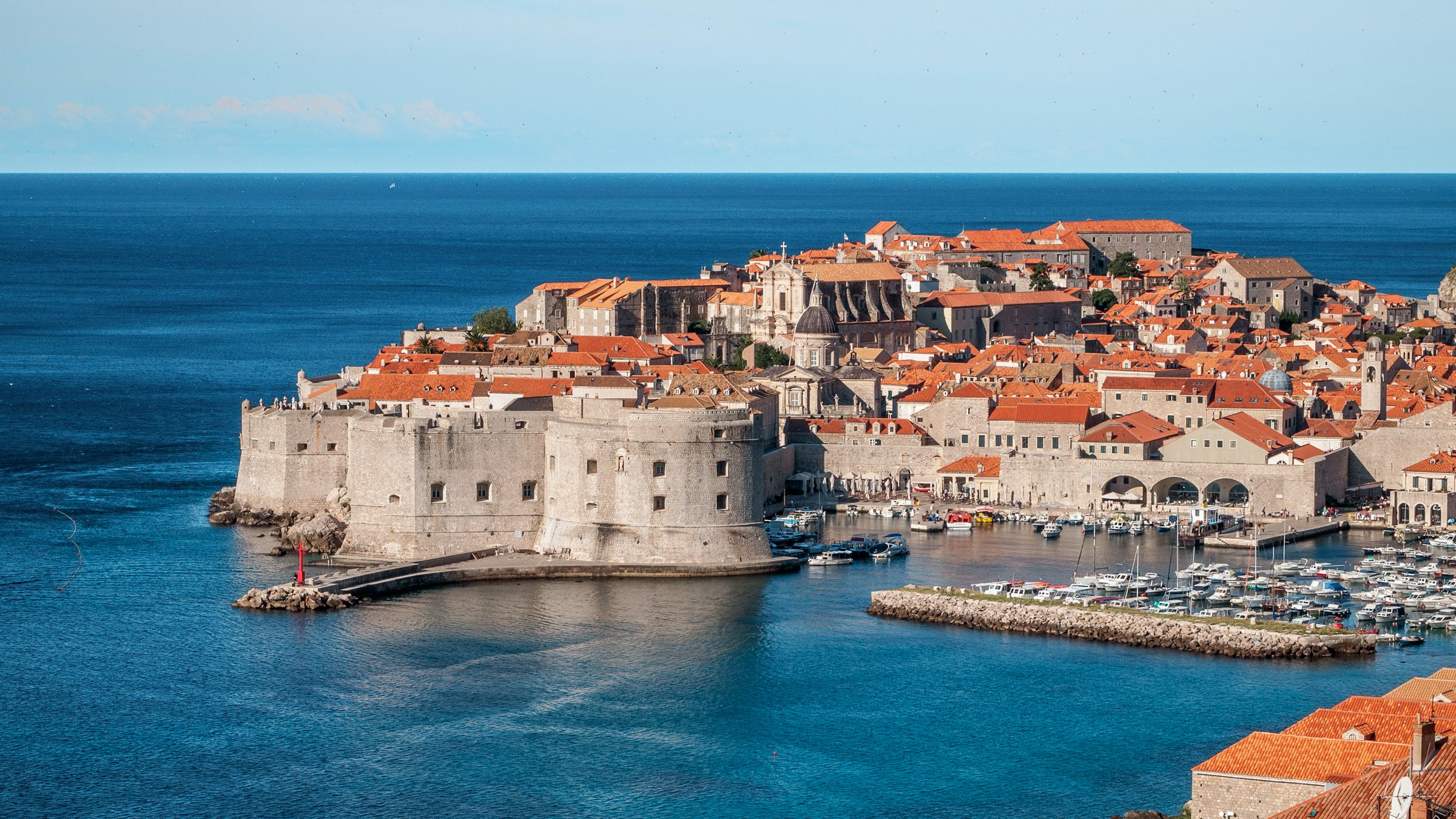
Dubrovnik, the Adriatic coast, ancient cities. Compact and beautiful.
Croatia delivers a classic Mediterranean trip with cleaner water than most. The coast is the draw — Split, Hvar, Dubrovnik, plus thousands of islands. Inland is undersold: Plitvice and Krka national parks deserve their own days, and Zagreb has quietly become a fun small-city break.
The trip builds itself around the ferries: base in Split, island-hop south through Hvar and Korčula, finish in Dubrovnik. Days are simple — swim off the rocks, eat grilled fish and black risotto at a konoba, drive the coast road as the light goes gold. Plitvice needs its own day inland, ideally on the way down from Zagreb. Accommodation eats most of the budget in summer; the ferries and food stay reasonable.
Know what you're getting: the beaches are pebbles and concrete platforms, not sand, and in July and August Dubrovnik's old town is shoulder-to-shoulder with cruise passengers by mid-morning. Croatia stopped being a budget destination years ago — peak-season prices match Italy. If you want wide sandy beaches or a bargain, look elsewhere. Come in June or September instead and you get some of the clearest swimming water in the Mediterranean at half the crush.
Highlights
-
Split & Hvar
Roman palace turned working city, with party island offshore.
-
Dubrovnik
The walled city — go off-season or early morning.
-
Plitvice Lakes
Cascading turquoise lakes — surreal in person.
-
Istria
The northern peninsula — Italian-influenced food and quieter coast.
Practical info
- Visa
- Schengen — visa-free for most Western passports (90 days).
- Currency
- EUR (€)
- Language
- Croatian. English widely spoken in tourism.
- Safety
- Very safe.
- Getting around
- Buses between cities; ferries between islands; hire car for inland.
- Tap water
- Tap water safe.
- Plug type
- Type C Type F 230V
- Money
- Cards in cities; cash for ferries and small konobas.
General guidance — visas, safety, and health change, so check your government's travel advisory and the official sources before you go.
Common questions
- When is the best time to visit Croatia?
- Croatia is at its best in May, June, September, October. It's best to avoid January, February, August.
- How many days do you need in Croatia?
- Most trips run 1–3 weeks, depending on how much ground you want to cover.
- Is Croatia expensive?
- Plan for budget – mid-range daily spend, depending on how you travel.
- Is Croatia safe for travelers?
- Very safe.
- Do you need a visa for Croatia?
- Schengen — visa-free for most Western passports (90 days).
Compare Croatia with
If you like Croatia, also consider
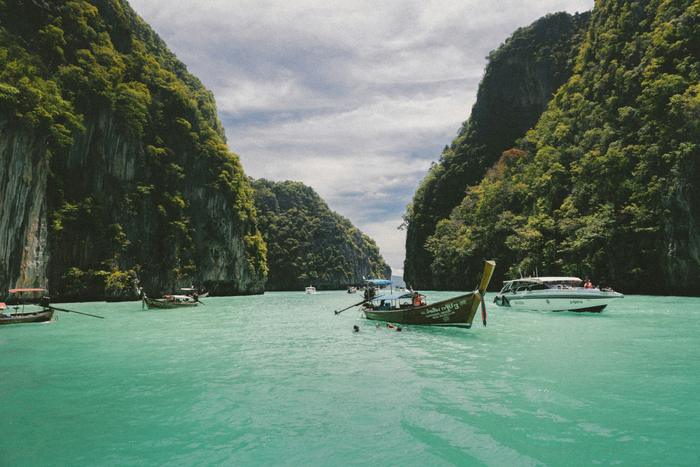
Thailand
The complete package for warm-climate travel.
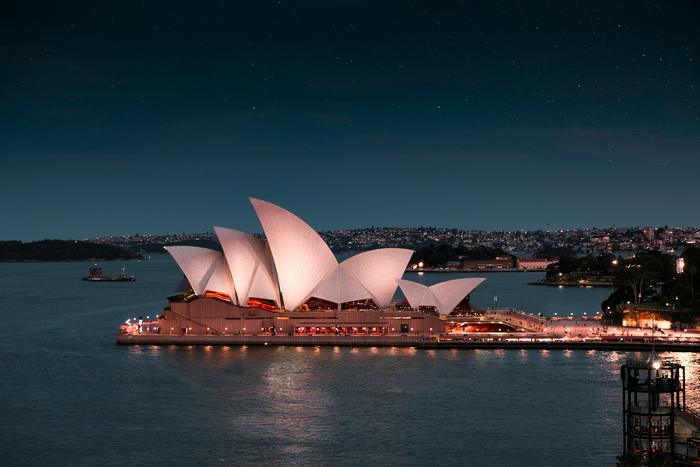
Australia
Vast, varied, relaxed. Reef, Sydney, and proper wilderness in one.
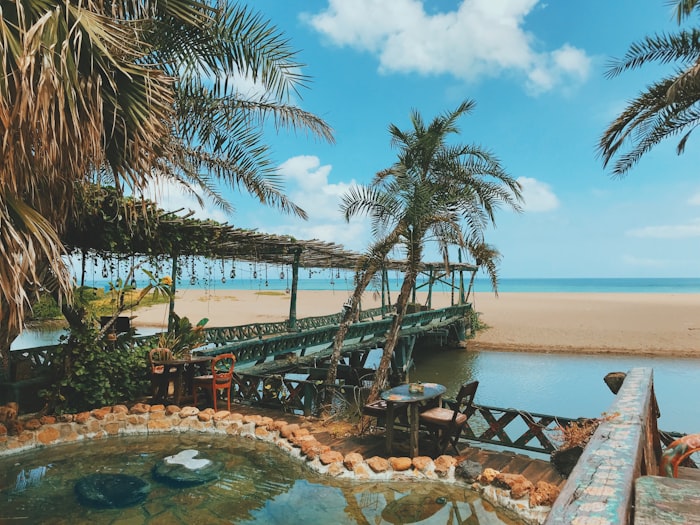
Bali, Indonesia
Warm, affordable, endlessly deep — beach, wellness, and culture in one place.
Not sure where to go
Take the 5-minute quiz
Answer a few honest questions and get matched to destinations that actually fit how you travel.
Start the quiz