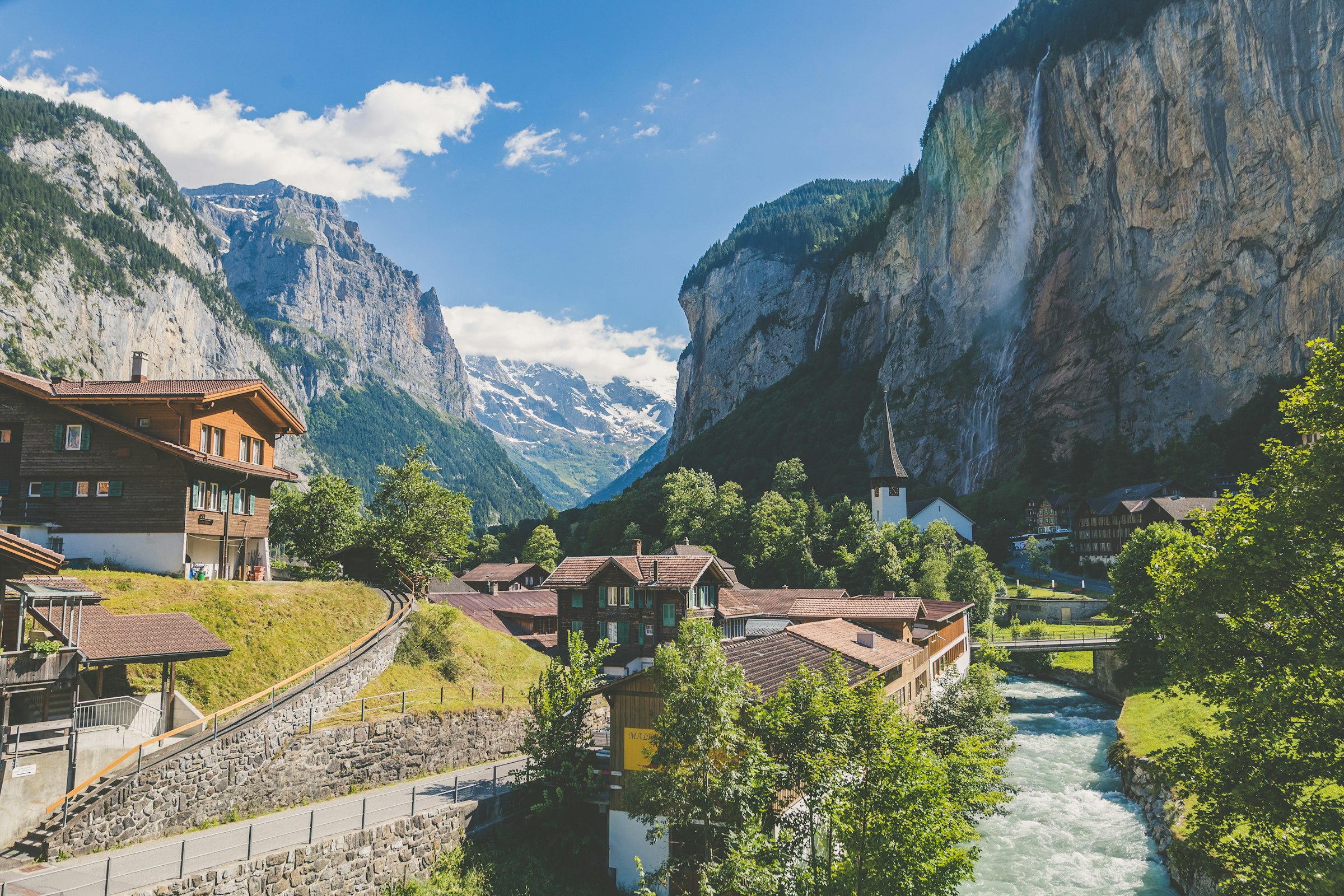
Switzerland
The most concentrated mountain scenery in Europe — and you'll pay for it.
Switzerland is expensive and worth it. The Alps here are the postcard standard — Zermatt, the Jungfrau, the Engadin — and the train network makes them absurdly easy to reach. Summer is for hiking and lake towns, winter for skiing some of the best terrain on the continent. Budget accordingly and don't try to rush it; distances are short but the views demand you stop.
A typical week: land in Zurich, train to the Bernese Oberland, and base yourself in Grindelwald or Wengen with cable cars out the door. Days are hikes between mountain huts, lake swims at Thun or Brienz, and a fondue you've earned. The trains run to the minute and the connections are engineered for sightseeing. Your money goes on beds and lift tickets — a Swiss Travel Pass blunts the transport costs, but nothing rescues the restaurant bills.
Be clear-eyed about the price: an unremarkable lunch costs what dinner does elsewhere, and a week here can equal a month in Portugal. July and August bring tour-bus crowds to Zermatt and the Jungfrau, and mountain weather can erase the views for days at a stretch — build slack into the plan. This is not a budget trip or a nightlife trip. It is the best-run mountain country on earth, and you pay exactly what that costs.
Highlights
-
Zermatt & the Matterhorn
Car-free village under the most famous peak in the Alps.
-
The Bernese Oberland
Interlaken, Grindelwald, and the Jungfrau region — classic Swiss high country.
-
Lucerne
Lake, old town, and the easiest mountain access from a city.
-
The Engadin & St. Moritz
High alpine valleys, lakes, and quieter hiking.
-
Glacier Express
The scenic rail crossing — slow, expensive, and worth the seat.
Practical info
- Visa
- Schengen — visa-free for most Western passports (90 days).
- Currency
- CHF (Swiss Franc). Roughly 0.9 CHF ≈ 1 USD.
- Language
- German, French, and Italian by region. English widely spoken.
- Safety
- Among the safest countries in the world.
- Getting around
- The rail and cable-car network is the best on earth. A Swiss Travel Pass pays off fast.
- Tap water
- Tap water safe and excellent; public fountains are drinkable.
- Plug type
- Type C Type J 230V
- Money
- Cards accepted everywhere; expect high prices across the board.
General guidance — visas, safety, and health change, so check your government's travel advisory and the official sources before you go.
Common questions
- Why is Switzerland so expensive?
- The strong franc: Switzerland has the world’s most expensive Big Mac, and everything follows from that — a restaurant main is CHF 25–45, a beer CHF 6–9, a mid-range hotel CHF 120–200. It runs roughly 30–50% dearer than Austria for the same trip. The escape hatches are supermarket meals (Coop, Migros) and mountain-hut dorms; a genuine budget trip still costs CHF 120–200 a day.
- Is the Swiss Travel Pass worth it?
- If you’re moving daily and doing boats and museums, yes — it covers trains, buses, lake boats, 500+ museums and steep discounts on the big cable cars. If you’re based in one valley doing a couple of mountain excursions, the Half Fare Card (CHF 150, halves everything for a month) plus point-to-point tickets usually beats it.
- When is the best time to visit Switzerland?
- June to September for hiking with every lift open, December to March for skiing. Avoid late April–May and November: many mountain railways and cable cars close for annual maintenance in exactly those weeks, which catches shoulder-season travellers out.
- Do you need a car in Switzerland?
- No — the public transport is the best in the world, integrated across train, bus and boat, and it reaches the car-free resorts (Zermatt, Wengen, Mürren, Saas-Fee) directly. A car adds little and complicates those villages, where you park at the valley station and ride up. If you do drive, the motorway vignette is CHF 40.
- Is Switzerland or Austria better for the Alps?
- Switzerland for the most iconic, pristine peaks — the Matterhorn, the Jungfrau — if budget is no object. Austria for nearly-as-good scenery at 30–40% less, plus grander cities. See our full comparison.
The cost
The price is the plan — budget for the shock
Nowhere in the Alps is more spectacular, and nowhere is more expensive. That trade is the whole trip.
CHF 7.20 a Big Mac in Switzerland — the most expensive on earth
Plan the money before the itinerary. Tap water is excellent and free — Zurich alone has over a thousand public fountains, so carry a bottle — and tipping isn’t expected, service is in the bill. But the mountain excursions below are where a budget disappears, so it pays to pick a couple rather than treat them as a checklist.
Trains & passes
The best trains in the world — and the pass maths
Getting around is a genuine pleasure here. The question is never can you, it’s which ticket.
The Swiss Travel System is one integrated ticket across trains, most buses, lake boats and town transit. The Swiss Travel Pass (consecutive-day, from around CHF 254 for 3 days up to CHF 499 for 15 in 2026) adds 500-plus museums free and steep cable-car discounts; the Half Fare Card at CHF 150 halves everything for a month. As a rule the pass wins if you move daily and ride boats and museums; if you’re based in one valley doing a couple of big excursions, the Half Fare Card plus point-to-point tickets usually beats it.
The trap that catches pass-holders: the scenic trains need a paid seat reservation on top. The Glacier Express (Zermatt–St Moritz, about 8 hours) charges around CHF 54 to reserve; the Bernina Express around CHF 40 each way and you cannot board without it. The pass covers the fare — never the seat.
The big excursions
The iconic peaks, and what they actually cost
These are the reason people come — and every one is eye-watering, non-refundable against cloud.
The headline rides run CHF 100–235 return, before any discount. Jungfraujoch, the “Top of Europe,” is around CHF 235 from Interlaken (less from Grindelwald, where the new Eiger Express gondola starts), 25% off with the Swiss Travel Pass, and a CHF 10 seat reservation is compulsory in summer. Zermatt — a car-free village reached by train — has the Gornergrat cog railway to a classic Matterhorn viewpoint (half-price with a pass) and the Glacier Paradise cable car to 3,883 m. The Schilthorn’s Piz Gloria is about CHF 108, roughly CHF 46 with a pass; Pilatus and Rigi from Lucerne round out the set — and Rigi is one of the few mountains a Swiss Travel Pass rides free.
The single most common regret here is paying CHF 200-plus for a summit and getting fog — the ticket buys the ride, not the view, and the high peaks make their own weather. Check the summit webcams the morning of, favour the discounted early “Good Morning” departures, and keep the big-ticket day flexible.
When to go
Summer or ski — and never the weeks between
The shoulder season isn’t just quiet here; large parts of the mountain machinery are switched off.
Summer (June–September) opens every lift and railway and is the safe window for the big excursions; winter is the ski season, and the scenic trains still run. The trap is late April–May and November, when many mountain railways and cable cars close for annual maintenance — the Eiger Express, the Lauterbrunnen and Wengen lines and Pilatus all take spring or autumn closures, precisely the cheap shoulder weeks bargain-hunters pick. Verify each operator’s dates before booking a shoulder-season trip.
Four of the marquee resorts — Zermatt, Wengen, Mürren and Saas-Fee — are car-free and reached by train only: you park at the valley station (Täsch for Zermatt, Lauterbrunnen for Wengen) and ride up.
Good to know
Francs, not euros — and shut on Sundays
A few practical facts that quietly cost the unprepared.
Switzerland is in Schengen but not the EU, and uses the Swiss franc, not the euro — euros are sometimes taken in tourist spots but at a deliberately poor rate with change in francs, so pay in CHF (cards are accepted everywhere). Most non-EU visitors get 90 days visa-free within any 180; the EU’s ETIAS pre-authorisation is due to phase in during 2026, worth a check at booking. Shops close on Sundays by law — station and airport shops and petrol kiosks are the exceptions — so buy groceries on Saturday. And if you drive, the motorway vignette is a flat CHF 40 for the year; without it, a CHF 200 fine and you still buy the sticker.
Sources
Where this comes from
The detail above was read off primary sources on — operator timetables, municipal ordinances, regional tourism boards, national statistics offices and first-hand traveller reports, rather than other travel articles. Researched and maintained by Dmitrii Romashchin — how we research.
Compare Switzerland with
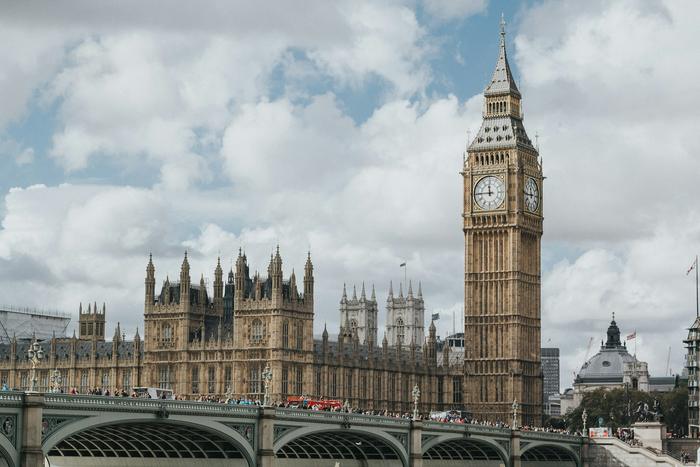
If you like Switzerland, also consider
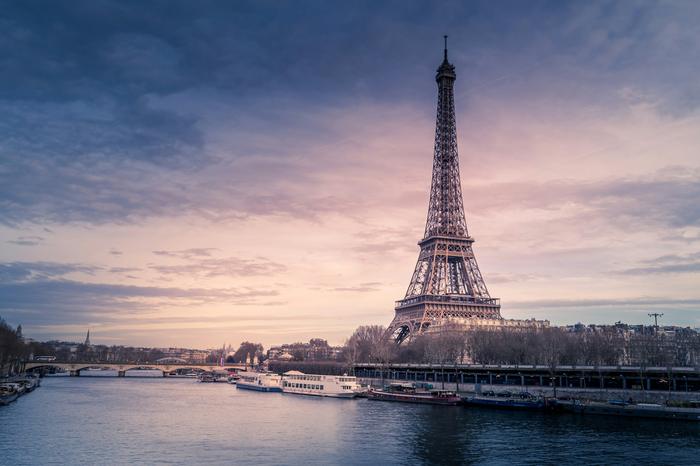
France
Paris is only the opening act — wine country, the Alps, and two coastlines.
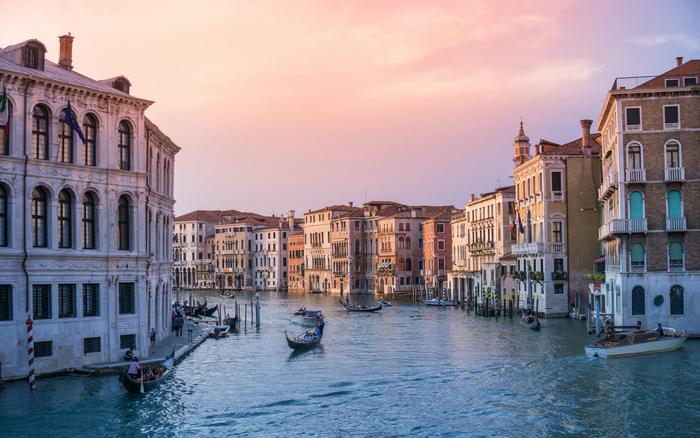
Italy
The benchmark for food, history, and beauty.
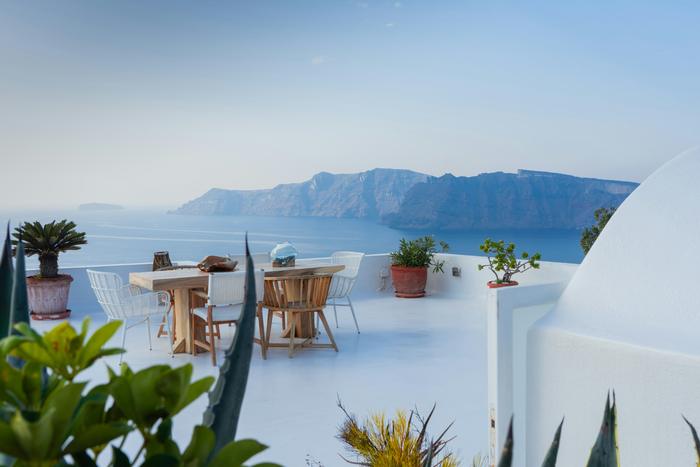
Greece
Ruins in the morning, a swim by noon, taverna until dark.
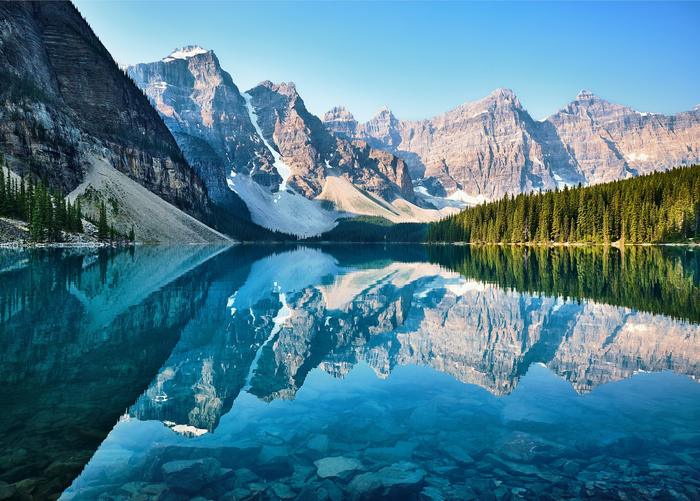
Canada
Wilderness on a continental scale — Rockies, coast, and the cities between.
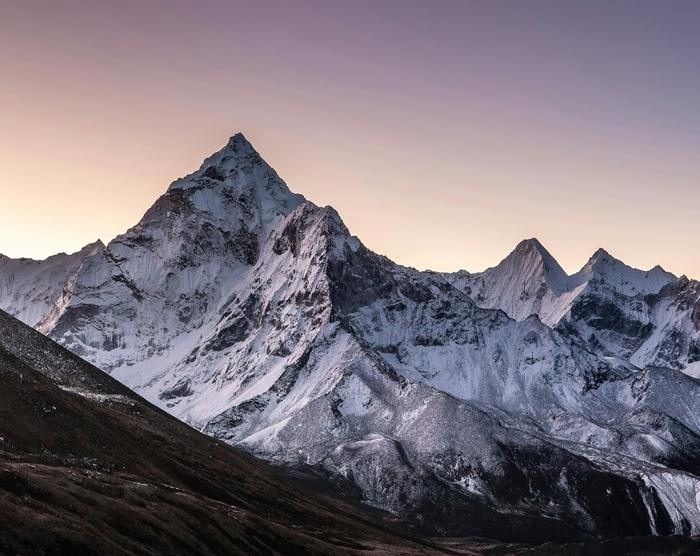
Nepal
The Himalayas. Trekking that changes how you see scale.
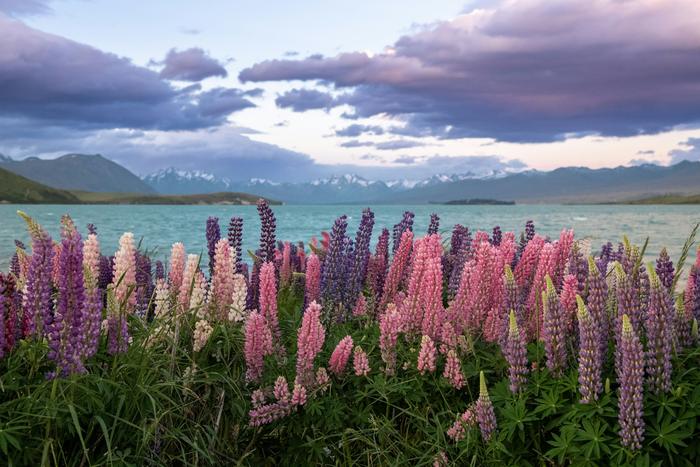
New Zealand
Fjords, volcanoes, glaciers, beaches — in one country.
Not sure where to go
Take the 5-minute quiz
Answer a few honest questions and get matched to destinations that actually fit how you travel.
Start the quiz