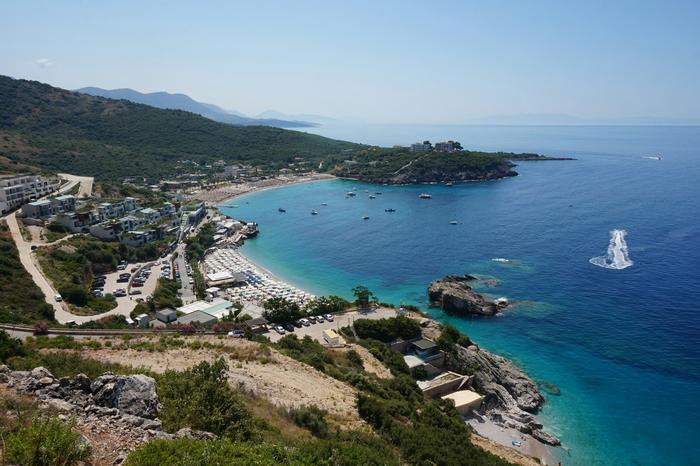
Albania
The cheapest stretch of Mediterranean coast left in Europe — for now.
- January: avoid
- February: avoid
- March: fine
- April: fine
- May: peak
- June: peak
- July: fine
- August: fine
- September: peak
- October: fine
- November: avoid
- December: avoid
Two Adriatic neighbours at different stages of the same story. Albania is the bigger, rawer up-and-comer — the cheapest coast in Europe, a string of beautiful and still-uncrowded Riviera beaches, Ottoman hill towns and dramatic mountains, with the rough edges and patchy infrastructure of a place still finding its tourist feet. Montenegro is the smaller, more polished one — an established, pricier coast built around the showpiece Bay of Kotor, with slicker resorts and quick-reach peaks. One is the frontier; the other the finished article.
The cheapest stretch of Mediterranean coast left in Europe — for now.
A whole country where mountains drop straight into the Adriatic.
Read our full guides about Albania and Montenegro.
Emphasised where they differ. Muted rows are much the same either way.
| Albania | Montenegro | |
|---|---|---|
| Best time | May, June, September | May, June, September |
| Climate | warm | mild |
| Budget | The cheapest coast in Europe — raw, but outstanding value | Good value, more polished — the coast in peak summer is the dearest part |
| Trip length | 1–2 wks | 1–2 wks |
| Visa | Visa-free for most Western passports (up to 90 days). Not in the EU. Verify before travel. | Visa-free for most Western passports (90 days). Not in the EU or Schengen. Verify before travel. |
| Currency | ALL (Albanian Lek). | EUR (€). |
| Language | Albanian. English among the young; Italian common. | Montenegrin. English in tourist areas. |
| Tap water | Stick to bottled water; tap is not reliably safe to drink. | Tap water generally safe in towns; bottled is common. |
| Safety | Safer than its old reputation; main hazards are the roads and driving. | Generally safe; usual caution with summer crowds and coastal driving. |
General guidance — visas, safety, and health change, so check your government's travel advisory and the official sources before you go.
The split
Both are cheap Adriatic neighbours — but one is a rawer, cheapest-in-Europe up-and-comer, the other a smaller, more polished coast.
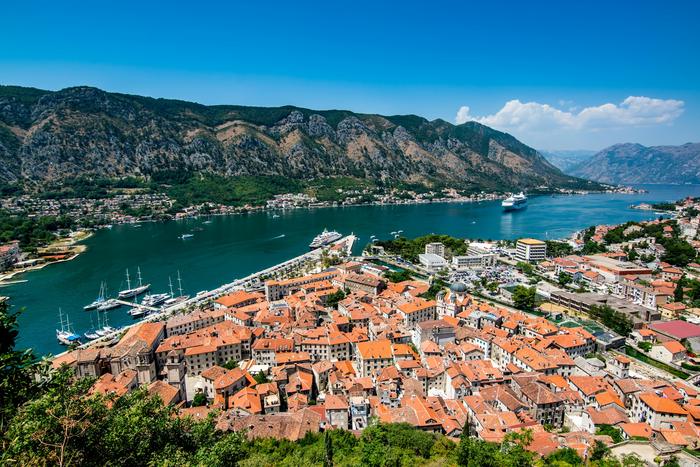
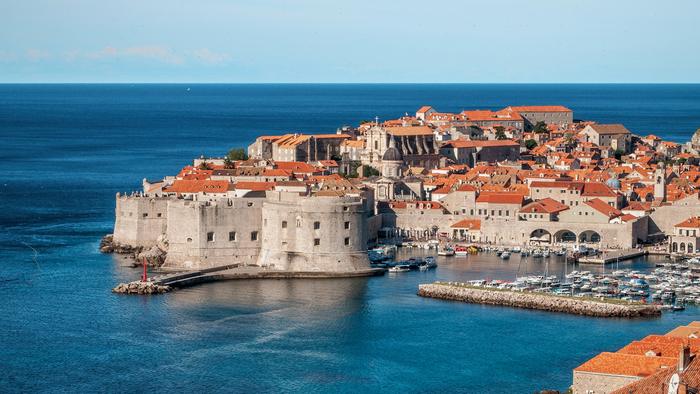
Albania is the bigger, rawer up-and-comer — the cheapest coast in Europe, a long and still-uncrowded Riviera of Ionian and Adriatic beaches, Ottoman hill towns (Berat, Gjirokastër) and dramatic mountains, with the patchy infrastructure of a place still finding its tourist feet. Montenegro is the smaller, more polished one: an established, pricier coast built around the showpiece Bay of Kotor, with slicker resorts and peaks within a short drive.
The operational detail — Montenegro’s euro use, registration rule and coastal access; Albania’s fast-changing prices and infrastructure — lives on the two guides: Albania, know before you go and Montenegro, know before you go. This page is the head-to-head.
The real difference
The trade: Albania offers the cheapest, emptiest beaches and a frontier feel; Montenegro offers the Bay of Kotor and easier, more polished travel.
Albania wins on price, space and adventure. The Riviera is cheaper and emptier than almost anywhere on the Mediterranean, the hill towns and mountains add real variety, and the frontier feel is part of the appeal — accepting that roads, signage and service are still rough in places.
Montenegro wins on polish and the bay. The Bay of Kotor is a genuine showstopper, the resorts and logistics are more established, and everything sits within a short drive in a compact country — at somewhat higher prices, the coast in peak summer most of all. Choose the raw-value frontier, or the polished compact.
Who suits which
Both are cheap Adriatic neighbours — but one leans raw value and space, the other polish and the bay.
| If you want… | Albania | Montenegro |
|---|---|---|
| The lowest prices | Wins. Cheapest coast in Europe | Cheap, but pricier |
| Uncrowded, wilder beaches | Wins. The Riviera | More built-up coast |
| The dramatic Bay of Kotor | No equivalent | Wins. The showpiece |
| Polished, easy logistics | Rough around the edges | Wins. More established |
| Ottoman hill towns | Wins. Berat, Gjirokastër | Kotor old town |
| A compact, drive-it-all trip | Bigger to cover | Wins. Small and varied |
Doing both
They share a border — run straight down the coast.
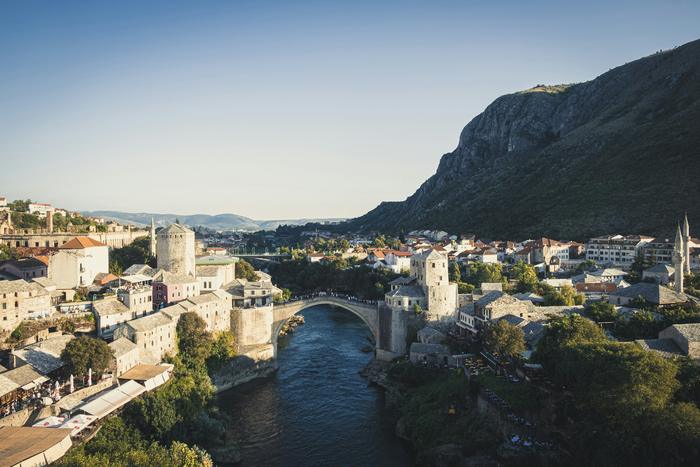
Albania and Montenegro are neighbours, and a Balkan coastal road trip runs naturally from the Bay of Kotor down into the Albanian Riviera (often continuing into Bosnia, or south toward Greece). The distances are short but the roads are slow, so allow extra driving time. Each also compares with the wider region (see Bosnia vs Montenegro and Albania vs Bosnia).
What we leave out
Exact prices beyond the structural comparison — Albania’s fast-moving Riviera rates and Montenegro’s coastal costs both change with season and the pace of development — so the figures here are the shape of the difference, not a quote; the country guides carry the live detail. Each country’s entry, currency and registration specifics are covered on its guide rather than restated here.
Which of the two is the better bet for each month of the year, scored on how well the season suits each place.
Paris is only the opening act — wine country, the Alps, and two coastlines.
The benchmark for food, history, and beauty.
Food, beaches, and three or four cities that each justify the trip.
The ski and alpine benchmark — every other mountain range is measured against this.
Prague earns the crowds. The rest of the country is the bonus.
Geysers, glaciers, northern lights, hot springs.
The best value city in Western Europe.
The most concentrated mountain scenery in Europe — and you'll pay for it.
Still undecided
Three matches. Often answers comparison questions for you.
Start the quiz