Croatia
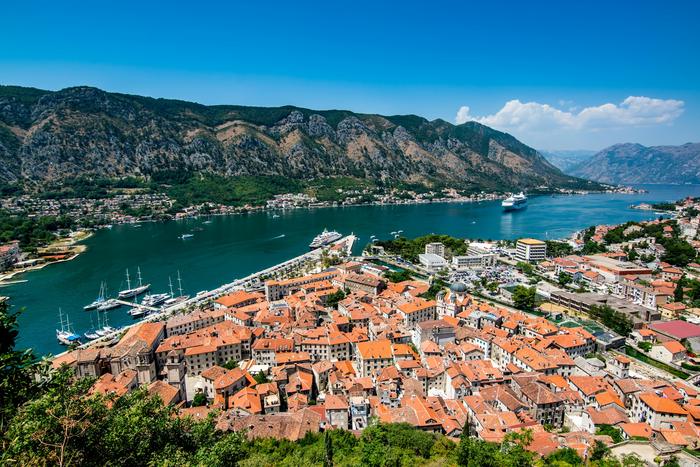
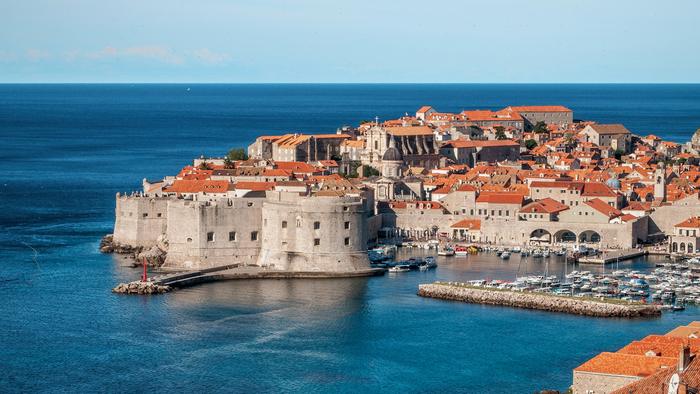
Dubrovnik, the Adriatic coast, ancient cities. Compact and beautiful.
- January: avoid
- February: avoid
- March: fine
- April: fine
- May: peak
- June: peak
- July: fine
- August: avoid
- September: peak
- October: peak
- November: avoid
- December: avoid
Two former-Yugoslav neighbours with opposite draws. Croatia is the coast — the Adriatic’s dazzling island-studded shoreline, walled Dubrovnik, Split and Diocletian’s Palace, and a polished, popular tourism scene. Serbia is the inland one — Belgrade’s famous nightlife and riverside energy, hearty food, monasteries, and rock-bottom prices, well off the mainstream trail. One is a sun-sea-and-islands holiday; the other a lively, cheap, city-and-culture discovery.
Dubrovnik, the Adriatic coast, ancient cities. Compact and beautiful.
The Balkans’ best night out — grilled meat, rakija, and river clubs, in Europe’s most underrated capital.
Read our full guides about Croatia and Serbia.
Emphasised where they differ. Muted rows are much the same either way.
| Croatia | Serbia | |
|---|---|---|
| Best time | May, June, September, October | April–September |
| Climate | mild | mild |
| Budget | Moderate — the coast in peak summer is the priciest part | Very cheap — one of Europe’s best-value destinations |
| Trip length | 1–3 wks | 1–1 wks |
| Visa | Schengen — visa-free for most Western passports (90 days). | Visa-free for most Western passports (90 days). Verify before travel. |
| Currency | EUR (€) | Serbian Dinar (RSD); euros accepted in some places. |
| Language | Croatian. English widely spoken in tourism. | Serbian; English widely spoken by younger people and in Belgrade. |
| Tap water | Tap water safe. | Tap water is safe. |
| Safety | Very safe. | Safe; ordinary city precautions and awareness of taxi overcharging. |
General guidance — visas, safety, and health change, so check your government's travel advisory and the official sources before you go.
The split
Both are former-Yugoslav neighbours — but one is a sun-sea-and-islands star, the other an inland, nightlife-and-value discovery.
Croatia is the coast — the Adriatic’s island-studded shoreline, walled Dubrovnik, Split and Diocletian’s Palace, and a polished, popular tourism scene. Serbia is the inland one: Belgrade’s famous nightlife and riverside energy, hearty food, monasteries, and rock-bottom prices, well off the mainstream trail.
The operational detail — Croatia’s Schengen/euro entry and island-ferry season; Serbia’s non-EU status and dinar — lives on the two guides: Croatia, know before you go and Serbia, know before you go. This page is the head-to-head.
The real difference
The trade: Croatia offers the Adriatic coast and island-hopping; Serbia offers Belgrade’s nightlife and unbeatable value.
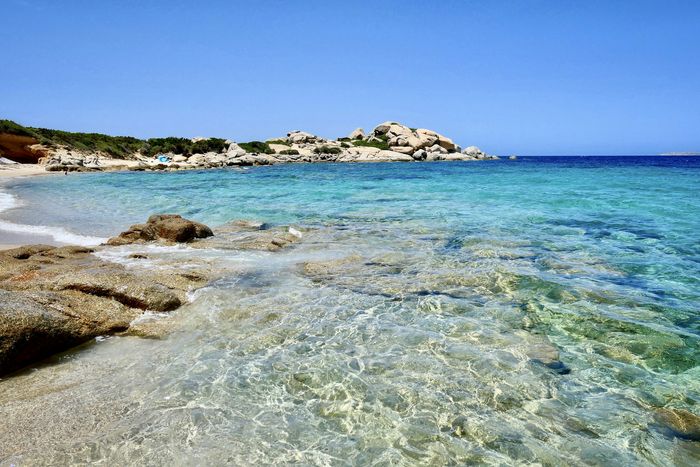
Croatia wins on coast and scenery. The Adriatic islands, walled cities and clear water make it one of the Mediterranean’s great summer destinations — polished and popular, if pricier on the coast in peak season.
Serbia wins on value and nightlife. Belgrade’s energy and Europe-famous clubs, plus rock-bottom prices and an off-the-trail feel, make it a lively, cheap city-and-culture discovery — just without a coastline. Choose the Adriatic, or the inland buzz.
Who suits which
Both are former-Yugoslav neighbours — but one leans coast and islands, the other nightlife and value.
| If you want… | Croatia | Serbia |
|---|---|---|
| Beaches and island-hopping | Wins. The Adriatic | Landlocked |
| Famous nightlife | Lively in summer | Wins. Belgrade |
| The lowest prices | Coast pricey in summer | Wins. A bargain |
| Walled coastal cities | Wins. Dubrovnik, Split | Inland cities |
| An off-the-trail discovery | Popular and polished | Wins. Under the radar |
| Euro convenience | Wins. On the euro | The dinar |
Doing both
Road and rail link them — a Balkan trip can take in both.
Croatia and Serbia are neighbours (with Bosnia between the main hubs), connected by road and rail, so a Balkan trip can pair Belgrade with the Croatian coast — separate itineraries, so allow time, and note you cross between Schengen and non-Schengen. Each also compares with its neighbours (see Bosnia vs Croatia, Croatia vs Poland, Bosnia vs Serbia and Romania vs Serbia).
What we leave out
Exact prices beyond the structural comparison — Croatia’s coastal summer rates and Serbia’s across-the-board cheapness both move — so the figures here are the shape of the difference, not a quote; the country guides carry the live detail. The entry mechanics (Croatia’s Schengen/euro status vs Serbia’s non-Schengen dinar) are covered on the guides rather than restated here.
Which of the two is the better bet for each month of the year, scored on how well the season suits each place.
Paris is only the opening act — wine country, the Alps, and two coastlines.
The benchmark for food, history, and beauty.
The ski and alpine benchmark — every other mountain range is measured against this.
Prague earns the crowds. The rest of the country is the bonus.
Geysers, glaciers, northern lights, hot springs.
The best value city in Western Europe.
The most concentrated mountain scenery in Europe — and you'll pay for it.
London, then the parts most visitors skip — Scotland, Wales, and the coast.
Still undecided
Three matches. Often answers comparison questions for you.
Start the quiz