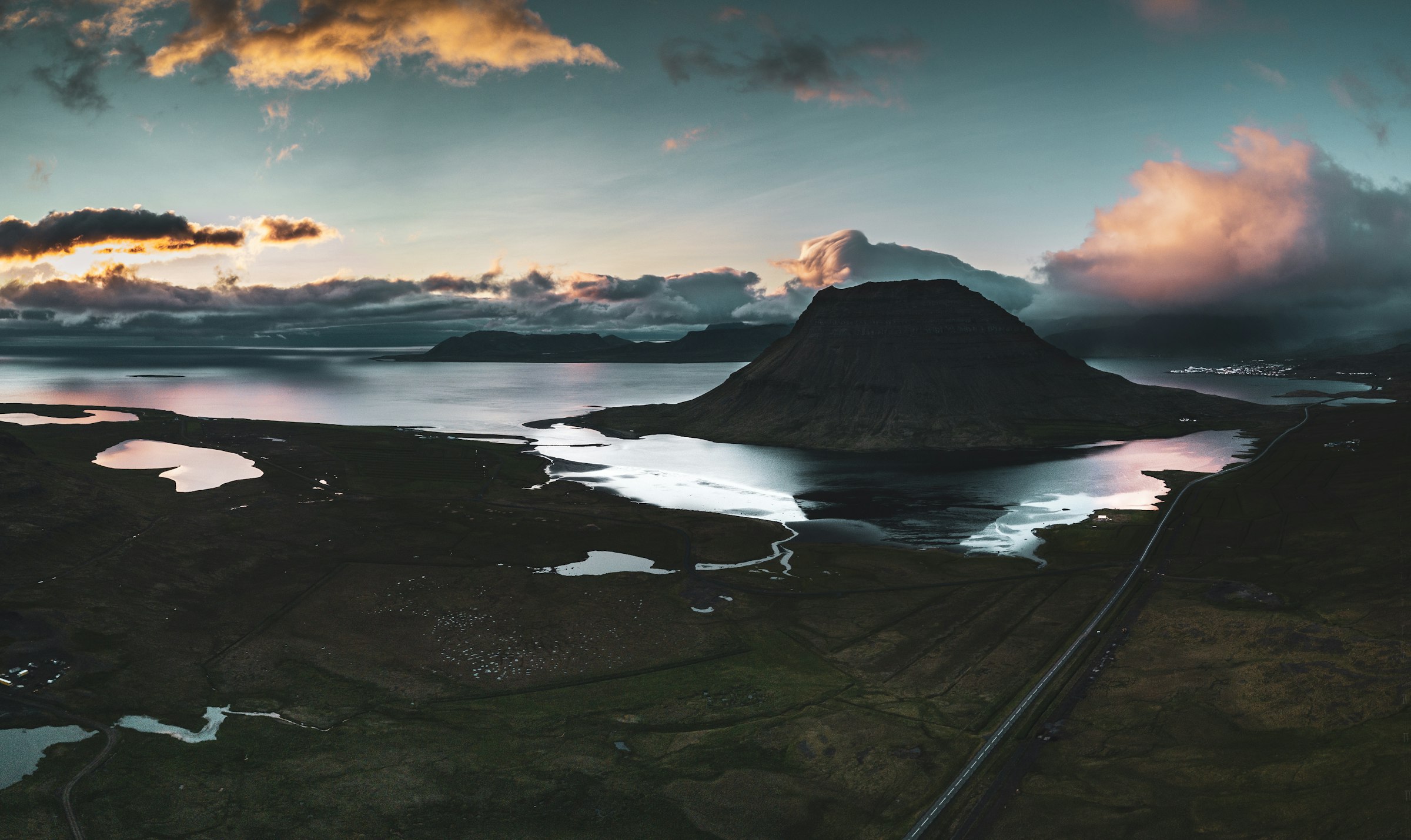
Iceland
Geysers, glaciers, northern lights, hot springs.
Iceland is a short trip that delivers oversized impact. The Golden Circle and South Coast cover the headline sights in three days; a full Ring Road takes a week to ten. Summer for puffins and 24-hour daylight; February-March for northern lights with fewer winter risks. It's expensive in any season — accept it.
You land at Keflavík, pick up the rental, and from then on the trip is the road. The South Coast strings the hits along Route 1 — Seljalandsfoss, Skógafoss, the black sand at Reynisfjara, the icebergs at Jökulsárlón — so days run drive, stop, gape, repeat, with geothermal pools as punctuation. The car and fuel are fixed costs; food is where Iceland hurts, so most travelers stock up at Bónus supermarkets and save restaurant meals for Reykjavik.
The honest part: a basic burger here can cost what dinner for two does elsewhere, the famous waterfalls have car parks and crowds to match, and winter weather will close roads and cancel your aurora plans without apology. There is no cheap version of Iceland, and pretending otherwise ruins trips. If you need warmth, nightlife, or culture beyond one small capital, look elsewhere. But the landscape really is that strange, and three days here stay with you longer than three weeks in most countries.
Highlights
-
Golden Circle
Geysir, Gullfoss waterfall, Thingvellir — the obvious first day.
-
South Coast
Black sand beaches, glacier hikes, Jokulsarlon iceberg lagoon.
-
Westfjords
The empty corner — for a longer, quieter trip.
-
Reykjavik
Surprisingly fun small capital — geothermal pools and bar crawl.
Practical info
- Visa
- Schengen — visa-free for most Western passports (90 days).
- Currency
- ISK (Krona). Roughly 138 ISK ≈ 1 USD.
- Language
- Icelandic. English universal.
- Safety
- Very safe. Weather and roads in winter are the real risks.
- Getting around
- Self-drive. 4WD for the highlands and winter.
- Tap water
- Tap water excellent — best in the world by some metrics.
- Plug type
- Type C Type F 230V
- Money
- Cashless society. Cards everywhere.
General guidance — visas, safety, and health change, so check your government's travel advisory and the official sources before you go.
Common questions
- When is the best time to visit Iceland?
- Summer (June–August) for the Ring Road, the highlands and near-24-hour daylight; winter (roughly September–March) for the northern lights — but with only 4–5 hours of daylight in December and most highland roads closed. The lights need darkness, a clear sky and solar activity all at once, so a winter trip can produce none — treat them as a chance, not a booking.
- How long do you need for the Ring Road?
- Seven to ten days. Route 1 loops the whole island in 1,322 km — Europe’s longest ring road — and it’s paved and open year-round in normal conditions, packing waterfalls, geysers, glaciers and black beaches within short drives. A week is the common minimum; the highland F-roads that branch off it need a 4×4 and open only about mid-June to September.
- Why is Iceland so expensive?
- It’s one of the world’s priciest countries: a bar beer runs about €9–10, a dinner for two easily €140-plus, and car hire plus fuel is the single biggest line of most trips. The escapes are real — self-cater from Bónus supermarkets, and the hot dog at Bæjarins Beztu (about €4) is reliably the cheapest hot meal in the country. Alcohol is sold only in state Vínbúðin shops or bars.
- Is the Blue Lagoon worth it, and is it open?
- It’s the iconic soak, near the airport, but booking is mandatory with timed entry (roughly €60–120, peak slots gone weeks ahead) — there are no walk-ins. The caveat is the volcano: it sits on the Reykjanes peninsula, which has erupted repeatedly since 2021, and it takes brief precautionary closures around eruptions. Keflavík airport and the Ring Road are unaffected; check its status before you go.
- Is Iceland or Norway the better trip?
- Iceland for a compact, otherworldly week — the Ring Road loops waterfalls, geysers, glaciers and volcanoes efficiently. Norway for grander, greener fjord scenery if you have more time, since it’s far bigger and slower to cover. Both sit in the same top tier of expense. See our full comparison.
The Ring Road
A week around the island — and the roads that aren’t open
Route 1 is the trip: it loops the whole island, and everything dramatic is a short drive off it.
The Ring Road (Route 1) is 1,322 km, paved end to end and normally open all year, and it packs the whole postcard — waterfalls, geysers, glaciers, black beaches, volcanoes — within short drives; plan 7–10 days. The trap is the F-roads, the highland tracks to places like Landmannalaugar: a 4×4 is required by law (a 2WD on one is illegal and voids your insurance), and they open only in stages from about mid-June to September. Check road.is the day you travel — roads can re-close overnight — and note the driving hazards are Icelandic: single-lane bridges, unbridged river fords, free-roaming sheep, and wind strong enough to rip a car door off its hinges, which standard insurance won’t cover. Add the gravel and sand-and-ash protection at pickup.
The cost
The money is the plan
Alongside Norway, this is one of the most expensive countries on earth — and there’s no getting around it, only softening it.
~€10 a beer in a Reykjavík bar — the shorthand for the whole trip
The big sights
Free wonders, one paid soak, and a deadly beach
Most of Iceland’s icons cost nothing to enter — but one of them kills tourists, so read this.
The classic loop from Reykjavík is the Golden Circle — Þingvellir, the Geysir hot springs and Gullfoss waterfall, all free to enter (small parking fees). The south coast strings together the waterfalls of Seljalandsfoss and Skógafoss and the black-sand Reynisfjara beach near Vík — and this is the one with a warning: its “sneaker waves” arrive unpredictably far up the sand and drag people out to sea, with several deaths in the past decade. Never turn your back on the water; stay well up the beach. Further east, the Jökulsárlón glacier lagoon and Diamond Beach are free to view, with boat trips extra, and glacier hikes run with guides. The one big paid attraction is the Blue Lagoon (book ahead; watch the eruption status).
Iceland is a place people die underestimating nature — sneaker waves, sudden weather, river fords, unstable geothermal ground. Two tools everyone should use: register your plan and check conditions at safetravel.is, and download the 112 Iceland app, which SMSes your GPS location to rescue services at one tap, even with no signal.
Good to know
Cashless, sulphur water, and a live volcano
The practical footnotes — including the eruption story, in proportion.
Iceland is Schengen (not EU), visa-free 90 days, with the EU’s biometric Entry/Exit System now in force at Keflavík; ETIAS is still to come. It’s nearly cashless — a contactless card covers everything, including remote fuel pumps (bring a PIN) — English is universal, plugs are European Type C/F, and tipping isn’t expected. The tap water is glacial and among the world’s best, so don’t buy bottled; the hot water smells of sulphur (geothermal, harmless — the cold tap is unaffected). And the pools and lagoons require you to shower naked and wash before entering, which is non-negotiable etiquette. On the volcano: the Reykjanes peninsula has erupted repeatedly since 2021 and more activity is considered likely, but it’s confined to the south-west — the airport and the Ring Road keep running; only the Blue Lagoon and the evacuated town of Grindavík are genuinely affected, with advance warnings and detours. Check the live status before you travel.
Sources
Where this comes from
The detail above was read off primary sources on — operator timetables, municipal ordinances, regional tourism boards, national statistics offices and first-hand traveller reports, rather than other travel articles. Researched and maintained by Dmitrii Romashchin — how we research.
Compare Iceland with
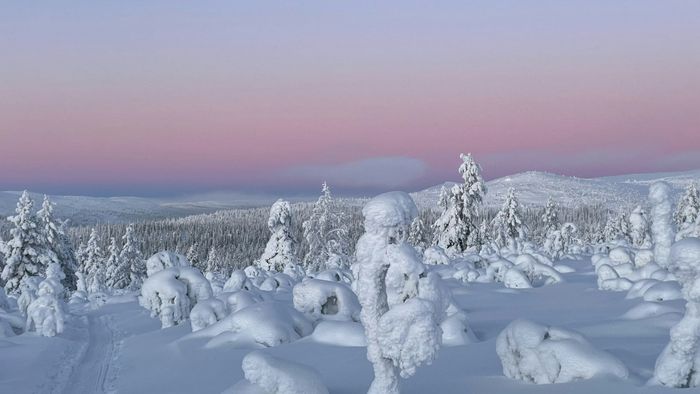
If you like Iceland, also consider
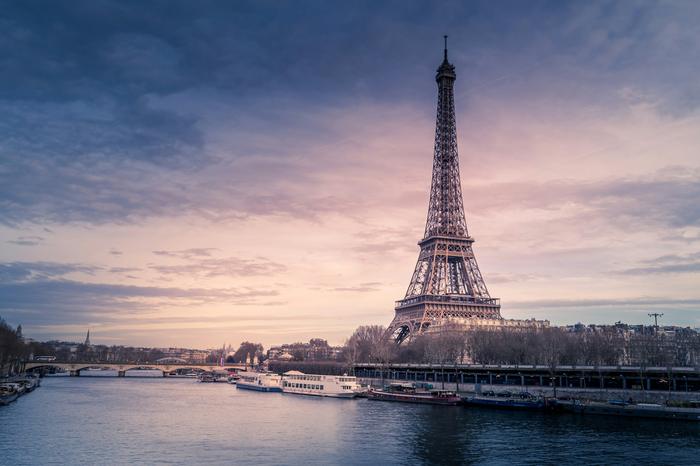
France
Paris is only the opening act — wine country, the Alps, and two coastlines.
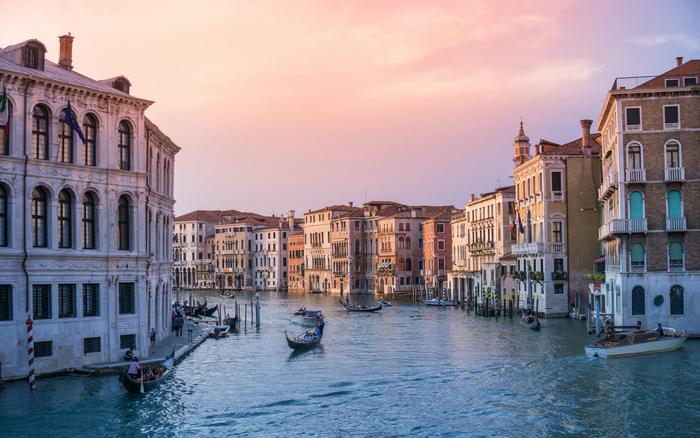
Italy
The benchmark for food, history, and beauty.
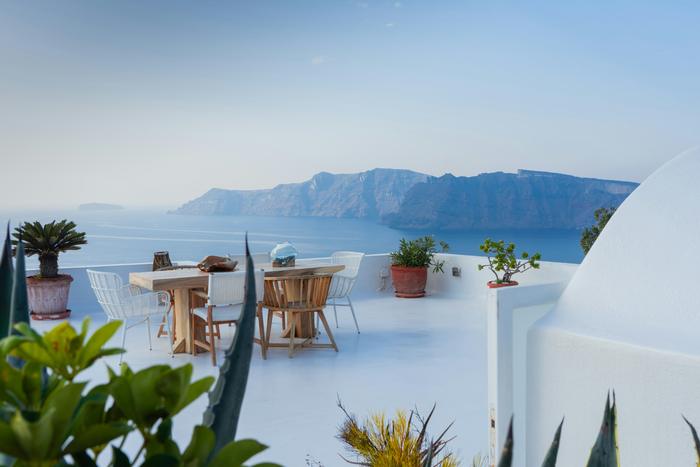
Greece
Ruins in the morning, a swim by noon, taverna until dark.
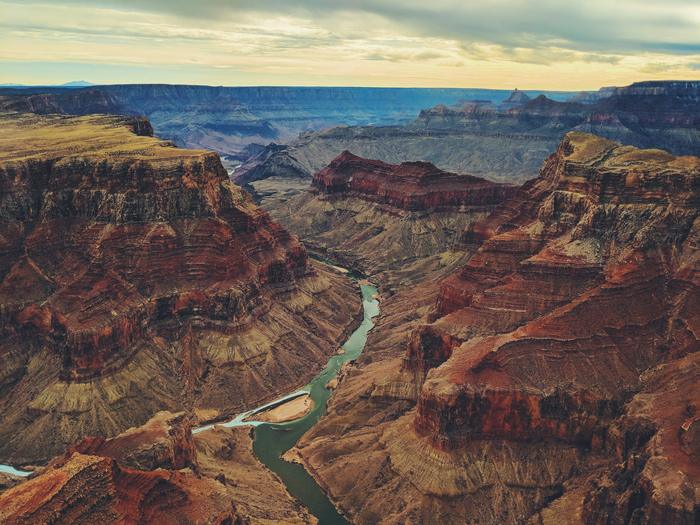
United States
A continent pretending to be a country — cities, deserts, and the best national parks anywhere.
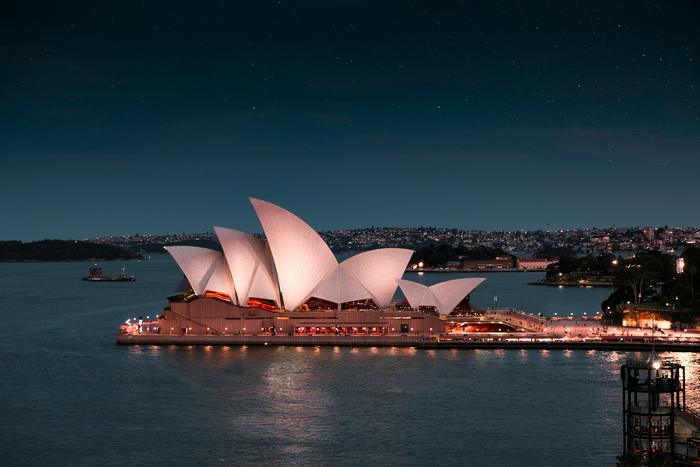
Australia
Vast, varied, relaxed. Reef, Sydney, and proper wilderness in one.
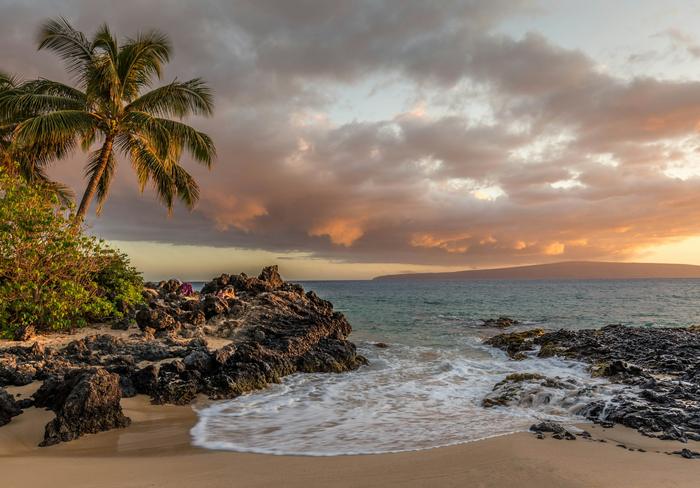
Hawaii
A handful of islands where the landscapes and the ocean genuinely earn the flight.
Not sure where to go
Take the 5-minute quiz
Answer a few honest questions and get matched to destinations that actually fit how you travel.
Start the quiz