Italy doesn't really need a pitch. The food is the best in Europe, the history is the best in the West, and the variety from the Dolomites to Sicily is bigger than people remember. Skip July-August if you can; the country is too good to share with crowds in 38°C heat.
The first-timer route still works: Rome, Florence, Venice by fast train, with Tuscany folded in. Better: pick two bases and slow down. Days organize themselves around food — espresso standing at the bar, a long lunch, an evening passeggiata before dinner at nine. Trenitalia and Italo make the big cities cheap and easy to link; the money goes to rooms in the famous centers and to the Uffizi and Colosseum bookings you should have made weeks ago.
The honest part: Venice, Florence, and the Amalfi Coast in summer are among the most crowded places in Europe, timed entries and queues included, and August adds heat and shuttered restaurants. Anywhere within sight of a major monument, the food turns reliably mediocre. If you want spontaneity in peak season, you'll lose. But walk ten minutes off any famous piazza and Italy reverts to itself — and even a fifth visit turns up a region you somehow missed.
Highlights
-
Rome
Ancient sites layered under a working city.
-
Florence & Tuscany
The Renaissance city plus rolling wine country.
-
Amalfi & Puglia
South of Rome — coast, simpler food, stronger sun.
-
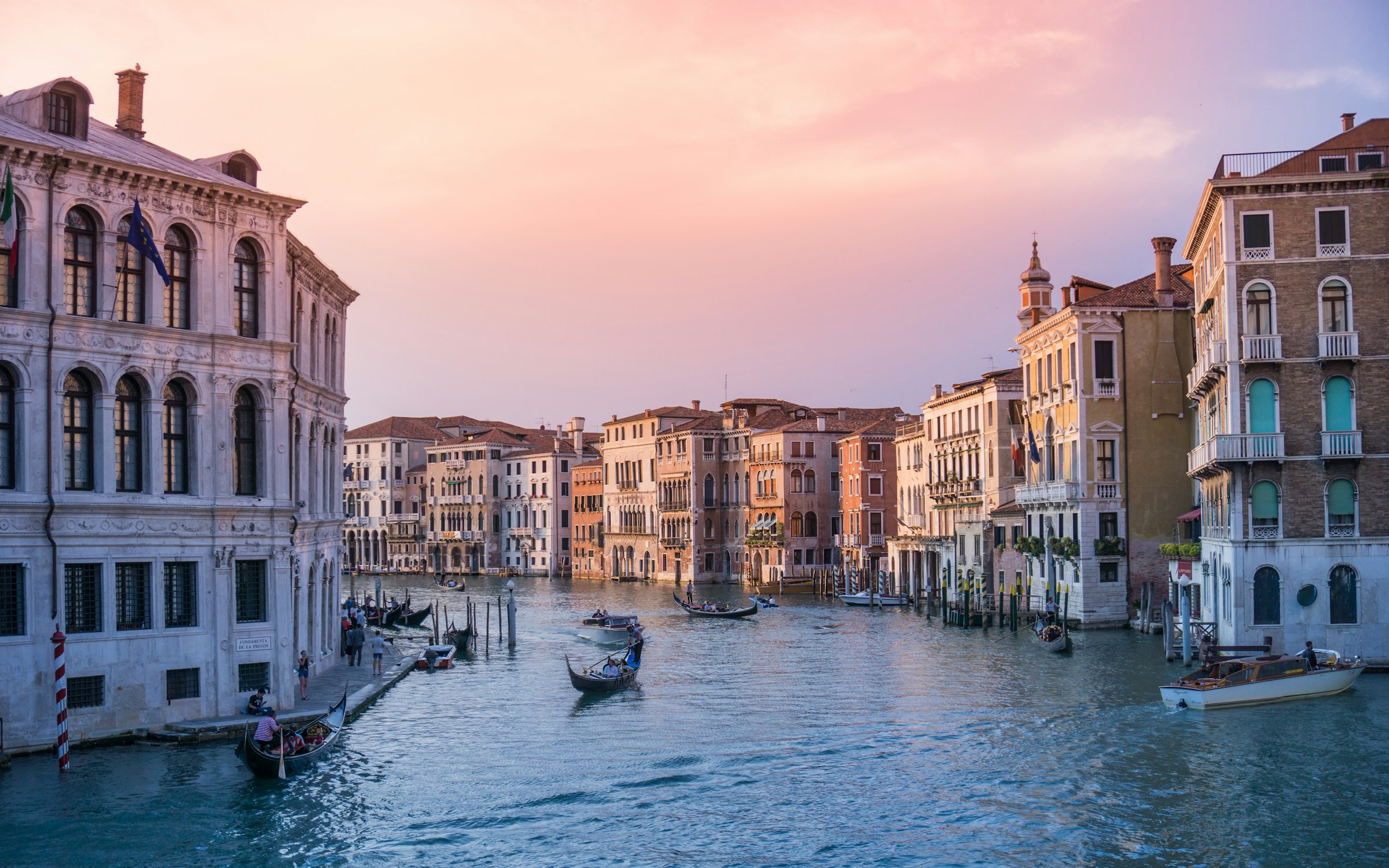
Venice
Best off-season. Get up early.
-
The Dolomites
Northern alpine region — hiking summer, skiing winter.
Practical info
- Visa
- Schengen — visa-free for most Western passports (90 days).
- Currency
- EUR (€)
- Language
- Italian. English in cities and tourism, less in the south.
- Safety
- Very safe. Pickpocketing in Rome, Naples, Florence.
- Getting around
- Trenitalia and Italo trains are excellent. Drive for Tuscany or the south.
- Tap water
- Tap water safe and good.
- Plug type
- Type C Type F Type L 230V
- Money
- Cards widely accepted; cash for small bars and family-run trattorias.
General guidance — visas, safety, and health change, so check your government's travel advisory and the official sources before you go.
Common questions
- Do you need a car in Italy?
- No for the city circuit — the high-speed trains link Rome, Florence, Venice, Milan and Naples fast and cheap (Rome–Florence about 90 minutes), and the historic centres are walkable and often car-restricted. A car earns its keep only for the countryside: Tuscany, Puglia, the Dolomites. In cities, don’t drive into the ZTL limited-traffic zones — cameras fine you automatically.
- Do you have to book Italy’s big sights in advance?
- Increasingly, yes — this is the defining planning fact. The Colosseum, the Vatican Museums, Florence’s Uffizi and Accademia (Michelangelo’s David) and Pompeii all use timed, often nominative tickets that sell out in season, and Milan’s Last Supper books out months ahead. Book directly through the official sites well before you travel, and avoid the reseller scams.
- Is there still a Venice entry fee?
- Not right now. Venice trialled a day-tripper access fee on peak days in 2024–2026, but the trial ended on 27 July 2026 and it is currently suspended. It may return, so check before a 2027 peak-season day trip — but as of now there’s no charge to enter.
- Is Italy cheaper or pricier than Greece?
- Pricier in the marquee spots — Venice, Florence, the Amalfi Coast, Lake Como run well above Greece — but the gap narrows in the south, where Naples and Puglia are genuinely cheap. Food is great value throughout: a Naples margherita is €5–8, and drinks are cheaper standing at the bar than seated. See our full comparison.
- When is the best time to visit Italy?
- April–June and September–October — warm, and either side of the July–August heat and crowds. Avoid mid-August around Ferragosto (the 15th), when Italians take their own holidays and many city restaurants and shops shut. Winter is quiet and fine for the art cities, since the great museums are indoors.
The trains
Do it by train — and validate the regional ones
Italy’s cities are a fast-rail network you glide between; the car is for the countryside, not the circuit.
The high-speed network — Trenitalia’s Frecciarossa and its competitor Italo — links the great cities fast and, booked ahead, cheaply: Rome to Florence in about 90 minutes, Rome to Naples in 70, Rome to Milan in three hours. You genuinely don’t need a car for the classic city circuit; a car is for Tuscany’s hill towns, Puglia and the Dolomites. Two cautions: on the slower regional trains you must validate a paper ticket before boarding or risk a fine, and rail strikes are a recurring, usually pre-announced disruption. In the cities, the trap is the ZTL — the limited-traffic zone in historic centres, where automatic cameras fine you and the notice reaches your rental company months later.
Booking the sights
You cannot just turn up any more
The single biggest change to an Italy trip: nearly everything worth seeing is now timed and pre-booked.
Plan the marquee sights weeks ahead, not on the day. The Colosseum uses timed, nominative tickets (around €18 for the combined Forum-and-Palatine ticket); the Vatican Museums and Sistine Chapel draw huge queues without a booking; Florence’s Uffizi requires a reservation (€25 same-day, €29 in advance) and the Accademia for Michelangelo’s David books out; and Pompeii now runs a daily cap of 20,000 nominative tickets with timed slots. The extreme case is Milan’s Last Supper, which sells out months ahead. Book through the official sites — and steer clear of the reseller sites that pad the price or sell fakes.
Cities & regions
A whole civilisation, city by city
This is the deepest, most varied country in Europe — and each piece is a different trip.
The classic circuit is Rome (ancient core plus the Vatican, three full days), Florence (the compact Renaissance capital and the base for Tuscany) and Venice (unique, car-free, overtouristed). Around them: Naples — grittier, cheaper, the pizza birthplace and the base for Pompeii and the coast; the Amalfi Coast, beautiful and expensive, best done by SITA bus and ferry rather than fighting its cliff road for parking; the car-free Cinque Terre, five villages linked by a little train and coastal trails on a paid park card; Tuscany, Puglia’s trulli and the Dolomites, all of which want a car; and Lake Como, luxurious and increasingly queued at the ferry piers.
The point of the map is that these are different holidays, not stops on one loop. A first trip is usually the Rome–Florence–Venice triangle by train; the south and the countryside are their own returns.
Good to know
The coperto, the nasoni, and live EU borders
A few practical footnotes — including one charge that isn’t the scam it looks like.
Italy is Schengen and eurozone. The coperto — a per-person cover charge of about €1.50–3 added to a restaurant bill — is normal and legal (the idea that it’s banned in Rome is a myth); what to avoid is the tourist-menu boards near the big sights. Tap water is safe, and Rome has some 2,500 free nasoni drinking fountains, so carry a bottle. English is variable — better in the north and in tourist venues, thinner in the south — and dining is late. On borders: the EU’s biometric Entry/Exit System is now in force (fingerprint-and-photo on arrival), while the separate ETIAS authorisation is not yet required — it’s due in 2027.
Sources
Where this comes from
The detail above was read off primary sources on — operator timetables, municipal ordinances, regional tourism boards, national statistics offices and first-hand traveller reports, rather than other travel articles. Researched and maintained by Dmitrii Romashchin — how we research.
Compare Italy with
If you like Italy, also consider
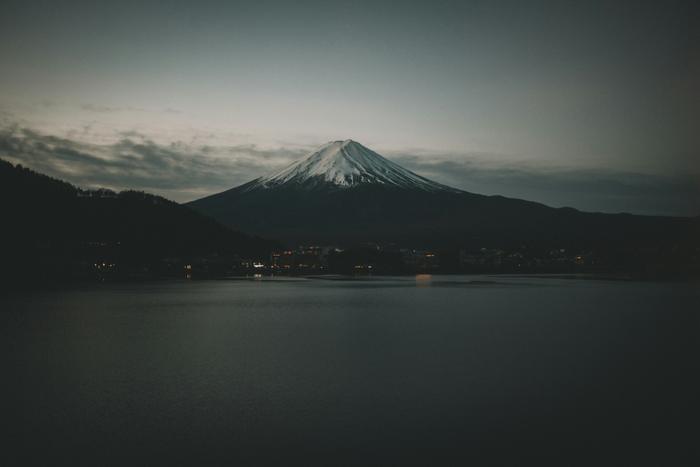
Japan
Extraordinary food, culture, and cities. Nothing quite prepares you for it.
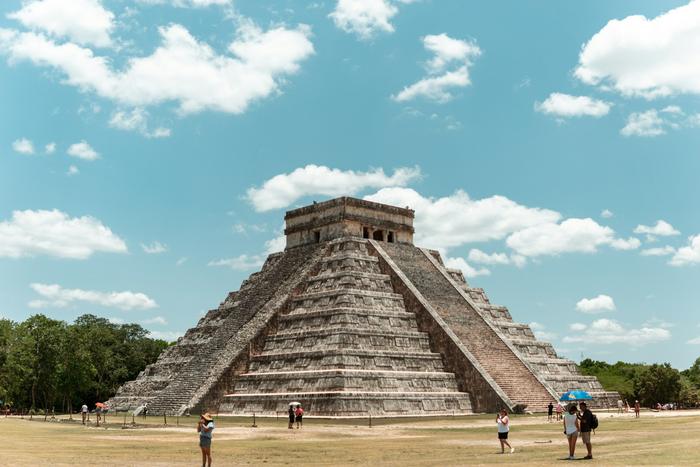
Mexico
Mexico City is world-class. Add the coast, ruins, and food culture.
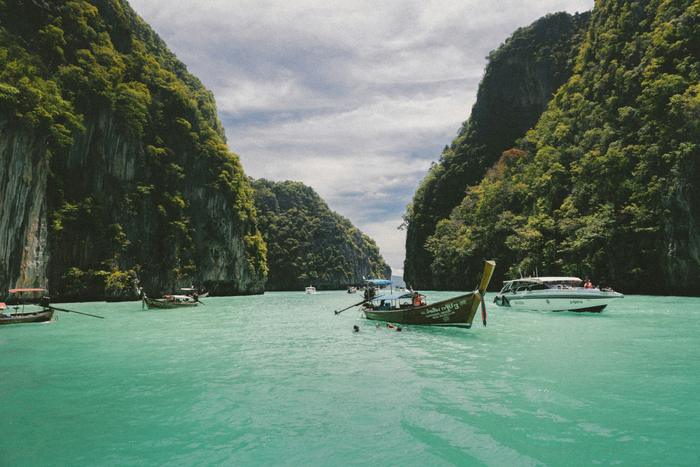
Thailand
The complete package for warm-climate travel.
Not sure where to go
Take the 5-minute quiz
Answer a few honest questions and get matched to destinations that actually fit how you travel.
Start the quiz