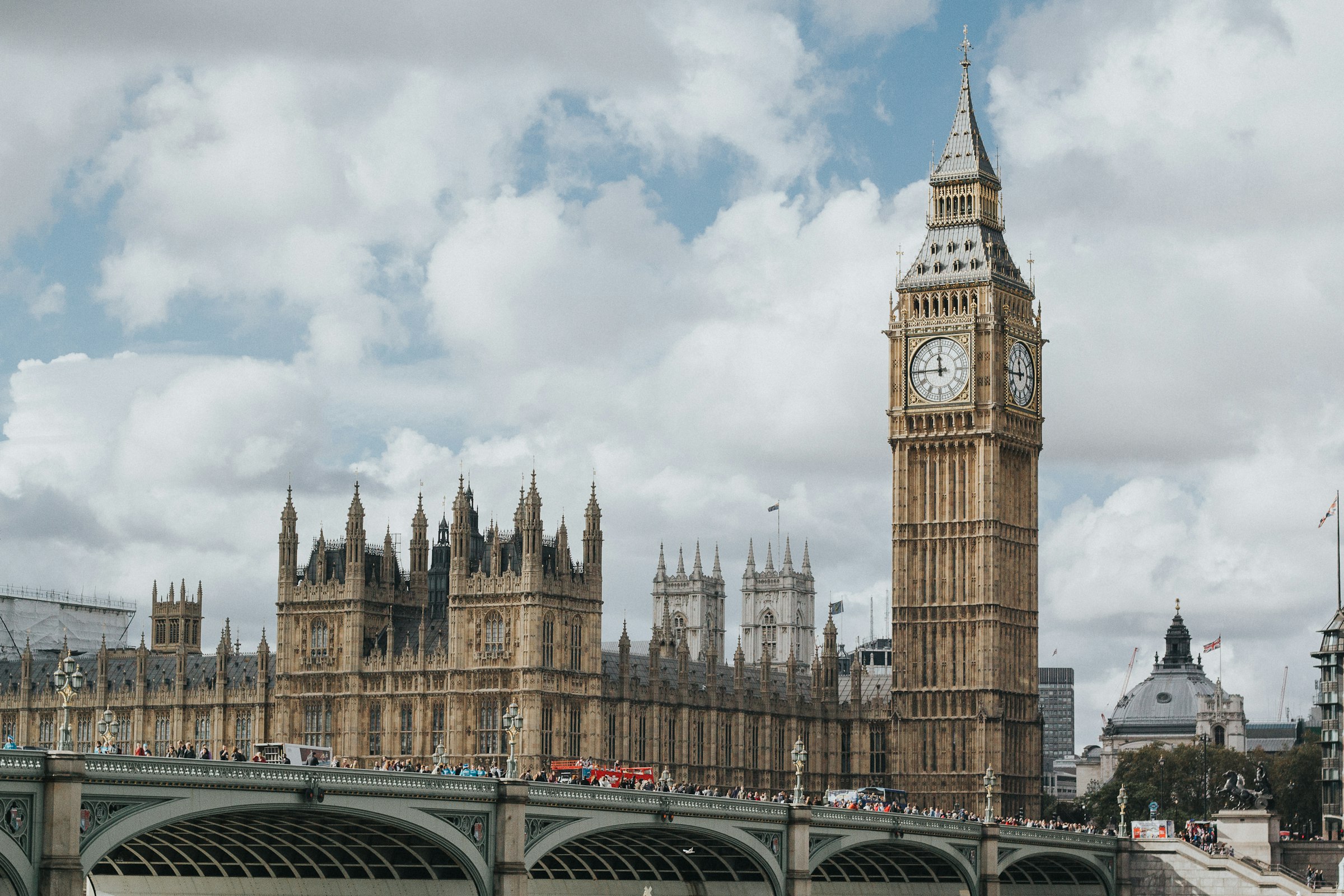
United Kingdom
London, then the parts most visitors skip — Scotland, Wales, and the coast.
The UK is more varied than a London-only trip suggests. The capital is one of the world's great cities, but the country opens up north and west: the Scottish Highlands, the Lake District, the Welsh coast, and small cities like Edinburgh and Bath that punch far above their size. The weather is the standing joke and the genuine catch. Late spring through early autumn is the window.
London earns four or five days without trying: free national museums, Borough Market grazing, a West End play, and long walks between neighbourhoods that feel like separate cities. Then take the train out — Bath or York in under two hours, Edinburgh in four and a half — and rent a car only when you head for the Highlands or Cornwall. London hotels and walk-up train fares are where the money disappears; book both ahead and the whole country gets cheaper.
The weather is not a joke, it's a planning constraint: a grey, drizzly week is possible in any month, July included. London prices rival New York's, last-minute rail fares sting, and rural Sundays can still shut a town down. If your trip depends on sunshine, book elsewhere or accept the gamble. What you get instead is density — two thousand years of visible history, the world's best pubs, and four countries on one compact island.
Highlights
-
London
One of the world's great cities. Museums are free; the pubs are not.
-
Scottish Highlands
Lochs, glens, and Edinburgh as the gateway. Empty and dramatic.
-
The Lake District
England's walking country — fells, lakes, and stone villages.
-
Bath & the Cotswolds
Georgian architecture and the prettiest countryside in England.
-
Cornwall
Surf, cliffs, and the coast the British keep for themselves.
Practical info
- Visa
- Visa-free for most Western passports (up to 6 months). An ETA may apply — verify before travel.
- Currency
- GBP (£)
- Language
- English.
- Safety
- Very safe. Standard city precautions.
- Getting around
- Trains link the cities (book ahead for fares); a car is best for the Highlands and rural areas.
- Tap water
- Tap water safe.
- Plug type
- Type G 230V
- Money
- Cards and contactless accepted nearly everywhere; cash rarely needed.
General guidance — visas, safety, and health change, so check your government's travel advisory and the official sources before you go.
Common questions
- Do I need a UK ETA, and what does it cost?
- Almost certainly yes, if you’re a non-visa national. The UK’s Electronic Travel Authorisation is now required of visitors from the US, Canada, Australia, the Gulf and — since April 2025 — Europe, and it costs £20 (up from £16). It is not a visa: it’s advance permission linked to your passport, valid two years for multiple trips of up to six months, usually granted within a day. Apply only through the official UK ETA app or GOV.UK — imitation sites charge more and can’t speed it up. British and Irish citizens, and anyone with UK status, are exempt. See the ETA section.
- Does the ETA cover all four nations, including Northern Ireland?
- Yes — one UK-wide scheme covers England, Scotland, Wales and Northern Ireland (plus the Channel Islands and Isle of Man); there is no separate Scottish or Welsh authorisation. One wrinkle: under the Common Travel Area there are no checks on the open land border between the Republic of Ireland and Northern Ireland, but a visa-exempt visitor still needs an ETA to be in Northern Ireland. The Republic is a separate country with its own (ETA-free) rules.
- When is the best time to visit the UK?
- May, June and September are the sweet spots — drier, quieter, with long days. Summer (June–August) is warmest and has the longest light (Scotland gets ~17-hour days near midsummer) but the weather is unreliable. Two summer caveats: the Highland midge swarms the Scottish west and Highlands from late May to September, worst July–August; and Edinburgh in August is packed and pricey for the Festival Fringe. The whole calendar is in the seasonal section.
- How does getting around the UK work?
- Between cities the train is usually best — extensive but pricey, with Advance tickets (fixed train, booked ahead) far cheaper than walk-up fares, and a £35 Railcard knocking about a third off if you qualify. In London, just tap in and out with a contactless card or phone (or Oyster): pay-as-you-go caps your spend daily and weekly. A hire car earns its keep for the Highlands, Lake District, Cotswolds and Cornwall, but is a liability in cities. Remember you drive on the left.
- Which sights must be booked — and what’s free?
- Book timed slots ahead for Edinburgh Castle (it sells out), Stonehenge, the Tower of London and Windsor, and essentially mandatory weeks ahead for the Harry Potter Studio Tour (no door sales). The flip side is a genuine bargain: the UK’s great national museums are free — the British Museum, the National Gallery, the Tate galleries, the V&A and the Natural History Museum among them. The booking section has prices.
- Is there a tourist tax in the UK?
- It’s new and local, not national. Edinburgh introduces Scotland’s first 5% visitor levy on accommodation from 24 July 2026 (capped at five nights); Glasgow and the Highlands are preparing their own, and Wales has legislated a per-night levy for 2027. England has no national tourist tax, though a few cities (Manchester, Liverpool) add a small hotel charge of about £1 a night. See prices & levies.
The ETA
The authorisation nearly every visitor now needs
The one thing to sort before you fly: the UK’s ETA is now required of all non-visa nationals, Europeans included — and the UK is not in Schengen.
The change that reshaped UK entry: the Electronic Travel Authorisation is now in force for essentially all non-visa visitors. US, Canadian, Australian and Gulf travellers need one, and European (EU/EEA) nationals have required it since April 2025. It costs £20, is linked to your passport, and is valid for two years and multiple visits of up to six months — but it is explicitly not a visa and does not guarantee entry. Your passport only needs to be valid for the length of your stay; there is no Schengen-style "three months beyond departure" rule here.
Apply only through the official UK ETA app or GOV.UK: lookalike sites charge more and can’t get you a faster decision, which usually arrives within a day. It is a single scheme for all four UK nations plus the Crown Dependencies. British and Irish citizens, and anyone already holding UK status, are exempt. And don’t confuse it with the EU’s separate EES and ETIAS — those are Continental systems that do not apply to the UK.
The Common Travel Area quirk catches people: there are no immigration checks on the open land border between the Republic of Ireland and Northern Ireland, but a visa-exempt visitor still needs a UK ETA to be in Northern Ireland — the open border does not waive it. Sort the ETA before you fly, not at the airport.
Booking the sights
Timed tickets for the headliners — and the museums are free
The famous castles and monuments sell timed slots that go ahead of the day; the great national museums cost nothing.
The paid headliners run on timed entry, booked online. Edinburgh Castle in particular sells out and has no gate tickets once the online slots are gone; Stonehenge, the Tower of London and Windsor all reward booking ahead, and the Warner Bros. Studio Tour (the Harry Potter sets) has no door sales at all — book it weeks out. Set against that is one of the UK’s best features for visitors: the national museums are free to enter, permanent collections and all, for residents and overseas visitors alike.
| Sight | Book? | 2026 adult | Note |
|---|---|---|---|
| Edinburgh Castle | Yes — timed | £23.50 online | Sells out; dearer (£26) at the gate if any left |
| Tower of London | Advised | ~£37 | Advance timed slot skips the queue |
| Stonehenge | Yes — timed | ~£27 online | About 15% under the £32 gate price |
| Windsor Castle | Advised | £32 advance | £36 on the day; timed admission |
| Buckingham Palace | Summer only | £33 | State Rooms 9 Jul – 27 Sep 2026; timed |
| Harry Potter Studio Tour | Essential | ~£56 | No door sales; book a month-plus ahead |
Prices read off the official ticketing sites in October 2026; set annually, so re-check. Free national museums include the British Museum, the National Gallery, Tate Modern and Britain, the V&A, the Natural History and Science Museums and the National Portrait Gallery.
The free museums are the move on a wet afternoon and on a budget — but the blockbuster special exhibitions inside them are ticketed and often sell out, so book those ahead too. Many also ask for a free timed admission slot in peak season even for the free permanent collections.
Prices & levies
A pricey country — and now with city visitor levies
The UK is expensive, London most of all, and 2026 adds a new line to the hotel bill in Scotland.
5% Edinburgh’s new visitor levy on your room, from 24 July 2026
Set expectations on cost: the UK — London above all — is among Europe’s pricier destinations for accommodation, transport and paid attractions, which makes the free museums and the Advance-fare rail tricks worth leaning on. The currency is the pound sterling, not the euro; cards and contactless work everywhere, and Scottish and Northern Irish banknotes are legal and valid even if an English till occasionally hesitates over them.
The 2026 change to watch is the visitor levy. Edinburgh’s 5% charge is the first of several — a per-room, per-night cost on top of the rate, billed by the accommodation — so on a city break in Scotland, factor it in. It is still absent in England and does not arrive in Wales until 2027.
Where to go
Four nations, and far more range than the size suggests
World cities, an extraordinary density of history, and wildly varied countryside — all close enough to string together. Pick a region to its gateway.
A fortnight can combine several of these — the distances are short and the rail and road links good. The classic first trip pairs London (a multi-day city in itself) with Scotland — Edinburgh, the Highlands and the Isle of Skye or the North Coast 500 touring loop from Inverness — and threads the set-pieces of the south (Bath, Stonehenge, the Cotswolds) in between.
| Region | Suits | Gateway |
|---|---|---|
| London & the South East | First-timers — museums, theatre, history and day-trips, much of it free | Heathrow (LHR) / Gatwick (LGW) |
| The South West | Coast and country — Cornwall’s beaches, Georgian Bath, the Jurassic Coast | Bristol (BRS) / Exeter (EXT) |
| The Cotswolds | Quintessential-England touring — honey-stone villages, gardens, Oxford nearby | London / Birmingham (BHX) |
| Yorkshire & the North East | History-plus-hiking on a budget — walled York, the Dales and Moors, Durham | Leeds Bradford (LBA) / Newcastle (NCL) |
| The Lake District | Hiking and scenery — lakes, fells and Wordsworth country | Manchester (MAN) |
| Wales | Mountains and castles — Eryri (Snowdonia), the coast, Cardiff | Cardiff (CWL) / Bristol |
| Scotland | Epic landscapes and road-trips — Edinburgh, the Highlands, Skye, whisky | Edinburgh (EDI) / Glasgow (GLA) / Inverness (INV) |
| Northern Ireland | The basalt Causeway Coast, Belfast and Game-of-Thrones country | Belfast (BFS / BHD) |
| Stonehenge & Wessex | Ancient history — the stones, Avebury, Salisbury and the chalk downs | London / Bristol |
Trains, Tube & driving
Pricey trains booked right, tap-and-go cities, left-hand driving
Rail links the country well if you book ahead; cities run on contactless; a car is for the countryside only.
⅓ off what a £35 Railcard saves on most rail fares
| Getting around | Cost | Note |
|---|---|---|
| Intercity rail (Advance) | cheapest booked ahead | Walk-up fares are dear; a £35 Railcard = ⅓ off |
| London bus single | £1.75 | Daily cap £5.25; tap contactless or Oyster |
| London Tube (Zones 1–2) | £3.10–£3.60 | Daily cap £8.90; weekly cap £44.70 |
| Heathrow → central London | £5–£26 | Piccadilly/Elizabeth line cheap; Heathrow Express fastest |
| London Congestion Charge | £18/day | Plus £12.50 ULEZ for older cars — reason not to drive in |
TfL and National Rail fares, 2026. Foreign contactless cards earn the same daily and weekly caps as an Oyster — just tap in and out; there is no need to buy a Travelcard.
A hire car is genuinely useful for the Highlands, Lake District, Cotswolds, Cornwall and the North Coast 500 — and a hindrance in London and the big cities, where the £18 congestion charge, the £12.50 ULEZ and scarce, costly parking make public transport the better call. Glasgow, Edinburgh, Dundee and Aberdeen now enforce their own low-emission zones too. And the universal reminder: you drive on the left.
When to go
Long summer days, soft weather, and two summer traps
The shoulder months are the sweet spot; summer is longest and liveliest but brings midges and a sold-out Edinburgh.
Crimson bars are the traps — midges in the Highlands, and Edinburgh’s sold-out, pricey August. Note Glastonbury takes a fallow year in 2026 (it returns in June 2027). Other fixed dates: Wimbledon 29 Jun–12 Jul, Notting Hill Carnival 30–31 Aug, Chelsea Flower Show 19–23 May, Bonfire Night 5 Nov.
Come in May, June or September for the drier, quieter weather and still-long days — or in summer (June–August) for the warmest temperatures and the longest light (Scotland gets roughly 17-hour days near midsummer), accepting that the weather is changeable in every season and there are no truly dry months. Pack layers and a waterproof whenever you come.
Two summer traps are worth planning around. The Highland midge — a tiny biting insect — swarms the Scottish west coast and Highlands from late May to September, worst in July and August and at dawn and dusk in still, humid air; bring repellent if you’re camping or hiking there. And Edinburgh in August hosts the Festival Fringe (7–31 August in 2026), the world’s largest arts festival: magical, but the city is heaving and accommodation prices spike, so either book far ahead or come another month. One date not to plan around: Glastonbury takes a fallow year in 2026. The late-May and late-August bank-holiday Mondays are busy domestic-travel weekends.
Beating the crowds
For every honeypot, a quieter twin
The famous names draw the coaches — and the better version is often a short hop away, and sometimes free.
The UK’s honeypots concentrate the crowds, so trade down a rung and the experience usually improves:
- Stonehenge is roped-off and timedSkipviewing the stones from behind a cordGoAvebury, 25 miles north — a bigger stone circle you walk right among, and free
- Edinburgh is heaving in AugustSkipFringe-month prices and crowdsGoanother month entirely, or basing in Glasgow — grittier, cheaper, a half-hour by train
- The Cotswold honeypots are jammedSkipmidday Bibury and Bourton-on-the-WaterGoStow-on-the-Wold, the Slaughters at dawn, or the quieter northern Cotswolds
- The Isle of Skye is at breaking pointSkipthe parking crush at the famous spotsGoGlencoe, the North Coast 500, or the Isle of Mull — just as dramatic, far less strained
- The Lake District fills upSkipWindermere and Bowness in peak seasonGoButtermere, Wasdale or Ennerdale — the quiet valleys the day-trippers miss
In London the real move is free: the national museums (the British Museum, the National Gallery, the V&A, the Natural History Museum, the Tates) and the royal parks absorb an afternoon for nothing, while the paid attractions queue and charge. Save the ticket money for one or two headliners and spend the rest of the time free.
Good to know
Queue, order at the bar, and stand on the right
The small social rules the British take seriously — get them right and the place runs smoothly.
Two rules above all. Queue, and never jump one — it is a genuine social offence here. And in a traditional pub, you order and pay at the bar (there is usually no table service), you buy "rounds" for your group, and you don’t tip for drinks at the bar; "last orders" and "time" are called near closing. On the escalator, stand on the right and leave the left clear for walkers, and when crossing a road remember traffic comes from the other side — "look right" is painted at many London crossings because you drive and walk on the left.
Tipping is lower-key than in the US: around 10–12.5% for good restaurant service, but check the bill first — a "discretionary service charge" (often 12.5%) is frequently already added, it is optional, and you can ask for it removed, so you don’t double-tip. Taxis get rounded up; pubs get nothing extra. A couple of practicalities: large shops open only about six hours on Sundays (small shops are unrestricted), and the weather is a national conversation-opener — "cheers" means thanks as often as goodbye.
The UK is generally very safe for visitors, with low violent-crime risk. The main nuisances are pickpocketing and moped- or bike-based phone-snatching in central London tourist areas — keep your phone in hand firmly and away from the kerb, and your bag zipped. Elsewhere the risk is low.
Compare United Kingdom
If you like United Kingdom, also consider

Greece
Ruins in the morning, a swim by noon, taverna until dark.

Japan
Extraordinary food, culture, and cities. Nothing quite prepares you for it.
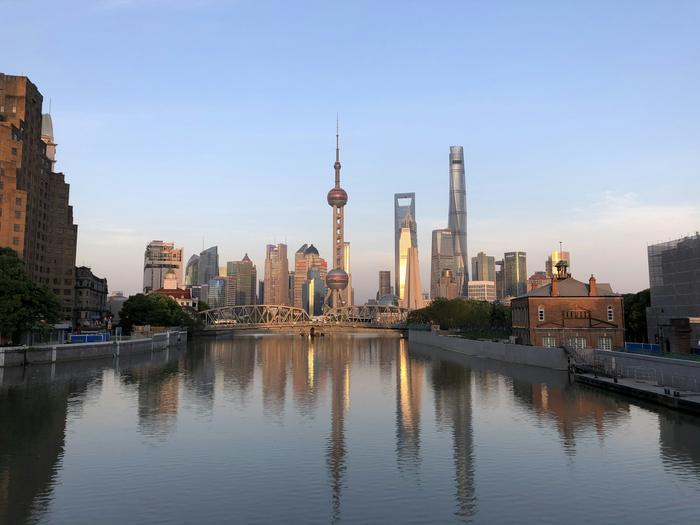
China
Ancient history and hypermodern cities at a scale that's hard to grasp until you're there.
India
Overwhelming, beautiful, and utterly unlike anywhere else.
Not sure where to go
Take the 5-minute quiz
Answer a few honest questions and get matched to destinations that actually fit how you travel.
Start the quiz