Croatia
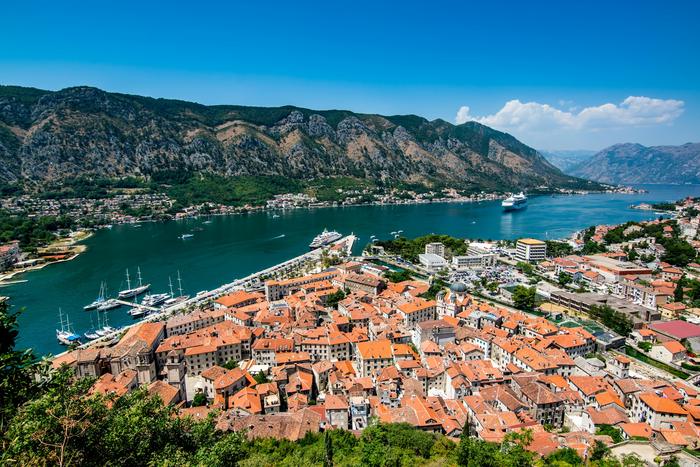
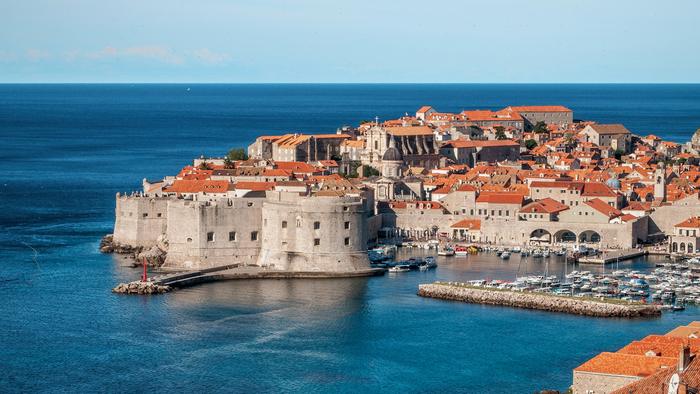
Dubrovnik, the Adriatic coast, ancient cities. Compact and beautiful.
- January: avoid
- February: avoid
- March: fine
- April: fine
- May: peak
- June: peak
- July: fine
- August: avoid
- September: peak
- October: peak
- November: avoid
- December: avoid
Two Mediterranean coast-and-island holidays with different shapes. Croatia is a long Adriatic coastline of walled historic towns and islands you ferry between, with national parks inland. Sardinia is one big Italian island you drive, built around some of the clearest water in the Mediterranean — beaches you increasingly book in advance.
Dubrovnik, the Adriatic coast, ancient cities. Compact and beautiful.
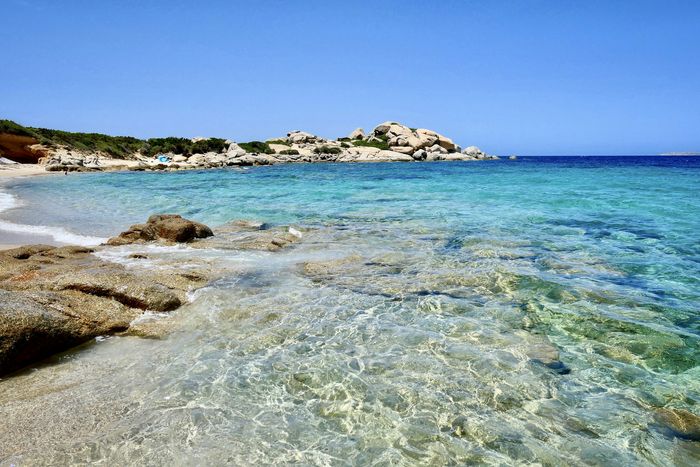
The Mediterranean’s best beaches, wrapped around a wild, ancient interior most visitors never see.
Read our full guides about Croatia and Sardinia.
Emphasised where they differ. Muted rows are much the same either way.
| Croatia | Sardinia | |
|---|---|---|
| Best time | May, June, September, October | May–September |
| Climate | mild | warm |
| Budget | Mid for Europe — the coast and Old Towns carry a premium over the inland | The widest spread in the Med — genuine budget to Costa Smeralda luxury |
| Trip length | 1–3 wks | 1–2 wks |
| Visa | Schengen — visa-free for most Western passports (90 days). | Schengen — visa-free for most Western passports (90 days). |
| Currency | EUR (€) | EUR (€) |
| Language | Croatian. English widely spoken in tourism. | Italian (and Sardinian); English patchy outside resorts. |
| Tap water | Tap water safe. | Tap water safe and good. |
| Safety | Very safe. | Very safe; ordinary precautions only. |
General guidance — visas, safety, and health change, so check your government's travel advisory and the official sources before you go.
The split
Both are Mediterranean coast holidays — but one is towns and islands you ferry between, the other one island built around its beaches.
Croatia is a long Adriatic coastline plus islands: walled historic towns (Dubrovnik, Split and the UNESCO cores), islands you reach by fast catamaran from the mainland hubs, and the Plitvice and Krka waterfall parks inland. You can do much of it car-free, basing in towns and ferrying out. Sardinia is one big island you drive, and its draw is the beaches — some of the clearest water in the Mediterranean, now increasingly rationed with daily caps, per-person fees and a QR code at the famous sands.
The operational detail — Croatia’s park timed-tickets and ferry seasons, Sardinia’s beach-booking windows and where a car is optional — lives on the two guides: Croatia, know before you go and Sardinia, know before you go. This page is the head-to-head.
Beaches vs range
The real trade: Sardinia’s coast is better, Croatia’s holiday is broader.
Sardinia wins the water. Its bays and coves are Caribbean-clear, white-sand and routinely rated among the Med’s best, and the trip is built around them — the price of that fame being that several headline beaches cap daily numbers, charge a fee and check a booking QR at the gate. Croatia wins the range. The swimming is off pebble and rock rather than sand, but you also get walled medieval cities, island-hopping and two of Europe’s most photographed waterfall parks — a more varied holiday that happens to include the sea.
So the question is what you want the week to be. If sand and sea are the holiday, Sardinia is hard to beat — just book the beaches. If you want towns, islands and parks around the swimming, Croatia is the fuller trip.
Who suits which
Same sea, different holidays — the split is range versus the beach itself.
| If you want… | Croatia | Sardinia |
|---|---|---|
| The best beaches and water | Lovely, but pebble/rock, not show-stopping sand | Wins clearly. Among the Med’s finest — but book them |
| Historic towns and sights | Wins clearly. Walled cities, UNESCO cores, parks | Nuraghe aside, not why you go |
| Island-hopping and variety | Wins. Catamarans to whole island groups | One island, done by region |
| A car-free trip | Wins. Buses, ferries, pedestrian Old Towns | Only Cagliari and Alghero; elsewhere you drive |
| Reliable day-to-day value | Edges it. Cheap inland, pricey Old Towns | Widest spread — budget to luxury |
| Genuine luxury on tap | Hvar and the top Dubrovnik hotels | Wins. The Costa Smeralda |
Doing both
Opposite sides of Italy — and each already has a closer partner.
Croatia and Sardinia have no easy direct connection and each fills its own holiday, so pairing them means a long, awkward route for two trips that don’t complement each other. Sardinia’s natural partner is Corsica, 50 minutes by ferry — see Corsica vs Sardinia — while Croatia pairs with its Adriatic neighbours. Pick one and give it the week.
What we leave out
Exact prices beyond the structural comparison — ferry fares, lodging and car hire all move within a season, so the figures here are the shape of the difference, not a quote; the country guides carry the live detail. Two things change year to year in particular: Croatia’s national-park ticket prices and ferry timetables, and Sardinia’s annual beach-booking caps and fees. Check both before you travel.
Which of the two is the better bet for each month of the year, scored on how well the season suits each place.
Paris is only the opening act — wine country, the Alps, and two coastlines.
The ski and alpine benchmark — every other mountain range is measured against this.
Prague earns the crowds. The rest of the country is the bonus.
Geysers, glaciers, northern lights, hot springs.
The best value city in Western Europe.
The most concentrated mountain scenery in Europe — and you'll pay for it.
London, then the parts most visitors skip — Scotland, Wales, and the coast.
The Alps done properly — skiing, hiking, and Vienna for the culture.
Still undecided
Three matches. Often answers comparison questions for you.
Start the quiz