Croatia vs Greece

Two of the Mediterranean’s great coast-and-island trips, and they rhyme — walled stone towns, turquoise water, long warm summers. The split is in the shape: Croatia is one drivable coastline with islands a short ferry away; Greece is a scattered archipelago wrapped around the headline ruins of the ancient world.

Eastern Europe

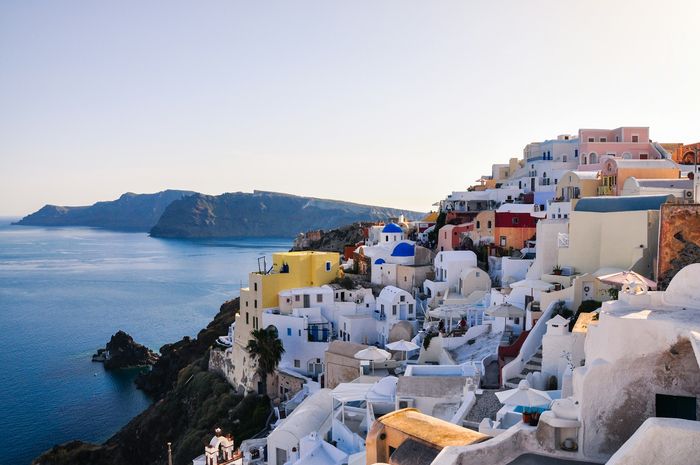
Croatia

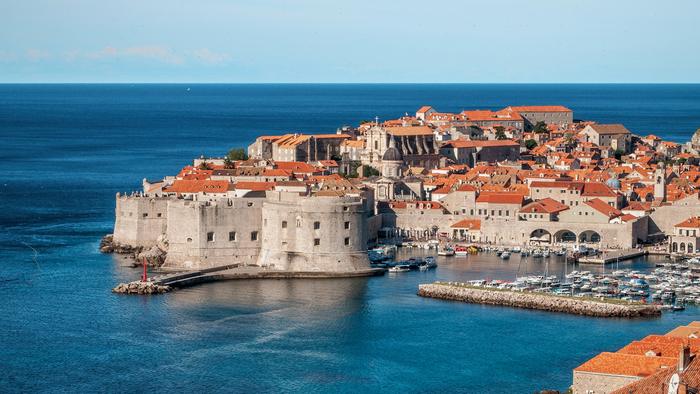
Dubrovnik, the Adriatic coast, ancient cities. Compact and beautiful.

Best time to visit
  1. January: avoid
  2. February: avoid
  3. March: fine
  4. April: fine
  5. May: peak
  6. June: peak
  7. July: fine
  8. August: avoid
  9. September: peak
  10. October: peak
  11. November: avoid
  12. December: avoid
Peak Fine Avoid
Southern Europe

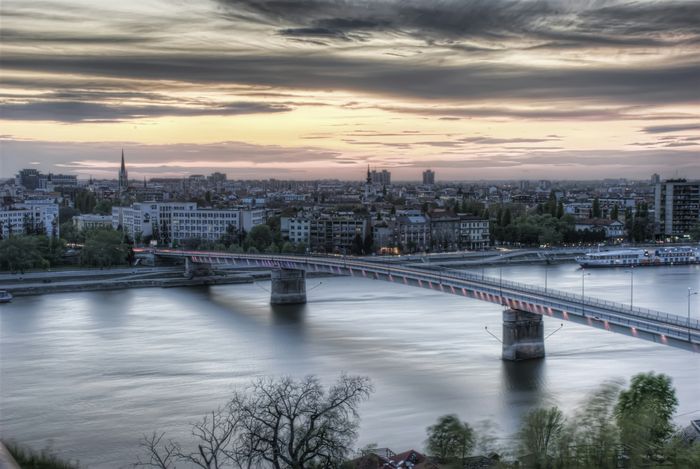
Greece

Ruins in the morning, a swim by noon, taverna until dark.

Best time to visit
  1. January: avoid
  2. February: avoid
  3. March: fine
  4. April: peak
  5. May: peak
  6. June: peak
  7. July: fine
  8. August: avoid
  9. September: peak
  10. October: peak
  11. November: fine
  12. December: avoid
Peak Fine Avoid
Read our full guides about Croatia and Greece.

Side by side

Emphasised where they differ. Muted rows are much the same either way.

Croatia Greece
Best time May, June, September, October April–June, September, October
Climate mild warm
Budget Mid-range — marginally dearer than Greece on the coast; a thin budget tier Mid-range, but with a real backpacker floor — islands, hostels and ferries
Trip length 1–3 wks 1–4 wks
Visa Schengen — visa-free for most Western passports (90 days). Schengen — visa-free for most Western passports (90 days).
Currency EUR (€) EUR (€)
Language Croatian. English widely spoken in tourism. Greek. English widely spoken.
Tap water Tap water safe. Tap water safe in mainland; bottled on smaller islands.
Safety Very safe. Very safe.

General guidance — visas, safety, and health change, so check your government's travel advisory and the official sources before you go.

The split

Drive a coastline, or ferry an archipelago

They rhyme — stone towns, clear water, long summers — but the shape of the trip is opposite.

Coast vs archipelagowhat each really isOne drivable shore with near-islands, or groups spread across open sea
Only Greecehas the headline antiquityAcropolis, Delphi, Olympia — Croatia’s heritage is medieval and Roman, not ancient Greek
~5–10%the honest cost gap — and it’s narrowCroatia marginally dearer on the coast; Greece has the real budget floor

Croatia is one largely continuous Adriatic coastline you can self-drive — Istria down through Split to Dubrovnik — with islands reached on short car-ferries and catamarans, and the draw is walled medieval towns and Roman and Venetian stone. Greece is a dispersed archipelago wrapped around the ruins of the ancient world: longer ferries and inter-island flights between distinct island groups, and the headline sights — the Acropolis, Delphi, Olympia — that Croatia simply doesn’t have.

The operational detail that shapes each — Croatia’s ferry timetables and Dubrovnik’s crowd rules, Greece’s island logistics and cruise tax — lives on the two guides: Croatia, know before you go and Greece, know before you go. This page is the head-to-head.

Who suits which

Who each actually suits

They answer different holidays — so these rarely invert.

If you want…CroatiaGreece
A self-drive coastal road tripWins clearly. One continuous shore, islands a short ferry awayPossible, but the islands pull you onto boats and planes
The ancient world alongside the beachMedieval and Roman, not ancient GreekWins clearly. The Acropolis, Delphi, Olympia
Easy, quick island-hoppingWins. Short hops from Split or DubrovnikMore variety, but longer open-sea crossings
A genuine shoestring tripThin budget tier, higher floorWins. Hostels, cheap ferries, cheap villages
Range and variety of islandsDalmatian islands, similar in feelWins. Cyclades, Ionian, Dodecanese — distinct worlds
Walled old townsWins. Dubrovnik, Split, KorčulaStrong on ancient sites, lighter on walled towns

Doing both

Pair them — but fly, don’t sail

A natural two-part Mediterranean trip, with one logistical catch.

They pair well, and plenty of people asking “which?” can do both — but by air, not sea. There’s no direct ferry between the two; the only boat route runs the long way round via eastern Italy. Athens, though, connects to Split in about an hour and forty, and seasonally to Dubrovnik and Zagreb, so a short flight stitches a Dalmatian coast week to a Greek island-and-Athens one. Both sit inside Schengen, so the two legs draw on the same 90/180-day allowance, and both peak in the same late-May-to-June and September windows — so the calendar helps rather than fights you.

What we leave out

What we deliberately leave out

Exact prices beyond the structural comparison — both are eurozone coasts where hotel and ferry rates move within a season, so the figures here are the shape of the gap, not a quote; the country guides carry the live detail. Two moving items in particular: Greece’s cruise-passenger tax and Dubrovnik’s new advance-booking system for the city walls both change season to season, so check those before you build a trip around a cruise stop or the ramparts.

Croatia or Greece, month by month

Which of the two is the better bet for each month of the year, scored on how well the season suits each place.

Which to choose

Choose Croatia if:

  • You want a self-drive coast — Istria to Split to Dubrovnik — with islands reachable on short car-ferries rather than long open-sea crossings.
  • Walled medieval towns are the draw: Dubrovnik’s ramparts, Split’s Diocletian’s Palace, Korčula.
  • You’d rather one largely continuous shore you can road-trip than pick between far-apart island groups.

Choose Greece if:

  • You want the ancient world — the Acropolis, Delphi, Olympia — alongside the beaches; only Greece has it.
  • You like the idea of island-hopping proper: distinct groups (Cyclades, Ionian, Dodecanese) with their own character.
  • Budget matters — Greece has the genuine backpacker floor Croatia lacks, built on hostels and cheap ferries.

Common questions

Is Croatia or Greece cheaper?
Closer than most people expect — the gap has narrowed to within roughly 5–10%, and on the coast Croatia has actually edged slightly more expensive than Greece at comparable quality. The real difference is the floor: Greece has a genuine backpacker tier — island hostels, cheap ferries, inexpensive mainland villages — while Croatia’s coast has thin budget infrastructure and a higher effective minimum. For a shoestring trip, Greece; at mid-range, they’re much of a muchness.
Do Croatia and Greece use the euro?
Both do. Croatia adopted the euro on 1 January 2023 (the kuna is gone — ignore any older guide that still quotes it); Greece has used it since 2001. So there’s no currency change moving between them, and no money to swap when pairing the two.
Which has better islands, Croatia or Greece?
Different kinds. Croatia’s islands sit close to a continuous coast — short ferry hops from Split or Dubrovnik to Hvar, Brač, Korčula — so you can string several together quickly. Greece’s are spread across open sea in distinct groups, which means longer ferries or inter-island flights but far more variety, from the whitewashed Cyclades to the green Ionian. Croatia for easy hopping; Greece for range.
Can you visit both Croatia and Greece in one trip?
Yes, but by air, not boat. There’s no direct ferry — the only sea route runs the long way via eastern Italy — whereas Athens connects to Split (about 1h40) and seasonally to Dubrovnik and Zagreb by direct flight. Both are in Schengen, so days in each count toward the same 90/180 allowance.
When is the best time to visit Croatia and Greece?
The same window for both: late May–June and September–early October — warm sea, thinner crowds, lower prices. July and August are hot and peak-busy in both. The seasons overlap almost entirely, so a combined trip has no calendar conflict; Greece’s islands just hold their warmth a little later into October.

Still undecided

Take the quiz

Three matches. Often answers comparison questions for you.

Start the quiz