Croatia vs Slovenia

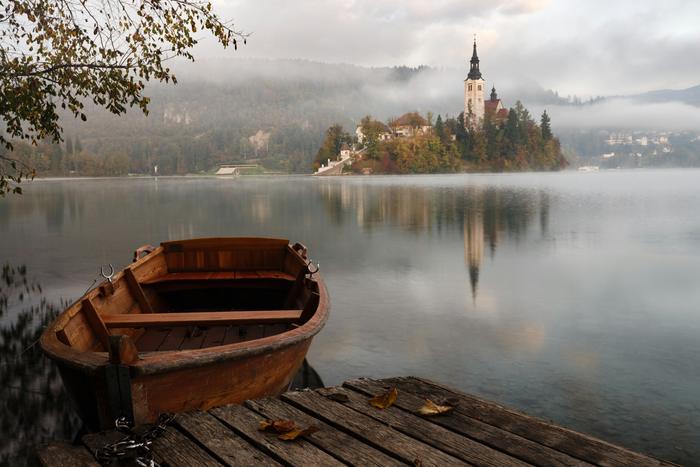
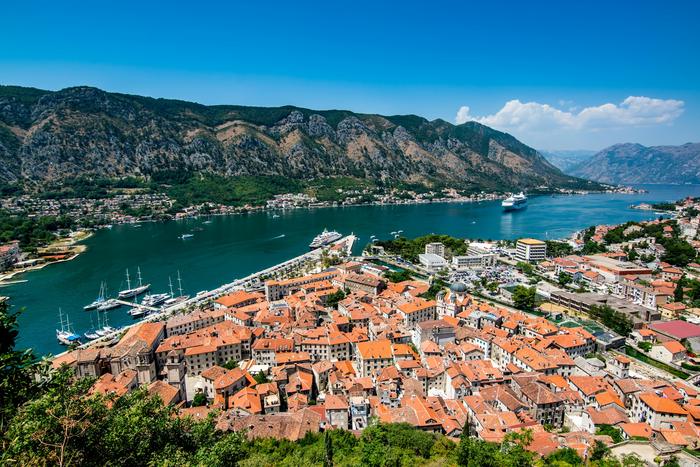
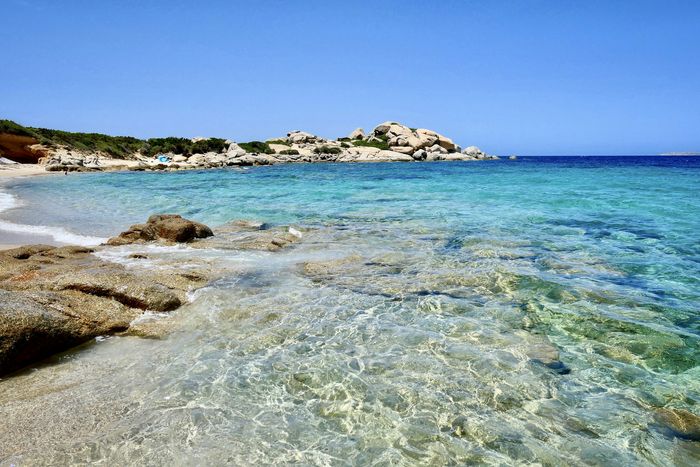
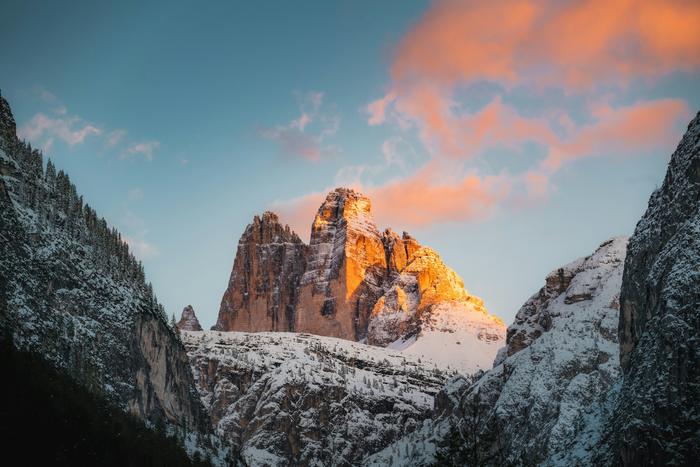
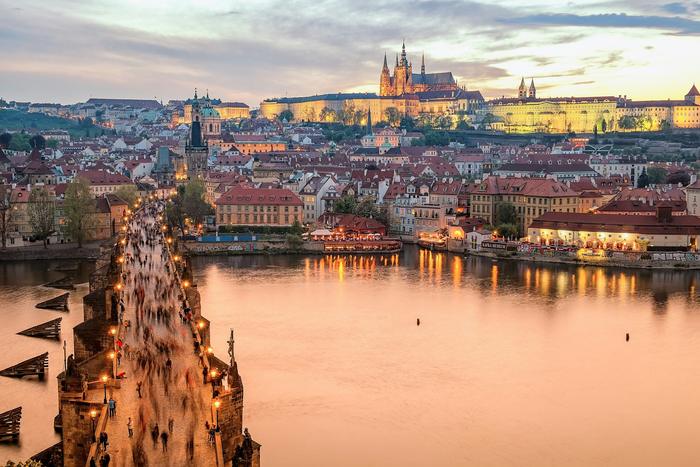
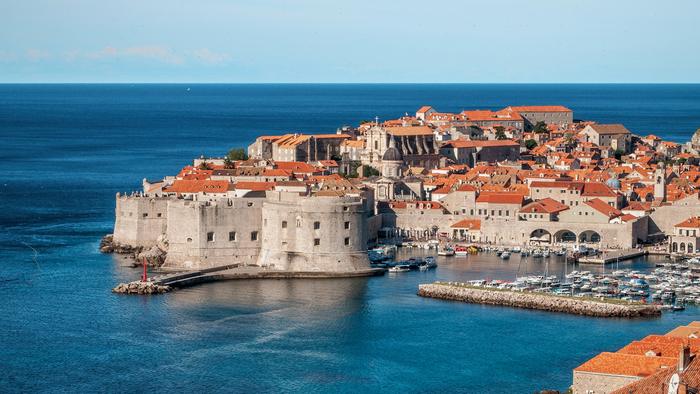
Neighbours that split the map between coast and mountains. Croatia is the long, sun-soaked Adriatic: Dubrovnik and Split, a thousand islands, and a swimming-and-sailing coast that runs for hundreds of miles. Slovenia is the compact green interior next door — Lake Bled, the Julian Alps, the Soča Valley and a green capital — with only a short sliver of that same sea.

Eastern Europe

Croatia

Dubrovnik, the Adriatic coast, ancient cities. Compact and beautiful.

Best time to visit
  1. January: avoid
  2. February: avoid
  3. March: fine
  4. April: fine
  5. May: peak
  6. June: peak
  7. July: fine
  8. August: avoid
  9. September: peak
  10. October: peak
  11. November: avoid
  12. December: avoid
Peak Fine Avoid
Central Europe

Slovenia

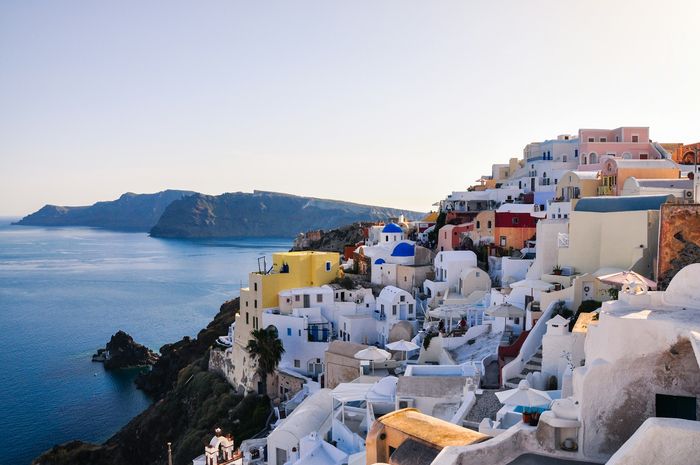
Alps, coast, and a capital you can cross on foot — all in one small country.

Best time to visit
  1. January: fine
  2. February: fine
  3. March: fine
  4. April: fine
  5. May: peak
  6. June: peak
  7. July: fine
  8. August: fine
  9. September: peak
  10. October: fine
  11. November: avoid
  12. December: fine
Peak Fine Avoid

Read our full guides about Croatia and Slovenia.

Side by side

Emphasised where they differ. Muted rows are much the same either way.

Croatia Slovenia
Best time May, June, September, October May, June, September
Climate mild mild
Budget Mid-priced, risen with popularity — the Dalmatian coast in peak summer is dear Mid-priced Central Europe — good value, with Bled the one pricey spot in summer
Trip length 1–3 wks 1–2 wks
Visa Schengen — visa-free for most Western passports (90 days). Schengen area; visa-free for most Western passports (90 days). Verify before travel.
Currency EUR (€) EUR (€).
Language Croatian. English widely spoken in tourism. Slovene. English widely spoken.
Tap water Tap water safe. Tap water safe and excellent.
Safety Very safe. Very safe, with low crime even in the capital.

General guidance — visas, safety, and health change, so check your government's travel advisory and the official sources before you go.

The split

A long coast, or a compact interior

Neighbours split by terrain — one is coast and islands, the other mountains and lakes.

Coast vs mountainswhat each is really forA thousand islands, or Bled, the Alps and the Soča
Long vs compactthe scaleHundreds of miles of shoreline, or a small drive-across country
Summer spikes vs steadythe moneyThe Dalmatian coast peaks hard; Slovenia is steadier

Croatia is the long, sun-soaked Adriatic: Dubrovnik and Split, a thousand islands, and a swimming-and-sailing coast running for hundreds of miles. Slovenia is the compact green interior: Lake Bled, the Julian Alps, the turquoise Soča Valley and a walkable capital, with only a short sliver of the same sea. A long coast, or a mountains-and-lakes sampler.

The operational detail — Croatia’s island ferries and coastal seasons, Slovenia’s e-vignette and timed sights — lives on the two guides: Croatia, know before you go and Slovenia, know before you go. This page is the head-to-head.

Who suits which

Who each actually suits

Coast-and-islands or mountains-and-lakes — so these rarely invert.

If you want…CroatiaSlovenia
Coast, islands and swimmingWins clearly. A thousand islandsA tiny sliver of coast
Alpine lakes and gorgesPlitvice, but not AlpineWins clearly. Bled, the Soča
Historic walled citiesWins. Dubrovnik, SplitCharming but smaller
A compact, outdoorsy weekLong and coastalWins. Drive-across variety
Sailing and island-hoppingWins. Built for itNot here
Quieter, steadier pricesCoast spikes in summerWins. Steadier (bar Bled)

Doing both

Mountains into coast

Neighbours — a natural two-in-one.

They combine as well as any pair in the region: start with Slovenia’s Bled, Ljubljana and the Soča Valley, then drop to Croatia’s coast — Istria is just across the border, with Dalmatia and the islands further south. Both are in Schengen, so combined time draws on the same 90/180 allowance, and both reward the warm shoulder seasons. Buy Slovenia’s e-vignette before its motorways (see its guide), and you have a tidy mountains-then-coast loop.

What we leave out

What we deliberately leave out

Exact prices and the moving pieces — Croatia’s ferry and coastal-season rates, Slovenia’s vignette and ticket prices — change within a season, so the figures here are the shape of the gap, not a quote; the country guides carry the live detail, including the EES/ETIAS border changes that apply to both.

Croatia or Slovenia, month by month

Which of the two is the better bet for each month of the year, scored on how well the season suits each place.

Which to choose

Choose Croatia if:

  • You want coast and islands — Dubrovnik, Split, sailing, warm Adriatic swimming.
  • A long summer coastline and island-hopping are the whole appeal.
  • Beaches and historic walled cities matter more than mountains.

Choose Slovenia if:

  • You want mountains, lakes and gorges — Bled, the Julian Alps, the Soča Valley.
  • A compact, outdoorsy, green interior beats a long beach coast.
  • A varied sampler with a green capital suits you better than island-hopping.

Common questions

Should I combine Croatia and Slovenia?
Very naturally — they’re neighbours, and a classic trip pairs Slovenia’s Lake Bled and Ljubljana with Croatia’s coast (Istria is right across the border, Dubrovnik and the islands further south). Both are in Schengen, so combined time counts toward the same 90/180 allowance, and Slovenia’s mandatory e-vignette is the thing to buy before its motorways (see its guide). Mountains-then-coast is one of the best short pairings in the region.
Which is better for beaches and islands?
Croatia, decisively — it has a long Adriatic coast and over a thousand islands, built for swimming, sailing and island-hopping, with warm, clear water. Slovenia’s coast is barely 30 miles, charming at Piran but tiny by comparison. For a coast-and-islands trip, Croatia; Slovenia’s draw is inland. See the Croatia and Slovenia guides.
Which is better for mountains and nature?
Slovenia, clearly — it’s the compact, green, outdoorsy one, with Lake Bled, the Julian Alps, Triglav and the turquoise Soča Valley all close together. Croatia has mountains and national parks too (Plitvice, Paklenica), but its identity is the coast. Alpine lakes and gorges, or a long sunny shoreline.
Which is better value?
Broadly similar, with timing the key. Both are mid-priced; Croatia’s Dalmatian coast spikes in peak summer, when Dubrovnik and the islands get dear and crowded, while Slovenia stays steadier except for Bled in July–August. Shoulder season flatters both. Neither is a budget destination any longer.

Still undecided

Take the quiz

Three matches. Often answers comparison questions for you.

Start the quiz