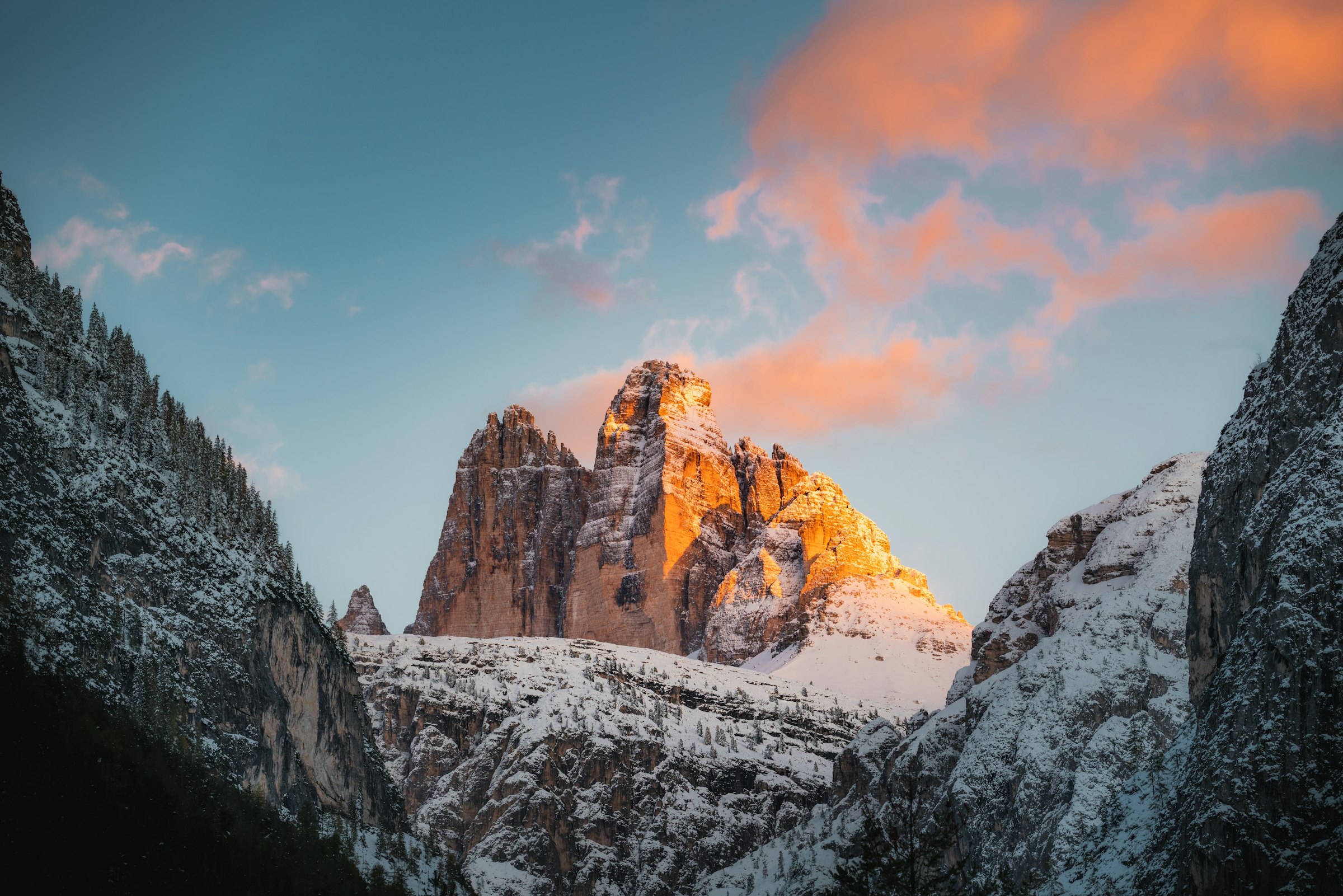
The Alps
The ski and alpine benchmark — every other mountain range is measured against this.
The Alps work as two completely different trips: winter ski-and-après season and summer hike-and-lake season. Switzerland for the most polished version, France and Austria for slightly less expensive equivalents, Italy (the Dolomites) for the most striking scenery and the best food. Two-month dead zones in spring and fall as lifts close.
Pick a valley and stay put — base in Chamonix, Zermatt, or St Anton and the lift system does the rest. Winter days run first-lift to après; summer swaps skis for trails and cable cars, with mountain-hut lunches of rösti and radler. Trains make it easy — Geneva, Zurich, and Innsbruck all feed the resorts within a few hours. The money goes on lift passes, lessons, and on-mountain food; accommodation is the one cost you control by booking early.
It's expensive, and Switzerland is eye-wateringly so — a casual mountain lunch in Zermatt can cost what a proper dinner does elsewhere. New Year and the February school holidays mean lift queues and doubled hotel rates, while spring and autumn are dead zones with lifts shut and villages shuttered. Snow at lower resorts is no longer a sure thing, so go high in early winter. The trade-off: no other range matches this combination of terrain, lift infrastructure, and ease of access.
Highlights
-
Chamonix
France — Mont Blanc, hardcore skiing, alpinist culture.
-
Zermatt & Verbier
Switzerland's polished classics. The Matterhorn never gets old.
-
The Dolomites
Northern Italy — most beautiful range in the Alps. Hike and ski both work.
-
St Anton & Lech
Austrian giants — big mountain skiing with proper après.
Practical info
- Visa
- Schengen — visa-free for most Western passports (90 days).
- Currency
- EUR / CHF depending on country.
- Language
- French, German, Italian, Romansh. English everywhere in resorts.
- Safety
- Very safe. Mountain weather is the real risk — check conditions.
- Getting around
- Trains in the alpine countries are excellent. Hire car helps for villages.
- Tap water
- Tap water safe and excellent.
- Plug type
- Type C Type F Type J 230V
- Money
- Cards everywhere.
General guidance — visas, safety, and health change, so check your government's travel advisory and the official sources before you go.
Common questions
- Do I need a visa for the Alps?
- Most of the Alps is in Schengen (Switzerland is Schengen but not the EU), so US, UK, Canadian and Australian visitors are visa-free 90/180. EES is live; ETIAS is not yet in force (expected 2027). It’s the euro everywhere except Switzerland (Swiss franc). See entry.
- What’s the highest peak, and the icon?
- Mont Blanc (4,808 m) above Chamonix is the highest; the pin-up is the Matterhorn at Zermatt. The Eiger–Jungfrau and the UNESCO Dolomites round out the greatest hits. See the iconic peaks.
- Where should I ski?
- Take your pick: France’s 3 Vallées (the world’s largest linked area) and Val d’Isère, Swiss Verbier/Zermatt/St Moritz, Austrian St Anton/Kitzbühel, or Italy’s Dolomiti Superski — season roughly December–April. See winter.
- Is summer worth it?
- Very — the Alps shift to hiking (the Tour du Mont Blanc, via ferrata), warm-water lakes (Como, Garda, Geneva, Bled), and mountain railways and cable cars, with the high passes open June–September. See summer.
- Which scenic train should I take?
- The Glacier Express (Zermatt–St Moritz) and the Bernina Express over the UNESCO Rhaetian Railway are the two great Swiss journeys. See the great trains.
- How expensive is it?
- Switzerland is very expensive; Austria, Italy and France are more moderate, and Slovenia is usually the best value. Mind the euro-vs-Swiss-franc split. See costs.
Entry
Mostly Schengen — mind the franc
One mountain range, several countries and two currencies.
The Alpine arc spans six countries, but travel between them is seamless: France, Germany, Austria, Italy and Slovenia are EU and Schengen, and Switzerland — though not in the EU — is in Schengen too, so US, UK, Canadian and Australian visitors move freely on a single visa-free 90/180 allowance.
The biometric EES is live at external borders, while ETIAS isn’t yet in force (expected 2027). The one practical wrinkle is money: it’s the euro everywhere except Switzerland, which uses the Swiss franc (roughly at parity).
Crossing between Alpine countries is usually frictionless, but remember Switzerland is on the Swiss franc (and is notably pricier) — carry or card-pay in CHF there. If you’re driving, note that Switzerland, Austria and Slovenia require motorway vignettes, and re-check ETIAS nearer travel since its date keeps moving.
The iconic peaks
Mont Blanc, the Matterhorn and the Dolomites
The greatest-hits mountains — each with its own base.
4,808 m Mont Blanc — the roof of the Alps
The Alps’ headline peaks each come with a famous base town. Mont Blanc, the highest, towers over the mountaineering hub of Chamonix, where the Aiguille du Midi cable car lifts you to a glacier balcony near the summit. The perfect pyramid of the Matterhorn presides over car-free Zermatt.
In the Bernese Oberland, the Eiger, Mönch and Jungfrau wall is crowned by the Jungfraujoch railway station — the "Top of Europe" — while over in Italy the Dolomites offer their own pink-rock, via-ferrata-laced world. Austria’s Tirol and Slovenia’s Julian Alps extend the range east.
| Peak / place | Where | Note |
|---|---|---|
| Mont Blanc (4,808 m) | Chamonix, France | The highest; the Aiguille du Midi cable car |
| Matterhorn | Zermatt, Switzerland | The iconic pyramid on the Italian border |
| Jungfraujoch | Bernese Oberland | Europe’s highest railway station (3,454 m) |
| The Dolomites | Northern Italy | UNESCO — via ferrata and pink-rock drama |
Add Austrian Tirol (Innsbruck, Kitzbühel) and Slovenia’s Julian Alps (Lake Bled, Triglav) to round out the arc.
Winter
The world’s great ski circus
From December to April, the Alps are one giant piste map.
600+ km linked Les 3 Vallées — the world’s largest linked ski area
In winter the Alps become the planet’s premier ski destination, and the hard part is choosing. France offers the sheer scale of the 3 Vallées and Espace Killy; Switzerland the glamour and glaciers of Verbier, Zermatt and St Moritz; Austria the party-and-powder of St Anton and Kitzbühel; and Italy the sunny, scenic Dolomiti Superski.
The season runs roughly December to April, snow-dependent, with the highest, glacier-topped resorts stretching it at either end. Beyond the pistes, the winter Alps offer cross-country skiing, sledding, snowshoeing and spa-and-fondue days — so a trip works even for non-skiers in the group.
Match the resort to your style and budget: Austria and the Italian Dolomites tend to be better value and gentler, Switzerland and the big French areas are pricier and higher. Book around the Dec–Apr season, and note glacier-skiing options for early or late snow — but be aware glacier retreat is steadily shortening summer glacier skiing.
Summer
Hiking, lakes and mountain railways
The warm-season Alps — trails, water and high views.
Come summer, the Alps swap skis for boots. The long-distance treks are legendary — above all the Tour du Mont Blanc, a ~170 km circuit through three countries, and the Chamonix–Zermatt Haute Route — while the Dolomites add their famous via ferrata. For gentler days, the lakes (Como, Garda, Geneva, Bled) offer warm water in a mountain frame.
And you don’t have to climb for the views: cable cars and mountain railways (the Aiguille du Midi, the Jungfraubahn) whisk you high, while the great alpine passes — Stelvio, Grossglockner, Furka — open for spectacular driving and cycling once the snow clears. Summer is also the season of wildflower meadows, mountain huts serving long lunches, and cows with bells on the high pastures — a gentler, greener Alps than the winter postcard.
| Summer draw | What | Note |
|---|---|---|
| Tour du Mont Blanc | The classic ~170 km trek | Through France, Italy and Switzerland |
| The lakes | Como, Garda, Geneva, Bled | Warm-water, mountain-framed |
| Cable cars & railways | Aiguille du Midi, Jungfraubahn | High views without the climb |
| Alpine passes | Stelvio, Grossglockner, Furka | For driving/cycling — open summer only |
Via ferrata — iron-rung protected climbing routes — are a Dolomites speciality for the more adventurous.
The great trains
Scenic rail as the attraction
In the Alps, the train journey is the sightseeing.
Few places make the train itself the headline like the Alps. The Glacier Express links Zermatt and St Moritz over about eight hours of viaducts and passes in panoramic carriages — billed, with a wink, as the world’s slowest express. The Bernina Express climbs over the UNESCO-listed Rhaetian Railway from the Swiss Engadine down to Italian Tirano.
Add the GoldenPass and Gotthard Panorama lines and you can plan an entire trip around scenic rail — a relaxed, car-free way to drink in the mountains. These aren’t merely transport: the carriages have oversized panoramic windows, the routes are engineered to show off viaducts, spirals and passes, and a rail pass turns the whole network into one rolling sightseeing itinerary.
Getting around
Great trains, and passes that close
Superb public transport — especially in Switzerland.
The Alps are ringed by hub airports — Geneva, Zurich, Milan, Munich, Innsbruck, Lyon — and knitted together by excellent rail. Switzerland’s integrated train-and-PostBus network reaches astonishingly far up the valleys, and the Swiss Travel Pass bundles trains, buses, boats and many mountain excursions into one ticket.
If you drive, know that many high alpine passes close in winter (roughly November–May) — tunnels stay open — and that Switzerland, Austria and Slovenia require motorway vignettes. For most Alpine trips, the train is genuinely the better way.
When to go
Two seasons, and the gaps between
Ski or hike — but avoid the mud seasons.
Winter (Dec–Apr) is for skiing; summer (Jun–Sep) for hiking, lakes and open passes. The shoulder "mud seasons" of May and November see many lifts, mountain restaurants and high passes close between the two — plan around them.
The Alps run on two clear seasons. Winter (December–April) is for skiing and snow; summer (June–September) for hiking, the lakes and driving the high passes once they reopen.
The trap is the shoulder "mud seasons" — May and November — the gaps between ski and hiking, when lifts stop, mountain restaurants shut and high passes may still be closed. Resorts can feel half-asleep, so time a trip firmly into one season or the other.
Costs
Switzerland vs everywhere else
The same mountains, very different price tags.
The single biggest budget fact is which country you’re in. Switzerland is among the most expensive destinations in Europe — lodging, food and lift passes all command a premium, and it’s on the Swiss franc. The rest of the arc is kinder: Austria, Italy and France are noticeably more moderate, and Slovenia is usually the outright best value.
So the same Alpine experience — a peak, a trail, a lake — can cost wildly different amounts depending on the border you’re standing behind. Choosing the country is half of managing the cost.
- Winter snowSkipthe May/November mud seasonsGothe Dec–Apr ski season
- Summer hiking and lakesSkipa winter trip for thoseGoJune–September, when passes and trails open
- The best valueSkipassuming it all costs like SwitzerlandGoSlovenia, Austria or the Italian side
| On the bill | Detail | Note |
|---|---|---|
| Switzerland | Very expensive | Swiss franc (CHF), not the euro |
| Austria / Italy / France | More moderate | On the euro |
| Slovenia | Usually the best value | On the euro |
A Swiss Travel Pass bundles trains, buses, boats and many mountain excursions within Switzerland.
Let country choice do the budgeting: for a pricier trip, Switzerland’s polish and transport are unmatched (grab a Swiss Travel Pass to soften it); for value, lean to Slovenia, Austria or the Italian Alps. Either way, book winter and peak-summer accommodation early, and keep the euro/Swiss-franc split in mind when you cross.
Compare The Alps
If you like The Alps, also consider

France
Paris is only the opening act — wine country, the Alps, and two coastlines.
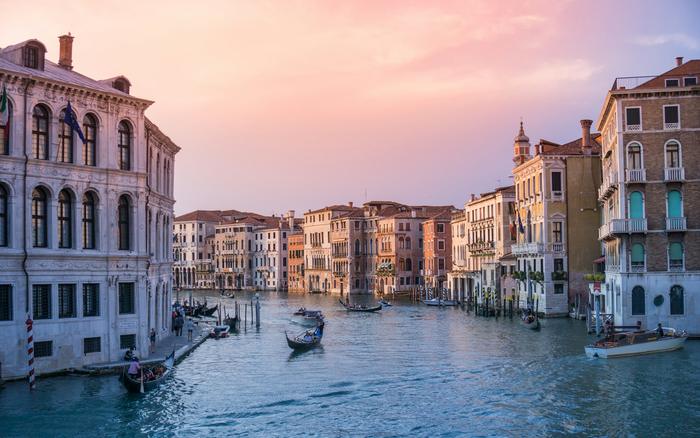
Italy
The benchmark for food, history, and beauty.

Greece
Ruins in the morning, a swim by noon, taverna until dark.
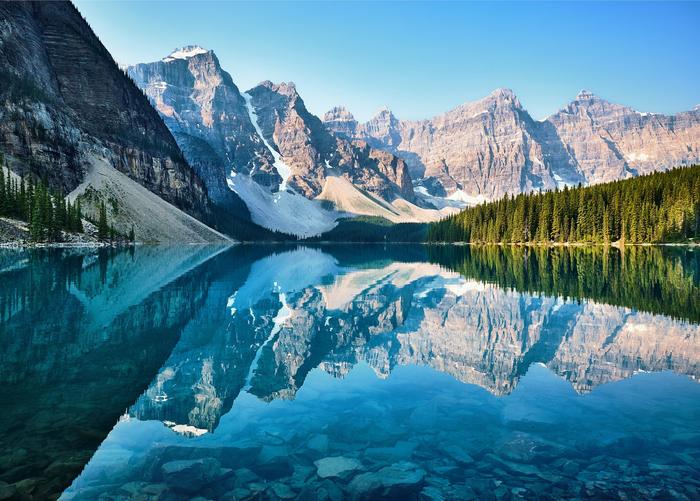
Canada
Wilderness on a continental scale — Rockies, coast, and the cities between.
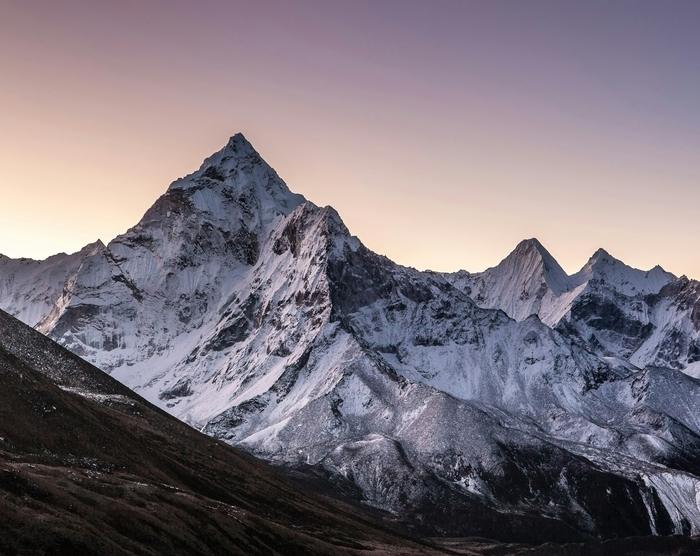
Nepal
The Himalayas. Trekking that changes how you see scale.
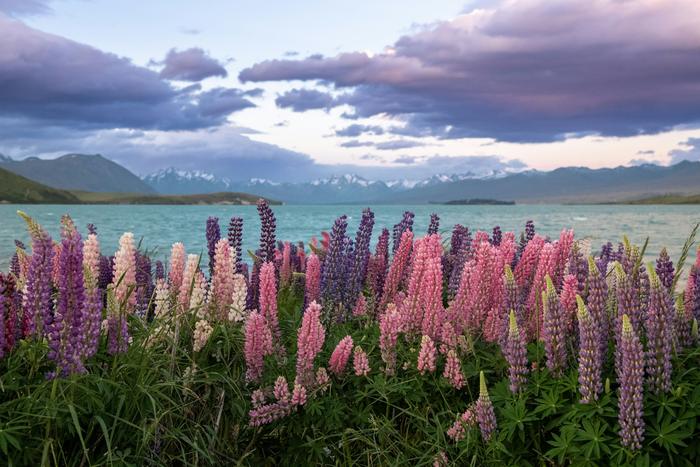
New Zealand
Fjords, volcanoes, glaciers, beaches — in one country.
Not sure where to go
Take the 5-minute quiz
Answer a few honest questions and get matched to destinations that actually fit how you travel.
Start the quiz