Croatia vs Poland

Two excellent-value European trips with opposite settings. Croatia is the sun-and-sea one — a dazzling Adriatic coast of walled old towns, island-hopping and clear water, with Dubrovnik and Split as the headliners. Poland is the inland one — great cities and the weight of the 20th century, superbly restored old towns, and strong value across a bigger, more historical country. One is a coastal, beach-and-boat holiday; the other a cities-and-history trip.

Eastern Europe

Croatia

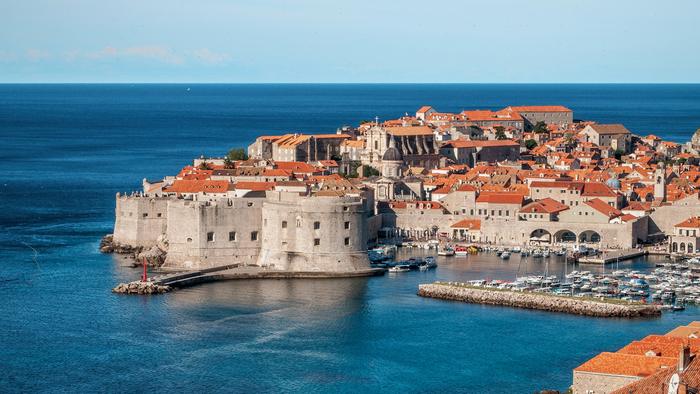
Dubrovnik, the Adriatic coast, ancient cities. Compact and beautiful.

Best time to visit
  1. January: avoid
  2. February: avoid
  3. March: fine
  4. April: fine
  5. May: peak
  6. June: peak
  7. July: fine
  8. August: avoid
  9. September: peak
  10. October: peak
  11. November: avoid
  12. December: avoid
Peak Fine Avoid
Eastern Europe

Poland

Europe's best-value city break, with the history to match.

Best time to visit
  1. January: fine
  2. February: avoid
  3. March: fine
  4. April: fine
  5. May: peak
  6. June: peak
  7. July: peak
  8. August: peak
  9. September: peak
  10. October: fine
  11. November: avoid
  12. December: fine
Peak Fine Avoid

Read our full guides about Croatia and Poland.

Side by side

Emphasised where they differ. Muted rows are much the same either way.

Croatia Poland
Best time May, June, September, October May–September
Climate mild cold
Budget Moderate — risen with popularity; the coast in peak summer costs most Good value by Western-European standards — priced in złoty, card-friendly
Trip length 1–3 wks 1–2 wks
Visa Schengen — visa-free for most Western passports (90 days). Schengen — visa-free for most Western passports (90 days).
Currency EUR (€) PLN (Złoty), roughly 4 PLN ≈ 1 USD.
Language Croatian. English widely spoken in tourism. Polish. English is common among younger people and in cities.
Tap water Tap water safe. Tap water safe.
Safety Very safe. Very safe.

General guidance — visas, safety, and health change, so check your government's travel advisory and the official sources before you go.

The split

The Adriatic coast, or inland cities and history

Both are great-value Europe — but one is a sun-and-sea coastal holiday, the other an inland cities-and-history trip.

Coast vs citieswhat each is really forIslands and walled seaside towns, or urban history
Beach vs historythe headlineSwimming and island-hopping, or the 20th century
Euro vs złotythe moneyCroatia on the euro; Poland on the złoty, card-friendly

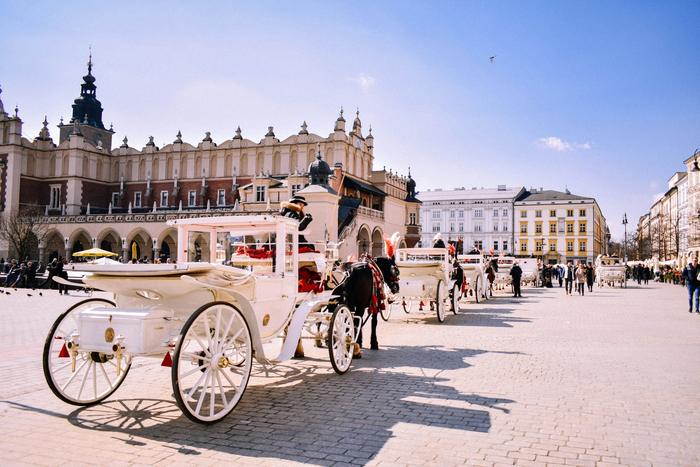
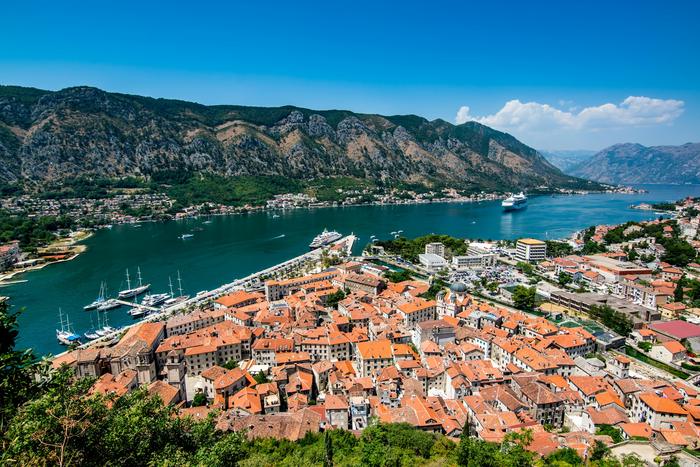
Croatia is the sun-and-sea one — a brilliant Adriatic coast of walled old towns, clear water and island-hopping, with Dubrovnik and Split leading and a holiday built around beaches and boats. Poland is the inland one: great cities and the weight of the 20th century, the restored cores of Kraków and Warsaw, the memorial at Auschwitz, Gdańsk on the Baltic — a bigger, more historical country at strong value.

The operational detail — Croatia’s ferry and island logistics and its euro/Schengen entry; Poland’s rail network, Auschwitz booking and złoty economy — lives on the two guides: Croatia, know before you go and Poland, know before you go. This page is the head-to-head.

The real difference

Beaches and boats, or cities and history

The trade: Croatia offers the Adriatic coast and island life; Poland offers urban depth and historical weight.

Croatia wins on coast and summer. For a beach-and-boat holiday — island-hopping, swimming off walled towns, long Adriatic days — it’s one of Europe’s best, and the history (Dubrovnik, Split) comes as a bonus between swims rather than the main course.

Poland wins on cities and history. Its restored urban centres and the most resonant 20th-century history in Europe make for a deep, rewarding, city-led trip at better value — but it won’t give you a beach holiday. Choose the Adriatic coast, or the cities-and-history inland trip.

Who suits which

Who each actually suits

Both are great value — but one leans coast and beaches, the other cities and history.

If you want…CroatiaPoland
A summer beach holidayWins. The Adriatic coastOnly a short Baltic season
Island-hopping and boatsWins. Dalmatian islandsNot its thing
Great cities and old townsDubrovnik, SplitWins. Kraków, Warsaw, Gdańsk
Weighty 20th-century historySome, coastal-ledWins. Auschwitz and more
Best valueRisen with popularityWins. Stronger value
Walled seaside old townsWins. Its signatureHistoric inland cores

Doing both

Two trips, two settings

No tidy single loop — pick the setting you want.

They don’t join into one natural route — Adriatic coast at one end, inland Central Europe at the other — so combining them is a longer-trip idea, and most people choose one: a coastal, beach-and-island holiday, or a cities-and-history trip. Each also compares with its neighbours — Croatia with the Italian islands (see Croatia vs Sardinia), Poland with the Carpathian east (see Poland vs Romania).

What we leave out

What we deliberately leave out

Exact prices beyond the structural comparison — Croatia’s coastal peak-summer costs and Poland’s city prices both move with season — so the figures here are the shape of the difference, not a quote; the country guides carry the live detail. The entry mechanics and currencies (Croatia’s euro/Schengen, Poland’s złoty) are covered on the guides rather than restated here.

Croatia or Poland, month by month

Which of the two is the better bet for each month of the year, scored on how well the season suits each place.

Which to choose

Choose Croatia if:

  • A coastal, beach-and-island holiday is the goal.
  • Dubrovnik, Split and island-hopping top the list.
  • You want sun, sea and walled old towns by the Adriatic.

Choose Poland if:

  • Cities and 20th-century history pull harder.
  • Kraków, Warsaw, Gdańsk and Auschwitz are the itinerary.
  • You’d rather have depth and value than a beach.

Common questions

Is Croatia or Poland cheaper?
Poland, generally — it remains strong value by Western-European standards and is very card-friendly. Croatia’s prices have climbed with its popularity (and since it joined the euro), and the coast in peak summer is the expensive part. For a budget-stretching trip, Poland; Croatia is still reasonable off-season and inland, but the summer Adriatic is where costs bite.
Which is better for a summer beach holiday?
Croatia, without question — it’s a coastal destination at heart, built around the Adriatic’s islands, clear water and walled seaside towns, ideal for beaches, boats and island-hopping. Poland has a short Baltic beach season at Gdańsk, but it’s a minor part of a country that’s really about cities and history. For sun and sea, Croatia; Poland is the wrong trip for a beach holiday.
Which is better for history and cities?
Poland, comfortably — its pull is urban and historical, from Kraków’s medieval core and Warsaw’s rebuilt Old Town to the weight of the 20th century at Auschwitz. Croatia has history too (Dubrovnik’s walls, Split’s Roman palace, Roman ruins), but it’s woven into a coastal holiday rather than the main event. For deep cities and heavy history, Poland; for history enjoyed between swims, Croatia.
Do they use the euro?
Croatia does — it adopted the euro in 2023 and is in the Schengen area. Poland does not: it has kept the złoty, though it’s exceptionally card-friendly, so you rarely handle much cash. Both are EU members, and the current EES/ETIAS entry detail for each is on the country guides.
Can I combine them?
They don’t form a natural single loop — one is Adriatic coast, the other inland Central Europe, with no quick link — so combining is a longer-trip idea rather than an obvious route, and most people pick one. Choose by setting: a coastal, beach-and-island holiday, or a cities-and-history trip. Each also compares with its neighbours — Croatia with the Italian islands (see Croatia vs Sardinia), Poland with the Carpathian east (see Poland vs Romania).

Still undecided

Take the quiz

Three matches. Often answers comparison questions for you.

Start the quiz