Montenegro
A whole country where mountains drop straight into the Adriatic.
Montenegro is tiny and theatrical: a fjord-like bay ringed by peaks, walled medieval towns, beach resorts, and a wild national park an hour inland. You can swim in the morning and be at a glacial lake in the mountains by afternoon. It is cheaper than Croatia next door, though the gap is closing fast.
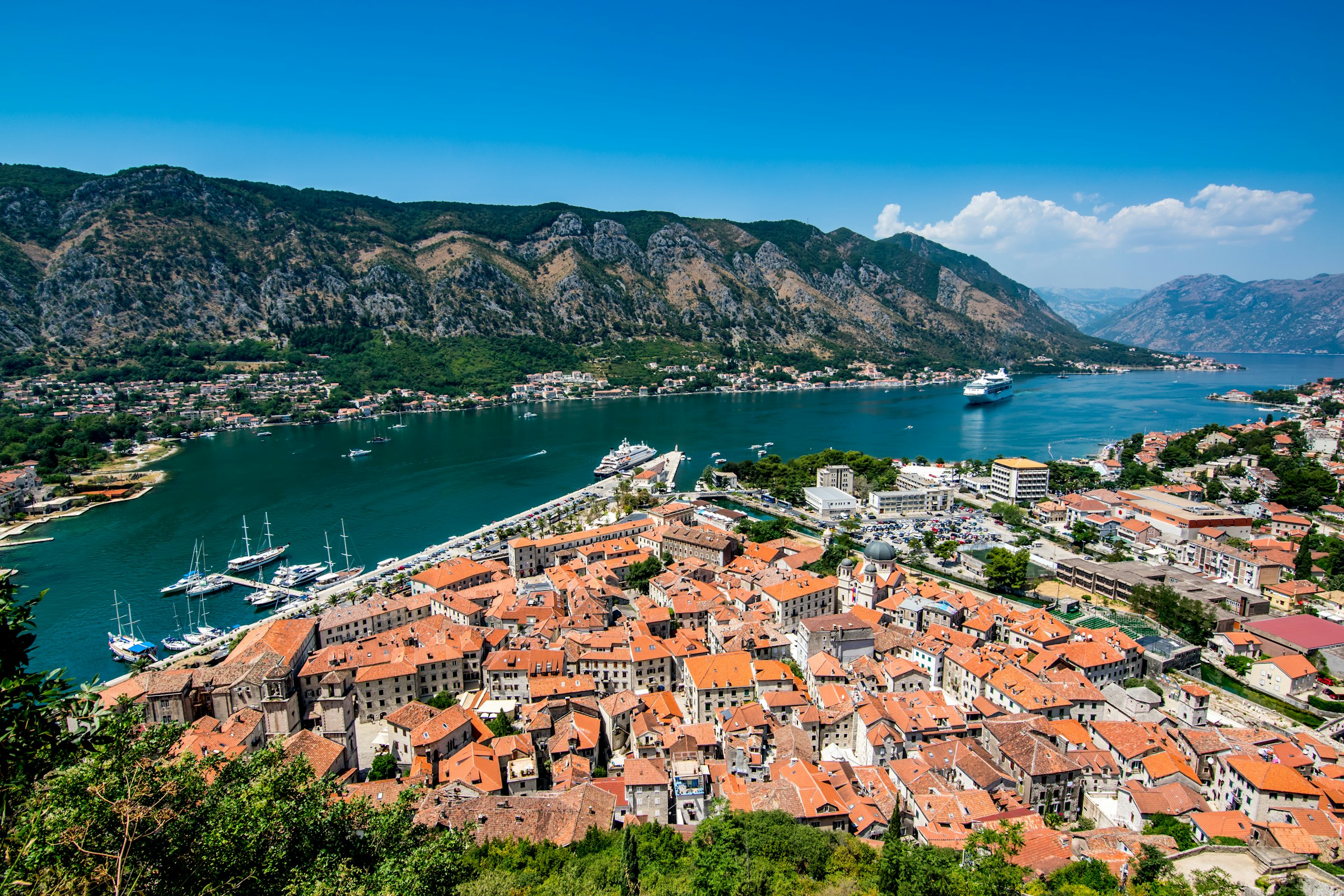
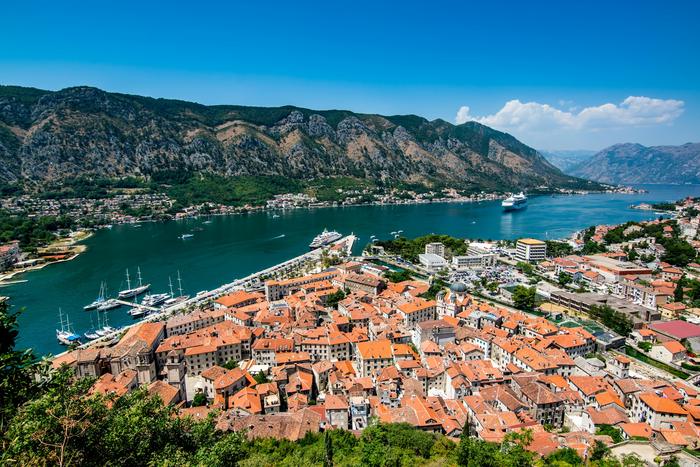
Most trips center on the Bay of Kotor, where the old town huddles beneath a near-vertical wall you can climb for the view back down. From there it is a short drive to Budva's beaches and the photogenic islet of Sveti Stefan, and a longer push north to Durmitor National Park for canyons, hiking, and rafting on the Tara River. The coast is the postcard; the interior is where the drama actually lives.
The honest part: the coast in July and August is genuinely overrun. Budva turns into a wall of concrete resorts and noise, the narrow road around the bay clogs to a crawl, and prices spike for what is often mediocre. Sveti Stefan is a private hotel you mostly admire from the road, not a place you wander. Go in late spring or September, get into the mountains, and the country is far better than its busiest beaches suggest.
Highlights
-
Bay of Kotor
A fjord-like bay with a walled town and a fortress climb above it.
-
Durmitor National Park
Glacial lakes, peaks, and the Tara River canyon. The best of inland Montenegro.
-
Sveti Stefan
A fortified islet turned resort. Striking from the headland above.
-
Budva
Old-town charm wrapped in beach-resort sprawl. Loud in summer.
-
Lovćen
A mountaintop mausoleum and the view that gave the country its name.
Practical info
- Visa
- Visa-free for most Western passports (90 days). Not in the EU or Schengen. Verify before travel.
- Currency
- EUR (€).
- Language
- Montenegrin. English in tourist areas.
- Safety
- Generally safe; usual caution with summer crowds and coastal driving.
- Getting around
- A car is the way to see it; the coast road is slow and winding in summer. Buses connect the main towns.
- Tap water
- Tap water generally safe in towns; bottled is common.
- Plug type
- Type C Type F 230V
- Money
- Cards work in hotels and larger places; carry cash for smaller spots and the interior.
General guidance — visas, safety, and health change, so check your government's travel advisory and the official sources before you go.
Common questions
- Do you need a visa for Montenegro, and does it count against Schengen?
- No visa for short stays, and no, it does not touch your Schengen allowance. US, UK, EU, Canadian and Australian visitors get 90 days visa-free in any 180-day period. Montenegro is an EU candidate, not a member, and is not in the Schengen area — so it runs its own border controls, your days here count separately from the Schengen 90/180, and the EU’s EES and ETIAS systems don’t apply. A useful side rule: even nationalities that would normally need a visa can enter for up to 30 days if they hold a valid Schengen, US or UK visa or residence permit. Carry a passport issued within the last 10 years and valid at least three months beyond your departure.
- What currency does Montenegro use?
- The euro — which surprises people, because Montenegro is neither in the EU nor the eurozone. It adopted the euro unilaterally in 2002 (having used the Deutsche Mark before that) and it’s the only legal tender. Cards work fine in Kotor, Budva, Tivat and the other coastal towns, but carry cash for markets, small family-run konobas, buses and the bay ferry, and expect a few euros of fee on foreign-card ATM withdrawals. Tipping is a modest round-up or about 10%, in cash — check whether a service charge is already on tourist-restaurant bills.
- Is there really a rule to register within 24 hours of arriving?
- Yes, and it catches independent travellers out. Every visitor must be registered with the local tourism office or police within 24 hours of arrival. If you’re in a hotel, hostel or registered guesthouse this is done for you automatically at check-in — you need do nothing. But if you’re in an Airbnb or private rental, or staying with friends, the registration is your responsibility, and failure to do it can mean a fine. It’s the single most-missed piece of Montenegrin admin; confirm with your host that you’re registered.
- When is the best time to visit Montenegro?
- The shoulder months — May–June and September–October — are the sweet spot: warm, far quieter, and much cheaper than high summer, ideal for the Bay of Kotor and the mountains (though sea-swimming is marginal by late October). July and August are peak: hot, expensive and crowded, with Budva in full party-resort mode and the bay’s roads congested. For the other Montenegro — Durmitor and Žabljak, the highest town in the Balkans — the ski season runs roughly December to March. Coast in the shoulders, mountains in deep winter.
- Is Montenegro cheaper than Croatia?
- Yes — noticeably. Montenegro sits on the same stretch of Adriatic as southern Croatia (Dubrovnik is barely an hour from the border) with a very similar Venetian-coast look, but accommodation, dining and drinks run cheaper, especially off-peak and inland. The gap narrows on the Budva–Kotor coast in July–August, when demand spikes, but overall it remains one of the better-value Adriatic destinations — which, with the dramatic bay and mountains, is much of its appeal.
- How many days do you need in Montenegro?
- It’s small, so a lot fits fast. Three or four days covers the Bay of Kotor, Budva and a mountain taste (Lovćen or Ostrog); a week adds Durmitor and the Tara Canyon in the north, or Lake Skadar and the far-south beaches. The limiting factor isn’t distance but the serpentine roads — journeys take longer than the map suggests — so build in driving time and don’t over-pack the days.
Entry & money
Not the EU, not Schengen — but the euro
Montenegro sits outside the EU and Schengen yet runs on the euro, and it asks one thing of you within a day of landing.
Entry is easy and visa-free — 90 days in any 180 for the main nationalities — and because Montenegro is not in the Schengen area, that time is entirely its own: it doesn’t eat into your Schengen 90/180, and the EU’s EES and ETIAS don’t reach here. It’s an EU candidate aiming to join (a ~2028 aspiration that the EU called “within reach” in 2026, not a fixed date — treat it as a goal), but for now it stamps passports at its own border. Carry a passport issued within 10 years and valid three months beyond departure.
The money surprise is that this non-EU country uses the euro, and has since 2002 — no local currency to change. The admin surprise is the 24-hour registration rule: automatic if you’re in a hotel, but your responsibility in an Airbnb or private rental, where forgetting it can cost a fine. Ask your host to confirm you’re registered.
When to go
Coast in the shoulders, mountains in winter
The coast and the high country peak at opposite ends of the year — and August is the one to dodge.
The coast is best in the May–June and September–October shoulders — warm, far quieter and cheaper than the July–August peak (the crimson bar), when Budva and the Bay of Kotor roads jam. The mountains flip the calendar: Durmitor and Žabljak (the highest town in the Balkans) ski from about December to March. The other crimson bar is the dry-summer wildfire risk.
Timing splits by where you’re going. For the coast and the Bay of Kotor, the shoulders (May–June, September–October) are the sweet spot — warm, calmer, far cheaper, and the bay’s roads flow; July and August are hot, expensive and jammed, with Budva at full party pitch. For the mountains, it inverts: Durmitor and Žabljak (the highest town in the Balkans) run a ski season from about December to March. The dry Adriatic summer also brings a real wildfire risk in heatwaves, April to October — general awareness, not a deterrent.
- you want the Bay of Kotor without the jamsSkipJuly and August, the hot, crowded peakGoMay–June or September — warm, quiet, cheaper
- you’re driving the bay in summerSkipthe congested shoreline loop round the inner bayGothe €5 Kamenari–Lepetane ferry, which cuts ~30 km
- you’ve booked a private rentalSkipassuming registration is handled for youGoconfirming your host registered you within 24 hours — or risk a fine
Getting around
Serpentine roads, and a ferry worth taking
Short distances, but mountain hairpins and summer bay congestion make driving the main thing to plan around.
Montenegro is small, but its roads make journeys longer than the map suggests. You drive on the right, and the coastal and mountain routes are narrow, winding and tunnel-studded, with slow trucks and heavy July–August traffic around the Bay of Kotor; drive defensively on the serpentines. A hire car is the way to reach Durmitor and the interior — just book ahead for peak summer, and get explicit permission in writing if you plan to cross into Croatia, Albania or Bosnia, which many rentals restrict.
One local trick saves time and nerves: the Kamenari–Lepetane car ferry across the mouth of the inner bay (€5 per car, pedestrians free, a five-minute hop running year-round) cuts roughly 30 km of congested shoreline driving versus going round via Kotor. For those not driving, intercity buses are the workhorse, and the Bar–Belgrade railway is a famously scenic ride into Serbia — but there are effectively no domestic flights.
| Way | Use it for | Note |
|---|---|---|
| Hire car | Durmitor, the interior, the bay | Drive right; written permission needed to cross borders |
| Kamenari–Lepetane ferry | Skipping the inner-bay drive | €5/car, ~5 min, year-round; pedestrians free |
| Intercity bus | Town to town | The main public transport network |
| Bar–Belgrade railway | A scenic ride into Serbia | Famously beautiful; there are no domestic flights |
Hire cars commonly restrict crossing into Croatia, Albania or Bosnia without written permission arranged at booking — ask, or your insurance is void at the border. Peak-summer ferry queues can run 45–60 minutes. Checked October 2026.
Budget more driving time than the map implies, and know the Kotor shortcut. Montenegro’s coastal and mountain roads are narrow, winding and tunnel-studded, and the Bay of Kotor clogs with traffic in July–August. The Lepetane–Kamenari ferry across the bay’s narrows skips the long drive around it — a few euros, running around the clock — and is well worth taking in peak season. Drive defensively; local overtaking is aggressive.
Where to go
A pocket Balkans — bay, coast, and high peaks
Montenegro packs a near-fjord, a medieval coast and 2,000-metre mountains into a country smaller than Wales.
The headline is the Bay of Kotor — a ria (a flooded river canyon, often loosely called a fjord) ringed by steep walls and Venetian towns, with the UNESCO-listed walled town of Kotor at its head, baroque Perast and its island-church offshore, and a ladder of switchbacks climbing to Lovćen and the Njegoš mausoleum. South come the beach resorts of Budva and the islet of Sveti Stefan. Inland it turns alpine fast: Durmitor around Žabljak with its glacial lakes and the Tara River Canyon, the cliff monastery of Ostrog, old-capital Cetinje, and the vast, pelican-filled Lake Skadar toward Albania — a lot of variety within a couple of hours’ drive.
| Region | What it’s for | Good to know |
|---|---|---|
| Bay of Kotor | The ria, Venetian towns, Kotor’s walls | UNESCO-listed; the headline |
| Budva & the coast | Beaches, nightlife, Sveti Stefan | The resort strip; busiest in summer |
| Lovćen & Cetinje | The mountain, Njegoš mausoleum, old capital | Switchbacks up from the bay |
| Durmitor & the north | Glacial lakes, the Tara Canyon, skiing | The alpine high country; Žabljak |
| Lake Skadar | The Balkans’ largest lake, pelicans, wine | Birdlife and boat trips |
| Ostrog & the centre | The cliff monastery, Podgorica | Pilgrimage and the capital |
Sights & access
Sveti Stefan reopened — and what you can actually see
A few headline sights have access rules worth knowing before you build a day around them.
Sveti Stefan is back: the Aman resort on the islet reopened in 2026 (the mainland Villa Miločer in May, the fortified islet on 1 July) after a five-year closure and legal dispute. The islet itself stays guests-only, but under the settlement Sveti Stefan Beach and the adjacent King’s Beach (Miločer) are now open to the public (you pay only for sunbeds), while Queen’s Beach remains for guests. So the famous view and a swim beneath it are back within reach even if the islet isn’t.
The Tara River Canyon in Durmitor plunges about 1,300 metres — one of the deepest river canyons in Europe — and is the setting for whitewater rafting beneath the Đurđevića Tara bridge. Durmitor National Park charges a small daily fee (around €5, covering the Black Lake and the canyon), with an inexpensive all-parks annual pass (~€13.50). Ostrog Monastery, dramatically set into a cliff, is a free-to-enter working pilgrimage site — the most-visited of the Serbian Orthodox Church — so expect crowds, a steep access road, and a modest-dress expectation.
Climbing Kotor’s city walls to the Fortress of San Giovanni is the bay’s signature effort — roughly 1,350 steps up to about 280 m above the rooftops, for the classic view down the inner bay. Go early morning or late afternoon to dodge both the midday heat and the cruise-day crowds, carry water, and wear real shoes; there’s a small entry fee in season.
Food & drink
Mountain ham, Adriatic seafood, a native red
Two cuisines in one small country — hearty and dairy-rich inland, seafood on the coast.
Njeguši the mountain village behind the ham and cheese
Montenegro eats as two countries. On the coast it’s Adriatic — grilled fish, octopus salad, the squid-ink black risotto — much like neighbouring Dalmatia. Inland and in the mountains it turns hearty and dairy-rich: the famous Njeguši pršut and cheese (see the figure), cornmeal kačamak and cicvara laced with kaymak, and slow-roasted lamb. The glue is the Balkan grill (ćevapi, pljeskavica) and the drink is the deep native red Vranac or a fiery loza rakija. It’s generous, cheap and genuinely good.
| Dish / drink | What it is | Note |
|---|---|---|
| Njeguši pršut | Smoke-dried mountain prosciutto | From Njeguši village, below Lovćen |
| Njeguši cheese | Hard cheese cured in oil | The pršut’s traditional partner |
| Kačamak | Cornmeal and potato with kaymak | The rib-sticking mountain staple |
| Black risotto | Squid-ink cuttlefish rice | The coastal classic |
| Ćevapi | Grilled minced-meat fingers | The Balkan everyday grill |
| Vranac | The deep-red native wine | Montenegro’s flagship grape |
Wash it down with a glass of Vranac or a shot of loza (grape rakija). The coast leans Adriatic — fresh fish, octopus, black risotto — while the mountains run to cured meats, cheese and slow-cooked lamb under a “sač” lid.
Culture
A young nation on old ground
Independent only since 2006, Montenegro is a small, layered, two-faith society wedged between the Adriatic and the mountains.
2006 the year Montenegro voted for independence
Montenegro is one of Europe’s youngest countries, independent since a peaceful 2006 referendum ended its union with Serbia (see the figure). It’s small and layered: Montenegrin is the official language, with Serbian, Bosnian, Albanian and Croatian also spoken and both Latin and Cyrillic scripts in use. The population is majority Eastern Orthodox (around 70%) with a significant Muslim minority (around 20%, concentrated in the south-east and among the Bosniak and Albanian communities), so mosques, Orthodox monasteries and Catholic churches all mark the landscape. The old royal capital, Cetinje, is the cultural heart.
Good to know
Safe, seismic, and best in the shoulders
The practical footnotes — a safe, low-crime country with mountain-road and natural-hazard caveats, best enjoyed outside the August crush.
Montenegro is generally safe — at the “exercise normal precautions” level — with the usual petty-crime caution (pickpocketing and car break-ins at busy tourist spots) and organised-crime incidents that don’t target visitors. The real everyday risk is the driving covered above. On value, it’s noticeably cheaper than neighbouring Croatia, though the coast’s prices and crowds spike sharply in July–August — the argument for the May–June and September–October shoulders.
Two natural-hazard footnotes, neither a reason to stay away: Montenegro is seismically active (the April 1979 M6.9 quake is the benchmark, and small tremors occur year-round), and the dry Adriatic summer carries a real wildfire risk in heatwaves (roughly April–October). Both are background awareness rather than trip-planning constraints.
Compare Montenegro
If you like Montenegro, also consider
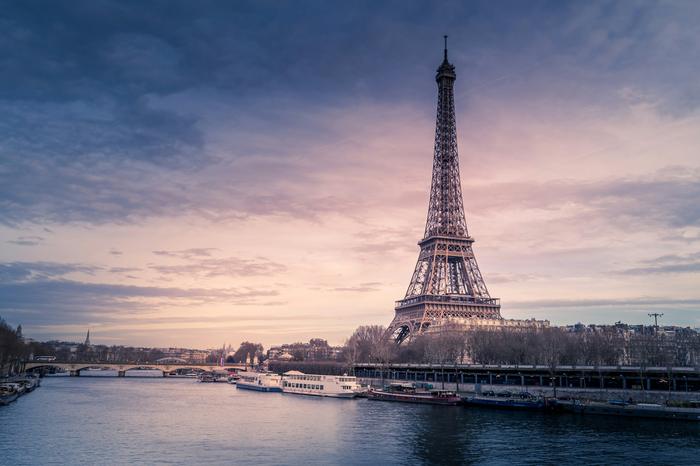
France
Paris is only the opening act — wine country, the Alps, and two coastlines.
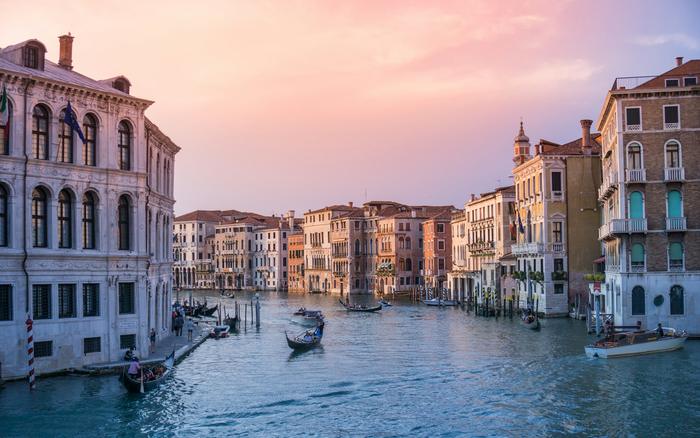
Italy
The benchmark for food, history, and beauty.

Greece
Ruins in the morning, a swim by noon, taverna until dark.
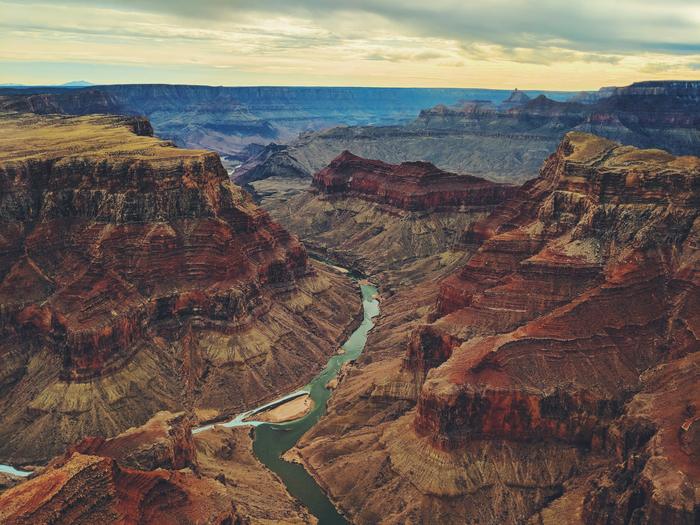
United States
A continent pretending to be a country — cities, deserts, and the best national parks anywhere.
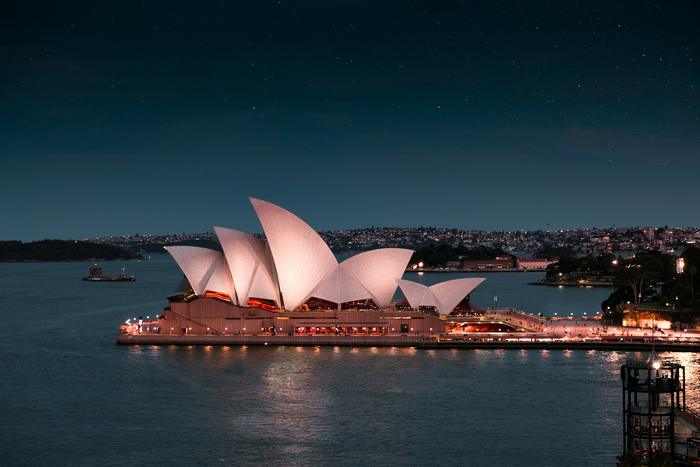
Australia
Vast, varied, relaxed. Reef, Sydney, and proper wilderness in one.
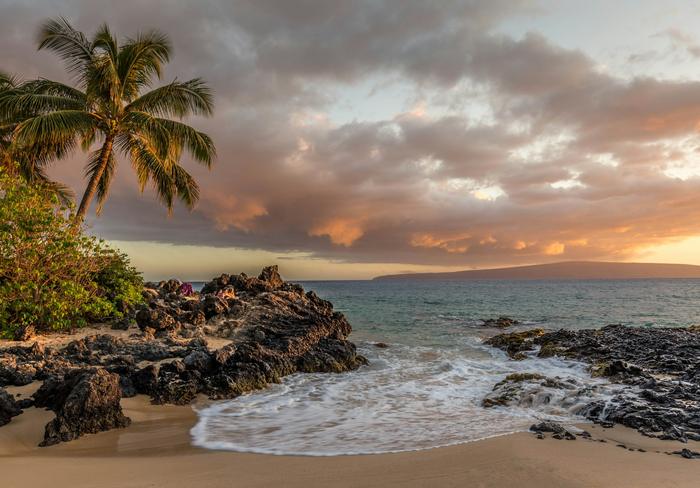
Hawaii
A handful of islands where the landscapes and the ocean genuinely earn the flight.
Not sure where to go
Take the 5-minute quiz
Answer a few honest questions and get matched to destinations that actually fit how you travel.
Start the quiz