Malta vs Montenegro

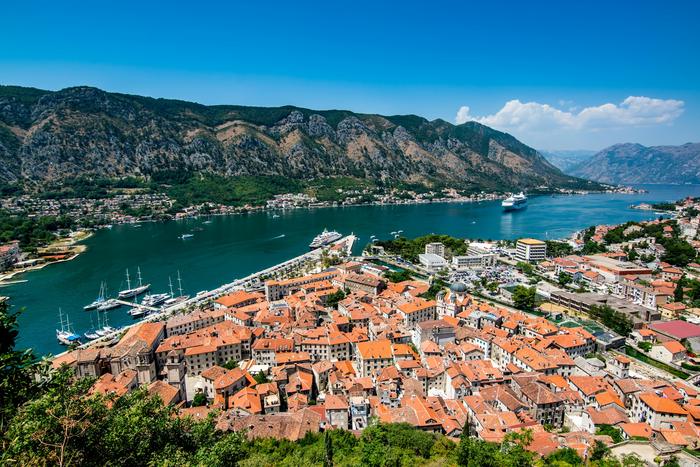
Two small, sunny Mediterranean/Adriatic destinations with different draws. Malta is the compact, history-packed island — a single honey-stoned, English-speaking base (plus Gozo) of Knights-era walled cities, ancient temples and a long warm season. Montenegro is the pocket Adriatic country — the fjord-like Bay of Kotor, Venetian Kotor, beach resorts and high mountains all within a short drive. One is an easy island base steeped in history; the other a compact coast-and-mountains mainland.

Southern Europe

Malta

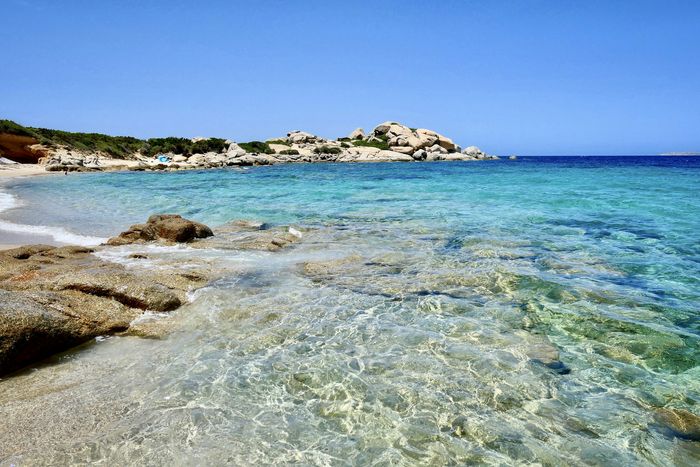
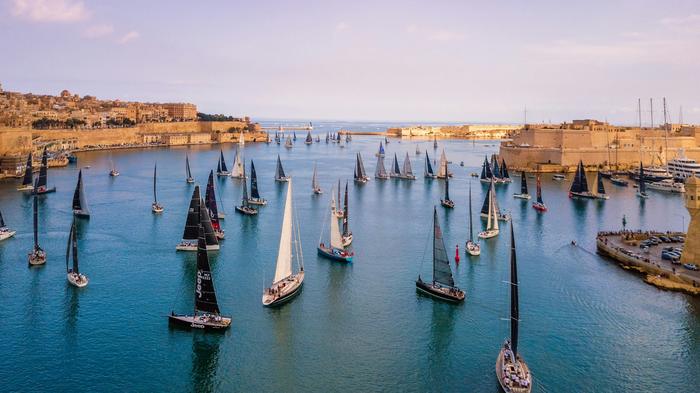
A sun-baked limestone island with more history per square mile than almost anywhere.

Best time to visit
  1. January: fine
  2. February: fine
  3. March: fine
  4. April: peak
  5. May: peak
  6. June: fine
  7. July: avoid
  8. August: avoid
  9. September: fine
  10. October: peak
  11. November: fine
  12. December: fine
Peak Fine Avoid
Southern Europe

Montenegro

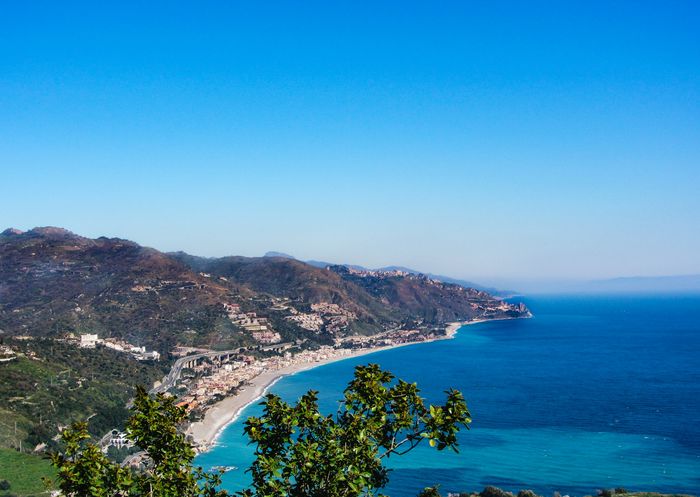
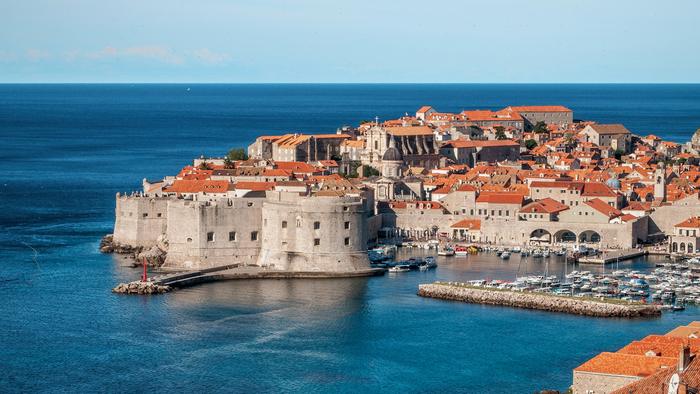
A whole country where mountains drop straight into the Adriatic.

Best time to visit
  1. January: avoid
  2. February: avoid
  3. March: fine
  4. April: fine
  5. May: peak
  6. June: peak
  7. July: fine
  8. August: fine
  9. September: peak
  10. October: fine
  11. November: avoid
  12. December: avoid
Peak Fine Avoid

Read our full guides about Malta and Montenegro.

Side by side

Emphasised where they differ. Muted rows are much the same either way.

Malta Montenegro
Best time April, May, October May, June, September
Climate warm mild
Budget Moderate — compact and a long season; good value for the Med Good value — the coast in peak summer is the priciest part
Trip length 1–1 wks 1–2 wks
Visa Schengen area; visa-free for most Western passports (90 days). Verify before travel. Visa-free for most Western passports (90 days). Not in the EU or Schengen. Verify before travel.
Currency EUR (€). EUR (€).
Language Maltese and English (both official). Montenegrin. English in tourist areas.
Tap water Tap water is safe but heavily desalinated; many prefer bottled for taste. Tap water generally safe in towns; bottled is common.
Safety Very safe, with low crime across the islands. Generally safe; usual caution with summer crowds and coastal driving.

General guidance — visas, safety, and health change, so check your government's travel advisory and the official sources before you go.

The split

A history island, or an Adriatic compact

Both are small and sunny — but one is a compact, English-speaking history island, the other a pocket coast-and-mountains country.

Island vs mainlandthe shapeA single island base, or a compact drive-it-all country
History vs scenerythe drawKnights-era walled cities, or the Bay of Kotor and peaks
Schengen vs notthe statusBoth on the euro; Malta in Schengen, Montenegro outside it

Malta is the compact, history-packed island — a single honey-stoned, English-speaking base (plus Gozo) of Knights-era walled cities, ancient temples and a long warm season. Montenegro is the pocket Adriatic country: the fjord-like Bay of Kotor, Venetian Kotor, beach resorts and high mountains all within a short drive.

The operational detail — Malta’s compact-island practicalities; Montenegro’s coastal access, euro use, non-Schengen entry and 24-hour registration rule — lives on the two guides: Malta, know before you go and Montenegro, know before you go. This page is the head-to-head.

The real difference

Island history, or coast-and-mountains

The trade: Malta offers a compact, easy, history-rich island; Montenegro offers the Bay of Kotor and quick-reach peaks.

Malta wins on history and ease. A single English-speaking island with remarkable Knights-and-megalith history and a long season, explored from one base — the low-logistics, substance-rich choice.

Montenegro wins on scenery and variety. The Bay of Kotor is a genuine showstopper, and you can pair beach days with mountain drives inside a compact country — at good value outside the peak-summer coast. Choose the history island, or the Adriatic compact.

Who suits which

Who each actually suits

Both are small and sunny — but one leans island history, the other coast-and-mountains scenery.

If you want…MaltaMontenegro
Deep, walkable historyWins. Knights and megalithsKotor old town
Dramatic bay-and-mountain sceneryLow, rocky islandWins. The Bay of Kotor
An easy single-island baseWins. Settle and exploreA compact mainland to drive
English everywhereWins. Official languageWidely understood
Beaches + mountains togetherClear-water swimsWins. Both within reach
A long, reliable seasonWins. Sun into autumnSummer-concentrated coast

Doing both

Separate trips

An island and a mainland apart — usually one or the other.

Malta and Montenegro are separate trips — a Mediterranean island and an Adriatic mainland, linked only by a flight via a hub — so most people choose one. Each compares more naturally with its neighbours (see Cyprus vs Malta, Italy vs Malta, Bosnia vs Montenegro and Albania vs Montenegro).

What we leave out

What we deliberately leave out

Exact prices beyond the structural comparison — Malta’s moderate rates and Montenegro’s coastal summer costs both move — so the figures here are the shape of the difference, not a quote; the country guides carry the live detail. The entry mechanics (Malta in Schengen vs Montenegro outside it, and the registration rule) are covered on the guides rather than restated here.

Malta or Montenegro, month by month

Which of the two is the better bet for each month of the year, scored on how well the season suits each place.

Which to choose

Choose Malta if:

  • Knights-era history, walled cities and a long season are the draw.
  • You want an easy, English-speaking island base.
  • History and an island over beaches-and-mountains.

Choose Montenegro if:

  • The Bay of Kotor, beaches and quick-reach peaks appeal.
  • You want a compact coast-and-mountains mainland to drive.
  • Scenery and variety over a history-packed island.

Common questions

Is Malta or Montenegro better for history versus scenery?
Malta for history — a remarkable density for its size, from the Knights of St John’s walled Valletta and fortified Mdina to the ancient hypogeum and some of the world’s oldest temples. Montenegro for scenery — the fjord-like Bay of Kotor, the Durmitor mountains and the Adriatic coast. For layered history, Malta; for dramatic landscapes, Montenegro.
Which is better for beaches?
Both have good swimming, differently. Malta’s coast is largely rocky with clear water and a few sandy bays (plus the Blue Lagoon off Comino) — great for snorkelling and boat trips. Montenegro has a mix of pebble and sand beaches along a dramatic coast, headlined by the Budva Riviera and Sveti Stefan. For clear-water swims and boat trips, Malta; for a scenic beach-and-bay coast, Montenegro.
Which is easier to get around?
Malta is a single compact island you explore from one base, with English spoken everywhere — very easy. Montenegro is small too but a mainland of winding mountain and coastal roads (with a handy bay ferry), so a car helps but journeys take longer than the map suggests. For effortless single-base ease, Malta; for a compact drive-it-all country, Montenegro.
Do the entry and money rules differ?
Both use the euro, but their status differs. Malta is in the EU and Schengen (EES now live, ETIAS expected 2027). Montenegro is outside both — a non-EU, non-Schengen country offering 90-day visa-free stays that don’t touch your Schengen allowance, with a 24-hour tourist-registration rule to mind. The guides carry the detail: Malta and Montenegro.
Can I combine them?
They’re separate trips rather than a natural pairing — a Mediterranean island and an Adriatic mainland, linked by a flight via a hub — so most people choose one. Each compares more naturally with its neighbours — Malta with Cyprus, Italy and Greece, Montenegro with Bosnia and Albania.

Still undecided

Take the quiz

Three matches. Often answers comparison questions for you.

Start the quiz