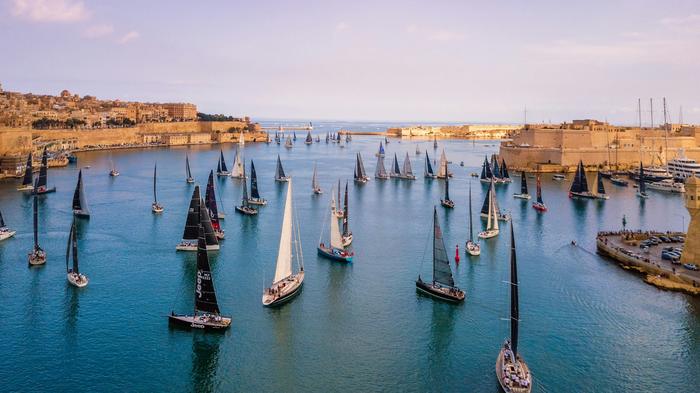
Malta vs Santorini

Two small Mediterranean islands with very different appeals. Malta is the compact, history-packed base — a single honey-stoned, English-speaking island (plus Gozo) of Knights-era walled cities, ancient temples and a long warm season, explored from one place. Santorini is the iconic caldera island — whitewashed, blue-domed towns on a volcanic cliff, built for sunsets, romance and the postcard view, seen in a few spectacular (crowded, expensive) days. One is an easy, substantial island trip; the other a bucket-list image.

Southern Europe

Malta

A sun-baked limestone island with more history per square mile than almost anywhere.

Best time to visit
  1. January: fine
  2. February: fine
  3. March: fine
  4. April: peak
  5. May: peak
  6. June: fine
  7. July: avoid
  8. August: avoid
  9. September: fine
  10. October: peak
  11. November: fine
  12. December: fine
Peak Fine Avoid

Southern Europe

Santorini

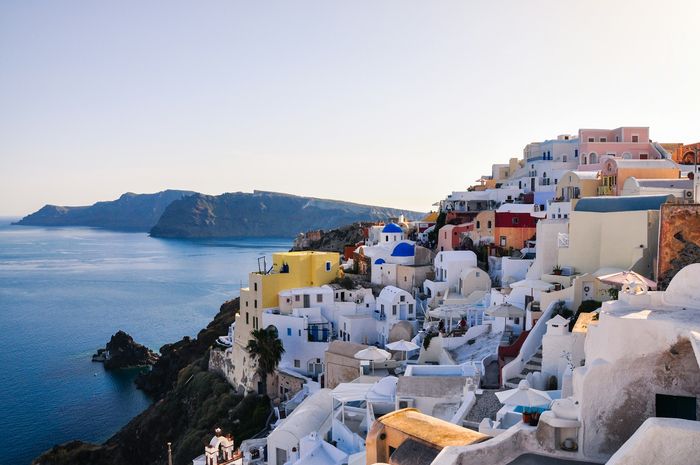
The most photographed view in Greece — a drowned volcano rim of white villages above a blue caldera.

Best time to visit
  1. January: avoid
  2. February: avoid
  3. March: fine
  4. April: peak
  5. May: peak
  6. June: peak
  7. July: fine
  8. August: fine
  9. September: peak
  10. October: peak
  11. November: fine
  12. December: avoid
Peak Fine Avoid

Read our full guides about Malta and Santorini.

Side by side

Emphasised where they differ. Muted rows are much the same either way.

Malta Santorini
Best time April, May, October April–June, September, October
Climate warm warm
Budget Moderate — compact and a long season; good value for the Med Expensive — caldera-view hotels carry a steep premium; a short, pricey stay
Trip length 1–1 wks 1–1 wks
Visa Schengen area; visa-free for most Western passports (90 days). Verify before travel. Schengen — visa-free for most Western passports (90 days).
Currency EUR (€). EUR (€)
Language Maltese and English (both official). Greek; English widely spoken in tourism.
Tap water Tap water is safe but heavily desalinated; many prefer bottled for taste. Tap water safe in mainland; bottled on smaller islands.
Safety Very safe, with low crime across the islands. Very safe; take care on cliff paths and with ATV rentals.

General guidance — visas, safety, and health change, so check your government's travel advisory and the official sources before you go.

The split

A history-packed base, or a caldera icon

Both are small Mediterranean islands — but one is a compact, English-speaking history base, the other an iconic, romantic caldera.

History vs iconthe drawKnights-era walled cities, or the caldera and the sunset
Base vs imagethe tripA substantial island week, or a few scenic days
Value vs premiumthe costModerate and long-season, or a steep caldera-view premium

Malta is the compact, history-packed base — a single honey-stoned, English-speaking island (plus Gozo) of Knights-era walled cities, ancient temples and a long warm season, explored from one place. Santorini is the iconic caldera island: whitewashed, blue-domed towns on a volcanic cliff, built for sunsets, romance and the postcard view, seen in a few spectacular days.

The operational detail — Malta’s compact-island practicalities; Santorini’s cruise cap and levy, ferry port and seismic picture — lives on the two guides: Malta, know before you go and Santorini, know before you go. This page is the head-to-head.

The real difference

Substance and ease, or an iconic image

The trade: Malta offers history, a long season and easy value; Santorini offers the icon, the sunset and the romance.

Malta wins on substance, ease and value. It fills a relaxed week with remarkable history from one English-speaking base, at moderate prices and across a long season — the do-more, spend-less choice.

Santorini wins on the icon and the romance. Nothing on Malta matches the caldera view or the sunset, and for a short, scenic couples’ trip it’s unforgettable — accepting that it’s small, intensely crowded for its size, and expensive. Choose the history base, or the bucket-list image.

Who suits which

Who each actually suits

Both are small Med islands — but one leans history and ease, the other icon and romance.

If you want…MaltaSantorini
A substantial island weekWins. Fills the timeHighlights in 2–3 days
The postcard caldera viewHoney-stone grandeurWins. The icon
Deep historyWins. Knights and megalithsAkrotiri, lighter
English everywhereWins. Official languageCommon in tourism
Romance and sunsetsPleasantWins. Built for it
Value and a long seasonWins. Moderate, sun into autumnA premium island

Doing both

Not close — pick one

Both central/eastern Med, but separate trips.

Malta and Santorini are both Mediterranean islands but not close, so they’re separate trips rather than a pairing — you’d fly between them via a hub, and most people choose one. Each compares more naturally with its own neighbours (see Cyprus vs Malta, Italy vs Malta, Greece vs Malta and Mallorca vs Santorini).

What we leave out

What we deliberately leave out

Exact prices beyond the structural comparison — Santorini’s caldera-view premium and Malta’s moderate rates both move with season — so the figures here are the shape of the difference, not a quote; the country guides carry the live detail. Santorini’s operational specifics (the cruise cap and levy, the ferry port, the seismic picture) are covered on its guide rather than restated here.

Malta or Santorini, month by month

Which of the two is the better bet for each month of the year, scored on how well the season suits each place.

Which to choose

Choose Malta if:

  • Knights-era history, walled cities and a compact base are the draw.
  • You want an easy, English-speaking island with a long season.
  • Substance and value over a single iconic view.

Choose Santorini if:

  • The caldera view, the sunsets and the romance are the whole point.
  • A short, scenic, once-in-a-lifetime image over a longer stay.
  • A couples’ icon over history and ease.

Common questions

Is Malta or Santorini better for a longer stay?
Malta — it’s a compact but substantial island (plus Gozo) that easily fills a relaxed week with Valletta, ancient temples, swimming and day trips, all from one base, with a long season. Santorini is tiny and intense: spectacular, but most visitors see its highlights in two or three days, and a longer stay can feel limited (and expensive). For a full island week, Malta; for a short, scenic highlight, Santorini.
Which is more beautiful and iconic?
Santorini owns the icon — the whitewashed, blue-domed caldera towns and the sunset over the water are among the most photographed images in travel. Malta is handsome in a different, honey-stoned way — the walled grandeur of Valletta and Mdina — but it has no single view with Santorini’s instant recognition. For the postcard image, Santorini; for layered historic beauty, Malta.
Which has more history, and is English spoken?
Malta, for depth and ease — an extraordinary density of history for its size (the Knights of St John’s Valletta, the ancient hypogeum and some of the world’s oldest temples, fortified Mdina), and English as an official language, so it’s effortless to navigate. Santorini’s history is real too (Akrotiri, the Minoan “Pompeii”) but it’s a view-and-romance island first. For history and English-speaking ease, Malta; for the caldera, Santorini.
How do crowds and cost compare?
Santorini is more crowded for its size and more expensive — a tiny island under heavy cruise and tourist pressure, with caldera-view hotels at a steep premium (it now caps cruise passengers and levies a landing fee). Malta gets busy in peak summer too but absorbs it better and is more moderately priced across a longer season. For value and space, Malta; accept the premium and crowds for Santorini’s view. The guides carry the detail: Malta and Santorini.
Can I combine them?
They’re both in the central/eastern Mediterranean but not close, so they’re separate trips rather than a pairing — you’d fly between them (usually via a hub), and most people choose one. Each compares more naturally with its own neighbours — Malta with Cyprus, Italy and Greece, Santorini with Mallorca and the Greek-island picture.

Still undecided

Take the quiz

Three matches. Often answers comparison questions for you.

Start the quiz