Italy
The benchmark for food, history, and beauty.
- January: fine
- February: fine
- March: fine
- April: peak
- May: peak
- June: peak
- July: fine
- August: avoid
- September: peak
- October: peak
- November: fine
- December: fine
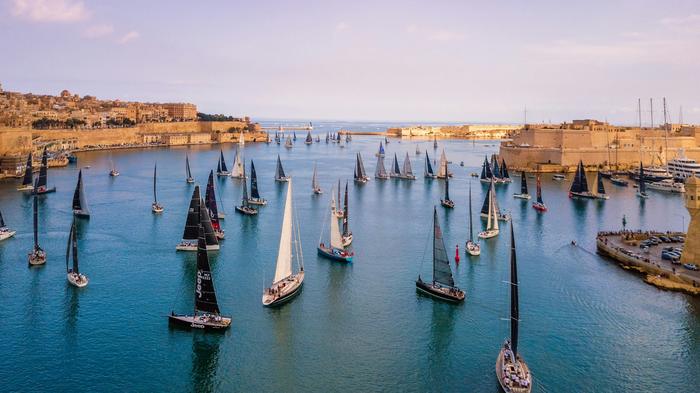
Both are euro, Schengen and Mediterranean, but at opposite scales. Italy is a whole country of cities, art, food and varied coast that takes trips to work through. Malta is a single compact island you can base on once — English-speaking, sun-soaked, with baroque Valletta, temples older than the pyramids and some of the Med’s best diving.
The benchmark for food, history, and beauty.
A sun-baked limestone island with more history per square mile than almost anywhere.
Read our full guides about Italy and Malta.
Emphasised where they differ. Muted rows are much the same either way.
| Italy | Malta | |
|---|---|---|
| Best time | April–June, September, October | April, May, October |
| Climate | mild | warm |
| Budget | Varies by region — the north and tourist cities are the expensive poles | Mid for the eurozone — cheaper than mainland Italy’s hotspots, not a bargain |
| Trip length | 1–4 wks | 1–1 wks |
| Visa | Schengen — visa-free for most Western passports (90 days). | Schengen area; visa-free for most Western passports (90 days). Verify before travel. |
| Currency | EUR (€) | EUR (€). |
| Language | Italian. English in cities and tourism, less in the south. | Maltese and English (both official). |
| Tap water | Tap water safe and good. | Tap water is safe but heavily desalinated; many prefer bottled for taste. |
| Safety | Very safe. Pickpocketing in Rome, Naples, Florence. | Very safe, with low crime across the islands. |
General guidance — visas, safety, and health change, so check your government's travel advisory and the official sources before you go.
The split
Both are euro-and-Schengen Mediterranean trips — but one is a country you tour, the other an island you settle on.
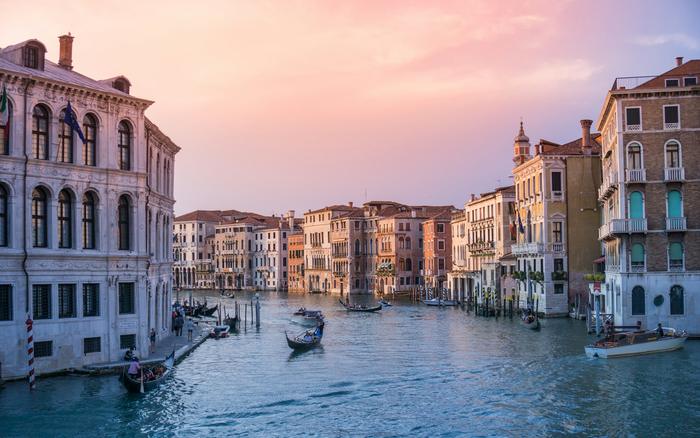
Italy is a whole country — Rome, Florence, Venice and the south; the art, the food, the varied coast and landscape — a destination that takes a full trip (or several) to work through, moving by train between regions. Malta is one compact island you can base on and barely move: English-speaking, warm well into autumn, with the UNESCO baroque capital of Valletta, megalithic temples older than the pyramids, the quieter island of Gozo and some of the Mediterranean’s best diving.
The operational detail — Italy’s ZTL driving zones and timed museum tickets, Malta’s Blue Lagoon and Hypogeum booking systems — lives on the two guides: Italy, know before you go and Malta, know before you go. This page is the head-to-head.
Range vs ease
The real trade: Italy is richer and bigger, Malta is easier and warmer.
Italy wins on depth. No island can match a country of Rome, Florence, Venice, the food culture and the landscape — if you want range and the headline sights, Italy is simply more. Malta wins on ease. It’s small enough to base on once and day-trip the lot, English removes the language barrier, the distances are trivial, and its own highlights — baroque Valletta, the prehistoric temples, Gozo, the diving — are genuinely distinctive. It also holds its warm-sea season later into autumn than much of Italy.
So it’s richness versus simplicity. For a trip you work through with variety and famous sights, Italy. For a compact, warm, easy island with ancient depth of its own, Malta.
Who suits which
Same sea, very different scales — touring a country versus settling on an island.
| If you want… | Italy | Malta |
|---|---|---|
| Art, food and famous cities | Wins clearly. A whole country of it | Valletta aside, not the draw |
| A one-base, low-hassle trip | A touring trip by nature | Wins. Tiny island, unpack once |
| English with no language barrier | Patchy outside tourist zones | Wins. English is official |
| Ancient sites off the beaten path | Plenty, among the crowds | Ties. Temples older than the pyramids |
| World-class diving | Regional | Wins. Wrecks, caves, the Blue Hole |
| Day-to-day value | Cheap in the south, pricey in the north | Edges it vs Italy’s hotspots |
Doing both
Malta is a short hop from Sicily — the one pairing here that works.
Unusually for these comparisons, this pair genuinely combines: Malta sits just south of Sicily, linked by a fast ferry, so a southern-Italy-and-Malta trip is a natural fit — do Sicily (see how Sicily compares elsewhere), then cross for a few days on Malta. For a northern Italy trip around Rome or Venice, the hop is too far to bother, and Malta deserves its own visit.
What we leave out
Exact prices beyond the structural comparison — Italian regional variation and Maltese summer-peak lodging both move within a season, so the figures here are the shape of the difference, not a quote; the country guides carry the live detail. Both are euro and Schengen, so entry is the same (EES live, ETIAS coming). Malta’s Blue Lagoon and Hypogeum access rules change — check the guide before you travel.
Which of the two is the better bet for each month of the year, scored on how well the season suits each place.
The ski and alpine benchmark — every other mountain range is measured against this.
Dubrovnik, the Adriatic coast, ancient cities. Compact and beautiful.
Geysers, glaciers, northern lights, hot springs.
The most concentrated mountain scenery in Europe — and you'll pay for it.
The Alps done properly — skiing, hiking, and Vienna for the culture.
A long weekend in Copenhagen — design, cycling, and new-Nordic food.
Serious cities, river valleys, and the Alps in the south.
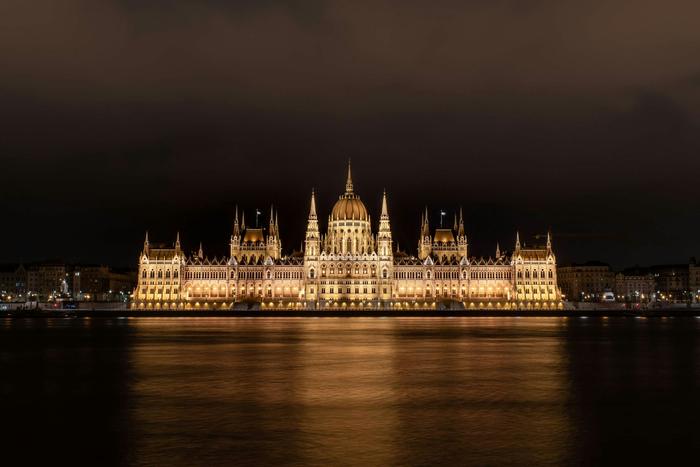
Budapest is the best-value great city in Europe.
Still undecided
Three matches. Often answers comparison questions for you.
Start the quiz