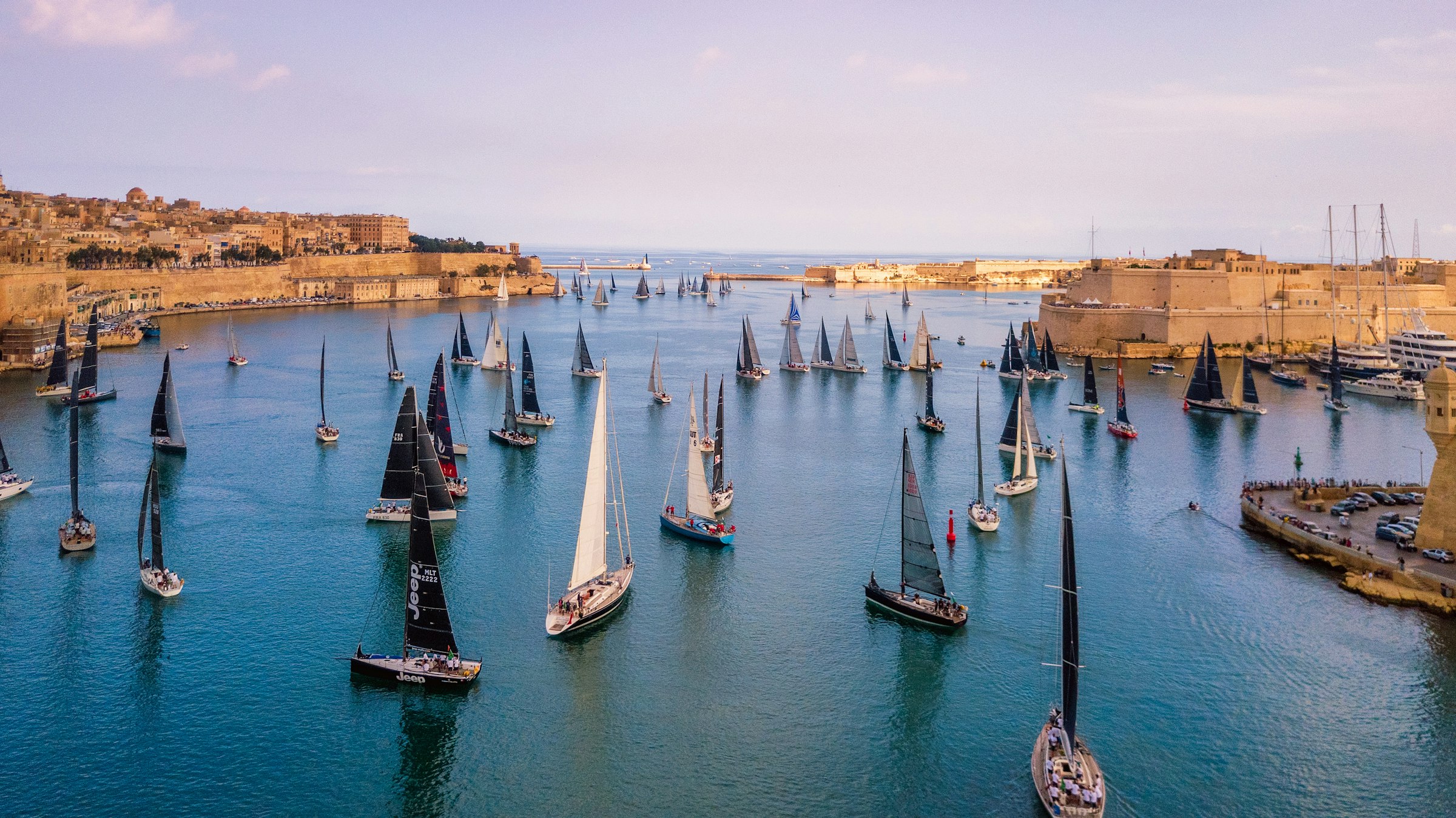
Malta
A sun-baked limestone island with more history per square mile than almost anywhere.
Malta is a tiny English-speaking Mediterranean island stacked with Baroque cities, prehistoric temples, knights, and clear swimming water. Everything is close and the layers of history run deep, from Neolithic builders to the Knights of St John to a WWII siege. A week is plenty to see the main island, sister-island Gozo, and the famous lagoon.
Base yourself near Valletta, the fortified Baroque capital built by the Knights, and you are a short hop from everything: the old walled city of Mdina, the temples at Ħaġar Qim, and the harbor towns across the water. A boat or ferry gets you to Comino for the Blue Lagoon's electric-clear water and to slower, greener Gozo for cliffs and quiet bays. With buses and short drives, you can cover the whole country in a few unhurried days.
The honest part: Malta is small and densely built, and large parts of it feel suburban rather than scenic — endless honey-colored apartment blocks, busy roads, and very little wild nature. In July and August it is hot, crowded, and the Blue Lagoon turns into a floating traffic jam of party boats. Sliema and St Julian's are a wall of hotels and nightlife. Come in spring or autumn, lean into the history, and the island delivers far more than its built-up stretches suggest.
Highlights
-
Valletta
A fortified Baroque capital you can walk end to end in an hour.
-
Blue Lagoon, Comino
Clear shallow water off a near-empty island. Go early or off-season.
-
Gozo
The greener, slower sister island, with cliffs and quiet swimming bays.
-
Mdina
The silent walled old capital, best after the day-trippers leave.
-
Prehistoric temples
Ħaġar Qim and Ġgantija predate the pyramids.
Practical info
- Visa
- Schengen area; visa-free for most Western passports (90 days). Verify before travel.
- Currency
- EUR (€).
- Language
- Maltese and English (both official).
- Safety
- Very safe, with low crime across the islands.
- Getting around
- Compact; buses cover the main island and ferries link Gozo and Comino. Driving is on the left and roads are congested.
- Tap water
- Tap water is safe but heavily desalinated; many prefer bottled for taste.
- Plug type
- Type G 230V
- Money
- Cards widely accepted; carry a little cash for buses and small shops.
General guidance — visas, safety, and health change, so check your government's travel advisory and the official sources before you go.
Common questions
- When is the best time to visit Malta?
- Malta is at its best in April, May, October. It's best to avoid July, August.
- How many days do you need in Malta?
- Most trips run about 1 week, depending on how much ground you want to cover.
- Is Malta expensive?
- Plan for budget – mid-range daily spend, depending on how you travel.
- Is Malta safe for travelers?
- Very safe, with low crime across the islands.
- Do you need a visa for Malta?
- Schengen area; visa-free for most Western passports (90 days). Verify before travel.
Compare Malta with
If you like Malta, also consider
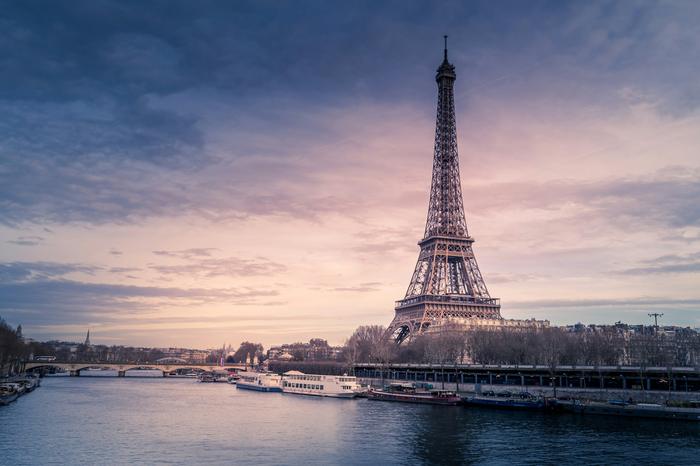
France
Paris is only the opening act — wine country, the Alps, and two coastlines.
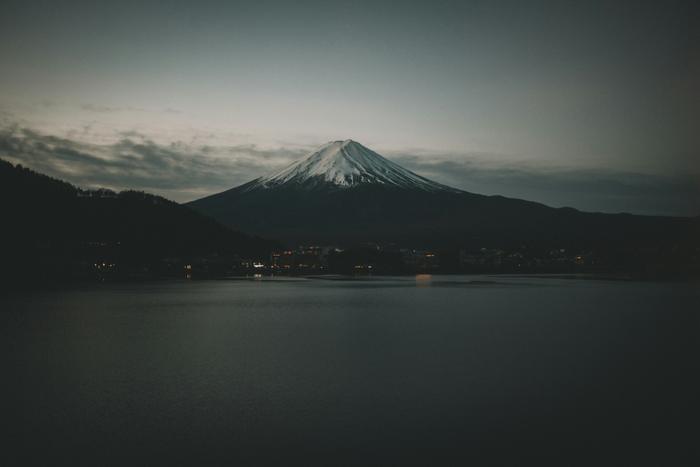
Japan
Extraordinary food, culture, and cities. Nothing quite prepares you for it.
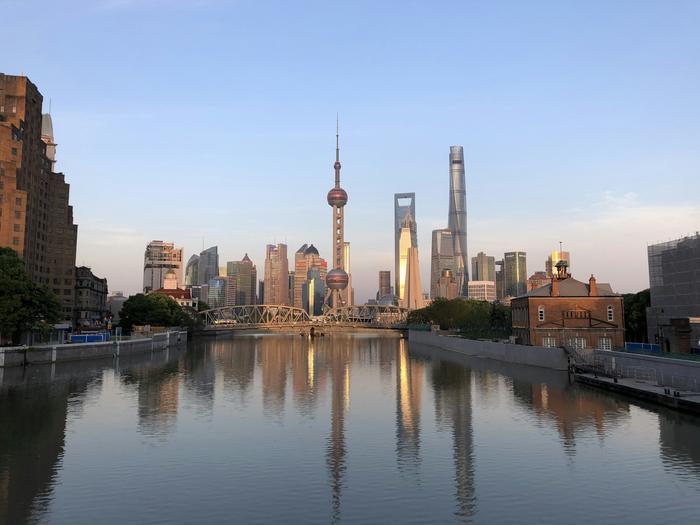
China
Ancient history and hypermodern cities at a scale that's hard to grasp until you're there.
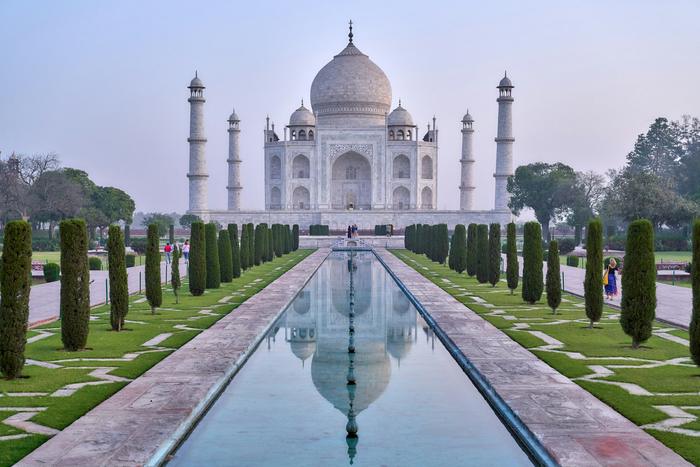
India
Overwhelming, beautiful, and utterly unlike anywhere else.
Not sure where to go
Take the 5-minute quiz
Answer a few honest questions and get matched to destinations that actually fit how you travel.
Start the quiz