Greece vs Malta

Two sun-soaked Mediterranean destinations at wildly different scales. Greece is the vast one — hundreds of islands to hop between, the classical icons of Athens and the ancient world, and a near-infinite choice of beaches and moods. Malta is the tiny, compact one — a single small, honey-stoned, English-speaking island (plus Gozo) packed with Knights-of-St-John history, walled cities and a long, warm season. One is sprawling island-hopping and antiquity; the other a concentrated, easy, history-rich base.

Southern Europe

Greece

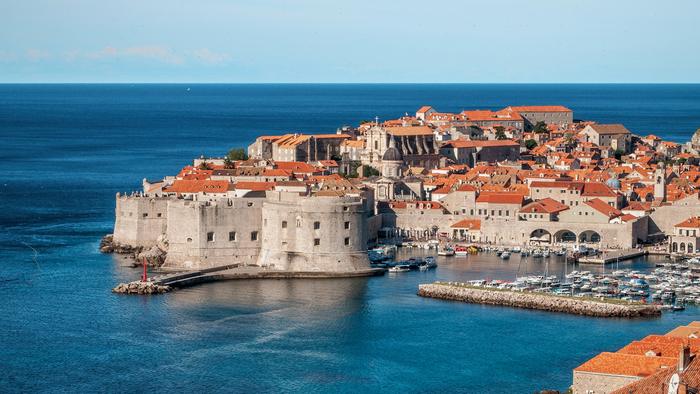
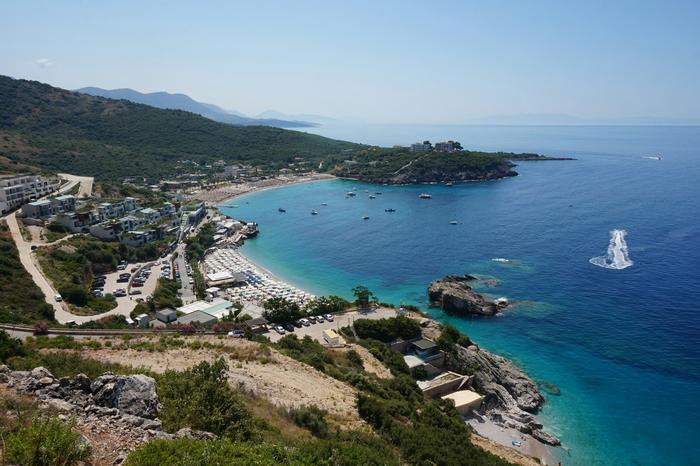
Ruins in the morning, a swim by noon, taverna until dark.

Best time to visit
  1. January: avoid
  2. February: avoid
  3. March: fine
  4. April: peak
  5. May: peak
  6. June: peak
  7. July: fine
  8. August: avoid
  9. September: peak
  10. October: peak
  11. November: fine
  12. December: avoid
Peak Fine Avoid
Southern Europe

Malta

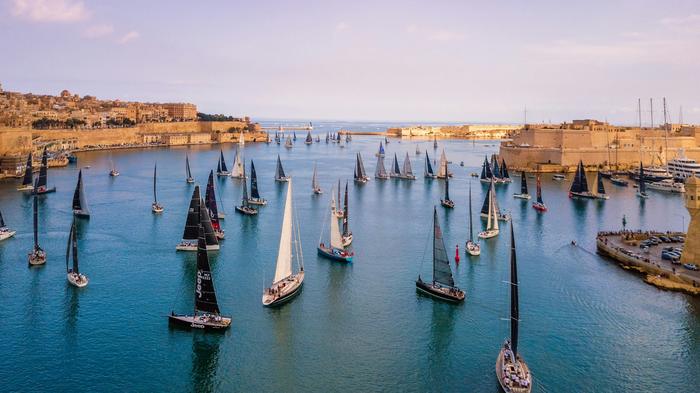
A sun-baked limestone island with more history per square mile than almost anywhere.

Best time to visit
  1. January: fine
  2. February: fine
  3. March: fine
  4. April: peak
  5. May: peak
  6. June: fine
  7. July: avoid
  8. August: avoid
  9. September: fine
  10. October: peak
  11. November: fine
  12. December: fine
Peak Fine Avoid

Read our full guides about Greece and Malta.

Side by side

Emphasised where they differ. Muted rows are much the same either way.

Greece Malta
Best time April–June, September, October April, May, October
Climate warm warm
Budget Moderate — island-hopping and the famous isles cost most in peak summer Moderate — compact, so you spend little getting around; a long season
Trip length 1–4 wks 1–1 wks
Visa Schengen — visa-free for most Western passports (90 days). Schengen area; visa-free for most Western passports (90 days). Verify before travel.
Currency EUR (€) EUR (€).
Language Greek. English widely spoken. Maltese and English (both official).
Tap water Tap water safe in mainland; bottled on smaller islands. Tap water is safe but heavily desalinated; many prefer bottled for taste.
Safety Very safe. Very safe, with low crime across the islands.

General guidance — visas, safety, and health change, so check your government's travel advisory and the official sources before you go.

The split

Sprawling islands, or one compact base

Both are sunny Mediterranean trips — but one is a vast island-hopping country, the other a tiny, history-packed single island.

Vast vs tinythe scaleHundreds of islands, or one small island plus Gozo
Hop vs basehow you travelFerry between isles, or settle and explore
Antiquity vs Knightsthe historyClassical Greece, or the Knights of St John

Greece is the vast one — hundreds of islands linked by ferries, the classical icons of Athens and the mainland, and a near-limitless choice of beaches and moods. Malta is the tiny, compact one: a single small, honey-stoned, English-speaking island (plus Gozo) packed with Knights history, walled cities and a long warm season.

The operational detail — Greece’s island-ferry logistics; Malta’s compact-island practicalities — lives on the two guides: Greece, know before you go and Malta, know before you go. This page is the head-to-head.

The real difference

Endless variety, or compact simplicity

The trade: Greece offers island-hopping, icons and endless choice; Malta offers a compact, easy, history-rich base.

Greece wins on variety and icons. The island-hopping, the sheer choice of beaches, and the great classical sights make it the richer, more varied trip — at the cost of more planning and a summer-concentrated season.

Malta wins on simplicity and ease. One compact, English-speaking island, explored from a single base, with remarkable Knights-and-megalith history and a long season — the low-logistics choice. Choose sprawling island-hopping, or the compact base.

Who suits which

Who each actually suits

Both are sunny and Mediterranean — but one leans variety and islands, the other compact, easy history.

If you want…GreeceMalta
Island-hopping and varietyWins. Hundreds of islesOne island plus Gozo
The great classical sightsWins. The Acropolis and moreKnights-era and megaliths
A compact, easy single baseHopping is the pointWins. Settle and explore
English spoken everywhereCommon in tourismWins. Official language
Endless beach choiceWins. Every moodA handful, rockier
A long, low-logistics tripMore planningWins. Simple and warm

Doing both

Close cousins you can pair

Short flights link them — a longer trip can take in both.

Greece and Malta are close and connected by short flights, so a longer Mediterranean trip could take in both — though they’re separate itineraries, with Malta a few compact days and Greece able to fill much longer. Each also compares with its neighbours (see Greece vs Italy, Greece vs Turkey, Italy vs Malta and Cyprus vs Malta).

What we leave out

What we deliberately leave out

Exact prices beyond the structural comparison — Greece’s peak-summer island costs and Malta’s seasonal rates both move — so the figures here are the shape of the difference, not a quote; the country guides carry the live detail. The shared entry mechanics (both Schengen and eurozone) and Greece’s ferry logistics are covered on the guides rather than restated here.

Greece or Malta, month by month

Which of the two is the better bet for each month of the year, scored on how well the season suits each place.

Which to choose

Choose Greece if:

  • Island-hopping and the classical icons are the draw.
  • You want endless choice of islands and beaches.
  • A sprawling, varied Greek-island trip over a single base.

Choose Malta if:

  • A compact, easy, English-speaking island base is enough.
  • Knights-era history and walled cities top the list.
  • A long season and low-logistics simplicity over variety.

Common questions

Is Greece or Malta better for island-hopping?
Greece, overwhelmingly — it’s the island-hopping destination, with hundreds of islands and a dense ferry network linking very different experiences (Cyclades, Dodecanese, Ionian). Malta is tiny — essentially one small island plus Gozo and Comino, reached by short ferries — so there’s no real hopping; you base yourself and explore. For the ferry-hopping adventure, Greece; for a single compact base, Malta.
Which has the bigger history and sights?
Different eras, both strong. Greece owns the classical — the Acropolis, Delphi, Knossos — unmatched for ancient Greek heritage. Malta has an extraordinary density for its size: the Knights of St John’s walled capital Valletta, the ancient hypogeum and some of the world’s oldest free-standing temples, and the fortified Mdina. For the great classical set-pieces, Greece; for layered Knights-and-megalith history in a small space, Malta.
Which is easier, and is English spoken?
Malta is the easier, lower-logistics trip — compact, with English as an official language (a legacy of British rule), so communication is effortless and you can base in one place. Greece involves more planning (ferries, inter-island travel) for its bigger rewards, though English is widely spoken in tourism. For effortless simplicity, Malta; for variety worth the logistics, Greece.
Do the entry and money rules differ?
No — they’re the same. Both are in the EU, the Schengen area and the eurozone, so the same 90-in-180 visa-free allowance applies, the EU’s biometric EES is in operation, ETIAS is expected in 2027, and you pay in euros in both. The difference is scale and logistics. The guides carry the detail: Greece and Malta.
Can I combine them?
They’re close and culturally Mediterranean, and short flights connect them, so a longer trip could take in both — though they’re separate itineraries, and Malta is a few compact days while Greece can fill much longer. Each also compares with its neighbours — Greece with Italy and Turkey, Malta with Italy and Cyprus.

Still undecided

Take the quiz

Three matches. Often answers comparison questions for you.

Start the quiz