Malta vs Sardinia

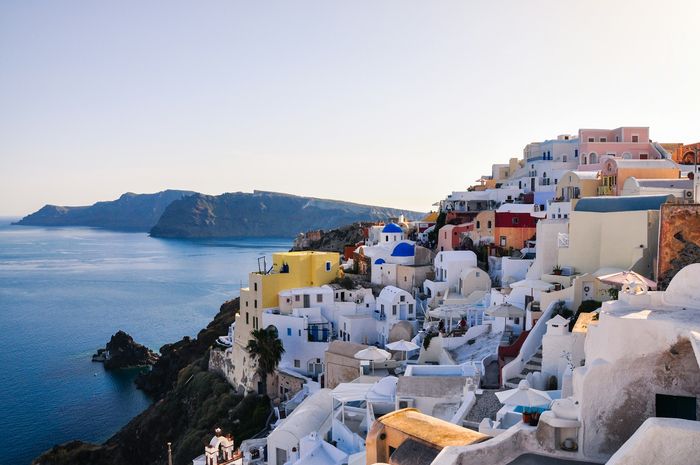
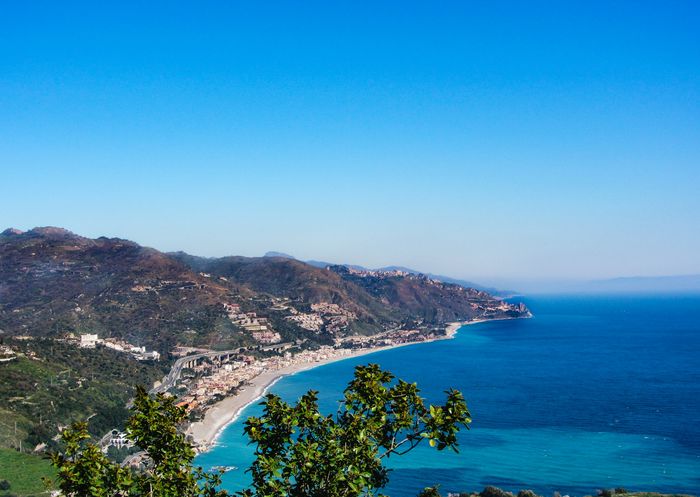
Two central-Mediterranean islands that could hardly be less alike in scale. Malta is tiny, dense and English-speaking, saturated with history you can walk between. Sardinia is some seventy times its size — famous beaches, Bronze-Age stone towers and a mountainous interior that you need a car and a longer stay to reach.

Southern Europe

Malta

A sun-baked limestone island with more history per square mile than almost anywhere.

Best time to visit
  1. January: fine
  2. February: fine
  3. March: fine
  4. April: peak
  5. May: peak
  6. June: fine
  7. July: avoid
  8. August: avoid
  9. September: fine
  10. October: peak
  11. November: fine
  12. December: fine
Peak Fine Avoid
Southern Europe

Sardinia

The Mediterranean’s best beaches, wrapped around a wild, ancient interior most visitors never see.

Best time to visit
  1. January: avoid
  2. February: avoid
  3. March: fine
  4. April: fine
  5. May: peak
  6. June: peak
  7. July: peak
  8. August: peak
  9. September: peak
  10. October: fine
  11. November: avoid
  12. December: avoid
Peak Fine Avoid

Read our full guides about Malta and Sardinia.

Side by side

Emphasised where they differ. Muted rows are much the same either way.

Malta Sardinia
Best time April, May, October May–September
Climate warm warm
Budget Affordable — budget-to-mid, and genuinely year-round Wider range — good value off-peak, but a luxury ceiling on the Costa Smeralda
Trip length 1–1 wks 1–2 wks
Visa Schengen area; visa-free for most Western passports (90 days). Verify before travel. Schengen — visa-free for most Western passports (90 days).
Currency EUR (€). EUR (€)
Language Maltese and English (both official). Italian (and Sardinian); English patchy outside resorts.
Tap water Tap water is safe but heavily desalinated; many prefer bottled for taste. Tap water safe and good.
Safety Very safe, with low crime across the islands. Very safe; ordinary precautions only.

General guidance — visas, safety, and health change, so check your government's travel advisory and the official sources before you go.

The split

Tiny and historical, or large and scenic

Both are central-Med islands — but one you walk and the other you drive.

~75×Sardinia’s size against Malta~24,000 km² to ~316 — a few days vs a week-plus
English vs Italiana real ease differenceMalta’s official English against Sardinian Italian
History vs beacheswhat each is really forTemples and Valletta, or the Costa Smeralda and the interior

Malta is tiny and dense — one of the most crowded countries on earth packed into ~316 km² — English-speaking, and saturated with history you can walk between: megalithic temples older than Stonehenge, the Knights’ Valletta, layer on layer of it, all bus-and-walk with no car needed. Sardinia is around seventy times the size: famous beaches, some 7,000 nuraghe stone towers, a mountainous interior, car-dependent and coast-and-nature-led rather than monument-dense.

The operational detail for each — Malta’s eco-tax and bus network, Sardinia’s car logistics and beach-booking rules — lives on the two guides: Malta, know before you go and Sardinia, know before you go. This page is the head-to-head.

Who suits which

Who each actually suits

They’re built for different holidays — so these rarely invert.

If you want…MaltaSardinia
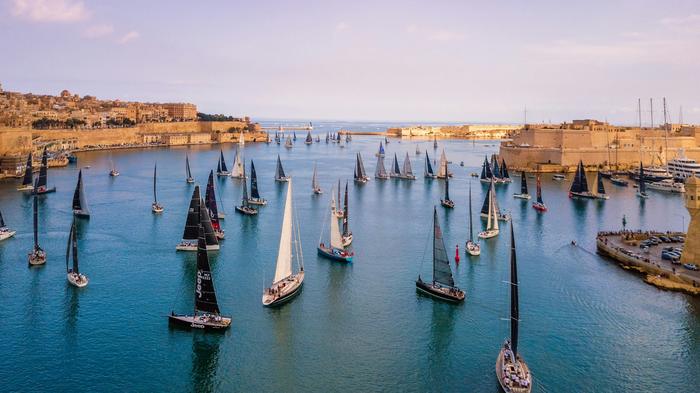
Nonstop history, walkableWins clearly. Temples, Valletta, layered stoneNuraghe and ruins, but spread across a big island
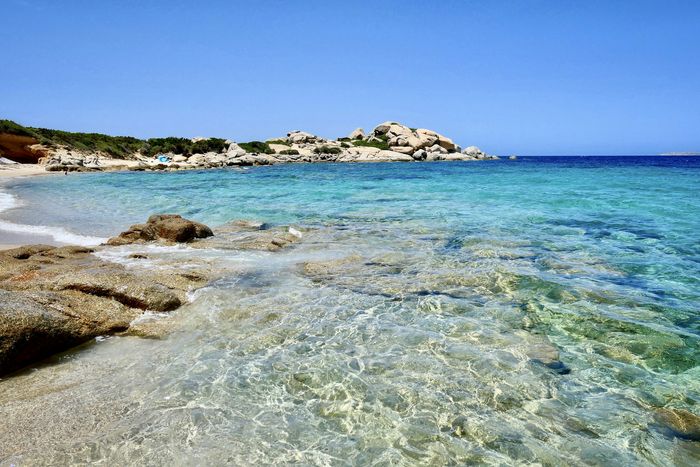
The Mediterranean’s best beachesGood spots, but small and built-upWins clearly. Costa Smeralda and wild coves
A car-free, low-effort tripWins. Buses and walking cover itYou genuinely need a car here
English everywhereWins. Official language, near-universalItalian; English patchy outside hubs
A year-round islandWins. Mild winters, cities stay openStrongly seasonal — coast winds down in winter
Room to roam and wild natureSmall and denseWins. Mountains, interior, space

Doing both

Two trips, lightly linked

Not a natural loop — but a short seasonal flight connects them.

These are better understood as two separate holidays than a combined circuit. There’s no direct ferry — the sea route runs the long way via Sicily, a full day — but a seasonal direct flight, Malta to Cagliari in about an hour and twenty, makes a two-centre trip feasible if you want both the history and the beaches. Schedules are thin and seasonal, so confirm the route for your month before you plan around it. Both are eurozone and inside Schengen, so the two legs share the same 90/180-day allowance, and both peak in the same May–June and September shoulder — though Sardinia’s coast largely shuts for winter where Malta keeps working year-round.

What we leave out

What we deliberately leave out

Exact prices beyond the structural comparison — both are eurozone islands where rates move within a season, so the figures here are the shape of the gap, not a quote; the country guides carry the live detail. Two moving items in particular: Malta’s accommodation eco-contribution (which rose in mid-2026) and Sardinia’s beach caps, booking apps and sand-protection fines both change season to season, so check those before you travel.

Malta or Sardinia, month by month

Which of the two is the better bet for each month of the year, scored on how well the season suits each place.

Which to choose

Choose Malta if:

  • You want nonstop history you can walk between — megalithic temples older than the pyramids, Knights-of-Malta Valletta — on a small, easy island.
  • English everywhere is a draw: it’s an official language, so signage, menus and officialdom are frictionless.
  • You’d rather go car-free (buses and walking cover it) and travel any time of year, winter included.

Choose Sardinia if:

  • Beaches are the point — the Costa Smeralda and a coastline that’s among the Med’s best — plus a wild mountainous interior.
  • You want room to roam a big island by car, with nuraghe ruins and empty coves between the resorts.
  • You’ll travel in season and don’t mind that much of the coast winds down in winter.

Common questions

Is Malta or Sardinia cheaper?
Malta, as a headline — it sits in the budget-to-mid tier and is one of the cheaper EU-island beach destinations, while Sardinia skews mid-to-upper and its Costa Smeralda is genuinely luxury-tier. But Sardinia’s range is wider than that suggests: off-peak, self-catering and away from the fashionable north-east it can be good value. So Malta is more consistently affordable; Sardinia is cheaper or dearer depending on when and where you go.
Is Malta or Sardinia easier for English speakers?
Malta, clearly — English is an official language alongside Maltese and is near-universal, a legacy of British rule that extends to driving on the left. Signage, menus and officialdom are all straightforward. In Sardinia the language is Italian (plus Sardinian, and Catalan in Alghero), and English is patchy outside the main tourist hubs.
Do you need a car in Malta or Sardinia?
In Malta, no — it’s small enough that buses, walking and the odd taxi or ferry cover it, and dense traffic plus left-hand driving make a car more hassle than help for many. In Sardinia, effectively yes: it’s a large island whose best beaches and mountainous interior are poorly served by public transport, so a rental car is what unlocks it.
Which has better beaches, Malta or Sardinia?
Sardinia, decisively — its coastline is among the finest in the Mediterranean, from the Costa Smeralda to wild south-coast coves. Malta has some good swimming spots and the famous Blue Lagoon on Comino, but it’s a small, built-up island where history, not sand, is the main event. For a beach-led trip, Sardinia; for history with a swim, Malta.
Can you visit both Malta and Sardinia in one trip?
They’re two distinct trips rather than a natural loop. There’s no direct ferry — the sea route runs via Sicily — but there is a seasonal direct flight (Malta–Cagliari, about 1h20) that makes a two-centre itinerary feasible if you want both. Schedules are thin and seasonal, so check before relying on it. Both are eurozone and in Schengen, so a day in each draws on the same 90/180 allowance.
Still undecided

Take the quiz

Three matches. Often answers comparison questions for you.

Start the quiz