Cyprus vs Malta

Two sun-soaked Mediterranean island nations with a shared British legacy — English widely spoken, driving on the left — but very different scales. Cyprus is the bigger, more varied one: a long beach season, the Troodos mountains inland, a genuinely divided island to explore, and reliable winter sun. Malta is the tiny, intense one: a history-dense archipelago of Baroque cities, prehistoric temples and honey-stone fortifications you can cross end to end in under an hour.

Southern Europe

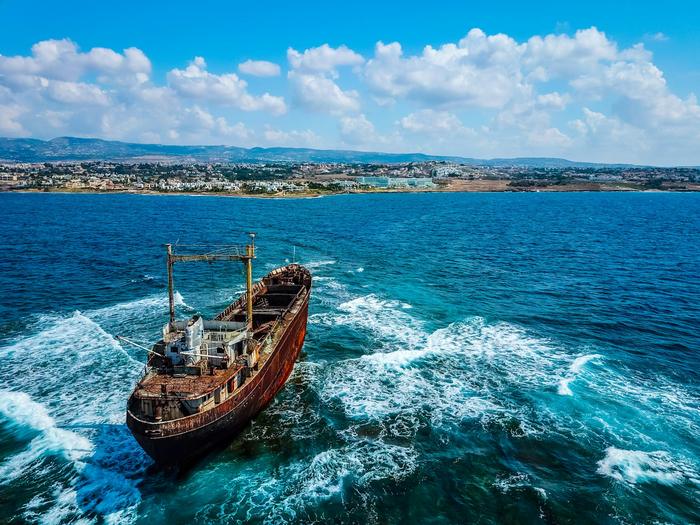
Cyprus

Dependable Mediterranean warmth, ancient mosaics, and cool mountain wine villages on one easy island.

Best time to visit
  1. January: fine
  2. February: fine
  3. March: fine
  4. April: peak
  5. May: peak
  6. June: peak
  7. July: fine
  8. August: fine
  9. September: peak
  10. October: peak
  11. November: fine
  12. December: fine
Peak Fine Avoid
Southern Europe

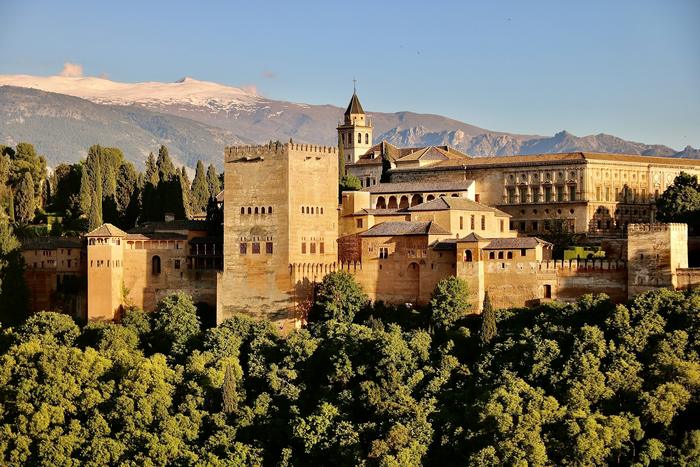
Malta

A sun-baked limestone island with more history per square mile than almost anywhere.

Best time to visit
  1. January: fine
  2. February: fine
  3. March: fine
  4. April: peak
  5. May: peak
  6. June: fine
  7. July: avoid
  8. August: avoid
  9. September: fine
  10. October: peak
  11. November: fine
  12. December: fine
Peak Fine Avoid

Read our full guides about Cyprus and Malta.

Side by side

Emphasised where they differ. Muted rows are much the same either way.

Cyprus Malta
Best time April–June, September, October April, May, October
Climate warm warm
Budget Mid-range Mediterranean — a rare winter-sun option when prices dip Mid-range Mediterranean — compact, so you spend less on transport
Trip length 1–1 wks 1–1 wks
Visa Republic of Cyprus is in the EU; visa-free for most Western passports. Verify before travel. Schengen area; visa-free for most Western passports (90 days). Verify before travel.
Currency EUR (€). EUR (€).
Language Greek (Turkish in the north); English almost universally spoken. Maltese and English (both official).
Tap water Tap water generally safe. Tap water is safe but heavily desalinated; many prefer bottled for taste.
Safety Very safe. Very safe, with low crime across the islands.

General guidance — visas, safety, and health change, so check your government's travel advisory and the official sources before you go.

The split

A varied big island, or a dense little archipelago

Both are sunny, English-friendly, left-driving island nations — but one is big and varied, the other tiny and history-dense.

Big vs tinythe scaleA varied island to drive, or an archipelago you can walk
Beaches vs Baroquethe headlineSand, sea and mountains, or Knights-era history
Schengen splitthe entry pictureMalta in Schengen; Cyprus not (yet)

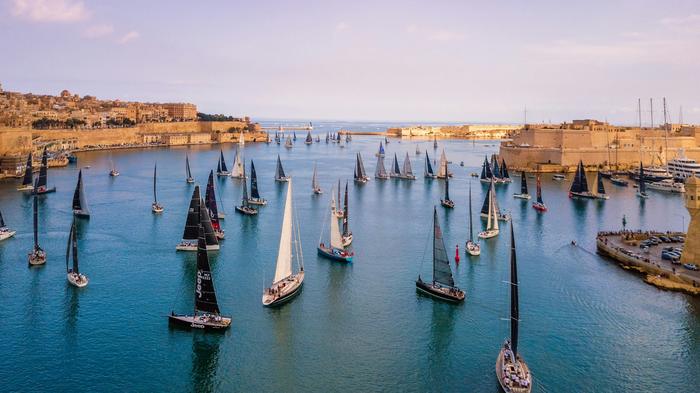
Cyprus is the bigger, more varied island — long sandy beaches and a swim season running into October, the pine-clad Troodos mountains inland, ancient Paphos, winter sun, and the unusual draw of a divided island you can cross by land. Malta is the tiny, intense archipelago: Baroque Valletta and the legacy of the Knights of St John, the walled silence of Mdina, prehistoric temples older than the pyramids, and honey-coloured fortifications — all packed into a space you can cross in under an hour.

The operational detail — Cyprus’s non-Schengen entry and Green Line crossing rules, Malta’s in-Schengen status and compact logistics — lives on the two guides: Cyprus, know before you go and Malta, know before you go. This page is the head-to-head.

The real difference

Variety and space, or history and intensity

The trade: Cyprus offers beaches, mountains and a longer season; Malta offers concentrated history in a tiny footprint.

Cyprus wins on variety and season. It gives you more and better beaches, a mountain range to escape into, ancient sites, and the genuine curiosity of the divided island — plus a mild winter that makes it a real off-season sun pick. There’s room to base in more than one spot and spread a trip out.

Malta wins on history and convenience. Few places pack this much heritage into so small an area — Valletta, Mdina, the temples, the Grand Harbour — and because the whole archipelago is tiny, you can see it from a single base without ever driving far. Choose the varied, longer-season island, or the dense, walkable, history-soaked one.

Who suits which

Who each actually suits

Both are warm, easy island nations — but one leans variety and beaches, the other history and compactness.

If you want…CyprusMalta
Sandy beaches and a long swim seasonWins. More sand, into OctoberRockier, fewer sandy spots
Concentrated historyPaphos and moreWins. Valletta, temples, the Knights
Mountains and landscape varietyWins. The Troodos inlandTiny and low-lying
A single easy baseA car helps you spread outWins. Never need to move
Winter sunWins. Mild and sunny off-seasonMild, but a smaller draw
A quirk to exploreWins. The divided islandHistory, not novelty

Doing both

Two trips, two scales

No quick hop between them — pick the scale and mood you want.

They sit at opposite ends of the Mediterranean with no easy connection, so doing both means two separate holidays: a big, varied, long-season island, or a tiny, intense, history-dense archipelago. Decide which suits you. Each also compares with its neighbours — Cyprus with the Greek islands (see Cyprus vs Greece), Malta with Italy next door (see Italy vs Malta).

What we leave out

What we deliberately leave out

Exact prices beyond the structural comparison — both are mid-range Mediterranean and move with season — so the figures here are the shape of the difference, not a quote; the country guides carry the live detail. The entry mechanics differ (Malta’s in-Schengen EES/ETIAS process, Cyprus’s non-Schengen status and Green Line crossing rules) and are covered on the guides rather than restated here.

Cyprus or Malta, month by month

Which of the two is the better bet for each month of the year, scored on how well the season suits each place.

Which to choose

Choose Cyprus if:

  • More beach variety, mountains inland and a longer season.
  • The curiosity of a divided island and a winter-sun option.
  • Space to spread out and base in more than one spot.

Choose Malta if:

  • Dense history — Baroque Valletta, temples older than the pyramids.
  • A compact base you never really need to leave.
  • You’d rather walk a small, intense archipelago than drive a big island.

Common questions

Is Cyprus or Malta better for a beach holiday?
Cyprus, for beach variety and season length — it has more and bigger sandy beaches (Ayia Napa and Protaras especially), clear water, and a swim season stretching roughly May to October, plus mild winters. Malta’s coast is more rugged and its sandy beaches are fewer and smaller (the best are in the north and on Gozo), with lots of rocky swimming spots and lidos instead. For a classic sand-and-sea week, Cyprus; for swimming woven into a history-packed trip, Malta.
Which has more to see and do?
They’re different kinds of “more”. Malta punches far above its size on history — Valletta’s Baroque grandeur, the Knights of St John, Mdina, and the Ħaġar Qim and Ġgantija temples that predate the pyramids — all within a tiny area. Cyprus offers more variety of landscape: beaches plus the Troodos mountains, ancient Paphos, and the curiosity of crossing into the Turkish-controlled north. Malta for concentrated history; Cyprus for a broader mix.
Do the entry rules differ between them?
Yes — an important practical difference. Malta is in the Schengen area, so the EU’s biometric entry system applies and the ETIAS authorisation is coming (expected 2027). Cyprus is an EU member but not yet in Schengen, so it still stamps passports by hand, its days count separately from the Schengen allowance, and ETIAS doesn’t apply there in 2026. Cyprus’s divided-island rules (enter via the south, cross the Green Line by land) add a layer Malta simply doesn’t have. Both guides carry the current detail.
Which is easier to get around?
Both are car-friendly islands where you drive on the left, but the scale differs. Malta is so compact you can cross it in under an hour, and its bus network actually covers the island, so many visitors skip the car entirely and base in one place. Cyprus is much bigger with no railways and sparse buses, so a hire car is close to essential to link the beaches, mountains and ancient sites. Malta rewards staying put; Cyprus rewards driving.
Can I combine them?
Not naturally — they’re at opposite ends of the Mediterranean with no quick hop between them, so combining means two separate trips. Choose by scale and mood: a bigger, more varied island with a long season, or a tiny, intense, history-soaked archipelago. Each also compares with its neighbours — Cyprus with the Greek islands (see Cyprus vs Greece), Malta with its giant neighbour to the north (see Italy vs Malta).

Still undecided

Take the quiz

Three matches. Often answers comparison questions for you.

Start the quiz