Serbia
The Balkans’ best night out — grilled meat, rakija, and river clubs, in Europe’s most underrated capital.
Serbia doesn't do postcards, and it barely tries to. What it does is atmosphere: Belgrade is one of the great, gritty, up-all-night cities of Europe, and the country around it delivers hearty Balkan food, cheap prices, layered Ottoman-and-Habsburg history, and a warmth and irreverence that surprises everyone who shows up expecting less. It's a city-break-and-eat trip with the best nightlife in the region attached.
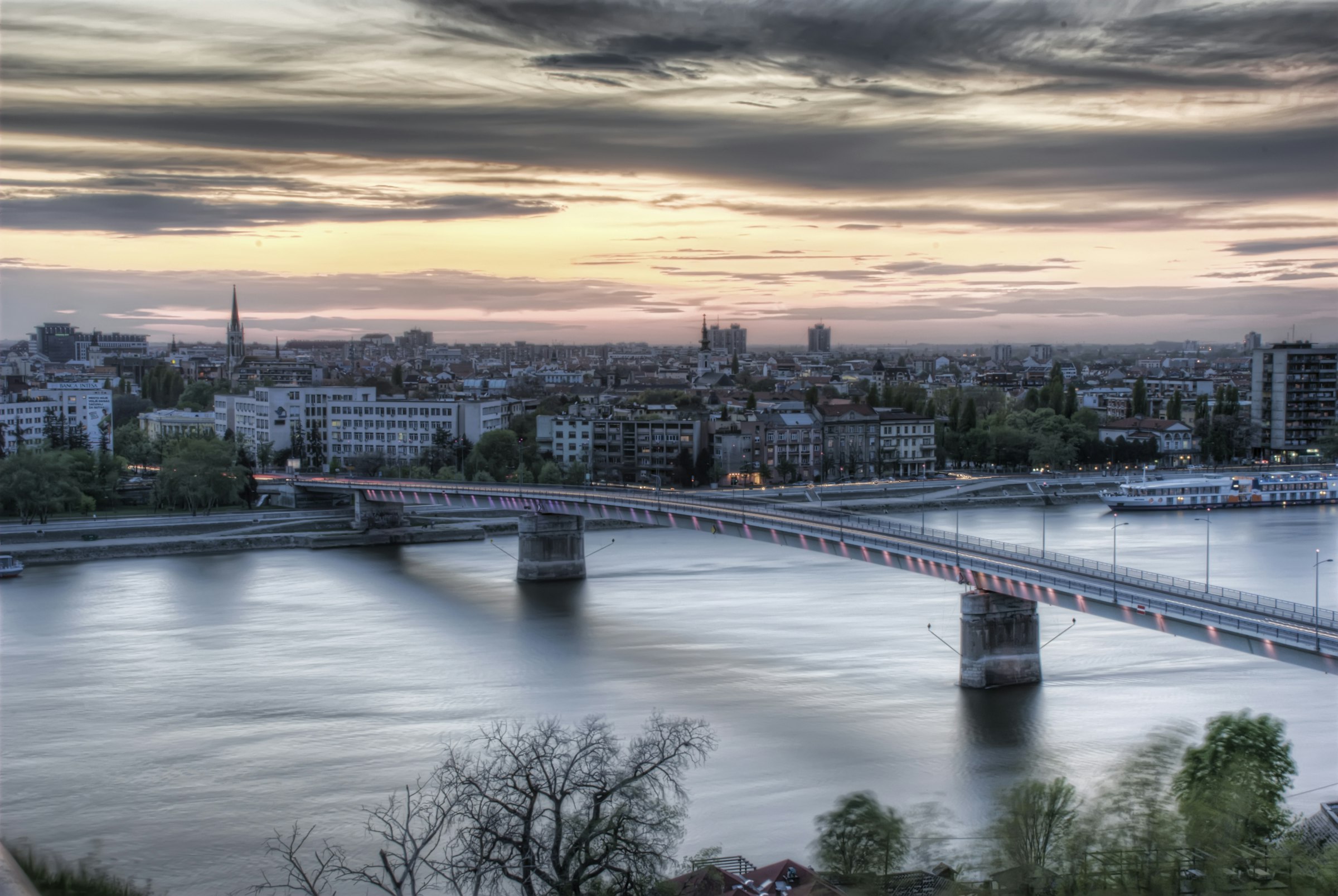
Belgrade is the reason to come. The old Kalemegdan fortress sits where the Sava meets the Danube; the bohemian Skadarlija quarter does long dinners of ćevapi and grilled everything; and after dark the city really starts — from the barge clubs (splavovi) moored along the rivers to the raw hidden bars of Savamala. An hour north, Novi Sad is prettier and calmer, with the great Petrovaradin fortress that hosts the EXIT music festival each summer. Beyond the cities, the west has the dramatic Drina River gorge and Tara National Park, the narrow-gauge Šargan Eight railway, and the film-set village of Drvengrad. It's a country you travel for the mood and the table more than a checklist of sights.
The honest part: Serbia is short on marquee attractions and beaches — it's landlocked, the 'sights' are modest, and some of Belgrade is frankly rough around the edges (that grit is part of the appeal, but it's not a polished city break). Winters are grey and cold. Come in the warmer half of the year, lean into the food, the rakija, and the nightlife, use it as a base to explore the Balkans, and you get one of the best-value, most sociable trips in Europe — with almost none of the crowds.
Highlights
-
Belgrade
Kalemegdan fortress over the rivers, the bohemian Skadarlija, and Europe’s most relentless nightlife.
-
Splavovi river clubs
Belgrade’s legendary floating bars and clubs moored along the Sava and Danube.
-
Novi Sad & Petrovaradin
A prettier riverside city and the huge fortress that hosts the summer EXIT festival.
-
Serbian food & rakija
Grilled meats, ćevapi, and the fruit brandy that fuels every gathering — hearty and dirt-cheap.
-
Drina River & Tara NP
A dramatic green-water gorge, forested national park, and the famous little house on a rock mid-river.
-
Šargan Eight railway
A restored narrow-gauge mountain railway that loops through the western hills in a figure of eight.
Practical info
- Visa
- Visa-free for most Western passports (90 days). Verify before travel.
- Currency
- Serbian Dinar (RSD); euros accepted in some places.
- Language
- Serbian; English widely spoken by younger people and in Belgrade.
- Safety
- Safe; ordinary city precautions and awareness of taxi overcharging.
- Getting around
- Walkable cities; trains and buses between them, plus the scenic western railways.
- Tap water
- Tap water is safe.
- Plug type
- Type C Type F 230V
- Money
- Cards widely accepted in cities; carry dinars for markets and rural areas.
General guidance — visas, safety, and health change, so check your government's travel advisory and the official sources before you go.
Common questions
- When is the best time to visit Serbia?
- Serbia is at its best in April–September. It's best to avoid January, February, November.
- How many days do you need in Serbia?
- Most trips run about 1 week, depending on how much ground you want to cover.
- Is Serbia expensive?
- Plan for backpacker – budget daily spend, depending on how you travel.
- Is Serbia safe for travelers?
- Safe; ordinary city precautions and awareness of taxi overcharging.
- Do you need a visa for Serbia?
- Visa-free for most Western passports (90 days). Verify before travel.
Compare Serbia with
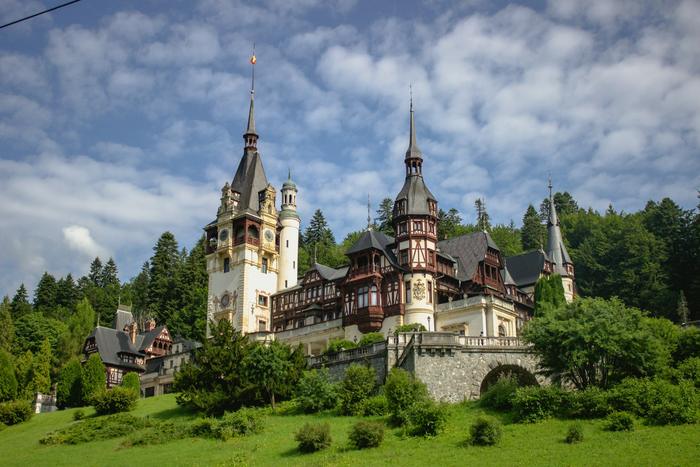
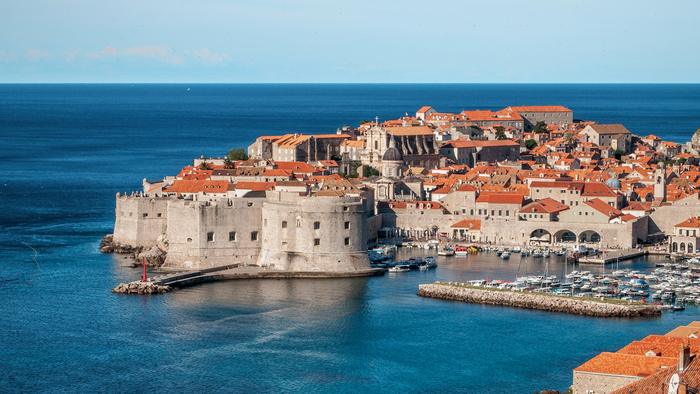
If you like Serbia, also consider
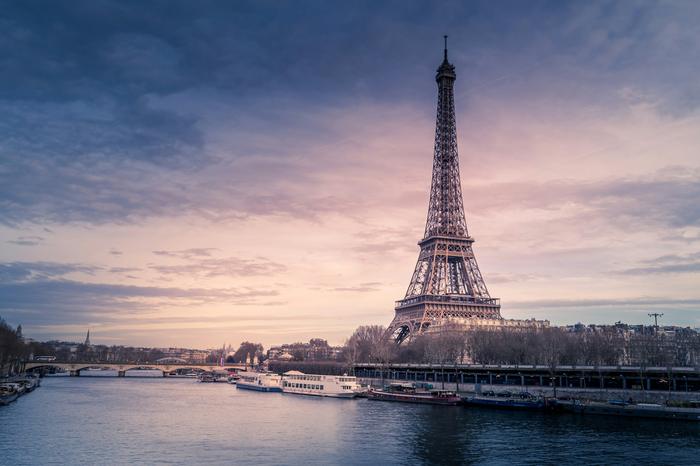
France
Paris is only the opening act — wine country, the Alps, and two coastlines.
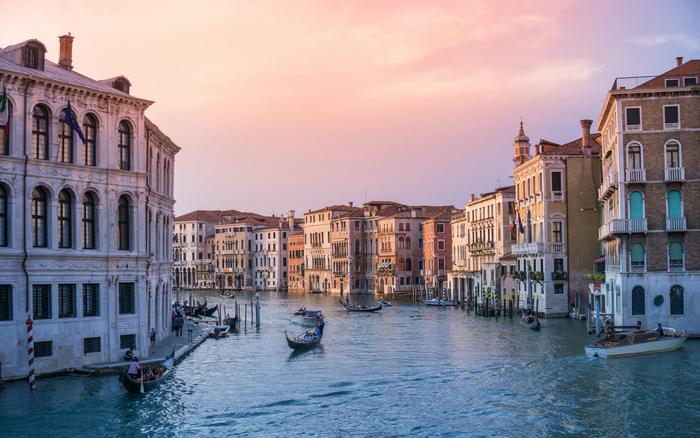
Italy
The benchmark for food, history, and beauty.
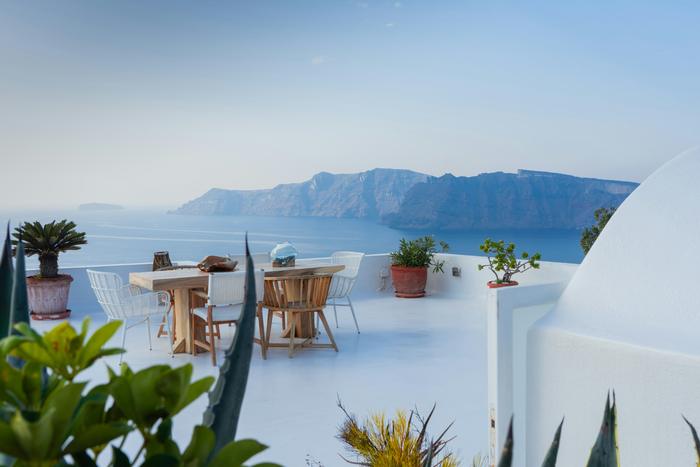
Greece
Ruins in the morning, a swim by noon, taverna until dark.
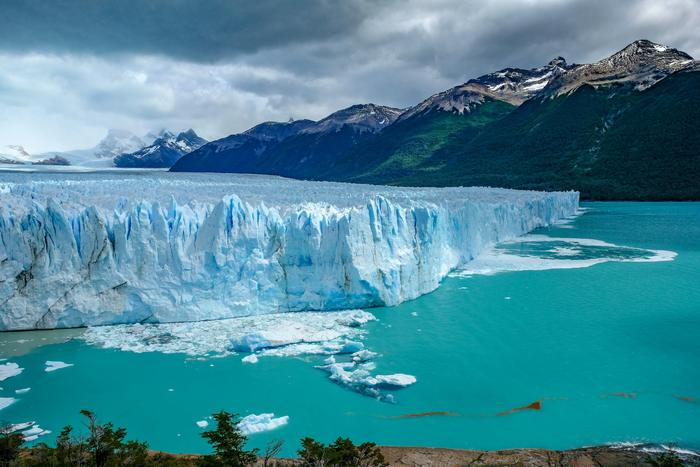
Argentina
Buenos Aires has the best steakhouses and nightlife in South America.
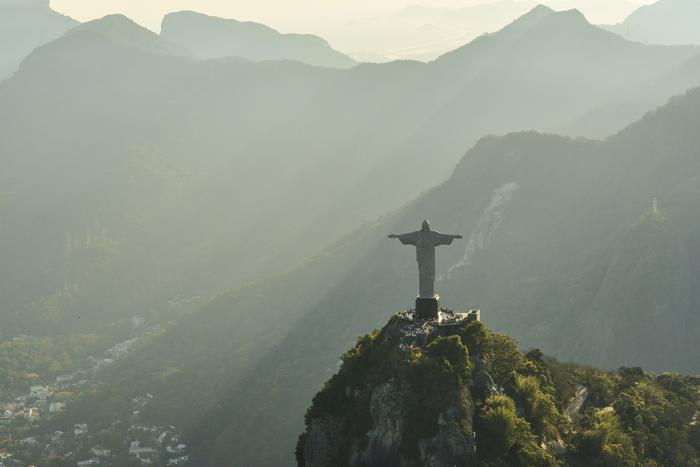
Brazil
A continent of a country. Pick two or three things and commit.
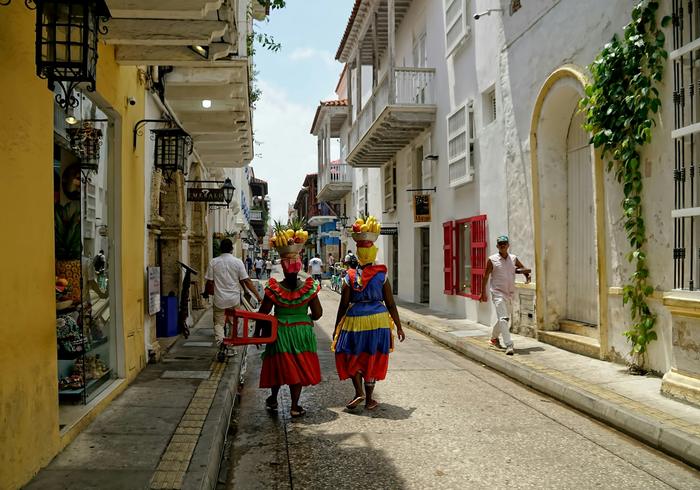
Colombia
Medellin is one of the most exciting cities in the world right now.
Not sure where to go
Take the 5-minute quiz
Answer a few honest questions and get matched to destinations that actually fit how you travel.
Start the quiz