Poland
Europe's best-value city break, with the history to match.
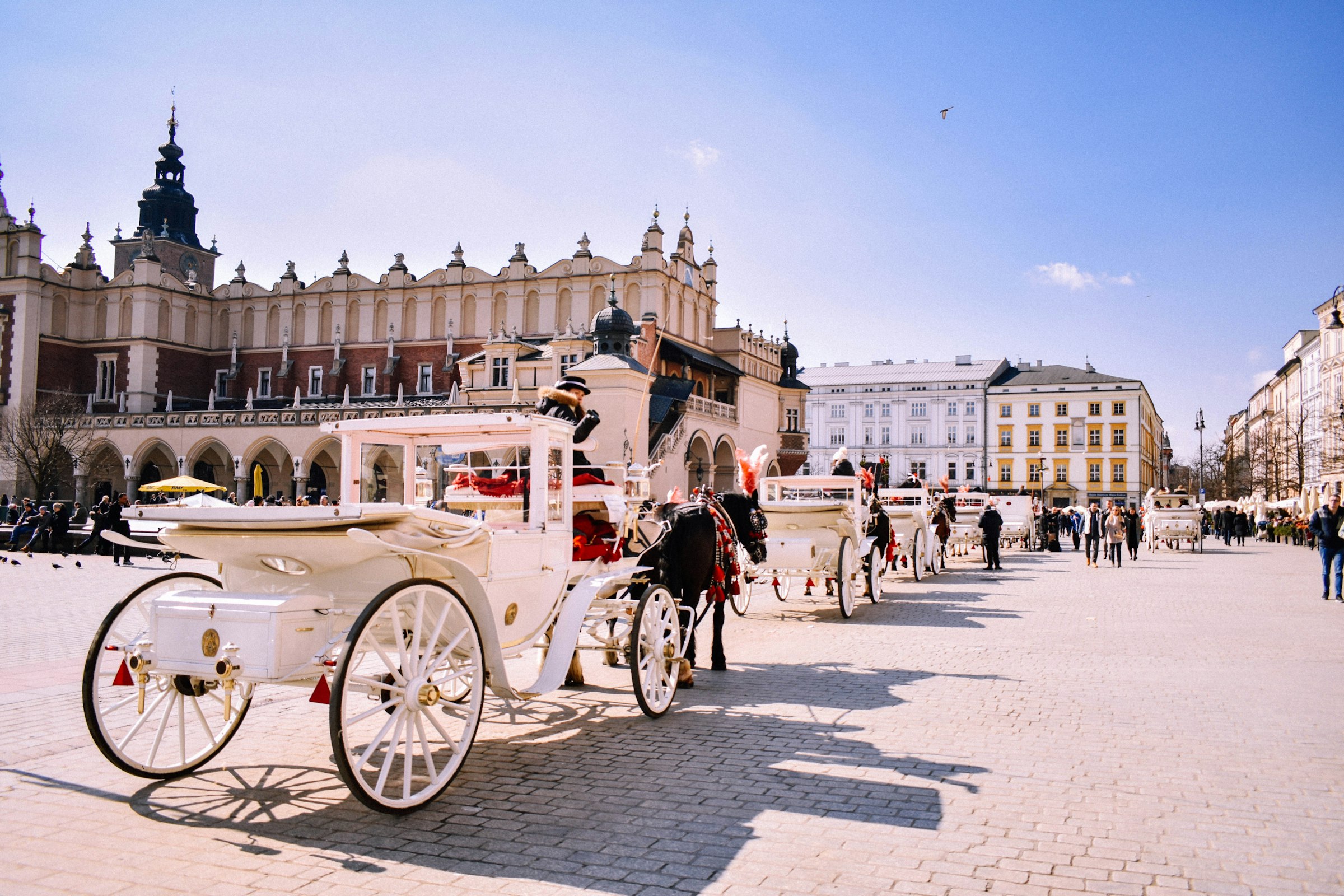
Poland delivers grand old towns at half the price of Western Europe. Kraków is the headliner — an intact medieval centre, with Auschwitz an unmissable day trip nearby. Warsaw is the surprise: rebuilt from rubble, now genuinely good for food and nightlife. Gdańsk adds the Baltic coast. Cheap, easy by train, and not yet overrun.
Base yourself in Kraków for three or four days: the Rynek and Kazimierz, pierogi and vodka bars, a sobering day at Auschwitz-Birkenau and another underground at Wieliczka. Then take the train — Warsaw is around two and a half hours, Gdańsk a few more beyond that. Your money goes on almost nothing: dinner with drinks costs a fraction of Paris prices, and decent city-centre hotels stay affordable even in summer.
The drawback is the weather and what sits between the old towns: grey skies much of the year, and communist-era sprawl ringing every historic centre. November through February is dark and cold unless you're coming for Christmas markets. Kraków's main square gets stag-party loud on summer weekends. This is not a trip for beaches or scenery — it's cities, history, and food. But pound for pound, no city break in Europe gives you more.
Highlights
-
Kraków
One of Europe's finest old towns, and the base for Auschwitz-Birkenau.
-
Warsaw
Rebuilt, reinvented, and the country's nightlife capital.
-
Gdańsk
Hanseatic facades on the Baltic — and a moving WWII museum.
-
Wieliczka & the Tatras
A salt-mine cathedral, then mountains on the Slovak border.
Practical info
- Visa
- Schengen — visa-free for most Western passports (90 days).
- Currency
- PLN (Złoty), roughly 4 PLN ≈ 1 USD.
- Language
- Polish. English is common among younger people and in cities.
- Safety
- Very safe.
- Getting around
- Good intercity trains and buses; walkable city centres.
- Tap water
- Tap water safe.
- Plug type
- Type C Type E 230V
- Money
- Cards and contactless widely accepted.
General guidance — visas, safety, and health change, so check your government's travel advisory and the official sources before you go.
Common questions
- When is the best time to visit Poland?
- Poland is at its best in May–September. It's best to avoid February, November.
- How many days do you need in Poland?
- Most trips run 1–2 weeks, depending on how much ground you want to cover.
- Is Poland expensive?
- Plan for backpacker – budget daily spend, depending on how you travel.
- Is Poland safe for travelers?
- Very safe.
- Do you need a visa for Poland?
- Schengen — visa-free for most Western passports (90 days).
Compare Poland with
If you like Poland, also consider
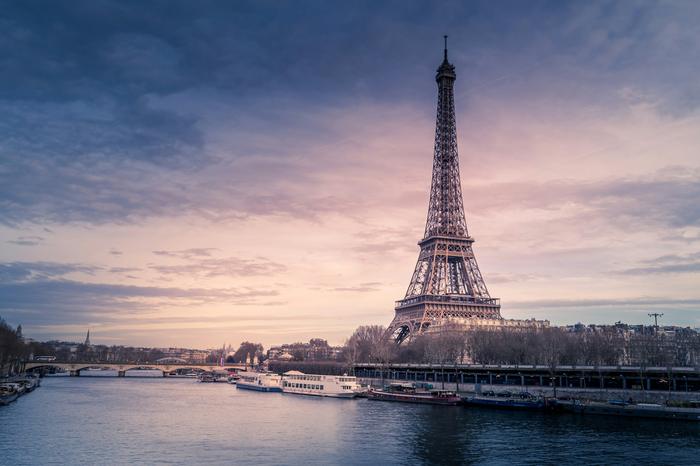
France
Paris is only the opening act — wine country, the Alps, and two coastlines.
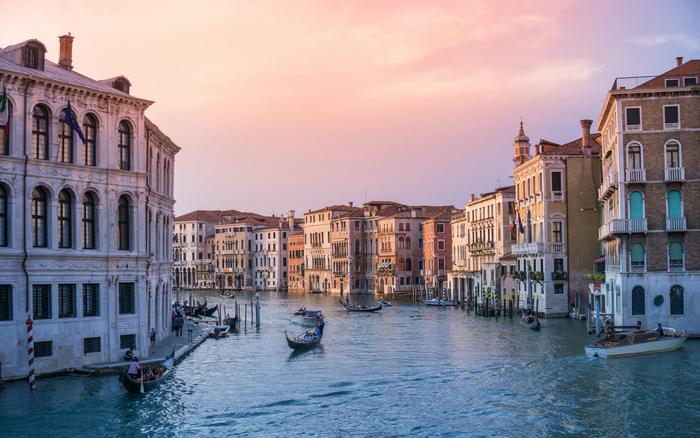
Italy
The benchmark for food, history, and beauty.
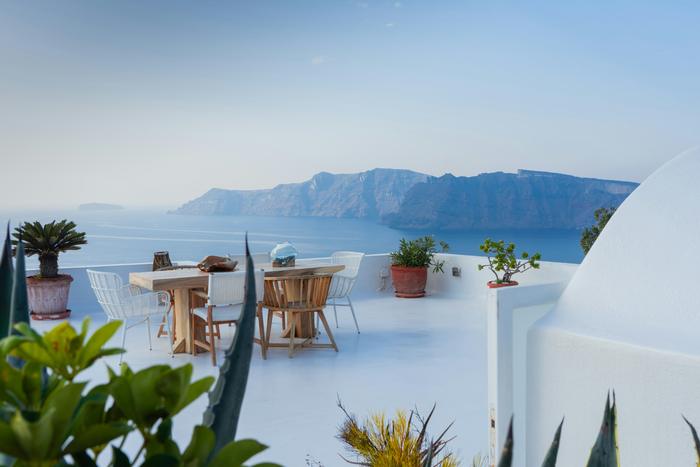
Greece
Ruins in the morning, a swim by noon, taverna until dark.
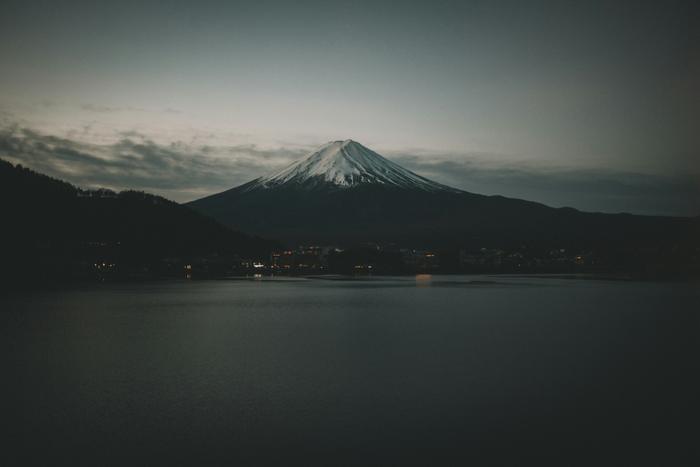
Japan
Extraordinary food, culture, and cities. Nothing quite prepares you for it.
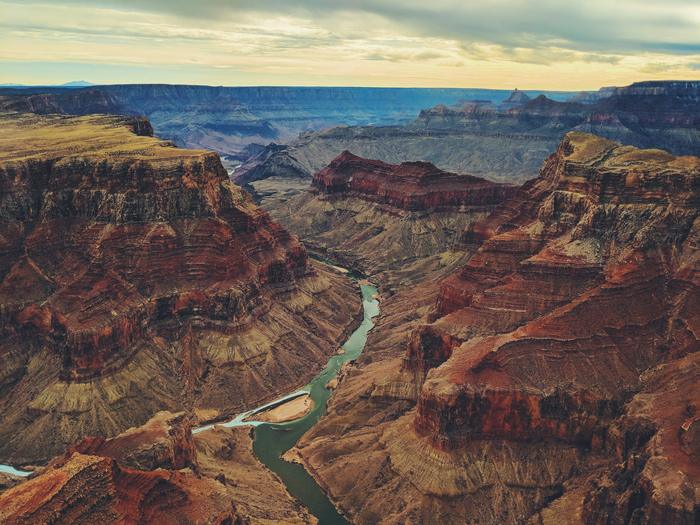
United States
A continent pretending to be a country — cities, deserts, and the best national parks anywhere.
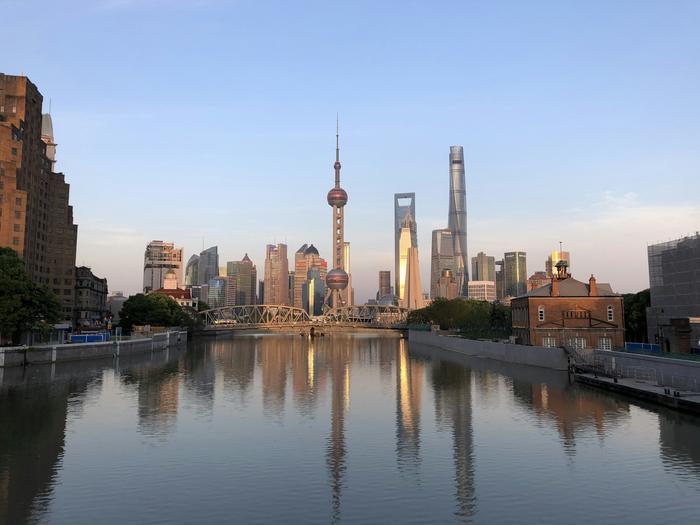
China
Ancient history and hypermodern cities at a scale that's hard to grasp until you're there.
Not sure where to go
Take the 5-minute quiz
Answer a few honest questions and get matched to destinations that actually fit how you travel.
Start the quiz