Chile vs Peru

Two neighbouring South American giants with different souls. Peru is the ancient one — Machu Picchu, Cusco and the Inca world, the high Andes, the Amazon, and a food scene among the world’s best. Chile is the long, wild, orderly one — the driest desert on Earth in the north, Patagonian ice in the south, wine country and Easter Island in between, in one of the continent’s most stable and developed countries. One is a cultural pilgrimage; the other a sweep of landscapes.

South America

Chile

A 4,000km country of deserts, wine valleys, lakes, and southern fjords.

Best time to visit
  1. January: peak
  2. February: peak
  3. March: peak
  4. April: fine
  5. May: avoid
  6. June: avoid
  7. July: avoid
  8. August: avoid
  9. September: fine
  10. October: fine
  11. November: peak
  12. December: peak
Peak Fine Avoid
South America

Peru

Machu Picchu, the Sacred Valley, Lima's food scene, and the Amazon.

Best time to visit
  1. January: avoid
  2. February: avoid
  3. March: fine
  4. April: fine
  5. May: peak
  6. June: peak
  7. July: peak
  8. August: peak
  9. September: peak
  10. October: peak
  11. November: fine
  12. December: avoid
Peak Fine Avoid

Read our full guides about Chile and Peru.

Side by side

Emphasised where they differ. Muted rows are much the same either way.

Chile Peru
Best time November–March May–October
Climate mild mild
Budget One of South America’s pricier countries — Patagonia the costliest leg Good value on the ground — flights and Machu Picchu logistics are the cost
Trip length 2–4 wks 2–5 wks
Visa Visa-free for most Western passports (90 days). Verify before travel. Visa-free for most Western passports (90 days).
Currency CLP (Chilean Peso). PEN (Sol). Roughly 3.7 PEN ≈ 1 USD.
Language Spanish. Limited English. Spanish (Quechua in highlands). Limited English.
Tap water Tap water generally safe in Santiago and major towns. Tap water not safe.
Safety One of the safer countries in the region. Watch for petty theft in cities. Generally safe in tourism. Altitude sickness in Cusco is the bigger concern.

General guidance — visas, safety, and health change, so check your government's travel advisory and the official sources before you go.

The split

Ancient Andes, or a desert-to-ice sweep

Both are South American giants — but one is the Inca heartland of ruins and food, the other a long, wild, orderly run of landscapes.

Ruins vs landscapeswhat each is really forMachu Picchu and the Incas, or Atacama-to-Patagonia
Culture vs naturethe pullAn ancient pilgrimage, or a sweep of wild scenery
Value vs easethe trade-offPeru’s good-value intensity, or Chile’s stable smoothness

Peru is the ancient one — Machu Picchu, Cusco and the Sacred Valley, the Inca world in the high Andes, the Amazon, and Lima’s celebrated food scene as a modern counterpoint. Chile is the long, wild, orderly one: the driest desert on Earth in the north, Patagonian glaciers and granite towers in the south, wine country and Easter Island in between — a desert-to-ice sweep of landscapes in one of the continent’s most stable and developed countries.

The operational detail — Chile’s Torres del Paine and Easter Island booking systems, domestic flights and advisory picture; Peru’s Machu Picchu tickets, altitude and protest-and-blockade volatility — lives on the two guides: Chile, know before you go and Peru, know before you go. This page is the head-to-head.

The real difference

A cultural pilgrimage, or a landscape sweep

The trade: Peru offers the world-icon ruin, ancient depth and great food; Chile offers wild landscapes and easy, stable travel.

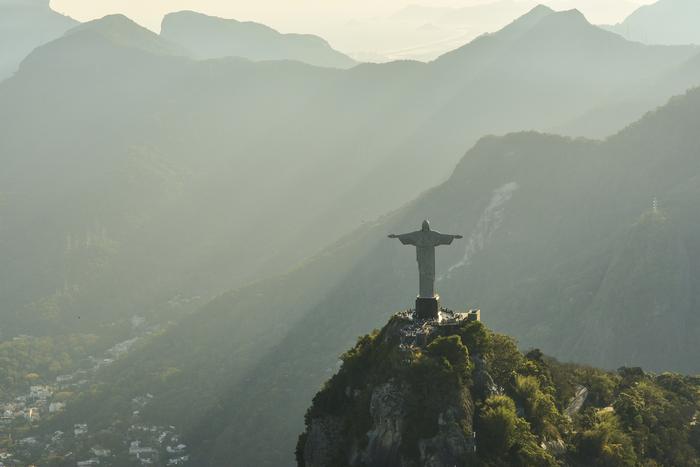
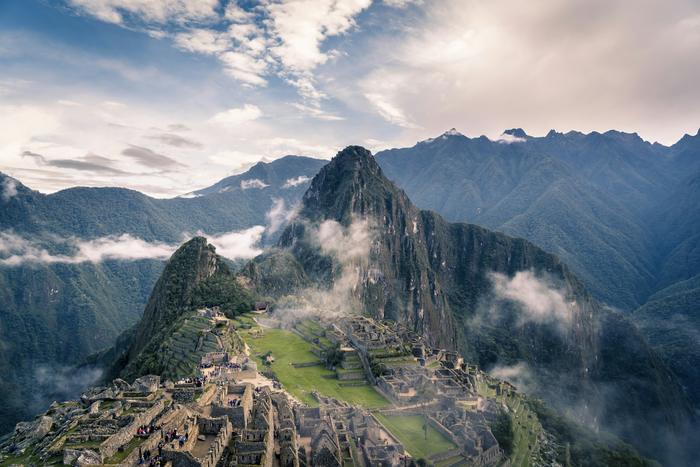
Peru wins on the icon, the ancient story and the table. Machu Picchu is once-in-a-lifetime, Cusco and the Sacred Valley give it depth, and the food scene adds a world-class modern draw — a cultural pilgrimage more than a nature trip, if one that asks you to manage altitude, tickets and the odd blockade, and it’s good value on the ground.

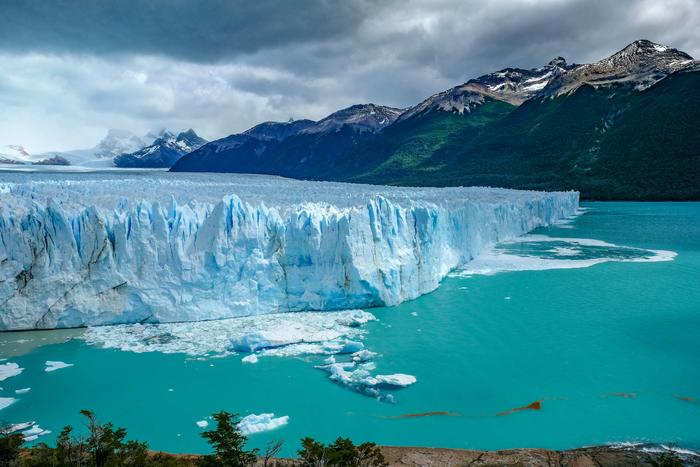
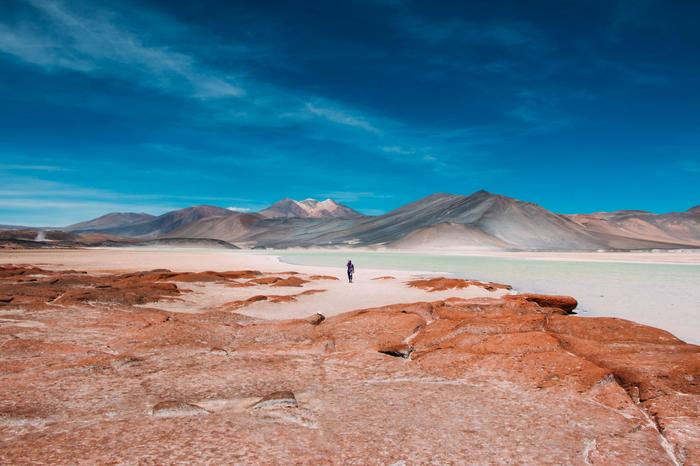
Chile wins on landscape and ease. Its range — the Atacama’s lunar desert, Patagonia’s ice, Easter Island’s moai, the wine valleys — is extraordinary, and it comes in a stable, developed country with smooth logistics, if at higher prices and requiring you to book the marquee parks well ahead. Choose the Inca pilgrimage, or the desert-to-ice sweep.

Who suits which

Who each actually suits

Both are giants — but one leans ancient culture and food, the other wild landscapes and ease.

If you want…ChilePeru
A world-icon ruinNo equivalentWins. Machu Picchu and the Incas
Desert-to-ice landscapesWins. Atacama to PatagoniaAndes, but ruins lead
World-class foodGreat wine and seafoodWins. Lima’s global scene
Stable, developed, easy travelWins. Smooth logisticsRewarding, but more to manage
Lower costs on the groundPricier, Patagonia most of allWins. Good value
A remote bucket-list add-onWins. Easter IslandThe Amazon

Doing both

Neighbours on the grand circuit

They combine on a longer South America trip — if you have the weeks.

Chile and Peru are neighbours on the classic grand South America circuit and connect by air (and overland in the north), so a longer trip can pair Machu Picchu with the Atacama or Patagonia. Both are vast, though — Chile especially swallows distance — so a combined itinerary really wants two to three weeks. With less, choose the headline: the Inca world, or the desert-to-ice sweep. Peru also compares with its other neighbours (see Argentina vs Peru and Ecuador vs Peru).
What we leave out

What we deliberately leave out

Exact prices beyond the structural comparison — Chile’s Patagonia costs and Peru’s flights-and-Machu-Picchu logistics all move with season — so the figures here are the shape of the difference, not a quote; the country guides carry the live detail. Each country’s volatile piece (Chile’s park-booking systems and Villarrica volcano, Peru’s protests and Machu Picchu ticketing) is covered on its guide, to be checked before you commit, rather than restated here.

Chile or Peru, month by month

Which of the two is the better bet for each month of the year, scored on how well the season suits each place.

Which to choose

Choose Chile if:

  • Landscapes — Atacama to Patagonia — are the draw.
  • You want stable, developed, easy travel and good infrastructure.
  • Wild scenery and Easter Island over ancient ruins.

Choose Peru if:

  • Machu Picchu and the Inca world are the whole reason to go.
  • Ancient history, the high Andes and world-class food top the list.
  • A cultural bucket-list icon over big wilderness.

Common questions

Is Chile or Peru better for a first trip to South America?
Peru is the more classic first choice, because Machu Picchu is the continent’s signature sight and the Cusco–Sacred Valley circuit is a well-trodden, rewarding introduction — though it comes with altitude and a complex ticket system. Chile is the better first trip if your dream is landscapes rather than ruins, and if you value ease: it’s among South America’s most stable, developed and straightforward countries, from the Atacama to Patagonia. For the iconic ruins, Peru; for wild scenery and smooth logistics, Chile.
Which has the bigger must-see?
Different kinds of “must-see”. Peru has the world-icon — Machu Picchu is one of the most famous places on Earth, and the Inca heritage around it is unmatched. Chile’s headliners are natural — the lunar valleys and salt flats of the Atacama, the granite towers of Torres del Paine, the moai of Easter Island — awe-inspiring, but a spread of landscapes rather than one built icon. For the famous ruin, Peru; for jaw-dropping scenery, Chile.
Which has better food?
Peru, by reputation — it’s a genuine global food destination, with Lima’s restaurants among the world’s best and a cuisine (ceviche, Andean ingredients) that’s a real draw in itself. Chile eats well too, with excellent seafood and world-class wine country (Carmenère, the Colchagua and Casablanca valleys), but its food isn’t the headline that Peru’s is. For cutting-edge gastronomy, Peru; for great wine alongside the scenery, Chile.
Which is easier and more stable to travel?
Chile is the more stable and developed, with better infrastructure and generally smooth logistics — the main everyday risk is opportunistic theft in Santiago and Valparaíso, and the planning challenge is booking Torres del Paine and Easter Island well ahead. Peru is good value and rewarding, but altitude in Cusco, the Machu Picchu ticketing, and recurring protests and road/rail blockades are real factors. Chile for ease and stability; Peru for the icon, with more to manage — hence the early recheck on both.
Can I combine Chile and Peru?
Yes — they’re neighbours on the grand South America circuit and connect by air (and overland in the north), so a longer trip can pair Machu Picchu with the Atacama or Patagonia. Both are big, though — Chile especially eats distance — so a combined itinerary wants two to three weeks to avoid being a blur. With less time, pick the headline: the Inca world, or the desert-to-ice sweep. Peru also compares with its other neighbours (see Argentina vs Peru and Ecuador vs Peru).
Still undecided

Take the quiz

Three matches. Often answers comparison questions for you.

Start the quiz