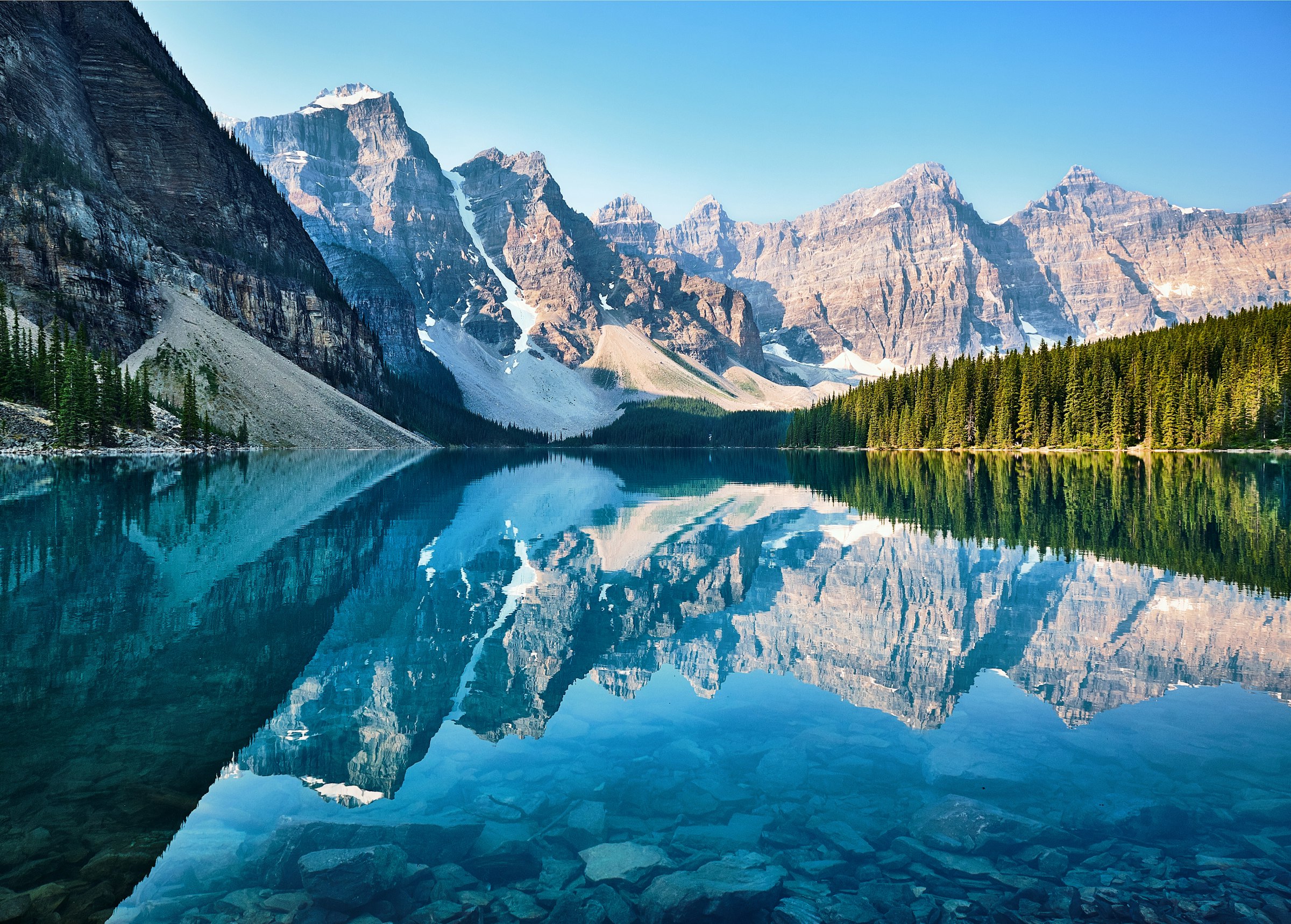
Canada
Wilderness on a continental scale — Rockies, coast, and the cities between.
Canada is built for the outdoors. The Rockies around Banff and Jasper are the headline, but the range runs from Vancouver's coastal mountains to the Atlantic and the empty north. The cities are livable and worth time — Vancouver, Montréal, Toronto — but the country is at its best out in the parks and on the water. Summer for hiking and wildlife, winter for skiing and the northern lights.
The classic trip is a western loop: fly into Calgary, drive the Icefields Parkway between Banff and Jasper with stops at Lake Louise and Peyto Lake, then cross to Vancouver for sushi and seawall cycling. Summer days mean long hikes and cold lake swims; winter swaps in Whistler or Lake Louise skiing. The east is a separate trip entirely — Montréal's food scene and Québec City's walled old town. Costs concentrate in park-town hotels and car hire, both of which book out months ahead.
Banff in July and August is a victim of its own postcard — Lake Louise parking fills before sunrise and Moraine Lake is shuttle-only now. Park-town prices rival Switzerland, the prime hiking season is short, and outside the parks you'll drive for hours through very little. The cities are pleasant but won't carry a trip on their own. Go for the wilderness or don't go; once you're out in it, the scale of the Rockies makes the cost feel cheap.
Highlights
-
Banff & the Canadian Rockies
Turquoise lakes, big peaks, and the country's signature scenery.
-
Vancouver & British Columbia
Mountains meeting the sea, with a serious food scene.
-
Montréal & Québec City
French-speaking, walkable, and the most distinct culture in the country.
-
The Yukon & the north
Northern lights, empty road, and proper wilderness.
-
The Maritimes
Nova Scotia and PEI — coast, seafood, and small-town calm.
Practical info
- Visa
- eTA required for most visa-exempt air travelers. Apply online before travel.
- Currency
- CAD ($). Roughly 1.4 CAD ≈ 1 USD.
- Language
- English, and French in Québec.
- Safety
- Very safe. Bears and remote distances are the real hazards.
- Getting around
- A car is essential for the parks; domestic flights cover the long distances.
- Tap water
- Tap water safe.
- Plug type
- Type A Type B 120V
- Money
- Cards accepted everywhere; tipping 15–20% is expected.
General guidance — visas, safety, and health change, so check your government's travel advisory and the official sources before you go.
Common questions
- When is the best time to visit Canada?
- Canada is at its best in May–September. It's best to avoid November.
- How many days do you need in Canada?
- Most trips run 2–4 weeks, depending on how much ground you want to cover.
- Is Canada expensive?
- Plan for mid-range – premium daily spend, depending on how you travel.
- Is Canada safe for travelers?
- Very safe. Bears and remote distances are the real hazards.
- Do you need a visa for Canada?
- eTA required for most visa-exempt air travelers. Apply online before travel.
Compare Canada with
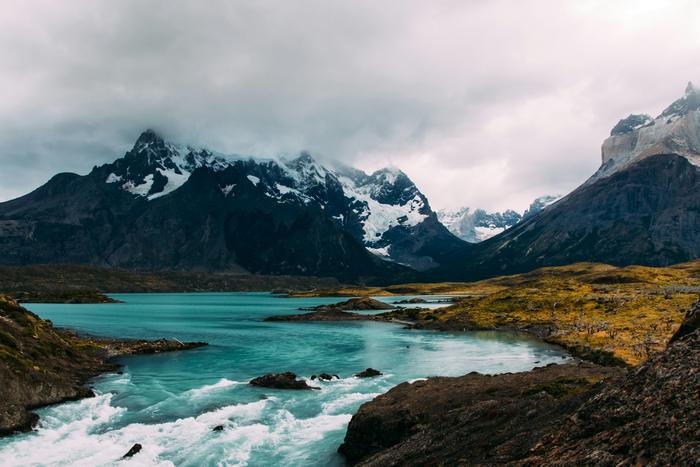
If you like Canada, also consider
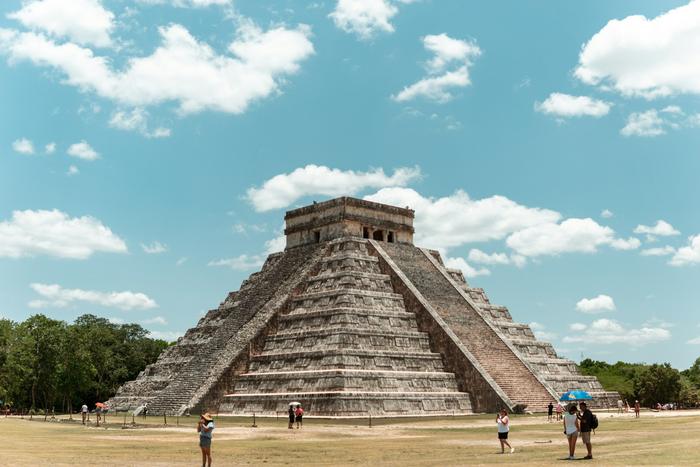
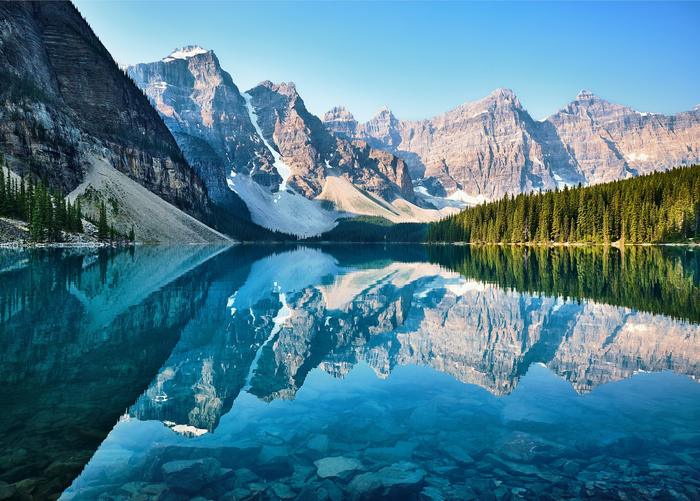
Mexico
Mexico City is world-class. Add the coast, ruins, and food culture.
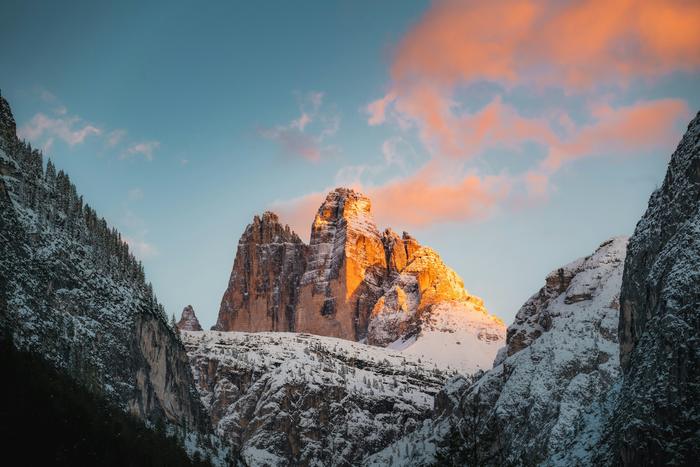
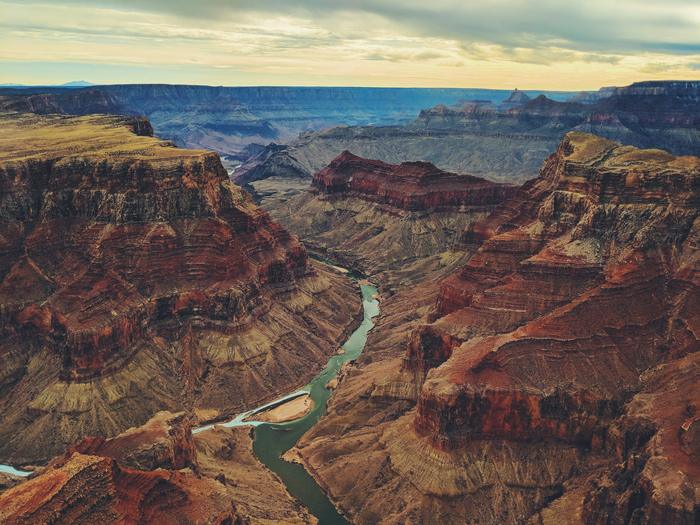
The Alps
The ski and alpine benchmark — every other mountain range is measured against this.
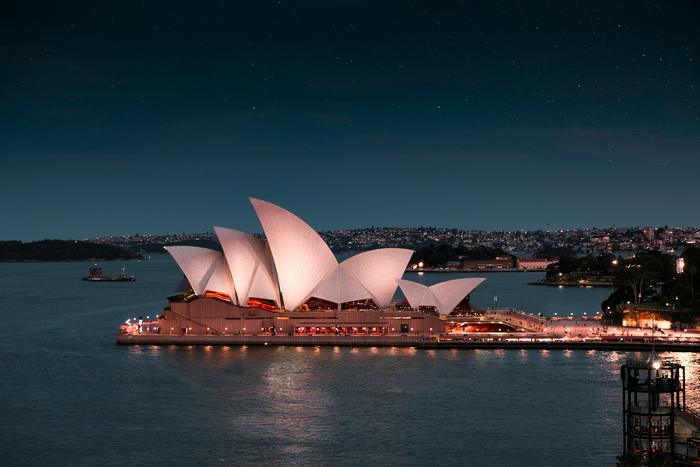
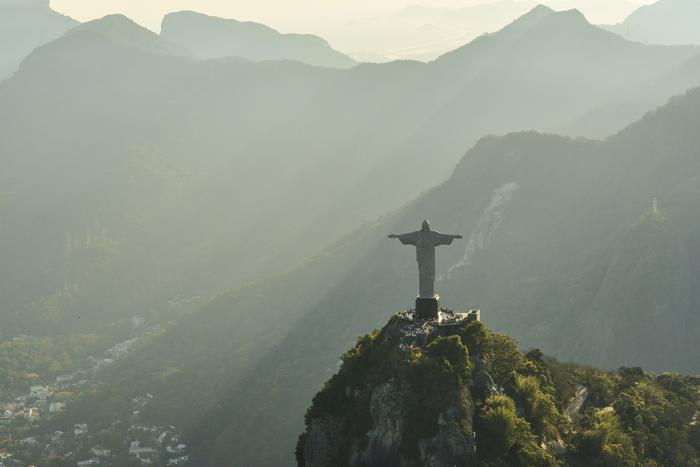
Australia
Vast, varied, relaxed. Reef, Sydney, and proper wilderness in one.
Not sure where to go
Take the 5-minute quiz
Answer a few honest questions and get matched to destinations that actually fit how you travel.
Start the quiz