Chile
A 4,000km country of deserts, wine valleys, lakes, and southern fjords.
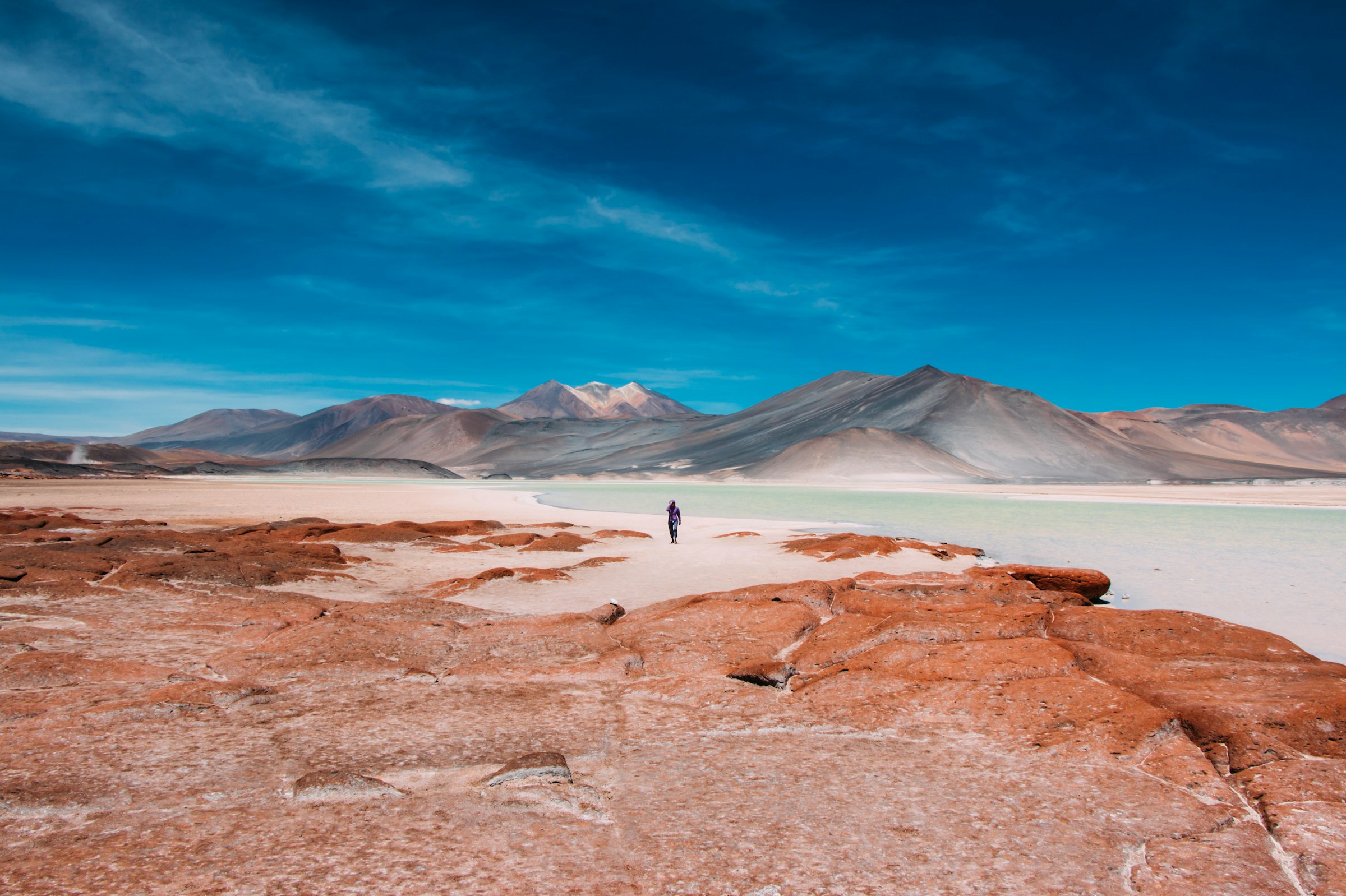
Chile is a thin ribbon stretched the length of a continent, which means you pick your climates and fly between them. The Atacama is the driest desert on earth; Santiago anchors the wine country; the Lake District and Chiloé bring volcanoes, forests, and rain; and the far south runs down toward Patagonia. One trip rarely covers it all, and that is the point.
Most itineraries pair Santiago and the central valleys — Casablanca and Colchagua for wine, Valparaíso for hillside color and street art — with one or two flights to a contrasting region. San Pedro de Atacama delivers geysers, salt flats, and clear-sky stargazing; the Lake District around Pucón offers volcano climbs and hot springs; Chiloé adds wooden churches, seafood, and fog. The food and wine punch above the price, and Santiago is the easiest big city to land in on the continent.
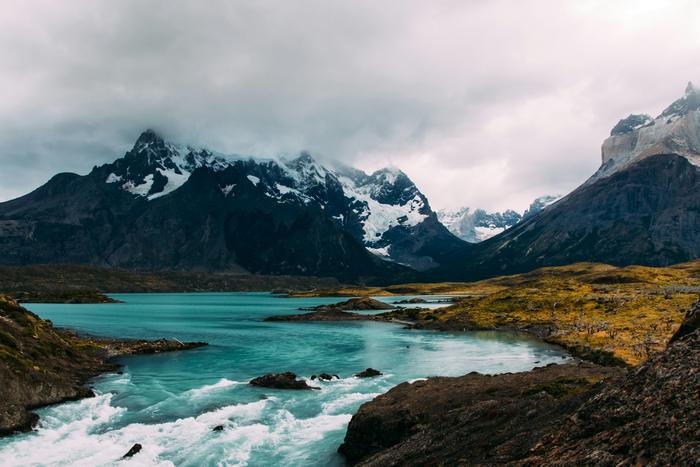
The honest part: the geography is the cost. This is a country you fly across, and internal flights add up fast across a 4,000km span — the alternative is bus rides measured in days. Note that Torres del Paine and the deep south sit in our separate Patagonia entry, so a true end-to-end Chile trip is really two or three trips. Outside the desert and the capital, winter (June to August) shuts down much of the south. Plan one or two regions well rather than chasing the whole map.
Highlights
-
Atacama Desert
Geysers, salt lagoons, and the clearest night skies anywhere.
-
Santiago & wine valleys
Andes-backed capital with Casablanca and Colchagua an hour out.
-
Valparaíso
Port city of funiculars, murals, and steep painted hills.
-
Lake District (Pucón)
Volcano climbs, lakes, and hot springs. Forest and rain.
-
Chiloé
Wooden churches, palafito stilt houses, and seafood in the fog.
Practical info
- Visa
- Visa-free for most Western passports (90 days). Verify before travel.
- Currency
- CLP (Chilean Peso).
- Language
- Spanish. Limited English.
- Safety
- One of the safer countries in the region. Watch for petty theft in cities.
- Getting around
- Domestic flights for the long distances; good buses for shorter hops.
- Tap water
- Tap water generally safe in Santiago and major towns.
- Plug type
- Type C Type L 220V
- Money
- Cards widely accepted; carry cash for smaller towns and markets.
General guidance — visas, safety, and health change, so check your government's travel advisory and the official sources before you go.
Common questions
- When is the best time to visit Chile?
- Chile is at its best in November–March. It's best to avoid May, June, July.
- How many days do you need in Chile?
- Most trips run 2–4 weeks, depending on how much ground you want to cover.
- Is Chile expensive?
- Plan for budget – mid-range daily spend, depending on how you travel.
- Is Chile safe for travelers?
- One of the safer countries in the region. Watch for petty theft in cities.
- Do you need a visa for Chile?
- Visa-free for most Western passports (90 days). Verify before travel.
Compare Chile with
If you like Chile, also consider
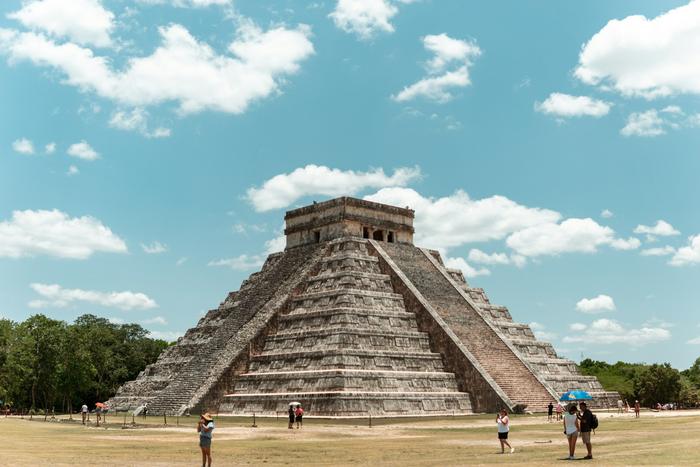
Mexico
Mexico City is world-class. Add the coast, ruins, and food culture.
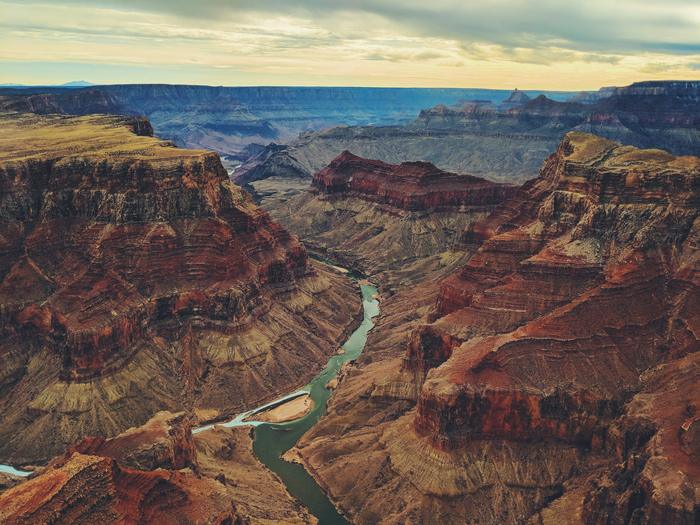
United States
A continent pretending to be a country — cities, deserts, and the best national parks anywhere.
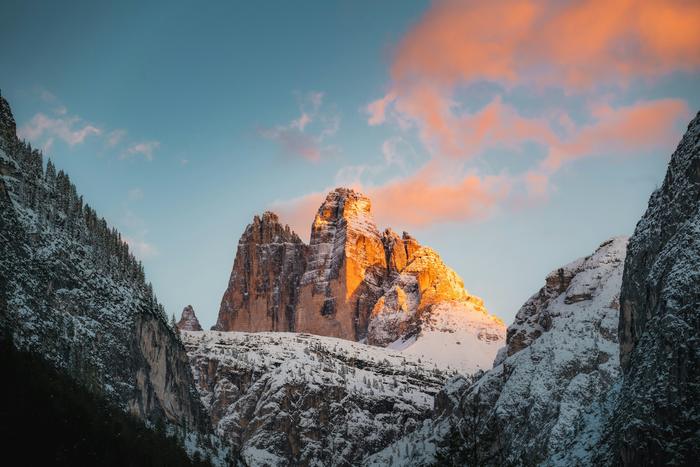
The Alps
The ski and alpine benchmark — every other mountain range is measured against this.
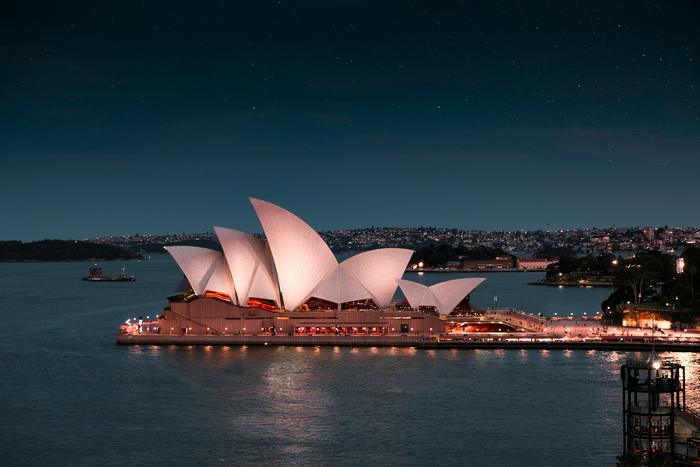
Australia
Vast, varied, relaxed. Reef, Sydney, and proper wilderness in one.
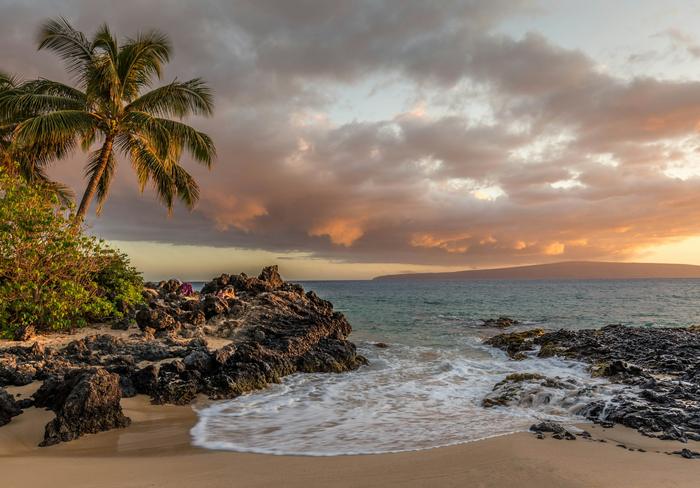
Hawaii
A handful of islands where the landscapes and the ocean genuinely earn the flight.
Not sure where to go
Take the 5-minute quiz
Answer a few honest questions and get matched to destinations that actually fit how you travel.
Start the quiz