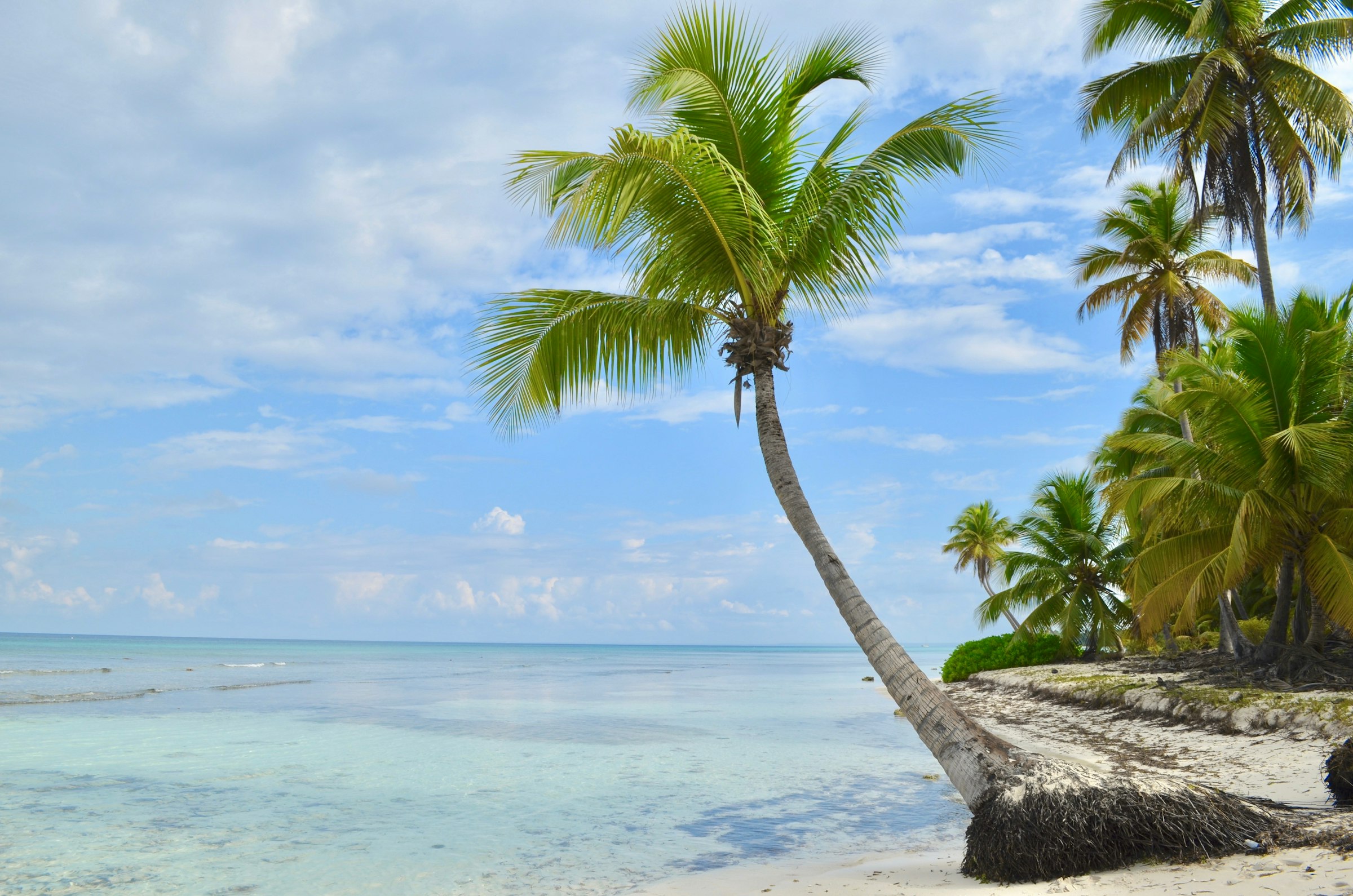
Dominican Republic
Cheap flights, warm sea, and a lot more country than the resort brochure admits.
For most people the Dominican Republic means a week behind the walls of an all-inclusive in Punta Cana — flights are cheap, the beaches are the real Caribbean thing, and you barely have to think. That's a perfectly good holiday. But it's a sliver of the country: leave the resort strip and you get the oldest European city in the Americas, mountains you can actually hike, and a bay where humpback whales come to breed every winter.
The default trip is a beach week on the east coast, and it delivers: Punta Cana and Bávaro have kilometres of palm-backed white sand, warm water, and enough loungers and swim-up bars to never move again. Fair enough. What most people miss is how much else is within a few hours' drive. Santo Domingo's Zona Colonial is the first European city in the Americas, with cobbled streets and a cathedral from the 1500s. Samaná runs whale-watching from January to March and hides the El Limón waterfall inland. Jarabacoa and the Pico Duarte highlands are genuinely cool and green — the Caribbean's highest peak, not a beach in sight. Cabarete on the north coast is a kitesurf town, and Bahía de las Águilas out west is a wild, roadless, near-empty beach that looks like the brochure of somewhere far more expensive.
The honest part: the resort strips are generic and deliberately walled off — manicured, dollar-priced, and interchangeable with any other Caribbean package coast, and the moment you step outside them the polish disappears. Beyond the resort you'll want a rental car for independence and enough Spanish to get by, because English mostly stops at the hotel gate and the guaguas won't wait for your phone translation. Santo Domingo rewards a visit but asks for normal big-city caution. The trade-off is the appeal: some of the cheapest flights to a real Caribbean beach, and far more variety — colonial history, mountains, whales — than its package-holiday image lets on.
Highlights
-
Punta Cana & Bávaro
Kilometres of palm-backed white sand and warm water — the all-inclusive heartland, and it does deliver the beach.
-
Santo Domingo Zona Colonial
The oldest European city in the Americas: cobbled streets and a cathedral from the 1500s.
-
Samaná
Humpback whales January to March, plus the El Limón waterfall hidden inland.
-
Bahía de las Águilas
A remote, roadless, near-empty beach in the far southwest — the wild one.
-
Jarabacoa & Pico Duarte
Cool green highlands and the Caribbean's highest peak. No beach involved.
-
Cabarete
The north-coast kitesurf and windsurf town, with a livelier, less-packaged feel.
Practical info
- Visa
- Most Western passports enter visa-free; an online E-Ticket is required before arrival.
- Currency
- DOP (Dominican Peso); USD widely accepted at resorts.
- Language
- Spanish; English mainly in resorts.
- Safety
- Generally fine in tourist zones; use normal city caution in Santo Domingo.
- Getting around
- Resort transfers cover the easy trips; guaguas (local minibuses) are cheap; rent a car for real independence.
- Tap water
- Drink bottled.
- Plug type
- Type A Type B 120V
- Money
- Cards work at resorts; carry cash for local shops, guaguas, and small towns.
General guidance — visas, safety, and health change, so check your government's travel advisory and the official sources before you go.
Common questions
- When is the best time to visit the Dominican Republic?
- December to April is the dry, sunny high season — the best weather and the busiest, priciest window, peaking over Christmas and New Year. Hurricane season runs June to the end of November, with the real risk concentrated August–October; direct hits are rare but tropical storms can disrupt a trip, so insurance is worth it. One seasonal draw is worth planning around: humpback whales gather in Samaná Bay from about mid-January to the end of March, overlapping the dry high season — one of the Caribbean’s great wildlife spectacles.
- What do you need to enter the Dominican Republic?
- Most visitors (US, UK, EU) enter visa-free for a tourist stay, but there is one thing you must not skip: the E-Ticket, a free online form at eticket.migracion.gob.do required for BOTH arrival and departure. It folds the old immigration, customs and health forms into one digital submission, and a round trip needs two separate QR codes — one in, one out — completed before you reach the check-in counter. The old tourist-card fee and departure tax are now bundled into your airfare. Through 31 December 2026 a temporary rule lets US/UK/EU passports be valid just for the length of the stay rather than six months beyond — verify it close to departure, as no 2027 extension has been confirmed.
- Is the Dominican Republic just all-inclusive resorts?
- That is the dominant model — Punta Cana and Bávaro above all, served by Punta Cana airport (PUJ), ringed by all-inclusives, plus resort zones at Puerto Plata, Samaná and La Romana. But it is not the whole country: Santo Domingo’s Zona Colonial is a genuine Columbus-era old town, Samaná offers whales and waterfalls, the interior rises to Pico Duarte (the Caribbean’s highest peak), and the wild southwest around Bahía de las Águilas is as remote as the Caribbean gets. Independent travel is entirely possible — it just means arranging your own transfers and transport rather than letting a resort handle everything.
- Should I rent a car, and how far apart are things?
- For most visitors, no — Dominican roads see aggressive driving and a high accident rate, and official advice effectively steers tourists toward transfers and guided transport over self-driving. Distances also surprise people: Punta Cana is about 195 km from Santo Domingo, a 2.5–3-plus hour drive, not a casual day trip. Pre-booked private or shared transfers from PUJ to the resorts are the standard, safest option; intercity coaches (such as Expreso Bávaro) link the main cities cheaply.
- Is the Dominican Republic safe?
- It sits at the US “exercise increased caution” (Level 2) advisory level for crime — petty theft and bag-snatching through to occasional violent robbery, plus warnings about sexual assault, including at beach resorts, so take normal precautions: don’t walk alone at night, watch your drinks, use resort and tourist-police channels. Beaches can have strong rip currents and may lack lifeguards — heed the flags. Tap water is not safe to drink (use bottled), and dengue is present, so use mosquito repellent. Verify unregulated excursion operators before booking.
- Which part of the DR should I base in?
- For a pure beach-and-resort week, Punta Cana/Bávaro in the east is the default — the biggest all-inclusive cluster and the busiest airport. For culture and a real city, Santo Domingo; for whales, waterfalls and nature, Samaná; for a Victorian town, surf and canyoning, Puerto Plata and the north; and for upscale resorts with day-trip islands, La Romana. The interior mountains and the remote southwest are for independent travellers after something wilder.
When to go
Dry-season peak, storm window, whale season
A clear winter high season, a late-summer storm window — and one unmissable wildlife season that overlaps the best weather.
The dry high season (Dec–Apr, shown Jan–Apr) is the sunniest and priciest — and the humpback-whale window in Samaná (the crimson bar, mid-January to end of March) falls right inside it, so you can pair the best weather with the wildlife. The other crimson bar is hurricane season: real risk August–October, direct hits rare but worth insuring against. May–June is a warm, cheaper shoulder.
The dry high season is December to April — reliable sun, the best beach weather, and the busiest and most expensive window, peaking hard over Christmas and New Year. Hurricane season runs June to the end of November, with the genuine risk concentrated in August–October; direct hits are uncommon but passing storms can disrupt flights and sea conditions, so travel insurance earns its place.
The seasonal highlight to plan around is in Samaná Bay, where humpback whales gather to breed from about mid-January to the end of March — right inside the dry high season. It is one of the Caribbean’s great wildlife spectacles and the single best reason to time a trip to the northeast.
- you want to see the humpback whalesSkipbooking Samaná outside mid-January to end of MarchGothat window — it sits neatly inside the dry high season
- you think the E-Ticket is optionalSkipturning up at check-in without the QR codesGofilling the free form at eticket.migracion.gob.do for both the way in and the way out
- you’re tempted to self-drive between regionsSkipa hire car on roads with a high accident rateGoa pre-booked transfer — and remember Santo Domingo is ~3h from Punta Cana
Entry & the E-Ticket
The form you must not skip
Entry is easy for most visitors, but the E-Ticket is mandatory both ways — and it trips up people who think it’s optional.
Most visitors — US, UK, EU — enter visa-free for a tourist stay (up to 30 days). The one unmissable step is the E-Ticket: a free online form at eticket.migracion.gob.do required for both arrival and departure, folding the former immigration, customs and health forms into a single digital submission. A round trip needs two separate QR codes — one for the way in, one for the way out — each completed before you reach the airline check-in counter. Fill it from your phone or print it.
The old tourist-card fee and departure tax are now bundled into your airfare, so there’s nothing to buy at the airport for a standard air arrival. One time-limited easing to note: from December 2025 through 31 December 2026, US/UK/EU (and several Latin American) passports need only be valid for the duration of the stay rather than six months beyond — but no extension into 2027 has been confirmed, so the usual six-month rule may return on 1 January 2027. Verify it close to departure.
Getting around
Take the transfer, not the wheel
The practical default is pre-booked transfers — self-driving is discouraged, and the distances are bigger than they look.
Dominican roads see aggressive driving and a high accident rate, and official travel advice effectively steers visitors toward transfers and guided transport rather than self-driving. From Punta Cana airport (PUJ) — the main gateway, ringed by resorts — the standard, safest arrival is a pre-booked private or shared transfer; there is no public transit linking the airport to the hotel zones.
Distances also catch people out: Punta Cana is about 195 km from Santo Domingo, a 2.5–3-plus-hour drive, so the capital is not a casual day trip from the eastern resorts. For intercity travel, comfortable coaches (such as Expreso Bávaro) link the main cities cheaply; local guaguas (minibuses) are cheap and reasonably safe but cramped with little luggage room.
| Way | Use it for | Note |
|---|---|---|
| Pre-booked transfer | Airport to resort | The standard, safest arrival; no public transit from PUJ |
| Intercity coach | Santo Domingo and the main cities | Comfortable and cheap (Expreso Bávaro and others) |
| Guagua (minibus) | Short local hops | Cheap and frequent, but cramped with little luggage room |
| Domestic flight | Crossing the country (e.g. to Samaná) | Saves a long, slow drive |
Punta Cana (PUJ) is the busiest gateway, with Santo Domingo (SDQ), Puerto Plata (POP), Samaná (AZS) and La Romana (LRM) the others. Punta Cana to Santo Domingo is ~195 km / 2.5–3h on the Autopista del Coral — not a casual day trip. Checked October 2026.
Where to go
Resorts, a Columbus-era city, and a wild interior
The all-inclusive coast is only one DR — behind it are a real old city, whales and mountains.
The east — Punta Cana and Bávaro — is the all-inclusive heartland and where most trips land. But the country rewards looking past the resort gates: Santo Domingo’s Zona Colonial is a UNESCO-listed Columbus-era old town (see the note); Samaná adds whales, the El Limón waterfall and the karst-and-mangrove maze of Los Haitises; Puerto Plata and the north bring a Victorian town, a cable car and the kitesurf capital of Cabarete; and La Romana offers upscale resorts with boat trips to Isla Saona. The interior rises to Pico Duarte, the Caribbean’s highest peak, and the far southwest holds the undeveloped Bahía de las Águilas.
| Region | What it’s for | Good to know |
|---|---|---|
| Punta Cana & Bávaro (east) | All-inclusive beaches, the resort heartland | Busiest airport (PUJ); the default beach week |
| Santo Domingo | The Zona Colonial — a real city and old town | Oldest European city in the Americas |
| Samaná (northeast) | Whales, waterfalls, Los Haitises | The wild-nature peninsula |
| Puerto Plata & the north | Victorian town, cable car, Cabarete surf | The “Amber Coast” |
| La Romana & the southeast | Casa de Campo, Altos de Chavón, Isla Saona | Upscale resorts and day-trip islands |
| Interior & southwest | Pico Duarte, Jarabacoa, Bahía de las Águilas | Mountains and the remote end — independent travel |
Santo Domingo’s Zona Colonial (UNESCO World Heritage, 1990) is the oldest continuously inhabited European-founded city in the Americas — site of the first cathedral (the Catedral Primada, begun 1512), first university and first paved street in the New World. Even on a beach-focused trip, a day or two here is the DR’s great cultural counterweight to the all-inclusive coast.
Safety & health
Resort caution, sea sense, mosquitoes
The risks are the ordinary Caribbean ones — petty crime, the sea, and mosquitoes — handled with normal precautions.
The DR sits at the US “exercise increased caution” (Level 2) advisory level for crime: mostly petty theft and bag-snatching, with occasional violent robbery, and advisories specifically warn about sexual assault, including at beach resorts. Take the usual precautions — don’t walk alone at night, keep an eye on your drinks, don’t resist a robbery, and use resort security and the tourist police. Beaches can carry strong rip currents and may lack lifeguards, so respect the warning flags and don’t swim where conditions are rough.
On health: tap water is not safe to drink — stick to bottled or purified, which resorts generally provide — and dengue (plus Zika) is present, so pack mosquito repellent. Water-sport, boat and adventure operators are not always regulated to the standard you’d expect; check safety protocols before booking excursions off the resort.
Context, not alarm: the DR hosts millions of visitors a year and the vast majority have trouble-free trips, overwhelmingly inside resort bubbles. The advisory caveats are worth knowing precisely because the all-inclusive model can lull people into dropping the ordinary precautions they’d take anywhere — keep them, and the risk profile is a normal Caribbean one.
Food & drink
Plantains, stews, and the island firewater
Hearty Creole cooking built on rice, beans and plantain — and a famously potent local tipple.
Rum, wine & herbs mamajuana — the Dominican firewater
Dominican food is hearty Creole cooking built on rice, beans and plantain. The everyday trio is la bandera (“the flag” — rice, beans and stewed meat, the national lunch), mangú (mashed plantains, the breakfast, with “los tres golpes”) and rich sancocho stew for celebrations. Plantain turns up fried as tostones and mashed as mofongo; pollo guisado is the home-kitchen staple. To drink: the ubiquitous Presidente beer, world-class rum, and the herbal mamajuana (see the figure).
| Dish / drink | What it is | Note |
|---|---|---|
| La bandera | Rice, beans and stewed meat | The national lunch — “the flag” |
| Mangú | Mashed green plantains with “los tres golpes” | The classic breakfast (fried cheese, salami, egg) |
| Sancocho | Rich seven-meats stew | The celebration dish |
| Mofongo / tostones | Fried and mashed plantain staples | With garlic and crackling, or as chips |
| Pollo guisado | Braised, tomatoey stewed chicken | The home-cooking default |
| Mamajuana | Rum, wine & honey steeped in bark and herbs | The potent local “firewater” |
Wash it down with an ice-cold Presidente beer or a Brugal/Barceló rum — the DR is also a top-ten cacao grower, so the chocolate and coffee are excellent and cheap.
Culture
Merengue, bachata, and baseball
A Spanish-Taíno-African blend whose two great exports are a sound and a sport.
2016 & 2019 merengue and bachata — both UNESCO heritage
Dominican culture is a Spanish, Taíno and African blend, Spanish-speaking and famously warm and music-filled. Its two great cultural exports are a sound and a sport: merengue and bachata (both UNESCO-listed — see the figure) were born here, and baseball is a national obsession, the DR sending more players to Major League Baseball than any country but the US, with the town of San Pedro de Macorís a legendary cradle of talent. February brings Carnival, loud and colourful across the country. Expect music in the colmados, dominoes on the street, and an easy, outgoing sociability.
Good to know
Pesos and dollars, tips, and the real spend
The practical footnotes — how to pay, and where the money actually goes.
Money is a two-currency affair: the Dominican peso is the local currency, but US dollars are widely accepted in resort and tourist zones, so change a modest amount into pesos for off-resort shops, local restaurants and small vendors, where you’ll get better value. Costs are moderate, though the all-inclusive model prepays most of the trip — the real on-the-ground spend is excursions, tips and meals out. Tipping is customary and expected; many restaurants add a service charge, with a little extra for good service, and small dollar bills are handy for resort staff, drivers and guides.
A point worth internalising: in an all-inclusive, almost everything is pre-paid, so budget consciously for the extras that aren’t — the Samaná whale trip, the Los Haitises or Isla Saona boat day, the Zona Colonial excursion — because those day-trips, plus tips, are where a “cheap” package trip quietly adds up.
Compare Dominican Republic
Dominican Republic vs Cuba
Dominican Republic vs Jamaica
Dominican Republic vs Brazil
Dominican Republic vs Costa Rica
Dominican Republic vs Puerto Rico
Dominican Republic vs Bahamas
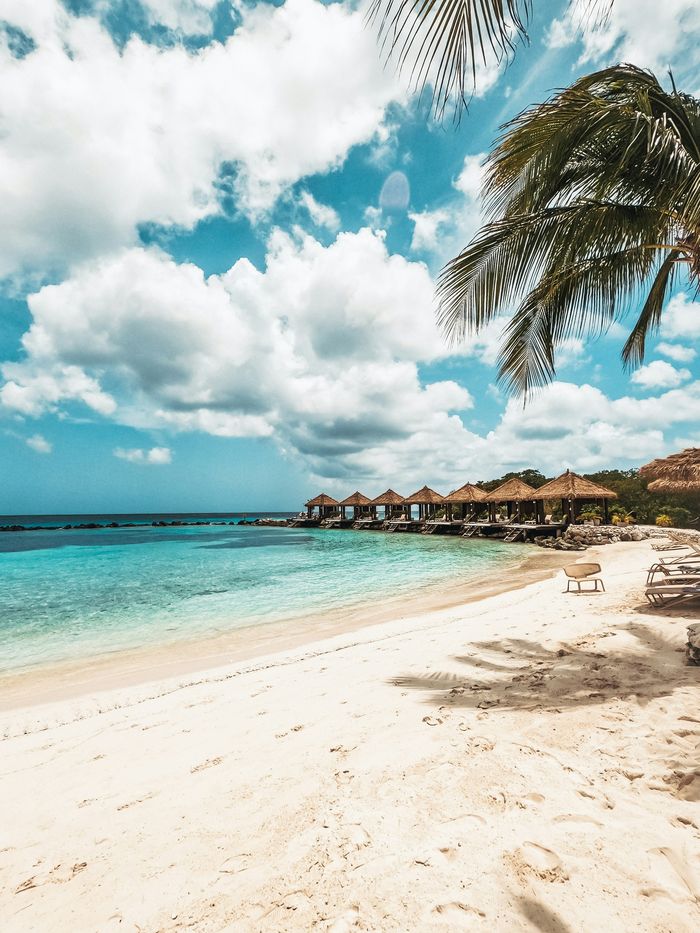
Dominican Republic vs Aruba
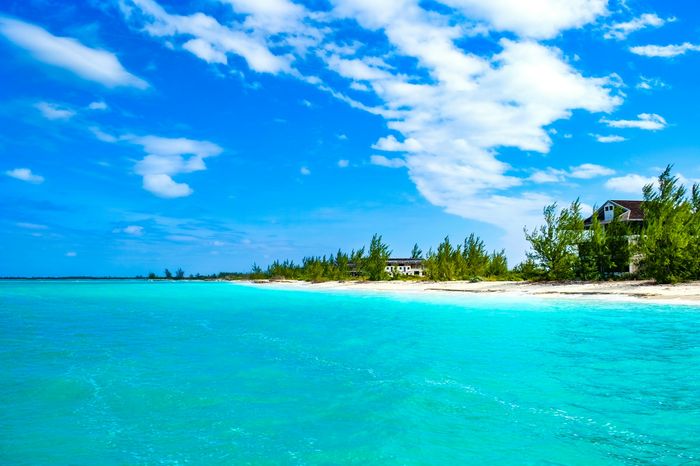
Dominican Republic vs Turks & Caicos
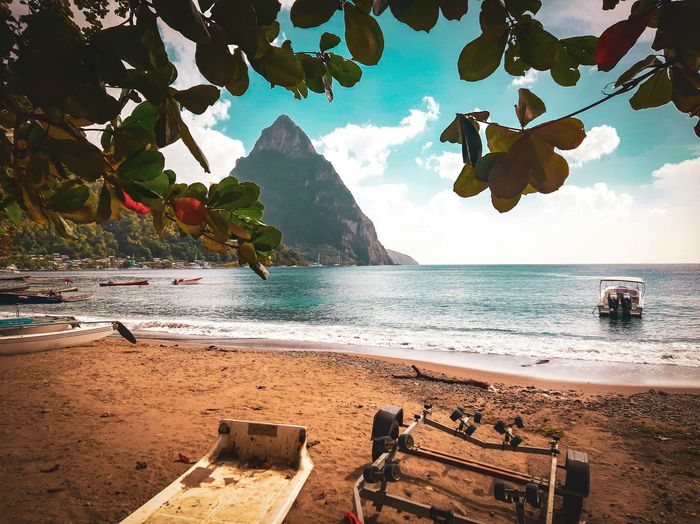
Dominican Republic vs St Lucia
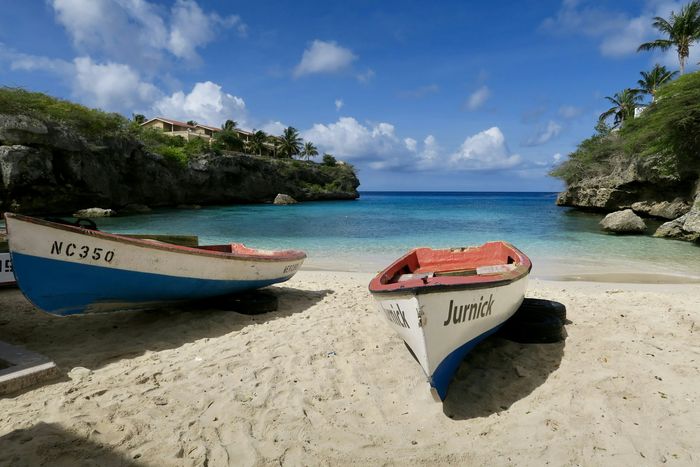
Dominican Republic vs Curaçao
If you like Dominican Republic, also consider
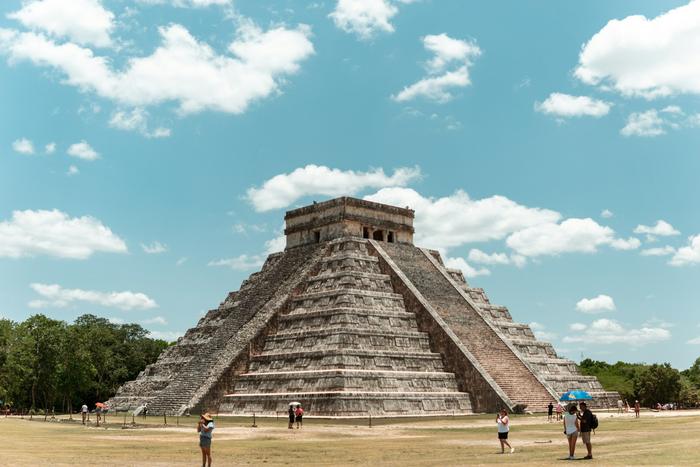
Mexico
Mexico City is world-class. Add the coast, ruins, and food culture.
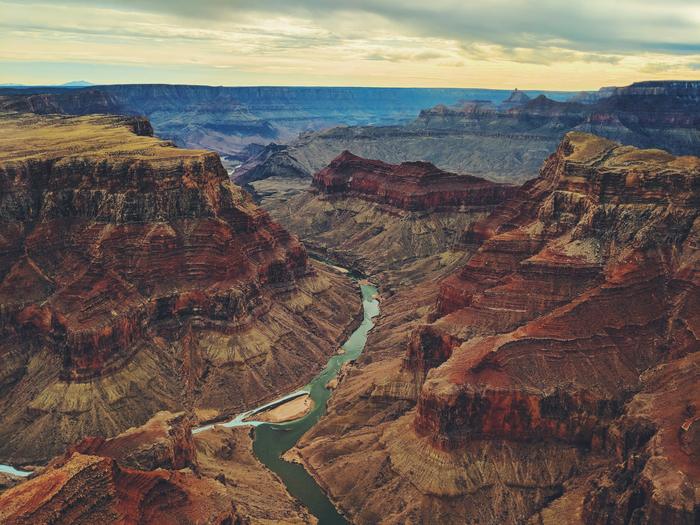
United States
A continent pretending to be a country — cities, deserts, and the best national parks anywhere.
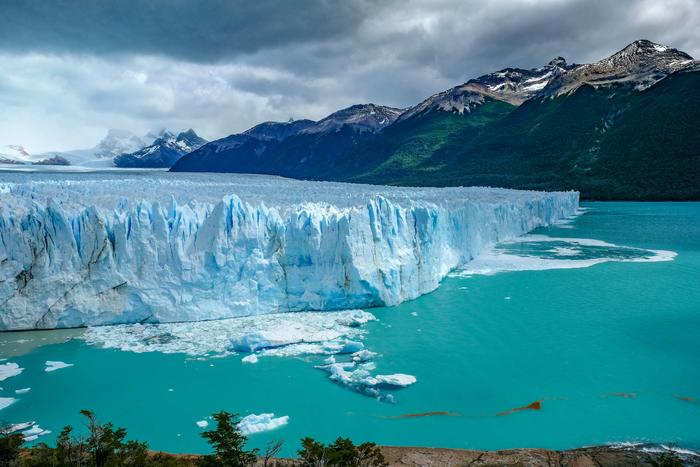
Argentina
Buenos Aires has the best steakhouses and nightlife in South America.

Greece
Ruins in the morning, a swim by noon, taverna until dark.
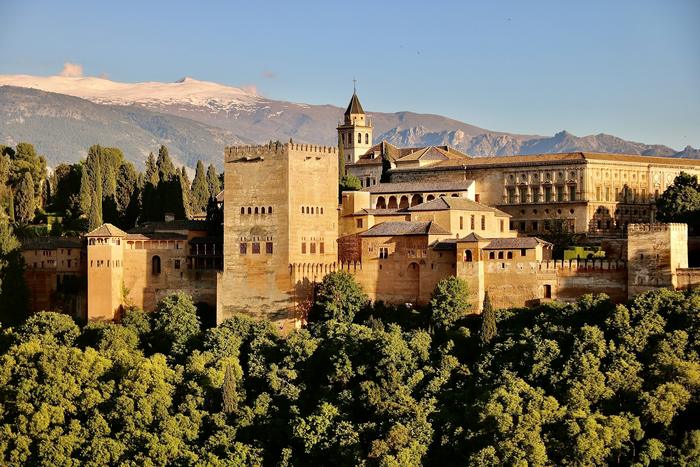
Spain
Food, beaches, and three or four cities that each justify the trip.
Thailand
The complete package for warm-climate travel.
Not sure where to go
Take the 5-minute quiz
Answer a few honest questions and get matched to destinations that actually fit how you travel.
Start the quiz