Colombia
Medellin is one of the most exciting cities in the world right now.
Colombia has gone from a place travelers avoided to one of the highest-energy destinations in the Americas. Medellin is the headliner — eternal-spring weather, electric food and nightlife, and serious digital nomad gravity. Cartagena for colonial coast, the coffee zone for green hills, the Tayrona coast for jungle-meets-Caribbean.
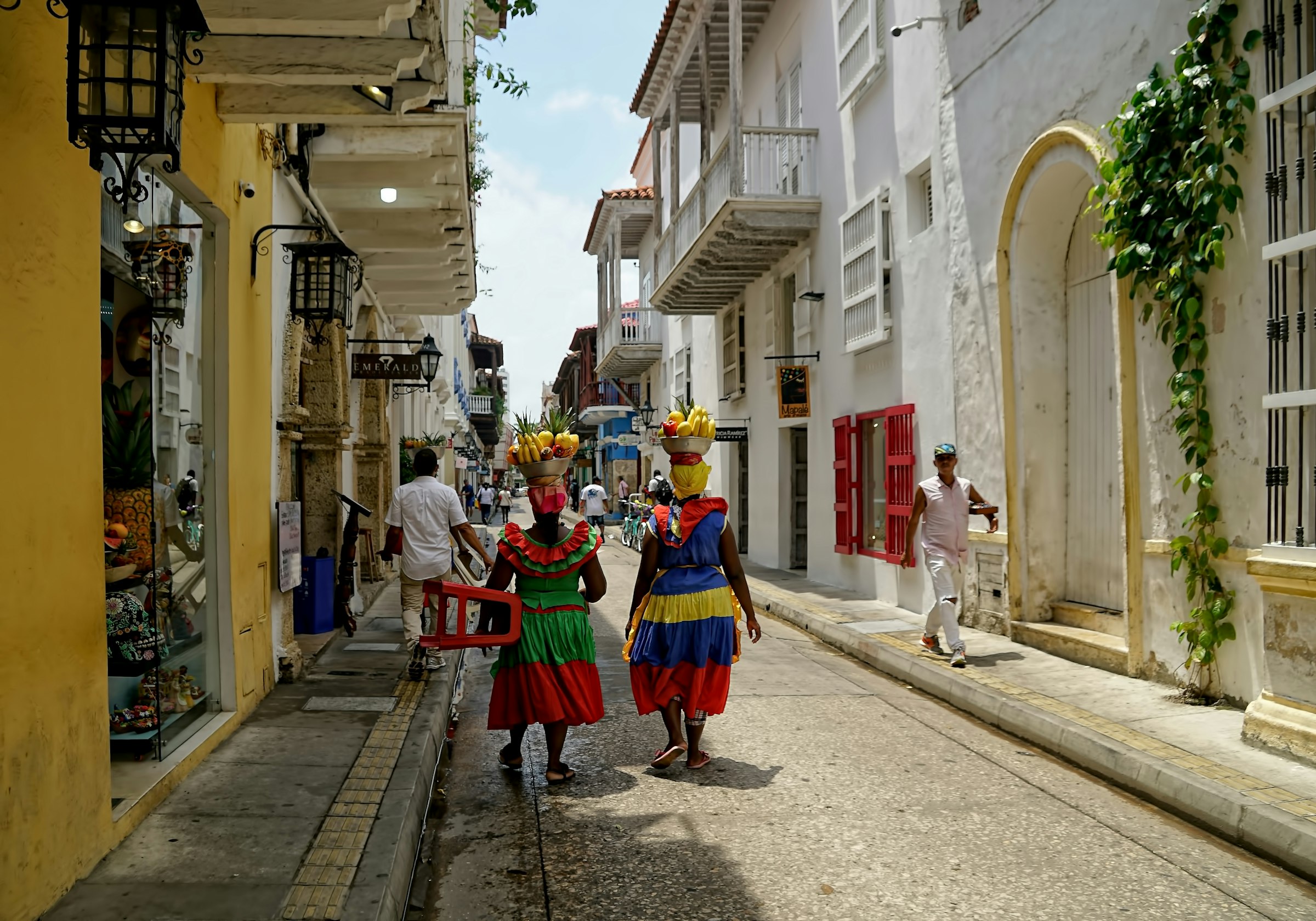
Most trips run Medellin, the coffee zone, and the Caribbean coast, with cheap domestic flights stitching them together — buses lose whole days crossing the Andes. In Medellin you settle into Laureles or El Poblado, ride the Metrocable over the comunas, and eat very well for very little. Salento adds the Cocora wax palms and coffee-farm stays; Cartagena adds heat, color, and rooftop bars inside the walls. Your money mostly goes to flights and the coast — everything else is cheap.
Be honest with yourself about street smarts. Phone snatching is common in Medellin and Bogota, nightlife scams target foreigners, and the local rule — no dar papaya, don't flash anything worth taking — is advice you actually follow. Cartagena's old town is relentless with vendors and brutally humid most of the year, and everyday Colombian food is hearty rather than exciting. If you need polished and frictionless, this isn't it. The energy, the prices, and the welcome are why people keep extending their stays.
Highlights
-
Medellin
The city of the moment. Stay in El Poblado or Laureles.
-
Cartagena
Walled colonial old town on the Caribbean — gorgeous, hot, and full-on.
-
Coffee zone (Salento)
Green valleys, coffee farms, palm-filled Cocora.
-
Tayrona
Jungle hikes to remote Caribbean beaches.
Practical info
- Visa
- Visa-free for most Western passports (90 days).
- Currency
- COP (Peso). Roughly 4,200 COP ≈ 1 USD.
- Language
- Spanish. Limited English outside tourism.
- Safety
- Much improved. Stay in good areas, no flashy phones, no street drugs.
- Getting around
- Domestic flights cheap and necessary for distances.
- Tap water
- Tap water safe in Medellin and Bogota; bottled elsewhere.
- Plug type
- Type A Type B 110V
- Money
- Cards in cities; cash for street and small businesses.
General guidance — visas, safety, and health change, so check your government's travel advisory and the official sources before you go.
Common questions
- Do you need a visa for Colombia, and what is Check-Mig?
- No visa for tourism: US, UK, EU, Canadian and Australian visitors get 90 days on arrival, extendable to a maximum of 180 days per calendar year. But every air traveller must complete the Check-Mig form online — both entering AND leaving the country — in the window from 72 hours to about an hour before each flight. It’s free, at the official site only (apps.migracioncolombia.gov.co); ignore the lookalike sites that charge for it. Migración now frames it as a pre-registration, but airlines deny boarding without the QR confirmation, so treat it as required both ways. US passport holders pay no reciprocity fee; Canadians do pay a one-off reciprocity fee (around US$70) on arrival.
- Do you need a yellow-fever vaccination for Colombia?
- Increasingly, yes — treat it as needed. Colombia declared a national health emergency over yellow fever in April 2025, with the outbreak spreading beyond its historic rural zones. There’s no blanket entry requirement for general arrivals, and the vaccine is not needed if you only visit the high-altitude cities — Bogotá, Medellín, Cali — but it is effectively required for Tayrona National Park, the Amazon, the coffee-region lowlands and most lower-elevation areas, and since April 2025 anyone travelling by land or water within Colombia is meant to carry the card. Get vaccinated at least 10 days before travel and carry the physical yellow card. Verify the current rule for your specific route before you go.
- Is Colombia safe to visit?
- The mainstream destinations — Cartagena, Medellín, Bogotá, the coffee region — are broadly fine by day with normal city sense, and the 1980s–90s cartel-violence era is long over. The real, current risks are different: the biggest is drink-spiking and dating-app robbery (scopolamine), which has risen sharply — a 2026 US Embassy alert warned of criminals using dating apps to lure and drug foreigners, with Medellín a particular hotspot. Then there’s opportunistic phone-and-bag theft (the local maxim is no dar papaya — don’t flash valuables) and express kidnapping via street-hailed taxis. Separately, specific rural and border departments carry “do not travel” warnings and are not tourist areas. Never leave a drink unattended, be wary of a date who picks the venue, and use app-based rides.
- When is the best time to visit Colombia?
- Colombia sits near the equator, so there’s no summer or winter — the seasons are dry and wet, and climate is set by altitude. The two driest, sunniest windows are December–March (busiest and priciest) and July–August; the wetter spells cluster April–May and October–November. Regionally it barely changes through the year: Medellín is “eternal spring” (~22°C), the Caribbean coast (Cartagena, Santa Marta) is hot and humid always, Bogotá is cool, and the Amazon is wet most of the year. Pick the region, then favour a dry-window month.
- How do you structure a Colombia trip?
- Think of it as three or four distinct regions linked by short flights, not a single overland loop. A classic first trip pairs the Caribbean (Cartagena, maybe Tayrona or the Lost City trek) with the Andes — Medellín and the coffee region, and/or Bogotá — flying between them in about an hour. A week covers two regions comfortably; ten days to two weeks adds a third (Cali and salsa, or the Amazon at Leticia, or Caño Cristales in season). Distances and mountain roads make flying the sane choice between hubs.
- Is Cartagena or Medellín the better base?
- Different trips. Cartagena is the Caribbean postcard — a walled colonial old city, heat, history and nearby beaches — romantic and compact but hot and touristy. Medellín is the reinvented Andean city of “eternal spring,” with Comuna 13, the Metrocable, Guatapé day-trips and a big café-and-nightlife scene (and the dating-app safety caveat). Many trips do both. If you want one, pick Cartagena for colonial-and-coast atmosphere, Medellín for modern-city energy and a cooler climate.
Entry & Check-Mig
No visa — but file Check-Mig both ways
Entry is visa-free and easy, with one free online form you must not skip, in either direction.
Tourism entry is 90 days visa-free (extendable to 180 a year), with no reciprocity fee for US passport holders (Canadians pay a one-off fee of around US$70 on arrival). The step people miss is the Check-Mig form: filed free at the official migration site both on arrival and on departure, in the 72-hours-to-one-hour window before each flight. Migración technically calls it a pre-registration, but airlines deny boarding without the QR, so file it both ways — and avoid the lookalike sites that charge for what is free.
The health requirement needs attention: after Colombia’s 2025 yellow-fever emergency, a vaccination certificate is effectively needed to enter Tayrona, the Amazon and most lower-altitude regions (though not for a trip confined to Bogotá, Medellín or Cali), and since April 2025 you’re meant to carry it for any overland or river travel within the country. Get the jab at least 10 days ahead, carry the card, and check the current scope for your route, as it’s still shifting.
The reciprocity detail trips Canadians specifically: unlike US, UK and EU visitors who enter free, Canadian passport-holders pay a one-off reciprocity fee (around US$70) on arrival, payable by card at the airport — with exemptions for under-14s, over-79s and arrivals to San Andrés. It’s a Canada-only quirk, so budget for it if that’s your passport.
When to go
No summer or winter — dry windows and altitude
On the equator, the calendar is just dry versus wet, and your altitude decides the temperature.
Colombia sits on the equator (the crimson full-width bar): there’s no summer or winter, altitude sets the temperature, and the calendar is just dry vs wet. The two driest, sunniest windows are December–March (busiest and priciest) and July–August; April–May and October–November are wetter. The one hard date is Caño Cristales, whose colours only run about June–November (best Sep–Nov) — it’s colourless and effectively closed the rest of the year.
Because Colombia straddles the equator, there is no summer or winter — just dry and wet seasons, and the temperature is a function of altitude, not month. The two driest, sunniest windows are December–March (the busiest and priciest) and July–August; April–May and October–November tend to be wetter. Regionally the climate barely changes across the year: Medellín is a steady “eternal spring” around 22°C, the Caribbean coast is hot and humid year-round, Bogotá is cool at altitude, and the Amazon is wet most of the time. Pick the region first, then favour a dry-window month.
- you want the sunniest weatherSkipthe wetter April–May and October–November spellsGothe December–March (busiest) or July–August dry windows
- you want to see Caño Cristales’ coloursSkipthe January–May dry months, when it’s colourless and closedGoJune–November, with September–November the best colour
- you assume no yellow-fever jab is neededSkipturning up for Tayrona or the Amazon without itGogetting vaccinated at least 10 days ahead and carrying the card
Getting around
Fly the regions, mind the altitude
A big, mountainous country where domestic flights do the heavy lifting — and Bogotá’s altitude is real.
Colombia is large and mountainous, so domestic flights are essential — Avianca, LATAM and low-cost carriers connect Bogotá, Medellín, Cartagena and Cali in about an hour, versus long overland routes. Self-driving isn’t recommended for most visitors (congestion, Pico y Placa plate-restrictions, variable roads); for intercity travel use reputable bus companies by day.
Two practical points. Bogotá sits at 2,640 m, so give yourself a day or two for the altitude — breathlessness and a headache are normal, and alcohol hits harder. And for city transport, app-based rides (Uber, DiDi, Cabify) are the safe default: they operate in a legal grey zone but work normally, and they sidestep the express-kidnapping risk of hailing a taxi off the street, especially at night.
| Way | Use it for | Note |
|---|---|---|
| Domestic flight | Between the regions | Avianca, LATAM, budget; ~1h vs long bus rides |
| App ride (Uber/DiDi/Cabify) | City transport | Grey-zone-legal but safer than street taxis |
| Intercity bus | Overland by day | Reputable companies; long, scenic hauls |
| Check-Mig (online) | Every flight, both directions | Free; file 72h–1h before; airlines enforce it |
Colombia is large and mountainous, so flying between Bogotá, Medellín, Cartagena and Cali (~1h) beats the long overland routes. Bogotá sits at 2,640 m — give yourself a day to acclimatise. Checked October 2026.
Where to go
Three countries in one — coast, cities, coffee
Colombia packs a Caribbean coast, Andean cities and a coffee heartland into one trip — reached by short flights, not long roads.
What Colombia is for is variety at close range. On the Caribbean, the walled colonial old town of Cartagena (UNESCO-listed, with its San Felipe fortress) is the headline, with Santa Marta and Tayrona’s jungle-backed beaches — and the multi-day Lost City trek — nearby. In the Andes, Medellín, once a byword for danger and now a reinvented “city of eternal spring” with its Comuna 13 and Metrocable, contrasts with high, cool Bogotá (the Gold Museum, La Candelaria, Monserrate). The Coffee Region around Salento brings the Cocora Valley’s towering wax palms (a UNESCO cultural landscape), Guatapé its 700-step rock, Cali its salsa, and the far south the Amazon at Leticia and the seasonal “liquid rainbow” of Caño Cristales.
| Region | What it’s for | Good to know |
|---|---|---|
| Cartagena & the Caribbean | Walled colonial city, beaches, Tayrona | Hot and humid year-round |
| Medellín & Antioquia | “Eternal spring”, Comuna 13, Guatapé | The reinvented city; the dating-app caveat |
| Bogotá & the centre | The high capital, Gold Museum, La Candelaria | Cool; altitude 2,640 m |
| Coffee Region (Eje Cafetero) | Salento, the Cocora wax palms | Green valleys; UNESCO landscape |
| Cali & the Pacific | The salsa capital | Colombia’s dance heart |
| Amazon & the south | Leticia, Caño Cristales (in season) | Fly-in nature; remote |
Food & drink
Platters, arepas, and a world-famous bean
Hearty, regional and fruit-rich — plus the coffee everyone knows and the tinto nobody warns you about.
One plate, nine things the bandeja paisa — Antioquia on a platter
Colombian food is hearty and strongly regional. The icon is the bandeja paisa, Antioquia’s vast meat-and-beans platter (see the figure); the everyday base is the arepa, a grilled maize flatbread; and Bogotá’s comfort dish is ajiaco, a chicken-and-potato soup with the herb guascas. Snacks mean empanadas and festive lechona (stuffed roast pig). But the quiet joy is the fruit — lulo, guanábana, maracuyá and dozens more, best as fresh juices — and, of course, the coffee (just remember a “tinto” is the small black everyday cup, not a flat white).
| Dish / drink | What it is | Note |
|---|---|---|
| Bandeja paisa | A giant Antioquian platter | Beans, pork, chicharrón, egg, plantain, arepa |
| Arepas | Grilled maize flatbreads | The daily staple, stuffed or plain |
| Ajiaco | Bogotá chicken-potato-and-guascas soup | The capital’s comfort bowl |
| Empanadas & lechona | Fried pastries; stuffed roast pig | Street and fiesta food |
| Exotic fruit | Lulo, guanábana, maracuyá and more | Best drunk as fresh juices |
| Tinto & aguardiente | A small black coffee; the anise spirit | The daily cup and the party shot |
Colombian coffee is world-famous, but order carefully — a “tinto” is just a small black coffee, not a specialty brew. The fruit variety is a genuine highlight (try the juices), aguardiente is the anise party spirit, and Club Colombia the beer.
Culture
Magical realism, Botero, and the dance floor
A warm, musical, creative culture that gave the world a literary movement and a national dance.
Magical realism Gabriel García Márquez — Nobel laureate, 1982
Colombia is a warm, intensely creative and musical place. Its literary giant is Gabriel García Márquez, father of magical realism (see the figure); its artist is Fernando Botero, whose rotund figures fill Medellín’s Plaza Botero. The country is a music powerhouse — cumbia and vallenato from the Caribbean, and Cali as a world salsa capital where the dancing is a way of life — and the Barranquilla Carnival (UNESCO-listed) is one of the world’s biggest. Spanish is the language, Catholicism the tradition, and football a national passion; above all, Colombians are famously welcoming, and the reinvention of cities like Medellín is a point of real pride.
Safety
An honest, current safety picture
The old cartel fear is outdated — but the real present-day risks are specific, and worth taking seriously.
Start with what’s changed: the 1980s–90s cartel-bombing era is over, and the cities most tourists visit — Cartagena, Medellín, Bogotá — are broadly safe by day with ordinary urban caution. The outdated “Escobar” fear is not the issue. The current top risk is drink-spiking and dating-app robbery (scopolamine): reports have risen sharply, and a 2026 US Embassy alert warned of criminals using dating apps to lure and drug foreigners, with Medellín a particular hotspot. Never leave a drink unattended, and be cautious of a date who insists on choosing the venue.
Beyond that, the everyday risks are opportunistic phone-and-bag theft — the local wisdom no dar papaya, “don’t give papaya,” means don’t flash valuables — and express kidnapping from street-hailed taxis, which is why app rides are the default. Separately, and importantly, specific rural and border departments carry official “do not travel” warnings: at the time of writing the US rated Colombia Level 3 “reconsider travel” overall, with Level-4 do-not-travel zones including Arauca, parts of Cauca (excluding Popayán), Valle del Cauca (excluding Cali), Norte de Santander and the 10 km strip along the Venezuela border. These are not tourist areas and are easily avoided — but re-check the current advisories before you go.
The scopolamine/dating-app threat is the one genuinely modern, under-appreciated risk — it has nothing to do with the old cartel image. Treat an online date in Medellín or Bogotá with real caution: meet in public, pick the venue yourself, watch your own drink, and don’t invite a near-stranger to your accommodation. It’s the single piece of safety advice most worth internalising for Colombia in 2026.
Good to know
Pesos, tips, and the sights that close
The practical footnotes — a card-friendly peso economy, and two headline sights that run on a calendar.
The currency is the Colombian peso (around 4,000 to the US dollar), and Colombia is good value on the ground — the main cost is the domestic flights between regions. Cards work in cities, hotels and malls, but carry cash for small towns, markets, taxis and rural areas like Tayrona. A voluntary 10% tip (propina) is usually printed on restaurant bills and you’ll be asked whether to include it — you may decline or adjust. Use ATMs inside bank branches or malls, decline dynamic currency conversion, and watch for skimming and “helpful stranger” scams.
Two headline nature sights run on fixed calendars. Tayrona National Park closes for Indigenous rest-and-restoration periods — in 2026 those are 1–15 February, 1–15 June and 19 October–2 November, when it’s shut entirely (and the yellow-fever card is required to enter). And Caño Cristales, the “river of five colours,” is only coloured and open roughly June–November (best September–November), colourless and closed in the January–May dry months. Check both before building a trip around them.
Compare Colombia
If you like Colombia, also consider
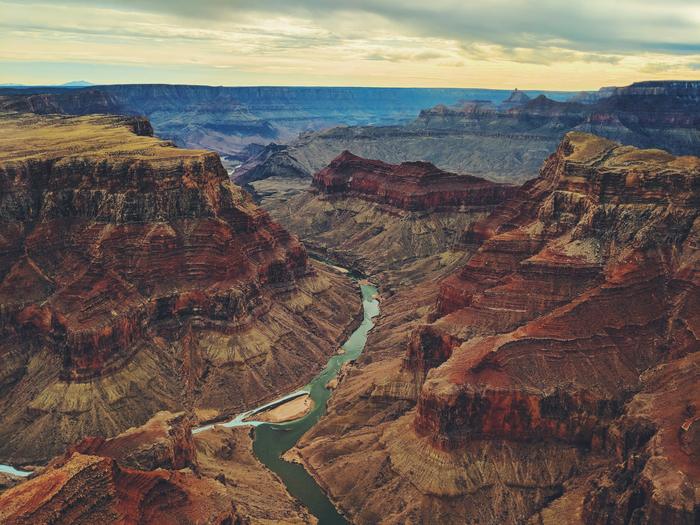
United States
A continent pretending to be a country — cities, deserts, and the best national parks anywhere.

France
Paris is only the opening act — wine country, the Alps, and two coastlines.
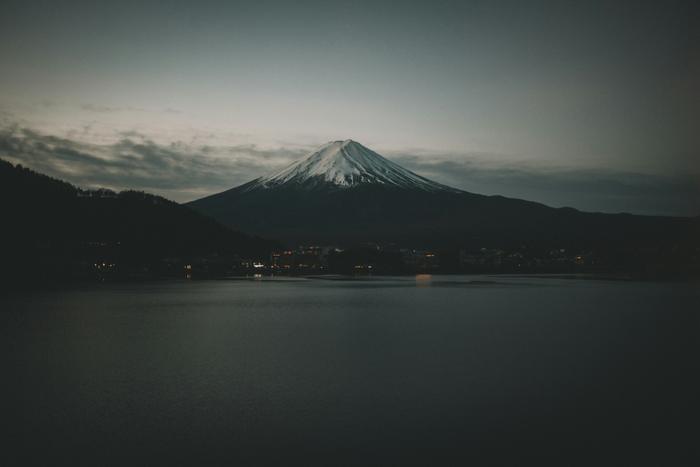
Japan
Extraordinary food, culture, and cities. Nothing quite prepares you for it.
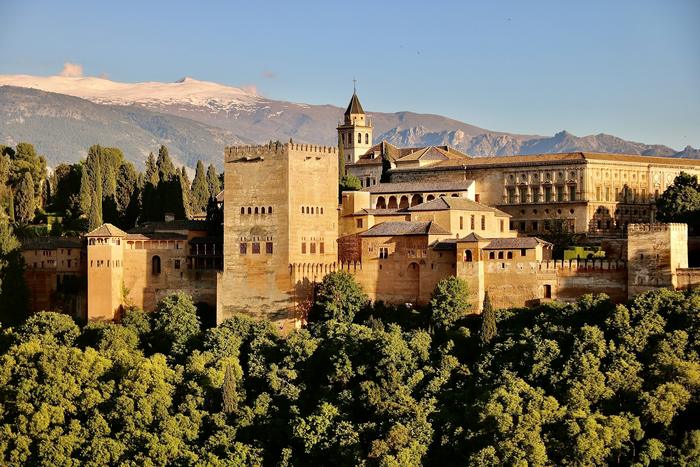
Spain
Food, beaches, and three or four cities that each justify the trip.
Not sure where to go
Take the 5-minute quiz
Answer a few honest questions and get matched to destinations that actually fit how you travel.
Start the quiz