Argentina vs Chile

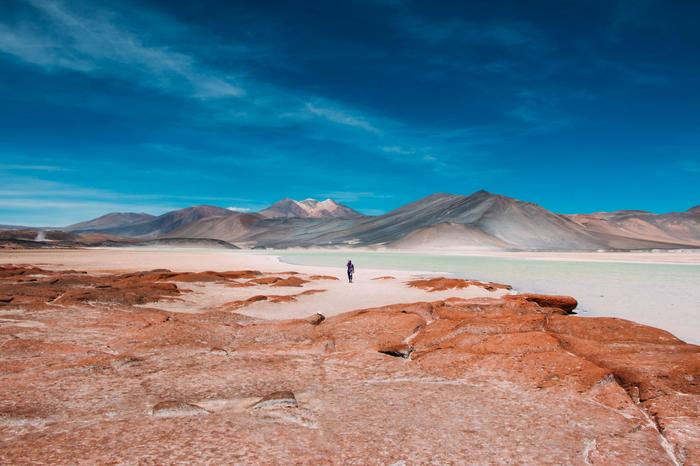
Two Andean neighbours that share a continent’s spine — and famously split Patagonia between them. Argentina is the cultural, European-feeling one — Buenos Aires and tango, Mendoza’s Malbec, the glaciers of El Calafate and the falls of Iguazú — big-hearted and a touch chaotic. Chile is the long, orderly one — the driest desert on Earth in the Atacama, Torres del Paine and Easter Island, Carmenère wine and the Lake District — stable, developed and smooth. One leans culture, wine and atmosphere; the other dramatic landscapes and easy logistics.

South America

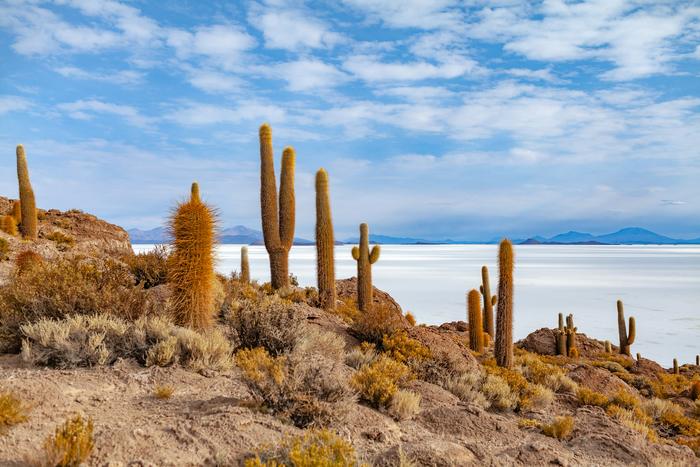
Argentina

Buenos Aires has the best steakhouses and nightlife in South America.

Best time to visit
  1. January: peak
  2. February: peak
  3. March: peak
  4. April: fine
  5. May: fine
  6. June: avoid
  7. July: avoid
  8. August: avoid
  9. September: fine
  10. October: peak
  11. November: peak
  12. December: peak
Peak Fine Avoid
South America

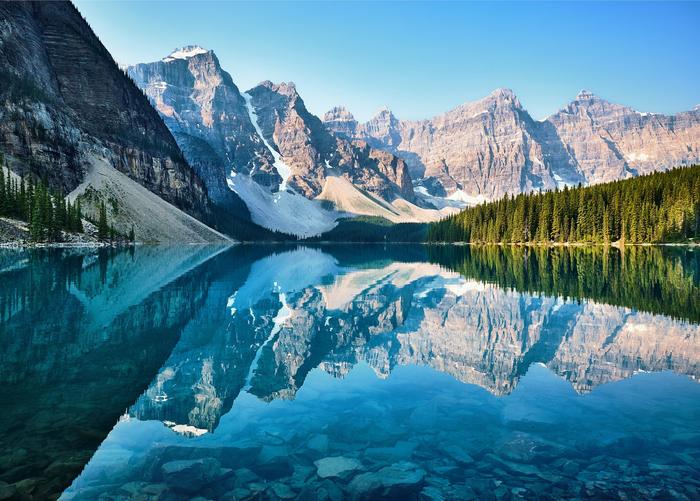
Chile

A 4,000km country of deserts, wine valleys, lakes, and southern fjords.

Best time to visit
  1. January: peak
  2. February: peak
  3. March: peak
  4. April: fine
  5. May: avoid
  6. June: avoid
  7. July: avoid
  8. August: avoid
  9. September: fine
  10. October: fine
  11. November: peak
  12. December: peak
Peak Fine Avoid
Read our full guides about Argentina and Chile.

Side by side

Emphasised where they differ. Muted rows are much the same either way.

Argentina Chile
Best time October–March November–March
Climate mild mild
Budget Good value, Patagonia the costly leg — the money picture settled since 2025 Pricier — one of South America’s costlier countries, Patagonia most of all
Trip length 2–8 wks 2–4 wks
Visa Visa-free for most Western passports (90 days). Visa-free for most Western passports (90 days). Verify before travel.
Currency ARS (Peso). Bring USD cash for "blue rate" exchange. CLP (Chilean Peso).
Language Spanish. Limited English outside Buenos Aires tourism. Spanish. Limited English.
Tap water Tap water safe in Buenos Aires. Tap water generally safe in Santiago and major towns.
Safety Generally safe. Pickpocketing in Buenos Aires. One of the safer countries in the region. Watch for petty theft in cities.

General guidance — visas, safety, and health change, so check your government's travel advisory and the official sources before you go.

The split

Culture and wine, or desert-to-ice

Both are Andean neighbours sharing Patagonia — but one leans culture, wine and European atmosphere, the other extreme landscapes and smooth stability.

Culture vs landscapethe leanBuenos Aires and tango, or the Atacama and Torres del Paine
Value vs smoothnessthe tradeArgentina’s better value, or Chile’s developed ease
Shared Patagoniathe overlapGlaciers and El Chaltén east, Torres del Paine west

Argentina is the cultural, European-feeling one — Buenos Aires and tango, Mendoza’s Malbec, El Calafate’s glaciers and Iguazú’s falls — warm and characterful. Chile is the long, orderly one: the Atacama desert, Torres del Paine, Easter Island, Carmenère wine and the Lake District — stable, developed and smooth to travel. They share Patagonia across the border.

The operational detail — Argentina’s settled money picture; Chile’s Torres del Paine and Easter Island booking systems, the hotel-VAT quirk and the Villarrica volcano — lives on the two guides: Argentina, know before you go and Chile, know before you go. This page is the head-to-head.

The real difference

Atmosphere and value, or landscapes and ease

The trade: Argentina offers culture, wine and better value; Chile offers extreme landscapes and developed smoothness.

Argentina wins on culture, value and atmosphere. Buenos Aires, tango, Mendoza wine and a big-hearted energy give it a cultural pull Chile doesn’t match, and it’s better value — a touch more chaotic, but all the more characterful.

Chile wins on landscapes and logistics. Its desert-to-ice range (Atacama, Paine, Easter Island) is extraordinary, and it’s among South America’s most stable and smoothly-run countries — at higher prices. Choose culture-and-wine, or desert-to-ice — or, since they’re neighbours, taste both across Patagonia.

Who suits which

Who each actually suits

Both are Andean neighbours — but one leans culture and value, the other landscapes and ease.

If you want…ArgentinaChile
Great cities, tango, nightlifeWins. Buenos AiresSantiago, Valparaíso
The Atacama and Easter IslandNorthwest desertsWins. Both are Chile’s
Glaciers and El Chaltén trekkingWins. El CalafateTorres del Paine instead
Better value on the groundWins. CheaperPricier
Smooth, developed logisticsA bit chaoticWins. Stable and easy
Wine countryWins. Mendoza MalbecCarmenère valleys

Doing both

Neighbours that share Patagonia

The classic combined trip crosses between them.

Argentina and Chile are neighbours, and a classic combined trip crosses between them in Patagonia (El Calafate to Torres del Paine) and over the Andes between Mendoza and Santiago. Both are big, so allow two to three weeks to do a combined itinerary justice. Each also compares with its other neighbours (see Argentina vs Peru, Chile vs Peru and Argentina vs Brazil).

What we leave out

What we deliberately leave out

Exact prices beyond the structural comparison — Argentina’s value and Chile’s higher costs both move with season, and Patagonia is the costly leg for both — so the figures here are the shape of the difference, not a quote; the country guides carry the live detail. Each country’s volatile specifics (Argentina’s currency, Chile’s park-booking systems and volcano) are covered on its guide rather than restated here.

Argentina or Chile, month by month

Which of the two is the better bet for each month of the year, scored on how well the season suits each place.

Which to choose

Choose Argentina if:

  • Buenos Aires, tango, wine and a European atmosphere are the draw.
  • You want culture and nightlife alongside the landscapes.
  • Better value and big-city energy over polished smoothness.

Choose Chile if:

  • The Atacama, Torres del Paine and Easter Island top the list.
  • You want stable, developed, smooth travel and extreme landscapes.
  • Desert-to-ice scenery over culture and city life.

Common questions

Argentina or Chile for Patagonia?
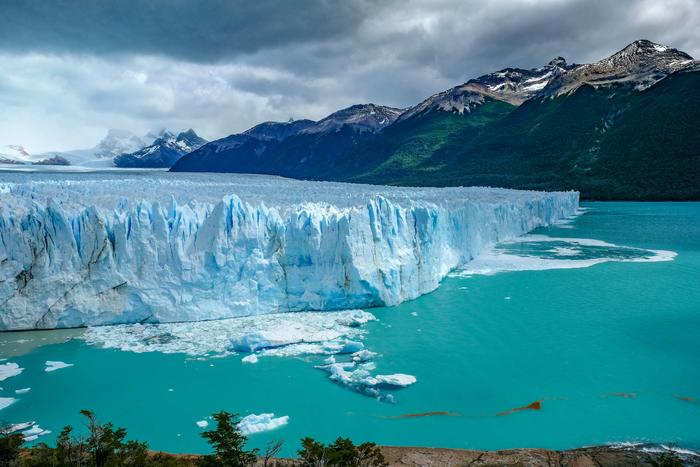
Both — Patagonia straddles the border, and the two sides are different. Argentine Patagonia centres on El Calafate and the Perito Moreno glacier, plus the trekking hub of El Chaltén. Chilean Patagonia centres on Torres del Paine, the iconic granite-towers national park (with its book-months-ahead refugio system). Many trips combine both sides, crossing the border between El Calafate and Torres del Paine. For glaciers and El Chaltén trekking, Argentina; for the Paine circuit, Chile.
Which has the better cities and culture?
Argentina, clearly — Buenos Aires is one of the world’s great cities, with tango, grand cafés, steak-and-Malbec culture and a famous nightlife, and the country has a strong European-flavoured identity. Chile’s Santiago and Valparaíso are worth time (and Valparaíso’s hills are wonderful), but Chile is a landscapes-first country. For culture and city life, Argentina; for scenery, Chile.
Which has the more dramatic landscapes?
Chile edges it on range — it stacks the Atacama (the driest desert on Earth), Patagonia, the Lake District volcanoes and Easter Island into one long country. Argentina counters with glaciers, El Chaltén, the Lake District around Bariloche, the northwest, and Iguazú Falls. Both are spectacular; Chile’s desert-to-ice sweep is the headline, Argentina’s variety (plus Iguazú) the counter. For sheer landscape extremes, Chile; for variety-plus-culture, Argentina.
Which is easier and cheaper?
Chile is the more stable, developed and smooth to travel, with good infrastructure — but it’s pricier, one of South America’s costlier countries (Patagonia most of all), with a VAT break for foreigners paying hotels in dollars. Argentina is better value (its money situation settled after 2025, so cards now give a fair rate) but a touch more chaotic. For smooth logistics, Chile; for value and buzz, Argentina. The country guides carry the detail: Argentina and Chile.
Can I combine them?
Yes — they’re neighbours and a classic combined trip crosses between them in Patagonia (El Calafate to Torres del Paine) and over the Andes between Mendoza and Santiago. Both are big, so allow two to three weeks for a proper combined itinerary. Each also compares with its other neighbours (see Argentina vs Peru, Chile vs Peru and Argentina vs Brazil).

Still undecided

Take the quiz

Three matches. Often answers comparison questions for you.

Start the quiz