Argentina
Buenos Aires has the best steakhouses and nightlife in South America.
- January: peak
- February: peak
- March: peak
- April: fine
- May: fine
- June: avoid
- July: avoid
- August: avoid
- September: fine
- October: peak
- November: peak
- December: peak
Two of South America’s heavyweights, pulling in different directions. Peru is the ancient one — Machu Picchu, Cusco and the Inca world, high Andes and a celebrated food scene. Argentina is the vast, wild, cosmopolitan one — Patagonia’s glaciers and peaks, the European flavour of Buenos Aires, wine country and wide-open landscapes. One is a cultural pilgrimage; the other a sweep of nature and city life.
Buenos Aires has the best steakhouses and nightlife in South America.
Machu Picchu, the Sacred Valley, Lima's food scene, and the Amazon.
Read our full guides about Argentina and Peru.
Emphasised where they differ. Muted rows are much the same either way.
| Argentina | Peru | |
|---|---|---|
| Best time | October–March | May–October |
| Climate | mild | mild |
| Budget | Moderate and swingy — inflation and the exchange rate move fast | Good value on the ground — flights and Machu Picchu logistics are the cost |
| Trip length | 2–8 wks | 2–5 wks |
| Visa | Visa-free for most Western passports (90 days). | Visa-free for most Western passports (90 days). |
| Currency | ARS (Peso). Bring USD cash for "blue rate" exchange. | PEN (Sol). Roughly 3.7 PEN ≈ 1 USD. |
| Language | Spanish. Limited English outside Buenos Aires tourism. | Spanish (Quechua in highlands). Limited English. |
| Tap water | Tap water safe in Buenos Aires. | Tap water not safe. |
| Safety | Generally safe. Pickpocketing in Buenos Aires. | Generally safe in tourism. Altitude sickness in Cusco is the bigger concern. |
General guidance — visas, safety, and health change, so check your government's travel advisory and the official sources before you go.
The split
Both South American giants — but one is the Inca heartland of ruins and highlands, the other a sweep of wilderness and cosmopolitan life.
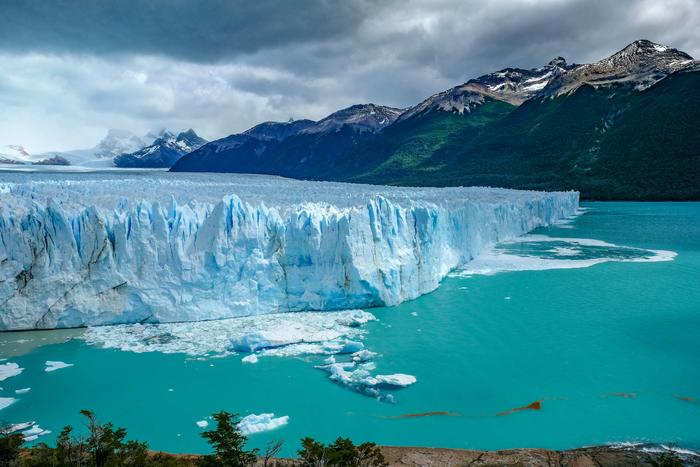
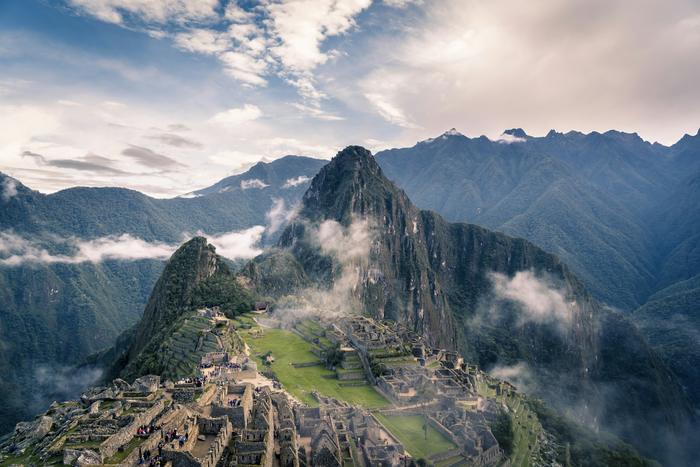
Peru is the ancient one — Machu Picchu, Cusco and the Sacred Valley, the Inca world set in the high Andes, with Lima’s celebrated food scene as a modern counterpoint. Argentina is the vast, wild, cosmopolitan one — Patagonia’s glaciers and granite peaks, the European-flavoured life of Buenos Aires, Mendoza’s wine country and Iguazú’s falls — a country of wide-open landscapes and city culture rather than ancient ruins.
The operational detail — Argentina’s volatile money and Patagonia seasons, Peru’s Machu Picchu tickets, altitude and protest-and-blockade volatility — lives on the two guides: Argentina, know before you go and Peru, know before you go. This page is the head-to-head.
The real difference
The trade: Peru offers the world-icon ruin and ancient depth; Argentina offers wild landscapes and cosmopolitan life.
Peru wins on the icon and the ancient story. Machu Picchu is a once-in-a-lifetime sight, Cusco and the Sacred Valley give it depth, and the food scene adds a modern draw — a cultural pilgrimage more than a nature trip, if one that asks you to manage altitude, tickets and the odd protest.
Argentina wins on landscape and lifestyle. Patagonia is some of the most dramatic wilderness on Earth, Buenos Aires is a great world city, and the wine-and-beef culture is an indulgence in itself — a sweep of nature and cosmopolitan life, in a stable country whose main quirk is a fast-moving money situation. Choose the Inca pilgrimage, or the wild south and its cities.
Who suits which
Both giants — but one leans ancient culture, the other wilderness and city.
| If you want… | Argentina | Peru |
|---|---|---|
| A world-icon ruin | No equivalent | Wins. Machu Picchu and the Incas |
| Dramatic wilderness | Wins. Patagonia, glaciers, peaks | Highlands, but ruins lead |
| A great world city | Wins. Buenos Aires | Lima for food above all |
| Cutting-edge food | Beef and Malbec | Wins. World-ranked restaurants |
| Wine and steak | Wins. Mendoza and the asado | Good, not the headline |
| Lower, if swingy, costs | Volatile money to watch | Wins. Good value on the ground |
Doing both
They combine on a longer South America trip — if you have the weeks.
Argentina and Peru both sit on the classic grand South America circuit and connect by air, so a longer trip can pair Machu Picchu with Patagonia or Buenos Aires. Both are vast, though — Patagonia especially swallows distance and time — so a combined itinerary really wants two to three weeks. With less, choose the headline: the Inca world or the wild south. If you’re weighing the region more widely, Peru also compares with its northern neighbour (see Ecuador vs Peru).
What we leave out
Exact prices beyond the structural comparison — Argentina’s rates swing with inflation and the exchange rate, Peru’s cost sits mostly in flights and Machu Picchu logistics — so the figures here are the shape of the difference, not a quote; the country guides carry the live detail. Each country’s volatile piece (Argentina’s money, Peru’s protests and Machu Picchu ticketing) is covered on its guide, to be checked before you commit, rather than restated here.
Which of the two is the better bet for each month of the year, scored on how well the season suits each place.
Wilderness on a continental scale — Rockies, coast, and the cities between.
Surfing, rainforest, volcanoes, and wildlife in extraordinary density.
Seven hundred islands of impossibly clear water, from cruise-port Nassau to the empty Out Islands.
Cheap flights, warm sea, and a lot more country than the resort brochure admits.
The most characterful island in the Caribbean — and the one that asks a little more of you.
The Caribbean with a US plug socket — old-city romance, rainforest, and a bioluminescent bay.
Three islands, one national park, and no passport needed if you hold a US one.
The dry, breezy Caribbean island that sits below the hurricane belt — sunshine you can actually bank on.
Still undecided
Three matches. Often answers comparison questions for you.
Start the quiz