Chile vs Ecuador

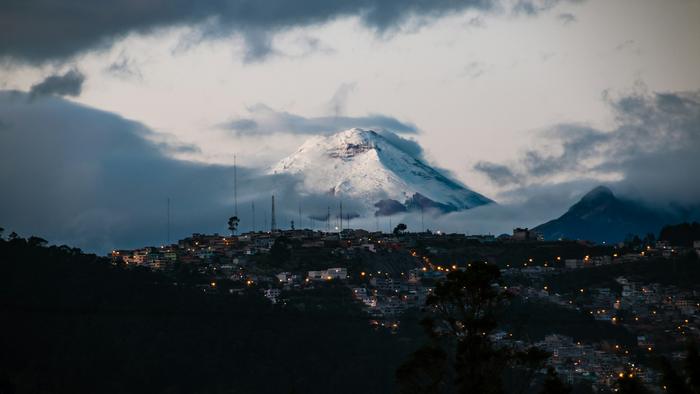
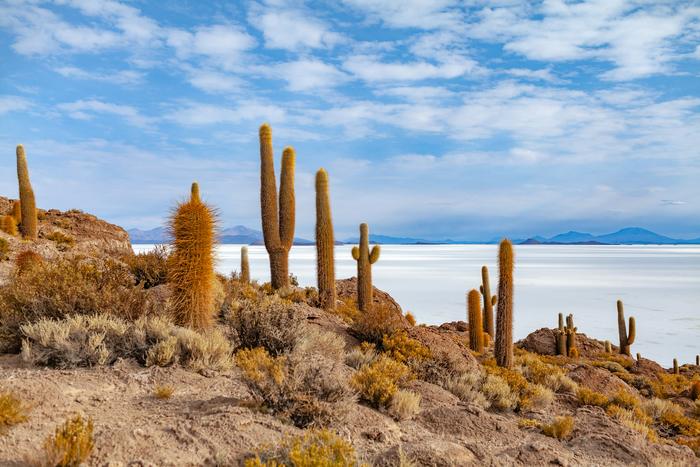
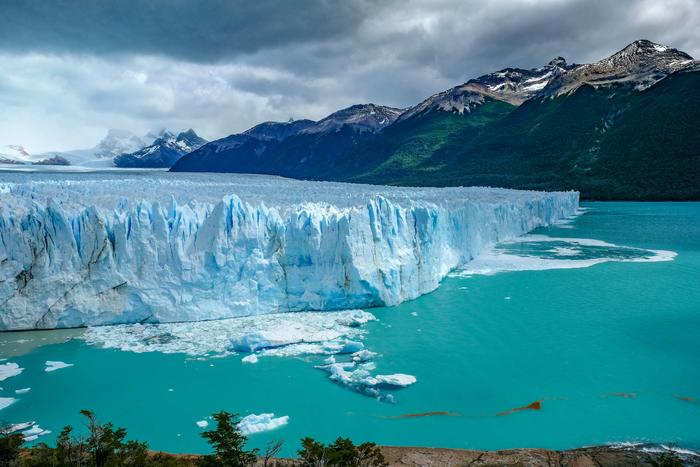
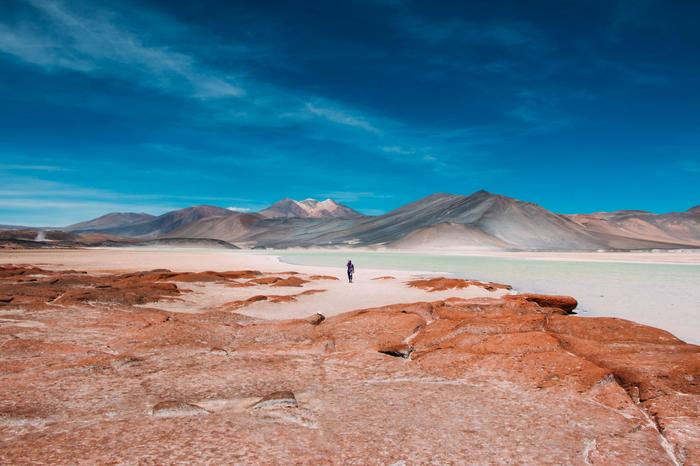
Two South American countries at opposite scales. Chile is the long, stable sweep — the driest desert on Earth in the Atacama, Patagonian ice, wine country and Easter Island, strung down one of the continent’s most developed and orderly countries. Ecuador is the compact, concentrated one — the Galápagos Islands, the Andes and “Avenue of the Volcanoes,” the Amazon and colonial Quito, all within a small, equator-straddling package (with some current security caveats). One is a big desert-to-ice journey; the other a diverse little country with a world-icon archipelago.

South America

Chile

A 4,000km country of deserts, wine valleys, lakes, and southern fjords.

Best time to visit
  1. January: peak
  2. February: peak
  3. March: peak
  4. April: fine
  5. May: avoid
  6. June: avoid
  7. July: avoid
  8. August: avoid
  9. September: fine
  10. October: fine
  11. November: peak
  12. December: peak
Peak Fine Avoid
South America

Ecuador

Andes, Amazon, Galápagos, and colonial Quito — packed into a small country.

Best time to visit
  1. January: fine
  2. February: fine
  3. March: fine
  4. April: fine
  5. May: fine
  6. June: peak
  7. July: peak
  8. August: peak
  9. September: peak
  10. October: fine
  11. November: fine
  12. December: fine
Peak Fine Avoid

Read our full guides about Chile and Ecuador.

Side by side

Emphasised where they differ. Muted rows are much the same either way.

Chile Ecuador
Best time November–March June–September
Climate mild mild
Budget One of South America’s pricier countries — Patagonia the costliest leg Good value on the mainland — the Galápagos is the big, separate cost
Trip length 2–4 wks 2–3 wks
Visa Visa-free for most Western passports (90 days). Verify before travel. Visa-free for most Western passports (90 days). Verify before travel.
Currency CLP (Chilean Peso). USD (US dollar).
Language Spanish. Limited English. Spanish. Limited English.
Tap water Tap water generally safe in Santiago and major towns. Tap water not reliably safe; drink filtered or bottled.
Safety One of the safer countries in the region. Watch for petty theft in cities. Use normal city caution in Quito and Guayaquil; the highlands and Galápagos are calmer. Altitude is a real factor.

General guidance — visas, safety, and health change, so check your government's travel advisory and the official sources before you go.

The split

A desert-to-ice sweep, or a compact wildlife country

Both are South American — but one is a long, stable desert-to-ice journey, the other a compact country with a world-icon archipelago.

Long vs compactthe scaleA 4,300 km sweep, or Andes-Amazon-Galápagos close together
Landscape vs wildlifethe drawAtacama and Patagonia, or the Galápagos and the Amazon
Stable vs caveatedthe travelChile’s smooth logistics, or Ecuador’s security homework

Chile is the long, stable sweep — the Atacama desert, Patagonian ice, wine country and Easter Island, down one of the continent’s most developed and orderly countries. Ecuador is the compact, concentrated one: the Galápagos, the Andes and “Avenue of the Volcanoes,” the Amazon and colonial Quito, all in a small equator-straddling package (with some current security caveats).

The operational detail — Chile’s Torres del Paine and Easter Island booking systems and the Villarrica volcano; Ecuador’s security advisories and the Galápagos logistics — lives on the two guides: Chile, know before you go and Ecuador, know before you go. This page is the head-to-head.

The real difference

Epic landscapes, or compact wildlife variety

The trade: Chile offers a stable desert-to-ice sweep; Ecuador offers the Galápagos and a lot of variety in a small country.

Chile wins on landscapes and stability. The Atacama, Patagonia and Easter Island are extraordinary, and it’s among South America’s most smoothly-run countries — a grand, orderly sweep, if a pricey and distance-heavy one.

Ecuador wins on wildlife and compact variety. The Galápagos are a once-in-a-lifetime wildlife icon, and the mainland packs Andes, Amazon and colonial cities into a small, cheap, dollar-using package — with the caveat of closer attention to security. Choose the desert-to-ice sweep, or the compact wildlife country.

Who suits which

Who each actually suits

Both are South American — but one leans epic landscapes and stability, the other wildlife and compact variety.

If you want…ChileEcuador
World-class wildlifeIncidental to sceneryWins. The Galápagos
Desert-to-ice landscapesWins. Atacama to PatagoniaVolcanoes, but smaller
A lot of variety in a short tripVast distancesWins. Compact
Stable, smooth travelWins. DevelopedMore security homework
Lower mainland costsPricierWins. Good value, US dollar
A remote island add-onEaster IslandWins. The Galápagos

Doing both

Not neighbours — usually separate

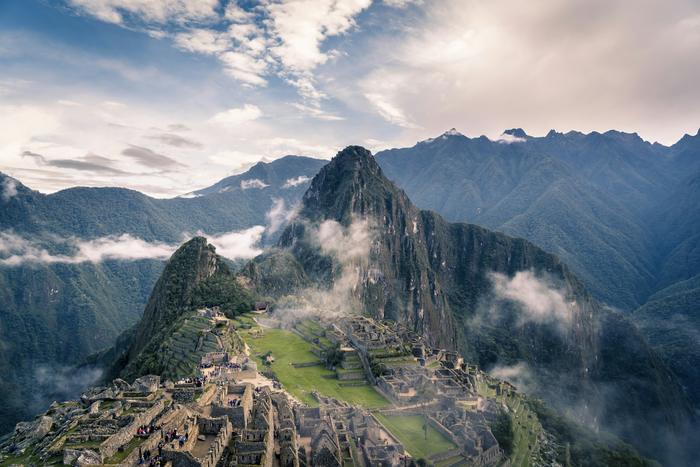
Peru sits between; most people do one or the other.

Chile and Ecuador aren’t neighbours (Peru lies between) and make quite different trips, so they’re usually separate — linked by air on a longer South America tour. Each compares more naturally with its own neighbours (see Chile vs Peru, Argentina vs Chile, Ecuador vs Peru and Costa Rica vs Ecuador).

What we leave out

What we deliberately leave out

Exact prices beyond the structural comparison — Chile’s Patagonia costs and Ecuador’s separate Galápagos expense both move — so the figures here are the shape of the difference, not a quote; the country guides carry the live detail. Each country’s volatile specifics (Chile’s park-booking systems and volcano, Ecuador’s security picture) are covered on its guide, to be checked before you commit, rather than restated here.

Chile or Ecuador, month by month

Which of the two is the better bet for each month of the year, scored on how well the season suits each place.

Which to choose

Choose Chile if:

  • The Atacama, Patagonia and Easter Island are the draw.
  • You want stable, developed, smooth travel and big landscapes.
  • A long desert-to-ice sweep over a compact country.

Choose Ecuador if:

  • The Galápagos, the Andes and the Amazon in one small country appeal.
  • You want a lot of variety in a short, cheap mainland trip.
  • A world-icon archipelago over a desert-to-ice journey.

Common questions

Is Chile or Ecuador better for wildlife?
Ecuador, decisively — the Galápagos Islands are among the greatest wildlife destinations on Earth, and the mainland Amazon adds more. Chile’s wildlife is more incidental to its landscapes (penguins, guanacos, condors in Patagonia). For a bucket-list wildlife trip, Ecuador; for epic scenery, Chile.
Which packs more variety into less time?
Ecuador — it’s remarkably compact, so you can combine the Andes (Quito, the volcano route), the Amazon and the Galápagos in a relatively short trip. Chile is enormous (around 4,300 km long), so its diversity — Atacama, Patagonia, Easter Island — comes with big distances and domestic flights. For variety in a short trip, Ecuador; for a longer, grander sweep, Chile.
Which is easier and safer to travel?
Chile is the more stable and developed, with good infrastructure and smooth logistics (the main everyday risk is urban theft in Santiago/Valparaíso, and the planning challenge is booking Torres del Paine and Easter Island). Ecuador is rewarding and compact but has seen heightened security concerns and states of emergency in recent years, so current advisories matter more there. For stability, Chile; Ecuador needs closer safety homework. The guides carry the detail: Chile and Ecuador.
Which is cheaper?
Ecuador on the mainland — it’s good value (and uses the US dollar, so no currency surprises), with the Galápagos the one big, unavoidable expense (flights, park fees, cruises). Chile is one of South America’s pricier countries, Patagonia most of all. For low mainland costs, Ecuador; budget separately for the Galápagos.
Can I combine them?
They’re not neighbours (Peru sits between) and make quite different trips, so they’re usually separate — linked by air on a longer South America tour. Each compares more naturally with its own neighbours — Chile with Peru and Argentina, Ecuador with Peru, Costa Rica and Guatemala.

Still undecided

Take the quiz

Three matches. Often answers comparison questions for you.

Start the quiz