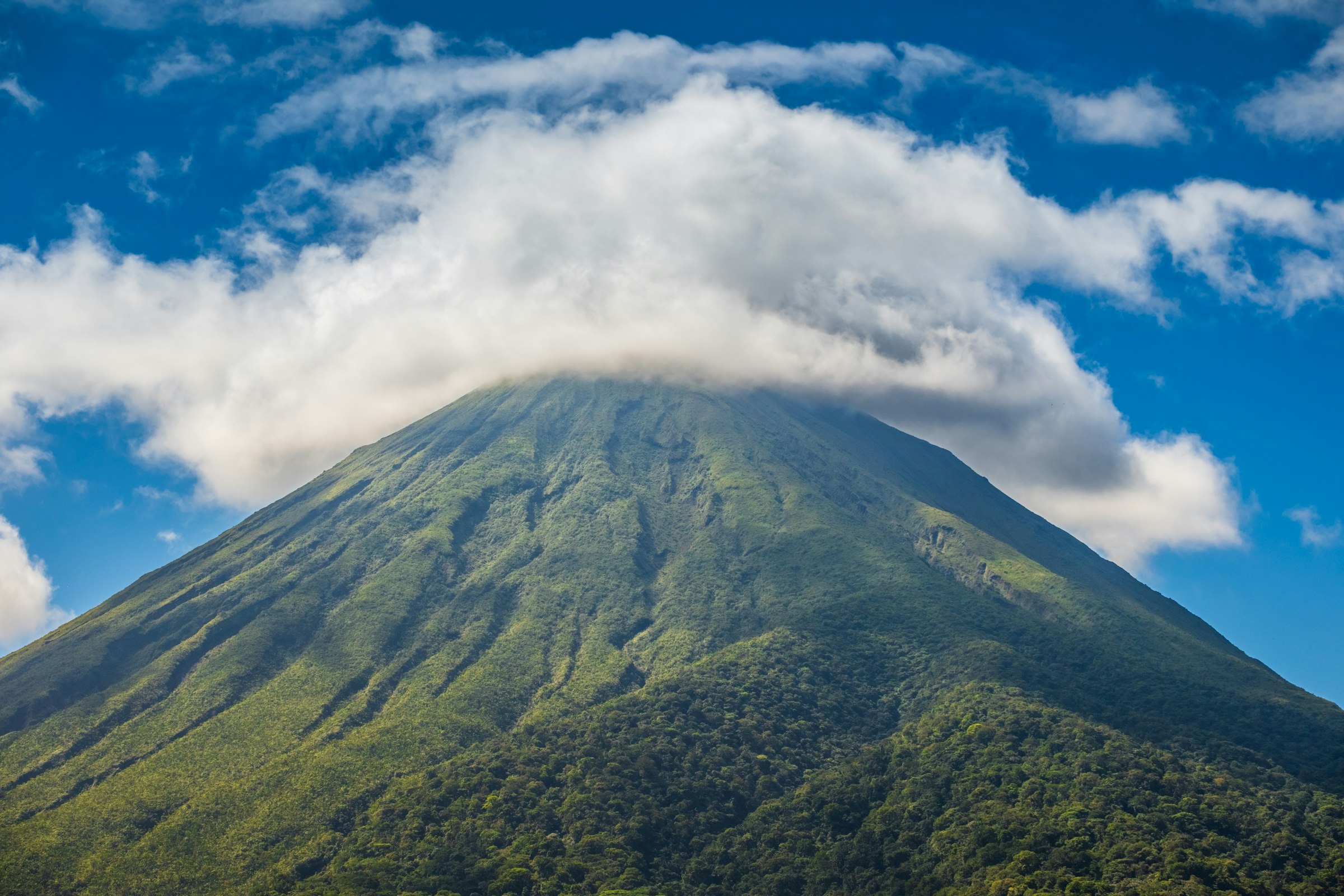
Costa Rica
Surfing, rainforest, volcanoes, and wildlife in extraordinary density.
Costa Rica is the easy entry point to neotropical wildlife. Cloud forests, two coastlines, active volcanoes, sloths, monkeys, more bird species than the United States — all in a country smaller than West Virginia. Pura vida is real and the infrastructure works.
The classic loop is short and proven: fly into San José, head to Arenal for volcano hikes and hot springs, take the bumpy road around the lake to Monteverde's cloud forest, then drop to the Pacific for surf, sunsets, and sloths. Hire a guide with a spotting scope at least once — you'll see ten times more than you would alone. Budget reality: this is a trip of rental cars, park fees, and guided walks, and it adds up fast.
Costa Rica is not cheap — expect prices closer to the United States than to the rest of Central America, especially in Guanacaste and the surf towns. Distances look tiny on the map and take hours on rough roads. September and October rains can wash out whole afternoons, and San José deserves one night at most. If you're after culture, ruins, or city life, go elsewhere. For wildlife per day of vacation, almost nowhere on earth beats it.
Highlights
-
Manuel Antonio
National park where the rainforest meets the beach — sloths all but guaranteed.
-
Arenal & La Fortuna
Volcano, hot springs, hanging bridges.
-
Monteverde
Cloud forest at altitude — quetzals, mist, and a cooler world entirely.
-
Nosara / Santa Teresa
Pacific surf coast with yoga and slow-living scene.
Practical info
- Visa
- Visa-free for most Western passports (90 days).
- Currency
- CRC (Colon) — USD widely accepted.
- Language
- Spanish. English in tourism.
- Safety
- Very safe by Central American standards. Watch belongings on beaches.
- Getting around
- Self-drive (4WD for some areas) or shuttles between hotspots.
- Tap water
- Tap water safe in most of the country.
- Plug type
- Type A Type B 120V
- Money
- USD or local; cards work in tourism.
General guidance — visas, safety, and health change, so check your government's travel advisory and the official sources before you go.
Common questions
- When is the best time to visit Costa Rica?
- The dry season (mid-December to April) is the most popular, with the most reliable sun — especially on the Pacific northwest (Guanacaste) — and the highest prices and crowds, peaking at Christmas and Easter (Semana Santa). The green/rainy season (May–November) is cheaper and lush, with September–October the wettest on the Pacific side. The twist: the Caribbean coast runs on a different calendar and is often at its driest in September–October, so when the Pacific is drowning, Puerto Viejo and Cahuita are the smart move. See the seasons section.
- What do you need to enter Costa Rica?
- Less than people think, and one thing more. US, UK, EU, Canadian and Australian visitors enter visa-free for up to 180 days (not 90 — that is an old figure, raised in 2023), and the passport need only be valid for your stay (though airlines may want 3–6 months, so carry that to avoid gate hassles). There is no mandatory pre-arrival digital form — the COVID-era Health Pass was scrapped in 2022 and not replaced. What is required is proof of onward or exit travel, enforced by airlines at check-in, so carry a confirmed onward ticket. The departure tax (~US$29) is now bundled into most airfares.
- Do I need a car, and how long do drives take?
- For an independent itinerary, usually yes — and often a 4x4, especially in the rainy season and for areas like Monteverde and the Osa Peninsula, where roads are rough and river crossings real. Two traps: mandatory liability insurance (~US$12–20/day) is rarely in the quoted price, so a “cheap” car lands near US$55–65/day all-in; and drive times far exceed the distance (San José to La Fortuna ~2.5–3h, La Fortuna to Monteverde ~3h). The no-car alternative is door-to-door shared shuttles (~US$59–78 a leg) or SANSA’s small planes to remote strips.
- Which national parks need to be booked in advance?
- More than you’d expect — book through the official SINAC system, not resellers. Manuel Antonio requires advance online tickets (nothing sold at the gate), is closed every Tuesday, uses timed entry and has a daily cap, so it sells out ahead. Poás Volcano needs a timed SINAC reservation — rangers turn away anyone without one — and can close at short notice on volcanic activity. And Corcovado on the Osa requires a certified guide, so budget the guided-package cost, not just an entry ticket.
- Is Costa Rica safe?
- Generally yes — it sits at the US “exercise increased caution” (Level 2) tier and the vast majority of visitors travel without incident. The dominant risk is opportunistic theft: rental cars broken into at trailheads and beach car parks, and bags taken off the sand — never leave anything in a parked car, and keep someone with your things at the beach. The genuine danger is the sea: rip currents at many unpatrolled Pacific beaches are a leading cause of tourist deaths, so check conditions and don’t swim where you’re unsure.
- Should I choose Costa Rica or Mexico?
- They scratch different itches: Costa Rica is a compact nature-and-adventure country — cloud forest, volcanoes, wildlife and two coasts within a day’s drive — while Mexico spreads culture, cuisine, ruins and beaches across a vast canvas at lower cost. See our full Costa Rica vs Mexico comparison for the measured differences.
Entry
180 days, an onward ticket, no app
The entry picture has two surprises: the stay is longer than people quote, and there’s no digital form — but you do need a way out.
US, UK and EU visitors enter visa-free for up to 180 days — not the 90 commonly quoted, which was raised in September 2023 — and the passport need only be valid for the stay (legally a single day, though many airlines informally expect 3–6 months, so carry that to avoid check-in friction). Crucially, there is no mandatory pre-arrival digital entry form: the pandemic Health Pass was discontinued in 2022 and not replaced, so disregard older articles and lookalike regional forms that claim you must register online.
What is required is proof of onward or exit travel, and it’s enforced by the airline at check-in — which can deny boarding without it — more reliably than by immigration on arrival, so carry a confirmed onward ticket. Officially you should also be able to show means of support (about US$100 per month of stay).
The departure tax of about US$29 is now bundled into most airfares rather than paid at the airport — but check your ticket, because if your carrier hasn’t included it you’ll pay separately before check-in (payable in colones, dollars or by Visa, which adds a cash-advance fee).
Getting around
A 4x4, a hidden insurance cost, and a time buffer
The roads are the trip’s real logistics: rough, slow, and pricier than the sticker.
~$15 / day the rental insurance you can’t decline
For an independent itinerary a car — often a 4x4 — is usually the answer, especially in the rainy season. The catch isn’t distance, it’s time: drives take far longer than the kilometres suggest, so build generous buffers into each day (the table has the common legs). There’s no meaningful passenger rail, and Costa Rica has two international airports worth choosing between — San José (SJO), the main hub, and Liberia (LIR) in Guanacaste, far closer to the northwest beaches.
The no-car alternative is the network of shared tourist shuttles (Interbus and Gray Line) — door-to-door hotel transfers, roughly US$59–78 a leg, far easier than the cheap but slow public buses. For the longest hops, SANSA flies small propeller planes between San José and regional strips like Tortuguero and the Osa Peninsula, with strict luggage limits and weather delays in the wet season.
| Route | Typical time | Note |
|---|---|---|
| San José – La Fortuna / Arenal | ~2.5–3h | Paved most of the way |
| San José – Monteverde | ~3.5h | Rough final climb |
| San José – Manuel Antonio | ~3h | Central Pacific coast |
| Arenal – Monteverde | ~3h | Jeep-boat-jeep across the lake (vs ~4h drive) |
Drive times run far longer than the kilometres suggest. Shared shuttles (Interbus / Gray Line, ~US$59–78 a leg) and SANSA’s small planes are the alternatives to self-driving.
Fly into the right airport. Liberia (LIR) is the better gateway for Guanacaste and the Nicoya beaches (Tamarindo, Playas del Coco, Santa Teresa); San José (SJO) suits the volcanoes, Monteverde, the central Pacific and the Caribbean. Picking wrong can add three hours of driving on each end.
Why Costa Rica
A country that runs on nature
The “pura vida” identity isn’t marketing — it’s built on protected land, clean power and no army.
~99% of its electricity from renewables
Costa Rica packs an outsized amount of wild into a small country. More than 25% of the land is protected, the grid is near-entirely renewable (hydro, geothermal, wind), and the army was abolished in 1948 — money that went instead to health and education, and latterly to conservation. The payoff is density: in a two-week loop you can stand under a cloud forest’s dripping canopy, soak in a volcano’s hot springs, watch sloths and scarlet macaws, and surf two different oceans.
That same abundance is why the trip is guide-and-park shaped rather than city-shaped. The capital, San José, is mostly a transit point; the experience is in the reserves and on the coasts, which is also why the logistics (cars, shuttles, park bookings) matter more here than the sightseeing lists.
The parks
Book ahead — and mind the closed days
Costa Rica’s headline parks now run on advance reservations, timed entry and guide rules — turning up unprepared can mean being turned away.
Book through the official SINAC reservation system rather than resellers. Manuel Antonio requires advance online tickets (nothing at the gate), is closed every Tuesday, uses timed entry and carries a daily cap (~600 on weekdays, ~800 at weekends), so popular dates sell out. Poás Volcano reopened in July 2025 after a 2025 closure and now runs on timed SINAC slots — book the earliest morning window for crater visibility before the cloud, and know it can shut again at short notice on volcanic activity.
On the Osa, Corcovado requires a certified guide, so budget the guided package rather than a solo ticket. Entry fees mostly include 13% tax and run around US$15–18 for the headline parks; Tortuguero is reachable only by boat or plane. Fees, hours and caps change with little notice, and SINAC’s own portal can be slow or down — recheck the week you travel.
| Park | Entry (foreign adult) | Booking |
|---|---|---|
| Manuel Antonio | ~US$18 | Advance online only; closed Tuesdays |
| Poás Volcano | ~US$15 | Timed SINAC reservation |
| Corcovado (Osa) | guided package | Certified guide required |
| Arenal Volcano | ~US$17 | No reservation needed |
| Tortuguero | ~US$17 | Boat or plane access only |
Approximate foreign-visitor rates (including 13% tax), read October 2026. Book via the official SINAC portal, not resellers; fees and caps change with little notice.
The newest rule bites on the Osa: since early 2026 Corcovado admits visitors only with a certified guide, and the great wildlife spot of Sirena has long worked that way — so for the country’s wildest park, price in a guided day, not a gate ticket. Chirripó, the 3,820 m high point, needs both a SINAC permit and a separate base-lodge booking.
When to go
Two coasts, two calendars
Costa Rica doesn’t have one season — it has a Pacific calendar and a Caribbean one that run opposite, and knowing both saves a trip.
The two coasts run opposite calendars: when the Pacific drowns in September–October, the Caribbean (Puerto Viejo, Cahuita) is at its driest. The Pacific dry season actually begins in mid-December and peaks at Christmas and Semana Santa (Easter).
The dry season (mid-December to April) is the classic window — most reliable sun, especially on the Pacific northwest (Guanacaste), the driest region — and also the busiest and priciest, peaking at Christmas and Easter. The green/rainy season (May–November) is cheaper, greener and quieter, with September–October the wettest on the Pacific side (afternoon downpours more than all-day rain for much of it).
The fact that rescues many trips: the Caribbean coast runs on its own calendar, often driest in September–October. So when the Pacific is at its soggiest, Puerto Viejo and Cahuita are the smart pick — a different coast, a different rhythm, and sun when the west is under cloud. The swaps below are the moves locals make.
- The Pacific is drowning (Sep–Oct)SkipGuanacaste and the central Pacific in the heavy rainsGothe Caribbean — Puerto Viejo and Cahuita, at their driest then
- Peak crowds and prices (Dec–Jan, Easter)Skipthe dry-season honeypots unbookedGoshoulder months (May, June, November) — green, cheaper, quieter
- You care more about wildlife than sunSkipwriting off the green seasonGothe lush May–Nov window — rivers full, turtles nesting, far fewer people
Where to go
Volcanoes, cloud forest, and two coasts
The classic loop strings together wildly different landscapes in a surprisingly small space.
The backbone of most trips is Arenal/La Fortuna (the resting volcano, hot springs and adventure sports) paired with Monteverde’s cloud forest — where the recreational canopy zipline tour was born in 1997 — then a Pacific beach stretch. Guanacaste and the Nicoya Peninsula are the driest, surf-and-sand northwest (and a famed Blue Zone for longevity), while Manuel Antonio packs monkeys and sloths into a small beach-and-rainforest park on the central Pacific.
For the wild end, the remote Osa Peninsula and Corcovado are the most biologically intense corner of the country, and the Caribbean coast around Puerto Viejo brings Afro-Caribbean culture, sloths and a slower rhythm. Tortuguero, reachable only by boat or plane, is a jungle maze of canals where green turtles nest from July to October. The table pairs each region with what it’s really for.
| Region | What it’s for |
|---|---|
| Arenal / La Fortuna | Volcano, hot springs, ziplines and rafting — the adventure hub |
| Monteverde | Cloud forest, canopy tours and quetzals in the cool highlands |
| Guanacaste / Nicoya | The driest coast — Pacific beaches, surf and a Blue Zone |
| Manuel Antonio | Beach-meets-rainforest — monkeys and sloths, very popular |
| Osa / Corcovado | Raw, remote rainforest — the most biodiverse corner |
| Caribbean (Puerto Viejo) | Afro-Caribbean coast, sloths, a slower rhythm |
| Tortuguero | Jungle canals by boat; green-turtle nesting Jul–Oct |
Safety
The real risks are the car, the sea, and the river
Costa Rica is one of the safer countries in Latin America — the dangers that matter aren’t the ones people fear.
The US sits Costa Rica at Level 2, and violent crime is largely confined to specific San José neighbourhoods (Pavas, La Carpio, León XIII, the Coca-Cola bus terminal area), not the resort zones and parks. For visitors the near-universal issue is opportunistic theft — smash-and-grab from rental cars at trailheads and beach car parks, and bags lifted off the sand — so never leave anything visible in a parked car and keep someone with your things while you swim.
The genuinely dangerous ones are natural: rip currents at many unpatrolled Pacific beaches are a leading cause of tourist deaths (around fifty drownings a year), so respect posted conditions and don’t swim where you’re unsure; and crocodiles inhabit some Pacific rivers and estuaries, so heed the signs. Dengue is present in the lowlands year-round — pack repellent. On the brighter side, it’s among the easiest countries in the region for solo travel, and same-sex marriage has been legal since 2020, the first in Central America.
A note on the advisory wording: the Level 2 rating cites “crime” generally. Broader reporting ties Costa Rica’s rising homicide rate to drug-trafficking disputes, but that violence is concentrated among those networks and specific urban areas — not the tourist circuit — so read the context, not panic, into it.
Good to know
Money, water, and pura vida
The practical footnotes — paying, drinking the water, and the phrase you’ll hear all day.
Money: the currency is the colón (around ₡500 to the US dollar in 2026), but US dollars are widely accepted for larger purchases, tours and hotels — carry small, crisp, untorn bills and expect change in colones; cards work in towns, cash for rural areas. Restaurants add a 10% service charge and 13% tax by law, so the 10% tip is already in; extra is optional. This is not a budget destination once guides, shuttles, rental insurance and park fees stack up.
On health, tap water is generally safe in San José, the Central Valley and the main tourist areas (genuinely unusual for the region), with bottled sensible in remote spots. For connectivity, a local SIM (Kölbi, Claro or Liberty — the old Movistar brand is gone) or an eSIM covers data; wifi is common in towns but weak in the deep Osa. Spanish is the language, with English widely spoken in tourism — and “pura vida” serves as hello, goodbye, thanks and “all good,” the unofficial motto of a nation that runs, mostly, on being relaxed.
The single emergency number is 911 — nationwide, free, and it works without a SIM, with English-speaking operators generally available. Worth knowing before you need it on a remote road.
Compare Costa Rica
If you like Costa Rica, also consider
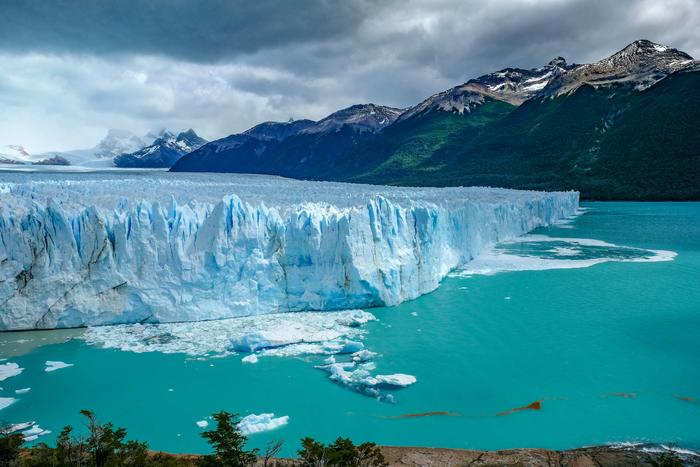
Argentina
Buenos Aires has the best steakhouses and nightlife in South America.
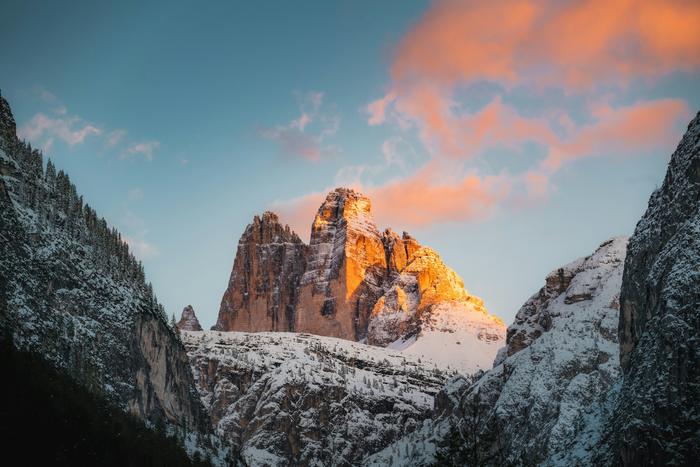
The Alps
The ski and alpine benchmark — every other mountain range is measured against this.

Australia
Vast, varied, relaxed. Reef, Sydney, and proper wilderness in one.
Not sure where to go
Take the 5-minute quiz
Answer a few honest questions and get matched to destinations that actually fit how you travel.
Start the quiz