Bolivia vs Peru

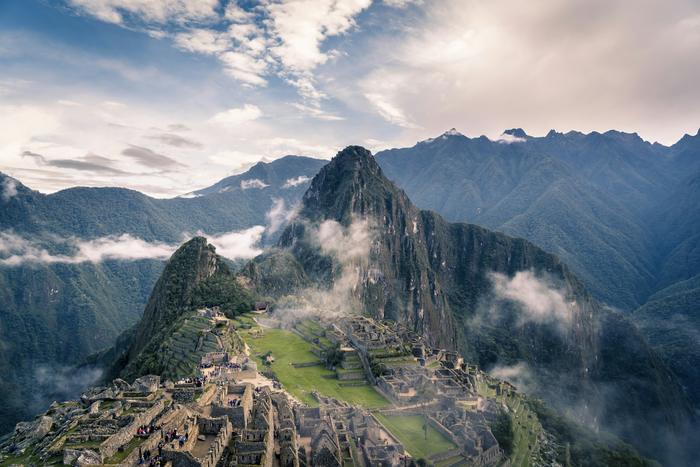
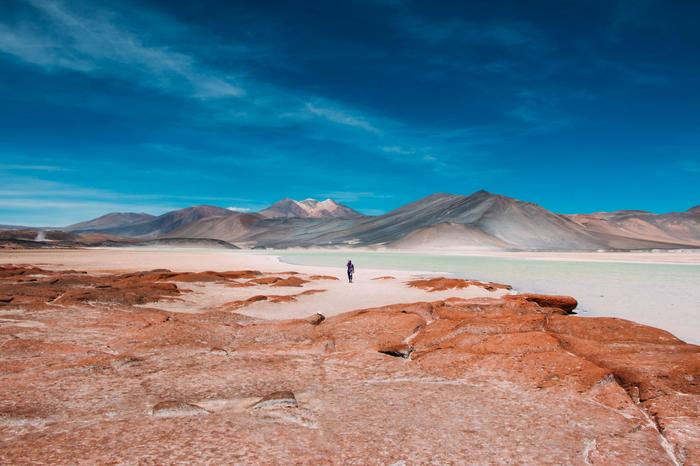
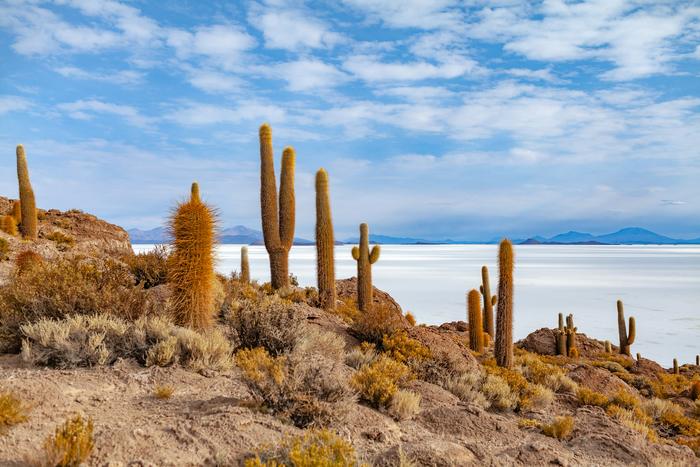
Andean neighbours that share a lake and little else in temperament. Peru is the marquee trip — Machu Picchu, the Sacred Valley, Lima’s food scene and the Amazon — with developed tourism and real crowds. Bolivia is the cheaper, rawer sibling next door: the Uyuni salt flats, La Paz in its canyon, thin infrastructure and fewer tourists, for a fraction of the cost.

South America

Bolivia

The cheapest serious travel on the continent — and the highest.

Best time to visit
  1. January: avoid
  2. February: avoid
  3. March: fine
  4. April: peak
  5. May: peak
  6. June: peak
  7. July: peak
  8. August: peak
  9. September: peak
  10. October: fine
  11. November: fine
  12. December: avoid
Peak Fine Avoid
South America

Peru

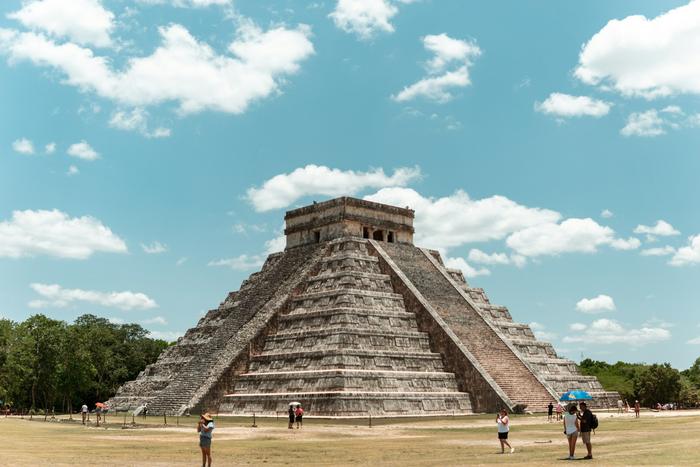
Machu Picchu, the Sacred Valley, Lima's food scene, and the Amazon.

Best time to visit
  1. January: avoid
  2. February: avoid
  3. March: fine
  4. April: fine
  5. May: peak
  6. June: peak
  7. July: peak
  8. August: peak
  9. September: peak
  10. October: peak
  11. November: fine
  12. December: avoid
Peak Fine Avoid
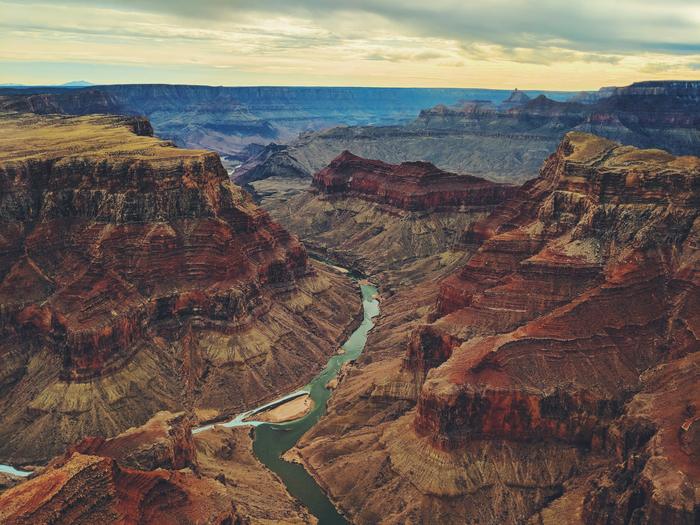
Read our full guides about Bolivia and Peru.

Side by side

Emphasised where they differ. Muted rows are much the same either way.

Bolivia Peru
Best time April–September May–October
Climate mild mild
Budget The cheapest serious travel on the continent — a cash economy amid 2026 shortages Still affordable, but pricier — Machu Picchu and the Cusco circuit carry real costs
Trip length 2–4 wks 2–5 wks
Visa Visa-free for most Western passports (90 days). US citizens need a visa. Verify before travel. Visa-free for most Western passports (90 days).
Currency BOB (Boliviano). PEN (Sol). Roughly 3.7 PEN ≈ 1 USD.
Language Spanish, Quechua, and Aymara. Limited English. Spanish (Quechua in highlands). Limited English.
Tap water Tap water not safe. Drink bottled or filtered. Tap water not safe.
Safety Generally safe in tourism. Altitude and rough roads are the bigger risks. Generally safe in tourism. Altitude sickness in Cusco is the bigger concern.

General guidance — visas, safety, and health change, so check your government's travel advisory and the official sources before you go.

The split

Marquee sights, or cheap and raw

Neighbours sharing a lake — one has the icons and crowds, the other the low prices and rough edges.

Icons vs landscapewhat each is really forMachu Picchu and Lima’s food, or Uyuni and La Paz
Developed vs rawhow each travelsEstablished routes and crowds, or cheap, rough and quiet
Pricier vs cheapestthe moneyAffordable with costly highlights, or the cheapest continent-wide

Peru is the marquee Andean trip: Machu Picchu, the Sacred Valley, Lima’s food scene and the Amazon, with developed tourism and the crowds that come with fame. Bolivia is the cheaper, rawer sibling: the Uyuni salt flats, La Paz in its canyon, thin infrastructure and far fewer tourists, at a fraction of the cost. World-class icons, or low-priced landscape.

The operational detail — Bolivia’s altitude, currency and 2026 disruptions, Peru’s Machu Picchu ticketing and Inca Trail permits — lives on the two guides: Bolivia, know before you go and Peru, know before you go. This page is the head-to-head.

Who suits which

Who each actually suits

Icons-and-developed or cheap-and-raw — so these rarely invert.

If you want…BoliviaPeru
Machu Picchu and the Sacred ValleyNot hereWins clearly. The icons
The cheapest possible tripWins clearly. The cheapest continent-widePricier highlights
Surreal salt flatsWins. UyuniNot here
World-class foodHearty but simpleWins. Lima’s scene
Fewer crowdsWins. Far quieterBusy at the icons
Smooth, developed travelRough and disrupted in 2026Wins. Established routes

Doing both

The Titicaca loop

They share a lake — a natural overland pairing.

These two combine as well as any pair on the continent, because they share Lake Titicaca. The classic loop runs Cusco and Machu Picchu, crosses the lake from Puno to Copacabana and Isla del Sol, and continues to La Paz and Uyuni — Peru’s icons flowing into Bolivia’s landscapes. Keep acclimatising throughout (it’s high the whole way) and allow for Bolivia’s 2026 blockade and fuel disruptions; done right, it’s a standout Andean journey.

What we leave out

What we deliberately leave out

Exact prices and the moving pieces — Bolivia’s fast-shifting 2026 currency and fuel situation, Peru’s Machu Picchu ticket and train costs — change within a season, so the figures here are the shape of the gap, not a quote; the country guides carry the live detail.

Bolivia or Peru, month by month

Which of the two is the better bet for each month of the year, scored on how well the season suits each place.

Which to choose

Choose Bolivia if:

  • You want the cheapest, rawest Andean trip — the salt flats, La Paz, fewer crowds.
  • Rough edges and thin infrastructure are a fair trade for the price.
  • You’ve done the marquee sights, or you’d rather skip the crowds.

Choose Peru if:

  • You want the headline experiences — Machu Picchu, the Sacred Valley, Lima’s food.
  • Better-developed tourism and world-class sights justify the crowds and cost.
  • A first big South America trip with the icons appeals most.

Common questions

Should I combine Bolivia and Peru?
Very naturally — they share Lake Titicaca, so the classic route runs Cusco and Machu Picchu in Peru, across the lake (Puno to Copacabana and Isla del Sol), and on to La Paz and Uyuni in Bolivia. It’s one of the great Andean overland loops. Watch the altitude throughout and Bolivia’s 2026 disruptions (see its guide), but the two fit together beautifully.
Which is cheaper, Bolivia or Peru?
Bolivia, clearly — it’s the cheapest serious travel on the continent, while Peru is still affordable but pricier, especially around the Machu Picchu and Cusco circuit, where tickets, trains and permits add up. You save money and crowds in Bolivia; you get the marquee sights in Peru. See the Bolivia and Peru guides.
Which has the bigger sights?
Peru, decisively — Machu Picchu and the Sacred Valley are among the most famous sights on earth, backed by Lima’s world-class food scene and the Amazon. Bolivia’s draws are more about landscape and atmosphere — the surreal Uyuni salt flats, La Paz’s canyon — than headline monuments. Icons and cuisine, or landscape and low prices.
Which is easier to travel?
Peru, clearly — its tourism is better developed, with established routes, trains and infrastructure (and, with that, crowds). Bolivia is cheaper but rougher: serious altitude, rough roads, and in 2026 recurring blockades and fuel shortages. Smoother and busier, or cheaper and rawer.

Still undecided

Take the quiz

Three matches. Often answers comparison questions for you.

Start the quiz