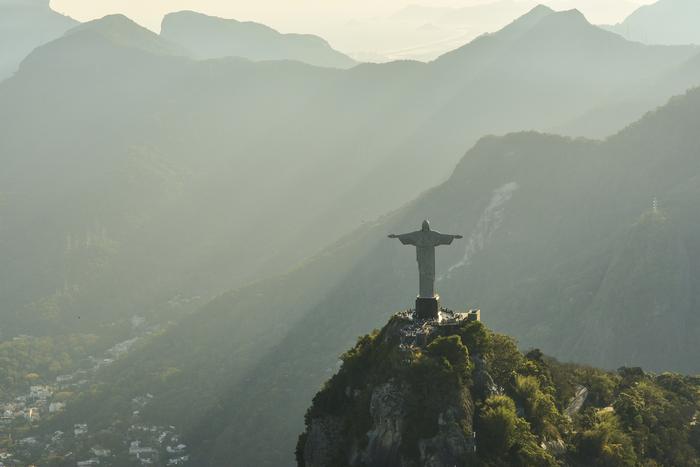
Brazil vs Peru

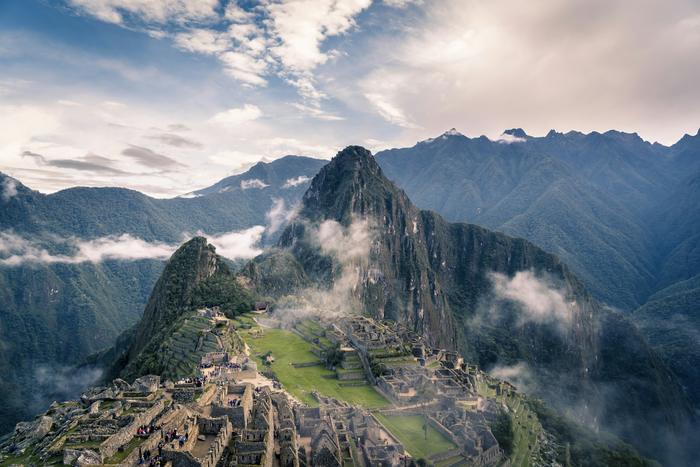
Two South American giants with very different pulls. Brazil is the vast, vibrant one — Rio’s beaches, the Amazon, Iguaçu Falls, the Pantanal and the world’s biggest Carnival — a big, varied, high-energy trip (now needing a visa for some). Peru is the ancient one — Machu Picchu and the Inca world, Cusco and the Sacred Valley, the high Andes and Amazon, and a food scene among the world’s best. One is beaches, rainforest and samba; the other a cultural pilgrimage to the Inca heartland.

South America

Brazil

A continent of a country. Pick two or three things and commit.

Best time to visit
  1. January: peak
  2. February: peak
  3. March: fine
  4. April: fine
  5. May: fine
  6. June: fine
  7. July: fine
  8. August: fine
  9. September: peak
  10. October: peak
  11. November: fine
  12. December: peak
Peak Fine Avoid
South America

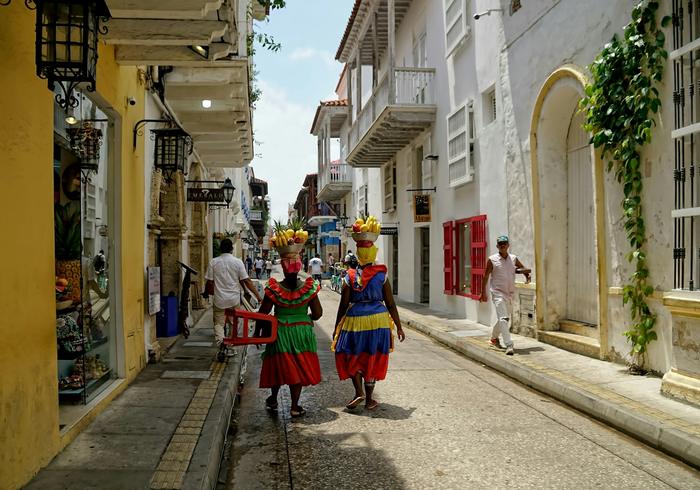
Peru

Machu Picchu, the Sacred Valley, Lima's food scene, and the Amazon.

Best time to visit
  1. January: avoid
  2. February: avoid
  3. March: fine
  4. April: fine
  5. May: peak
  6. June: peak
  7. July: peak
  8. August: peak
  9. September: peak
  10. October: peak
  11. November: fine
  12. December: avoid
Peak Fine Avoid

Read our full guides about Brazil and Peru.

Side by side

Emphasised where they differ. Muted rows are much the same either way.

Brazil Peru
Best time September, October, December–February May–October
Climate warm mild
Budget Good value with a soft real — domestic flights across a huge country are the cost Good value too — flights and the Machu Picchu logistics are the cost
Trip length 2–4 wks 2–5 wks
Visa Visa-free for many Western passports; US, Canadian, and Australian visitors need an eVisa. Visa-free for most Western passports (90 days).
Currency BRL (Real), roughly 5 BRL ≈ 1 USD. PEN (Sol). Roughly 3.7 PEN ≈ 1 USD.
Language Portuguese. Limited English outside tourism. Spanish (Quechua in highlands). Limited English.
Tap water Stick to bottled water. Tap water not safe.
Safety Exercise caution in big cities; petty crime is common, so keep valuables low-key. Generally safe in tourism. Altitude sickness in Cusco is the bigger concern.

General guidance — visas, safety, and health change, so check your government's travel advisory and the official sources before you go.

The split

Beaches and Carnival, or the Inca heartland

Both are South American giants — but one is vibrant beaches, Amazon and samba, the other the ancient Inca world and great food.

Vibrant vs ancientthe leanRio, the Amazon and Carnival, or Machu Picchu and the Incas
Spread vs iconthe drawA range of natural wonders, or one world-icon ruin
Energy vs pilgrimagethe tripHigh-energy variety, or a cultural pilgrimage

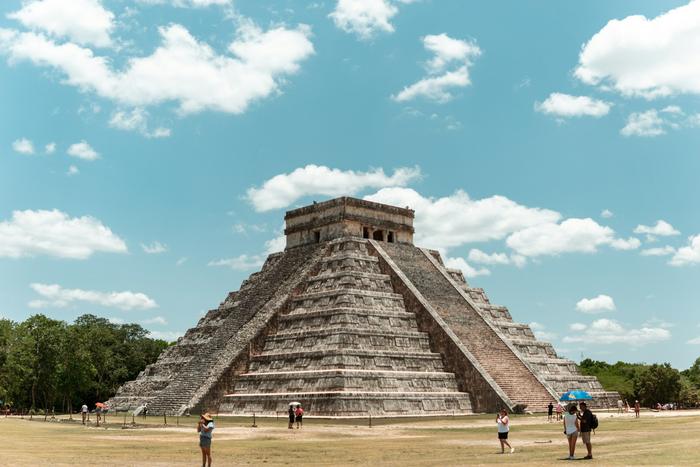
Brazil is the vast, vibrant one — Rio’s beaches, the Amazon, Iguaçu Falls, the Pantanal and the world’s biggest Carnival — a big, varied, high-energy trip (now needing a visa for some). Peru is the ancient one: Machu Picchu and the Inca world, Cusco and the Sacred Valley, the high Andes and Amazon, and a food scene among the world’s best.

The operational detail — Brazil’s reinstated e-visa, yellow fever and internal flights; Peru’s altitude, protests and Machu Picchu ticketing — lives on the two guides: Brazil, know before you go and Peru, know before you go. This page is the head-to-head.

The real difference

Vibrant variety, or an ancient pilgrimage

The trade: Brazil offers beaches, rainforest and Carnival energy; Peru offers the Inca icon, the Andes and great food.

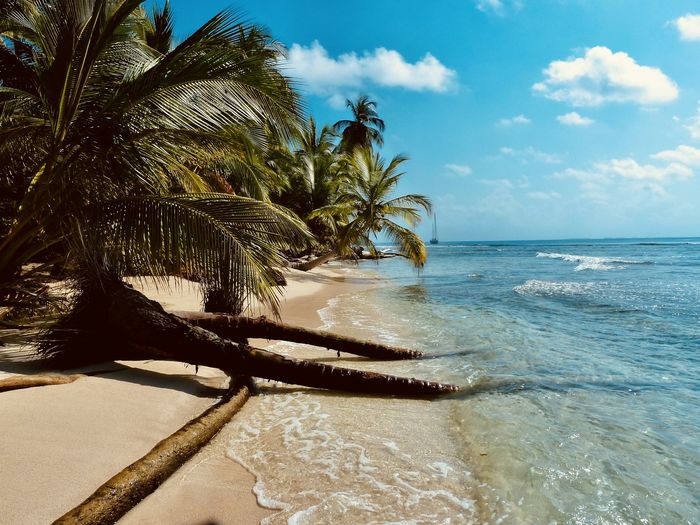
Brazil wins on variety and energy. Beaches, the Amazon, the Pantanal and Carnival make for a big, exuberant, varied trip — at good value on the ground, with the planning and entry admin a continent-sized country requires.

Peru wins on the icon and the food. Machu Picchu is once-in-a-lifetime, the Inca heritage gives it depth, and Lima’s cuisine is a world draw — a cultural pilgrimage with altitude and logistics to manage. Choose vibrant variety, or the Inca heartland.

Who suits which

Who each actually suits

Both are South American giants — but one leans beaches and energy, the other ancient ruins and food.

If you want…BrazilPeru
A world-icon ruinNatural wonders insteadWins. Machu Picchu
Beaches and the AmazonWins. Rio and the rainforestAmazon too, ruins lead
World-class gastronomyHearty, variedWins. Lima’s global scene
Carnival and high energyWins. The world’s biggestQuieter
Lower altitudeWins. Mostly lowHigh-altitude Cusco
A cultural pilgrimageVibrant, not iconicWins. The Inca world

Doing both

Neighbours you can pair

They connect by air — a longer trip can take in both.

Brazil and Peru are neighbours connected by air, so a longer trip can pair Peru’s Inca heartland with Rio, Iguaçu or the Amazon — both are big, so allow two to three weeks. Each also compares with its neighbours (see Argentina vs Brazil, Colombia vs Peru, Argentina vs Peru and Chile vs Peru).

What we leave out

What we deliberately leave out

Exact prices beyond the structural comparison — Brazil’s flight-heavy budget and Peru’s Machu Picchu logistics both move — so the figures here are the shape of the difference, not a quote; the country guides carry the live detail. Each country’s volatile specifics (Brazil’s e-visa and yellow fever, Peru’s protests and ticketing) are covered on its guide, to be checked before you commit, rather than restated here.

Brazil or Peru, month by month

Which of the two is the better bet for each month of the year, scored on how well the season suits each place.

Which to choose

Choose Brazil if:

  • Beaches, the Amazon, Carnival and vibrant energy are the draw.
  • You want a big, varied, high-energy trip.
  • Rio and rainforest over ancient ruins.

Choose Peru if:

  • Machu Picchu and the Inca world are the whole reason to go.
  • Ancient history, the high Andes and world-class food top the list.
  • A cultural pilgrimage over beaches and samba.

Common questions

Is Brazil or Peru better for a first South America trip?
Peru is the more classic first choice — Machu Picchu is the continent’s signature sight, and the Cusco–Sacred Valley circuit is a well-trodden, rewarding introduction (with altitude and ticketing to manage). Brazil is the choice for beaches, the Amazon and high-energy culture, a bigger and more varied trip. For the Inca icon, Peru; for vibrant variety, Brazil.
Which has the bigger must-see?
Different kinds. Peru has the world-icon — Machu Picchu is one of the most famous places on Earth. Brazil’s headliners are natural and cultural — Iguaçu Falls, the Amazon, Rio’s setting, and Carnival — awe-inspiring, but a spread rather than one built icon. For the famous ruin, Peru; for a range of natural and cultural wonders, Brazil.
Which has better food?
Peru, by reputation — it’s a genuine global food destination, with Lima’s restaurants among the world’s best and a cuisine (ceviche, Andean ingredients) that’s a draw in itself. Brazil eats well (churrascaria, regional dishes, açaí) but its food isn’t the headline Peru’s is. For cutting-edge gastronomy, Peru; for hearty variety, Brazil.
Do the entry rules differ?
Yes. Brazil reintroduced a visa (e-visa) for US, Canadian and Australian citizens in 2025 — don’t assume visa-free — while UK/EU stay visa-free; yellow-fever vaccination is recommended for much of Brazil. Peru is visa-free for the main nationalities; the challenges there are altitude and the Machu Picchu ticket system (plus occasional protests). The guides carry the specifics: Brazil and Peru — hence the early recheck on both.
Can I combine them?
Yes — they’re neighbours and connect by air, so a longer trip can pair Peru’s Inca heartland with Rio, Iguaçu or the Amazon. Both are big, so allow two to three weeks. Each also compares with its neighbours — Brazil with Argentina, Peru with Colombia, Ecuador, Argentina and Chile.

Still undecided

Take the quiz

Three matches. Often answers comparison questions for you.

Start the quiz