Chile
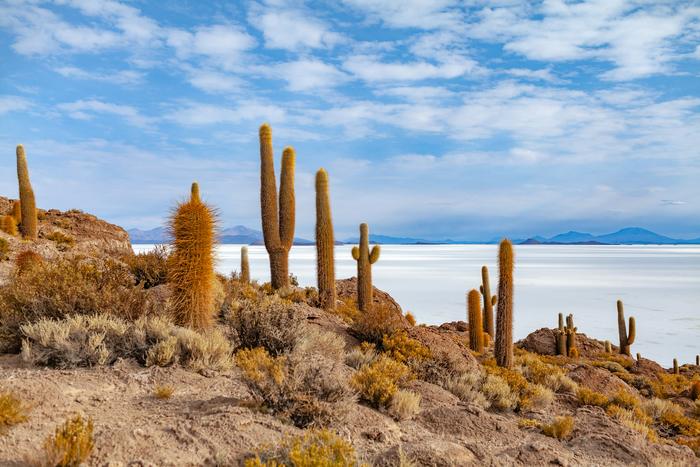
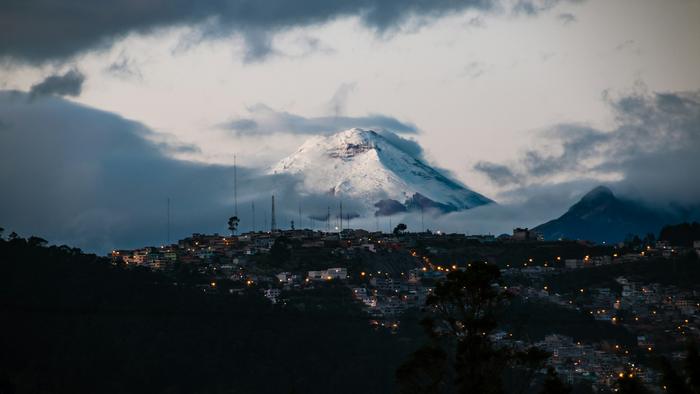
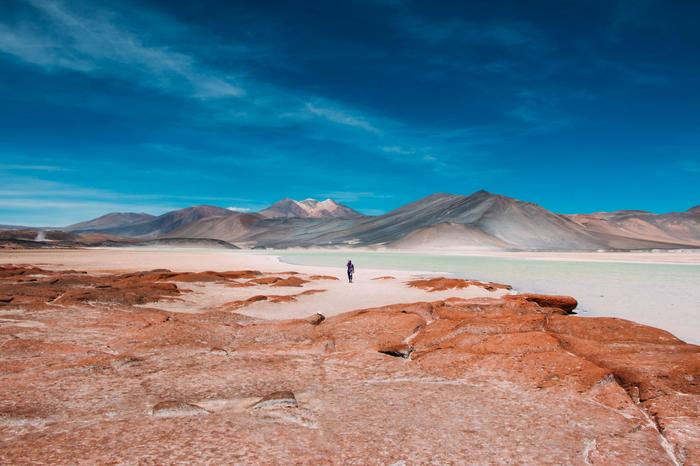
A 4,000km country of deserts, wine valleys, lakes, and southern fjords.
- January: peak
- February: peak
- March: peak
- April: fine
- May: avoid
- June: avoid
- July: avoid
- August: avoid
- September: fine
- October: fine
- November: peak
- December: peak
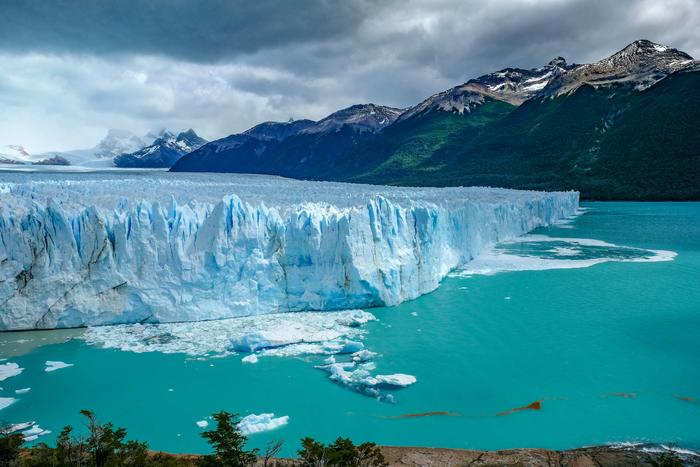
Two of the calmest, safest, most developed countries in South America — but one is a dramatic 4,000km ribbon and the other a quiet coastal sliver. Chile runs from the Atacama desert through wine valleys and lakes to the fjords and towers of Patagonia. Uruguay is small and slow: beef, Tannat, empty Atlantic beaches, and no interest in spectacle.
A 4,000km country of deserts, wine valleys, lakes, and southern fjords.
The calm, safe, well-off corner of South America — beef, wine, and empty Atlantic beaches.
Read our full guides about Chile and Uruguay.
Emphasised where they differ. Muted rows are much the same either way.
| Chile | Uruguay | |
|---|---|---|
| Best time | November–March | December–March |
| Climate | mild | mild |
| Budget | Pricey — one of South America’s most developed and expensive countries | Also expensive — but pay by foreign card and hotels are VAT-free, restaurants taxed at 9% |
| Trip length | 2–4 wks | 1–1 wks |
| Visa | Visa-free for most Western passports (90 days). Verify before travel. | Visa-free for most Western passports (90 days). Verify before travel. |
| Currency | CLP (Chilean Peso). | UYU (Uruguayan Peso); USD widely accepted in Punta del Este. |
| Language | Spanish. Limited English. | Spanish; English is limited. |
| Tap water | Tap water generally safe in Santiago and major towns. | Tap water safe to drink. |
| Safety | One of the safer countries in the region. Watch for petty theft in cities. | One of the safest countries in the Americas; normal city caution in Montevideo. |
General guidance — visas, safety, and health change, so check your government's travel advisory and the official sources before you go.
The split
Both safe and developed — one is long and various, the other small and slow.
Chile is the long, dramatic, varied ribbon: the Atacama, wine valleys, lakes and the fjords and towers of Patagonia, down 4,000km of developed country. Uruguay is the small, calm, well-off coast: beef, Tannat and empty Atlantic beaches at a slow, safe pace. Sweeping range, or gentle calm — both among the continent’s safest, most polished countries.
The operational detail — Chile’s distances and Patagonia seasons, Uruguay’s card-only VAT break — lives on the two guides: Chile, know before you go and Uruguay, know before you go. This page is the head-to-head.
Who suits which
Varied-and-long or calm-and-small — so these rarely invert.
| If you want… | Chile | Uruguay |
|---|---|---|
| Dramatic, varied landscape | Wins clearly. Desert to Patagonia | Flat and gentle |
| Calm, slow, safe days | Big and active | Wins clearly. Built for it |
| Patagonia and the Atacama | Wins. Both are here | Neither |
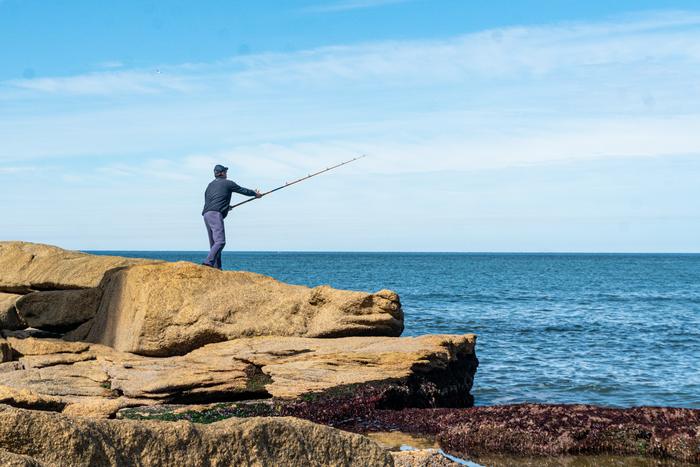
| Empty Atlantic beaches | Cold Pacific coast | Wins. The eastern shore |
| A short, easy trip | Rewards a long loop | Wins. A few unhurried days |
| Wine country | Wins. World-class valleys | Good Tannat, smaller |
Doing both
No easy link — pick one.
There’s no convenient overland route between them — Argentina lies in between — so combining Chile and Uruguay means flights, usually via Buenos Aires or Santiago, and each fills its own trip, which makes this an either/or in practice. Both are Southern Hemisphere, so the warm, best season for either is December–February. Choose by appetite: dramatic, varied range, or calm coastal slowness.
What we leave out
Exact prices and the moving pieces — Chile’s internal airfares and Patagonia-season rates, Uruguay’s card-only VAT break and summer pricing — change within a season, so the figures here are the shape of the gap, not a quote; the country guides carry the live detail.
Which of the two is the better bet for each month of the year, scored on how well the season suits each place.
Mexico City is world-class. Add the coast, ruins, and food culture.
A continent pretending to be a country — cities, deserts, and the best national parks anywhere.
Wilderness on a continental scale — Rockies, coast, and the cities between.
Medellin is one of the most exciting cities in the world right now.
Surfing, rainforest, volcanoes, and wildlife in extraordinary density.
Seven hundred islands of impossibly clear water, from cruise-port Nassau to the empty Out Islands.
Music, classic cars, and crumbling grandeur — go for the country, not the comfort.
Cheap flights, warm sea, and a lot more country than the resort brochure admits.
Still undecided
Three matches. Often answers comparison questions for you.
Start the quiz