Cuba
Music, classic cars, and crumbling grandeur — go for the country, not the comfort.
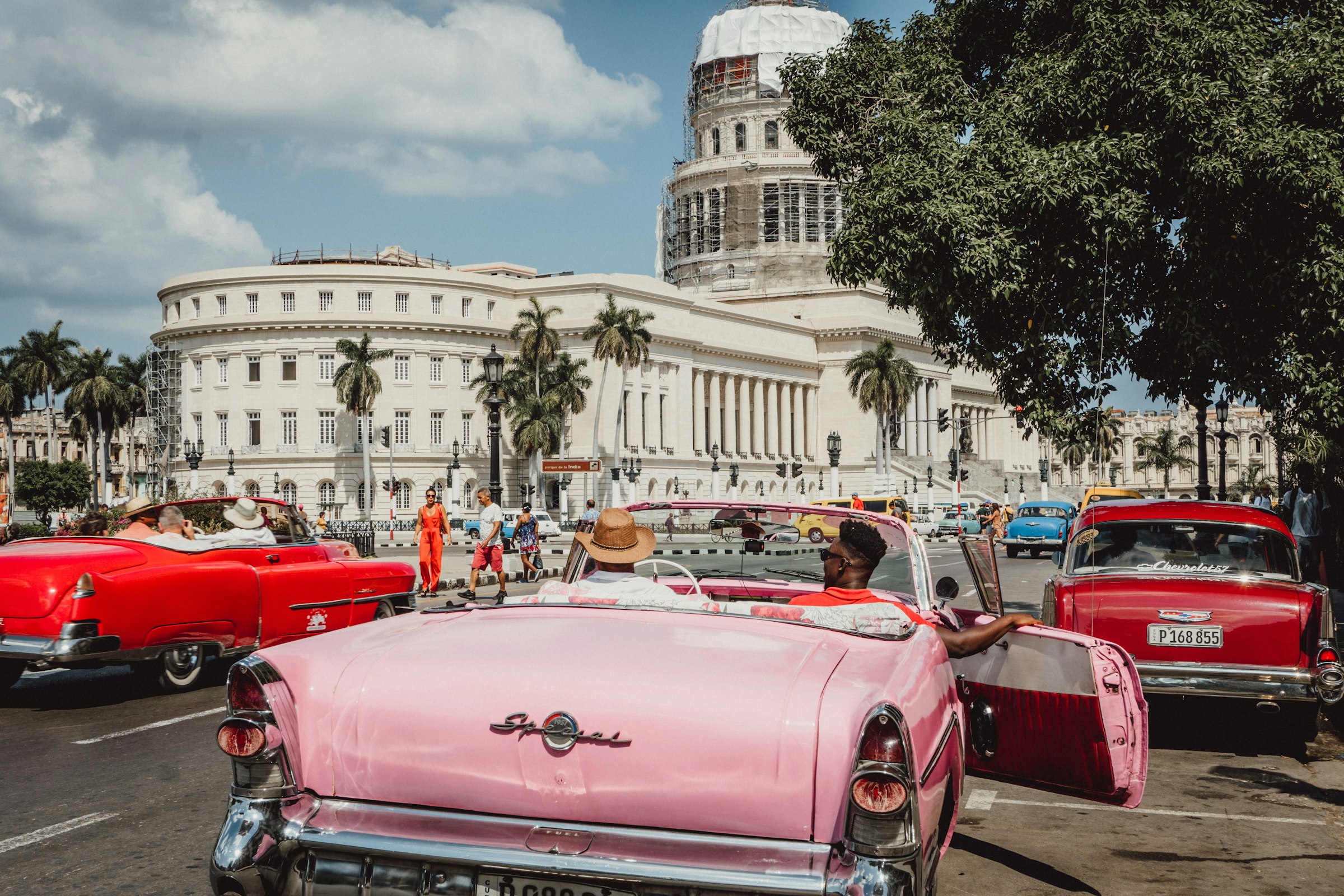
Cuba runs on its own logic. Havana is the draw: peeling colonial facades, 1950s American cars still on the road, son and salsa spilling out of doorways after dark. Pair it with Viñales tobacco country, colonial Trinidad, and a few flat days on the Varadero beach strip. The infrastructure is patchy and the food is thin, but nowhere else feels quite like it.
The usual route starts in Havana for three or four nights — wandering Old Havana, the Malecón at sunset, a paladar dinner and a late rum bar — then west to Viñales for horse rides through tobacco valleys, or south to Trinidad's cobbled streets and live-music squares. Varadero adds beach time at the end. You sleep in casas particulares, family-run guesthouses that are the best value and the most human part of the trip. Most of your money goes to those rooms, taxis between cities, and cash you carry from home.
The honest part: you have to plan around scarcity. Shortages hit fuel, food, and medicine without warning; wifi is slow and sold by the hour; and Western cards tied to US banks simply do not work, so you bring every dollar or euro in cash and budget carefully. The food is the real letdown — rice, beans, and grilled chicken on repeat, even at the better paladares. Come for the music, the streets, and the people, accept the rest, and Cuba delivers something no polished resort island can.
Highlights
-
Havana
Crumbling grandeur, classic cars, and live music after dark.
-
Viñales
Tobacco valleys and limestone hills — ride through on horseback.
-
Trinidad
Cobbled colonial town with a square that turns into a dance floor at night.
-
Varadero
Flat white-sand beach strip to wind down at the end.
Practical info
- Visa
- Tourist card required for most Western passports; buy before travel. Verify rules first.
- Currency
- CUP (Cuban Peso). Bring cash (USD or EUR); most Western cards do not work.
- Language
- Spanish. Limited English.
- Safety
- Low violent crime; watch for scams and petty theft in Havana.
- Getting around
- Slow and improvised — shared taxis, Viazul buses, and classic-car rides between cities.
- Tap water
- Tap water not safe to drink; stick to bottled.
- Plug type
- Type A Type B Type C Type L 220V
- Money
- Carry all your cash from home. Wifi is patchy, so download maps offline.
General guidance — visas, safety, and health change, so check your government's travel advisory and the official sources before you go.
Common questions
- When is the best time to visit Cuba?
- Cuba is at its best in November–April. It's best to avoid June, July, August.
- How many days do you need in Cuba?
- Most trips run 1–2 weeks, depending on how much ground you want to cover.
- Is Cuba expensive?
- Plan for budget – mid-range daily spend, depending on how you travel.
- Is Cuba safe for travelers?
- Low violent crime; watch for scams and petty theft in Havana.
- Do you need a visa for Cuba?
- Tourist card required for most Western passports; buy before travel. Verify rules first.
Compare Cuba with
If you like Cuba, also consider
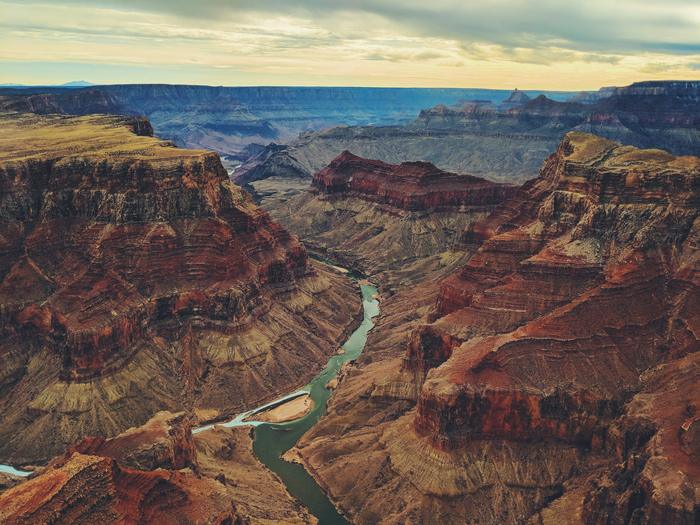
United States
A continent pretending to be a country — cities, deserts, and the best national parks anywhere.

France
Paris is only the opening act — wine country, the Alps, and two coastlines.
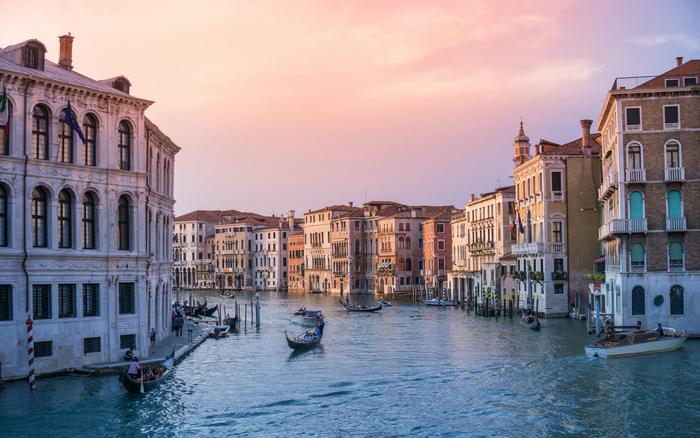
Italy
The benchmark for food, history, and beauty.

Japan
Extraordinary food, culture, and cities. Nothing quite prepares you for it.
Not sure where to go
Take the 5-minute quiz
Answer a few honest questions and get matched to destinations that actually fit how you travel.
Start the quiz