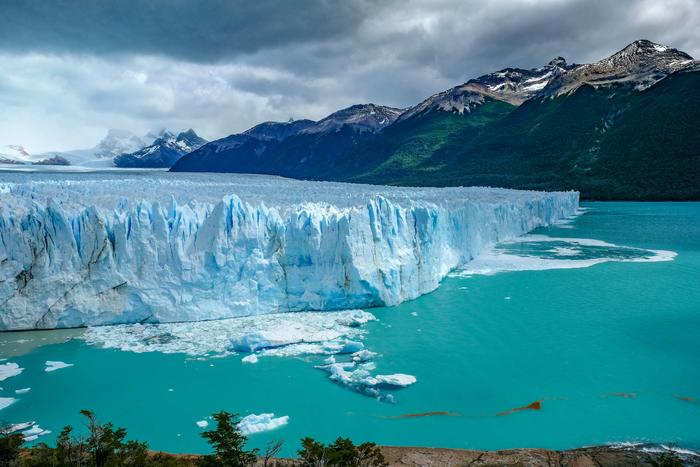
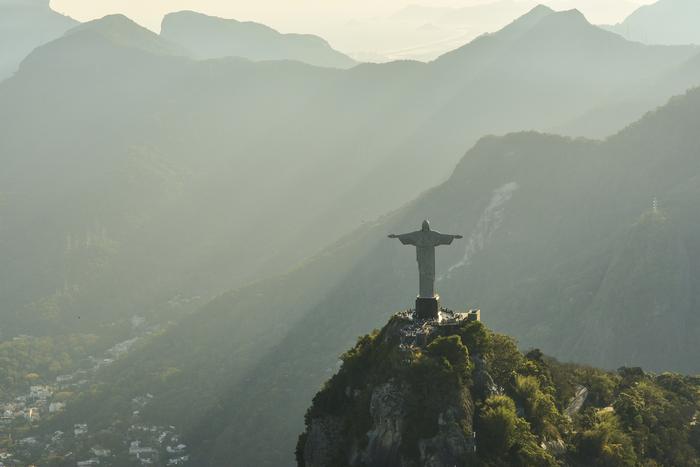
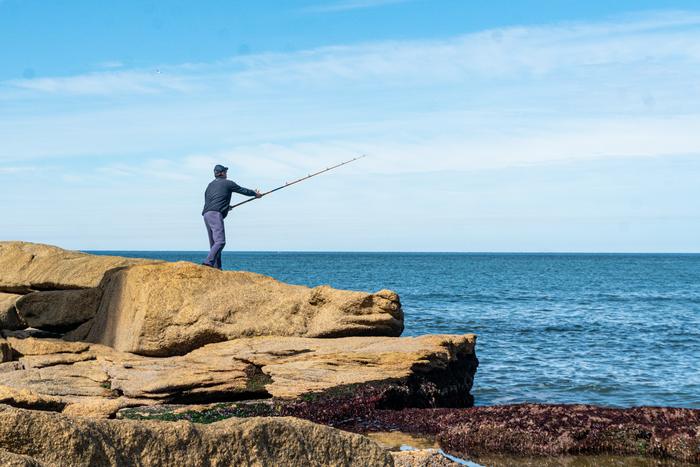
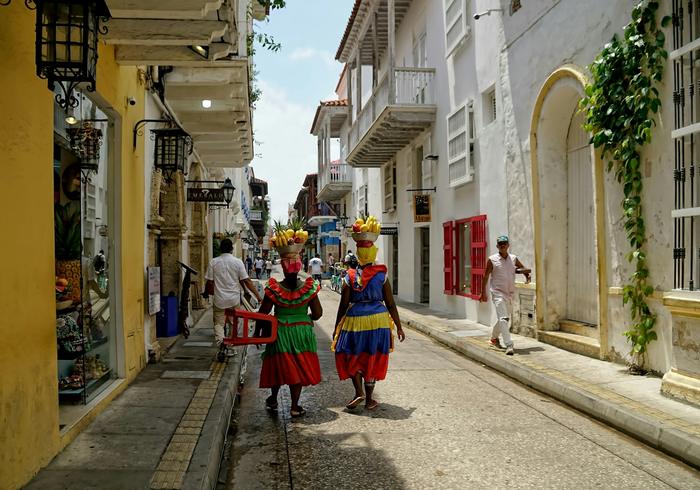
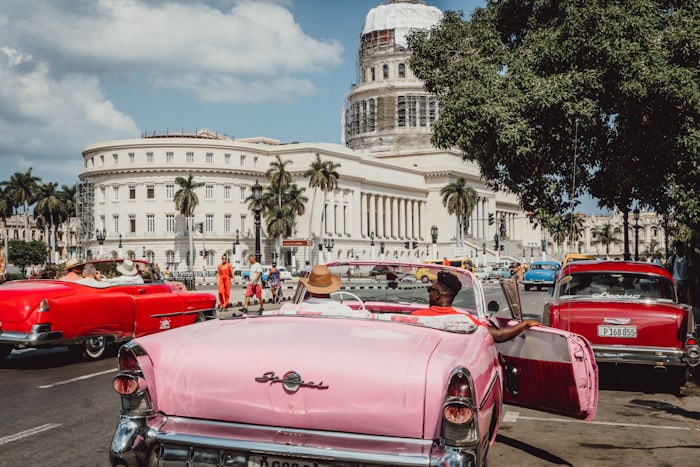
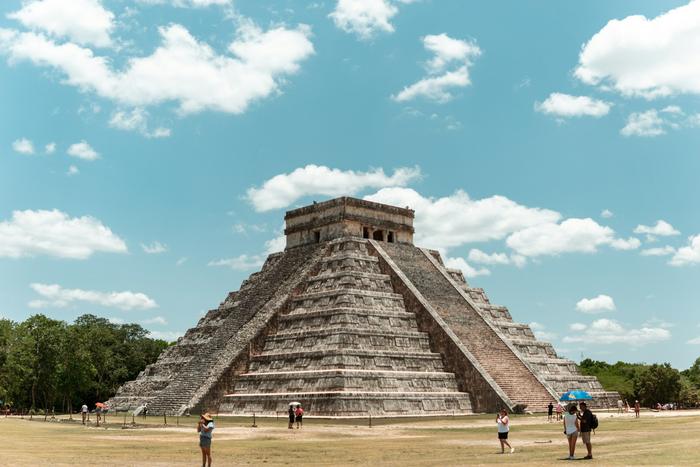
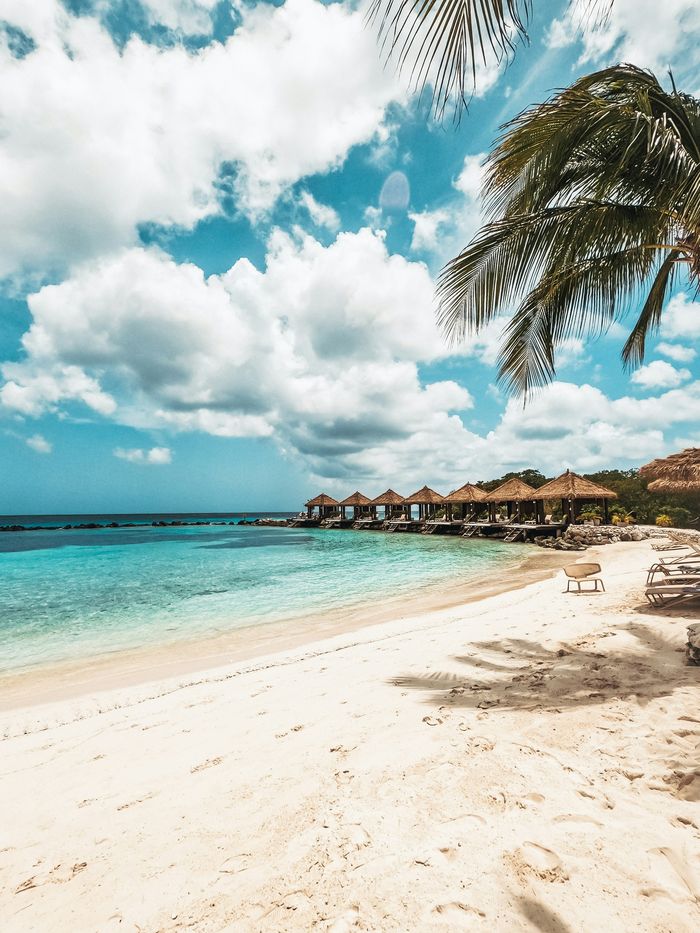
The two giants of southern South America, and a study in contrasts. Argentina is the temperate, European-feeling one — Buenos Aires and tango, steak and Malbec, the glaciers and granite of Patagonia, across a cool-climate, four-season country. Brazil is the tropical, exuberant one — Rio’s beaches, the Amazon, samba and the world’s biggest Carnival, warm and vibrant and vast. They meet, famously, at the Iguazú/Iguaçu falls. One is wine, ice and European elegance; the other sun, rainforest and tropical energy.
South America's two giants pull in different directions: Brazil is tropical, warm, and high-energy; Argentina is temperate, refined, and more European. Brazil is beaches, Rio, the Amazon, and samba-fuelled cities; Argentina is Buenos Aires, Patagonia, wine, and steak. They even share Iguaçu Falls on their border, which is the obvious place to combine them.
Choose Brazil for beaches, jungle, and sheer vitality — Rio, the northeast coast around Salvador, and the Amazon, best in a warm, party-leaning trip. Choose Argentina for cooler sophistication — the tango-and-café culture of Buenos Aires, the trekking of Patagonia (El Chaltén, the glaciers), and the wine and steak of Mendoza. Brazil is tropical energy; Argentina is wine, mountains, and city polish. If you can, fly into one, out of the other, and see Iguaçu in between.
Side by side
Emphasised where they differ. Muted rows are much the same either way.
Both are South American giants — but one is the cool, European-feeling land of wine and Patagonia, the other the tropical giant of beaches and Carnival.
Temperate vs tropicalthe climateFour seasons and a cold south, or warm and tropical
Elegance vs energythe moodTango, steak and café culture, or samba and beach life
Wine/ice vs beaches/Amazonthe landscapePatagonia and Malbec, or the coast and the rainforest
Argentina is the temperate, European-feeling one — Buenos Aires and tango, steak and Malbec, and the glaciers and granite of Patagonia, across a cool, four-season country. Brazil is the tropical, exuberant one: Rio’s beaches, the Amazon, samba and the world’s biggest Carnival, warm and vibrant and vast. They meet at the Iguazú/Iguaçu falls on their shared border.
The operational detail — Argentina’s distances, seasons and settled money picture; Brazil’s reinstated e-visa, yellow fever and internal flights — lives on the two guides: Argentina, know before you go and Brazil, know before you go. This page is the head-to-head.
The real difference
Wine and Patagonia, or beaches and Carnival
The trade: Argentina offers temperate elegance, wine and dramatic nature; Brazil offers tropical warmth, beaches and exuberance.
Argentina wins on temperate drama and sophistication. Patagonia is bucket-list nature, Mendoza is world-class wine country, and Buenos Aires has a European elegance few places match — a trip for cooler climates and refined pleasures.
Brazil wins on tropical energy and variety. Rio’s beaches, the Amazon, the Pantanal and Carnival make for a warmer, louder, more exuberant adventure, if a bigger one to plan and cross. Choose wine and ice, or sun and samba — or, since they’re neighbours, taste both at Iguazú.
Who suits which
Who each actually suits
Both are South American giants — but one leans temperate elegance, the other tropical energy.
If you want…
Argentina
Brazil
Patagonia and dramatic nature
Wins. Glaciers and peaks
Rainforest, not Patagonia
Tropical beaches and warmth
Temperate, cooler
Wins. Rio and the coast
Wine and steak
Wins. Mendoza Malbec
Churrascaria, not wine
Carnival and samba
Tango, not Carnival
Wins. The world’s biggest
A European atmosphere
Wins. Buenos Aires
Tropical and vibrant
The Amazon
Northern fringe only
Wins. The heart of it
Doing both
Neighbours that meet at the falls
Iguazú/Iguaçu is the natural link — a longer trip can take in both.
Argentina and Brazil are neighbours, and the classic way to pair them is the Iguazú/Iguaçu falls, straddling the border and best seen from both sides. A longer trip can link Buenos Aires and Patagonia with Rio and the Brazilian coast by short flights; both are huge, so allow two to three weeks. Each also compares with its other neighbours (see Argentina vs Peru, Argentina vs Colombia and Chile vs Peru).
What we leave out
What we deliberately leave out
Exact prices beyond the structural comparison — Argentina’s Patagonia costs and settling money picture, and Brazil’s flight-heavy budget — all move, so the figures here are the shape of the difference, not a quote; the country guides carry the live detail. Brazil’s volatile specifics (the e-visa and yellow fever) and Argentina’s currency situation are covered on the guides rather than restated here.
Argentina or Brazil, month by month
Which of the two is the better bet for each month of the year, scored on
how well the season suits each place.
Beaches, the Amazon, samba and Carnival top the list.
You want tropical warmth and vibrant energy.
Rio and rainforest over wine and glaciers.
Common questions
Is Argentina or Brazil better for a first South America trip?
It depends on the mood you want. Brazil is the tropical, high-energy introduction — Rio, beaches, the Amazon and Carnival — warm and vibrant. Argentina is the temperate, European-feeling one — Buenos Aires, wine country and the dramatic landscapes of Patagonia — with a more familiar, café-culture rhythm for many visitors. For sun and samba, Brazil; for a more European atmosphere and big-nature scenery, Argentina.
Which has the better landscapes?
Both are spectacular, differently. Argentina has the more dramatic, bucket-list nature — the glaciers and granite of Patagonia, the high-altitude northwest — in a cool climate. Brazil has the tropical headliners — the Amazon rainforest, the Pantanal wetlands, and a stunning coastline. They famously share the Iguazú/Iguaçu falls on their border, viewable from both sides. For Patagonia and temperate drama, Argentina; for rainforest and the tropics, Brazil.
Which has the better food and nightlife?
Different pleasures. Argentina is famous for its steak and Malbec wine, grand cafés and the tango — a sophisticated, European-flavoured scene. Brazil brings beach-bar energy, samba and Carnival, churrascaria grills and caipirinhas — louder, warmer, more exuberant. For wine and tango elegance, Argentina; for tropical nightlife and Carnival, Brazil.
Do the entry and money rules differ?
Yes, importantly. Brazil reintroduced a visa (e-visa) for US, Canadian and Australian citizens in 2025 — don’t assume visa-free — while UK/EU stay visa-free; yellow-fever vaccination is recommended for much of Brazil. Argentina is visa-free for the main nationalities, and its money situation has settled since 2025 (the old parallel-“blue-dollar” gap has largely closed, so cards now give a fair rate). The country guides carry the specifics: Argentina and Brazil.
Can I combine them?
Yes — they’re neighbours, and the classic link is the Iguazú/Iguaçu falls, straddling the border and best seen from both sides. A longer trip can pair Buenos Aires and Patagonia with Rio and the Brazilian coast, connected by short flights. Both are huge, so a combined itinerary wants two to three weeks. Each also compares with its other neighbours (see Argentina vs Peru, Argentina vs Colombia and Chile vs Peru).