
Brazil
A continent of a country. Pick two or three things and commit.
Brazil is too big to "do" — the trick is choosing. Rio delivers the postcard: beaches, mountains, and the best urban setting on earth. The Amazon and the Pantanal are where you go for wildlife. The northeast has the beaches and the music. Distances are vast and you will fly between regions, but few places repay the effort like this.
Start in Rio and give it four or five days: Ipanema mornings, the cable car up Sugarloaf at sunset, samba in Lapa after midnight. Then fly — to the Pantanal for jaguars and caiman, to Salvador for Afro-Brazilian food and music, or up the northeast coast toward Jericoacoara. Beach kiosks, caipirinhas, and churrascarias keep daily costs reasonable; the internal flights are where the money goes. One region per week is the right pace.
Safety is the honest caveat: phone snatching and petty theft are routine in Rio and São Paulo, and you'll adjust how you carry things. Almost nobody speaks English, distances are continental, and the Amazon is a long, expensive detour that often shows less wildlife than the Pantanal does. This is not a place to wing it casually. Come anyway — the music, the beaches, and the sheer warmth of the people are worth the vigilance it asks of you.
Highlights
-
Rio de Janeiro
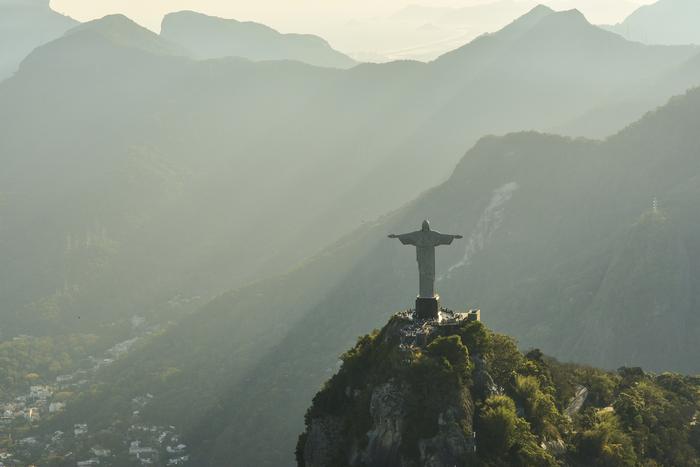
Copacabana, Sugarloaf, Christ the Redeemer — the cliché holds up.
-
The Pantanal
Better than the Amazon for actually seeing wildlife, jaguars included.
-
Iguaçu Falls
Shared with Argentina, and overwhelming from the Brazilian side.
-
Salvador & the northeast
Afro-Brazilian culture, music, and the best beaches.
Practical info
- Visa
- Visa-free for many Western passports; US, Canadian, and Australian visitors need an eVisa.
- Currency
- BRL (Real), roughly 5 BRL ≈ 1 USD.
- Language
- Portuguese. Limited English outside tourism.
- Safety
- Exercise caution in big cities; petty crime is common, so keep valuables low-key.
- Getting around
- Domestic flights are essential — distances are continental.
- Tap water
- Stick to bottled water.
- Plug type
- Type N 220V
- Money
- Cards widely accepted; cash for remote areas.
General guidance — visas, safety, and health change, so check your government's travel advisory and the official sources before you go.
Common questions
- Do Americans need a visa for Brazil now?
- Yes — this is the fact most people get wrong. Brazil reintroduced visas for US, Canadian and Australian citizens, and the e-visa has been in force since 10 April 2025. Apply on the official VFS-operated portal (brazil.vfsevisa.com — the only authorised processor); the fee is about US$80.90, valid 10 years for Americans and 5 for Canadians and Australians, allowing 90-day stays (up to 180 days a year). It wants proof of funds (around US$2,000) and a return reservation, and it’s tied into airline check-in — no valid e-visa, no boarding. UK, EU and Irish citizens remain visa-free for 90 days. Passports valid six months beyond entry.
- Do I need a yellow-fever vaccination for Brazil?
- Not usually to enter — Brazil only demands a certificate if you’ve arrived from or transited a risk country within 90 days — but it’s strongly recommended for most of the country, including Rio and São Paulo states, the Amazon, the Pantanal, Minas Gerais and Iguaçu Falls, and Brazil sees periodic outbreaks, so check the current CDC status. Get it at least 10 days before travel. One extra catch: if your trip continues from Brazil to certain countries (parts of Africa, for instance), they will require a yellow-fever certificate because you’re coming from Brazil — so carry the yellow booklet if you’re travelling onward.
- How do you pay for things in Brazil?
- The currency is the real (BRL) — around R$5 to the US dollar in 2026 — and Brazil is a surprisingly cashless, tech-forward place: cards are accepted widely and Pix, the instant bank-transfer-by-QR system, is everywhere, from malls to street vendors (and “Pix Roaming” now lets many foreign visitors pay with it). A 10% service charge is usually already added to restaurant bills — it’s legally optional, but customary to leave — so extra tipping isn’t expected. Use ATMs inside banks or malls by day, and keep withdrawals modest.
- When is the best time to visit Brazil?
- It depends on the region, in a country this size. Carnival (8–9 February in 2027) is the headline event — book Rio or Salvador months ahead. For Rio and the southeast, the summer (December–March) is hot, humid and peak, while cooler, drier April–June is lovely. For wildlife, the Pantanal’s dry season (July–October) is prime for spotting jaguars; the Lençóis Maranhenses lagoons are fullest June–September; and the Amazon swings between a wet season (roughly December–May) and a drier one (June–November). See the seasons section.
- Is Brazil safe?
- It sits at the US “exercise increased caution” (Level 2) level, and the cautions are specific rather than vague. Everyday risks are opportunistic robbery, phone-snatching and “express kidnapping” (forced ATM or Pix withdrawals), concentrated in the big cities — so carry little, prefer Uber/99 over street taxis, use ATMs by day, and never resist a robbery. Two hard rules: the land border zones (within 160 km) are off-limits bar Iguaçu and the Pantanal, and you should avoid all favelas, even on guided tours. Millions visit safely with street-sense; see the safety section.
- Should I choose Brazil or Mexico?
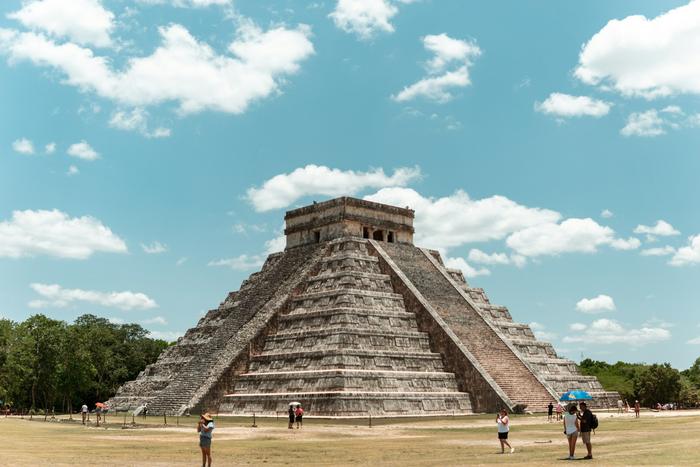
- Both are vast, beach-rich and culture-deep, but they travel differently: Brazil is a continent you choose a region of — the Amazon, the Pantanal, Rio, or the northeast — reached by long internal flights, while Mexico packs ruins, colonial cities and two coasts into shorter hops at lower cost. See our full Brazil vs Mexico comparison for the measured differences.
Entry & visa
The e-visa is back — and yellow fever matters
The single biggest planning fact: Americans, Canadians and Australians need a visa again — plus a vaccine most travellers should get.
The one thing to settle before anything else: Brazil reintroduced visas for US, Canadian and Australian visitors, with the e-visa live since 10 April 2025. It’s applied for on the official VFS-operated portal (about US$80.90, valid 10 years for Americans and 5 for Canadians and Australians), needs proof of roughly US$2,000 in funds and a return reservation, and is now linked to airline boarding — so don’t arrive without it. UK, EU and Irish citizens stay visa-free for 90 days (up to 180 a year).
On health, yellow-fever vaccination isn’t usually required to enter (unless you’ve come from a risk country within 90 days) but is strongly recommended for most of the country — Rio, São Paulo, the Amazon, the Pantanal and Iguaçu included. Have it at least 10 days ahead and carry the certificate. Dengue is widespread (Brazil had large outbreaks in 2024), and malaria is a risk in the Amazon but not in Rio, São Paulo, Brasília or the coastal cities.
Keep the yellow-fever certificate with your passport if you’re travelling onward from Brazil: a number of countries (parts of Africa among them) require proof of vaccination precisely because you’re arriving from a yellow-fever country, even though Brazil itself didn’t ask for it on the way in.
Getting around
Fly the distances, app the cities
A continent-sized country where domestic flights are essential and ride-hailing is the safe way around town.
~4 hrs Rio to the Amazon, by air
Across the long legs — Rio–Manaus, Rio–Iguaçu, Rio–Salvador — you fly. For shorter, within-region hops, the long-distance buses are comfortable, with sleeper “leito” seats on overnight runs. In the cities, use Uber or the local 99 app rather than hailing taxis off the street — it’s both safer and more transparently priced, and it’s the default advice for getting around at night.
Self-driving is possible but wants caution: watch for theft at stops, and avoid driving at night or near the land borders (see safety). Rio and São Paulo have metros for the core; and the top sights increasingly use timed, pre-booked tickets, so reserve Christ the Redeemer and the like online before you go.
| Mode | Use it for | Note |
|---|---|---|
| Domestic flight | The long legs between regions | LATAM, GOL, Azul; book ahead for cheap fares |
| Long-distance bus | Shorter, within-region hops | Comfortable overnight “leito” sleeper coaches |
| Uber / 99 | Getting around the cities | Safer and clearer-priced than street taxis |
There is no meaningful long-distance passenger rail in Brazil — flying does the heavy lifting across a country the size of a continent.
For the cities, the standing advice from the UK is to use ride-hailing apps (Uber or 99) rather than hailed street taxis — the route and driver are tracked, the fare is fixed, and you avoid the overcharging and occasional set-ups that street cabs can bring.
Where to go
A continent of beaches, rainforest and falls
Brazil is vast and various — you choose a region of it, not the whole thing in one trip.
The postcard is Rio de Janeiro — Christ the Redeemer over the bay, Sugarloaf, Copacabana and Ipanema — and the spiritual home of Carnival, shared with Salvador and its Afro-Brazilian Bahian culture. On the Argentine border, Iguaçu Falls is among the most spectacular waterfalls on Earth (the Brazil side for the panorama, the Argentine side for the up-close Devil’s Throat).
Then the wild interior: the Amazon, reached via Manaus and its Meeting of the Waters and belle-époque opera house; the Pantanal, the world’s largest wetland and the best place anywhere to see wild jaguars; the surreal dune-and-lagoon Lençóis Maranhenses; and the capped island paradise of Fernando de Noronha. Brazil holds 26 UNESCO World Heritage sites — a measure of how much there is, and why you pick a corner and go deep.
| Region | What it’s for |
|---|---|
| Rio de Janeiro | The postcard — Christ, Sugarloaf, Copacabana and Carnival |
| Iguaçu Falls | One of Earth’s great waterfalls, on the Argentine border |
| Salvador & the Northeast | Afro-Brazilian culture and warm-all-year beaches |
| The Amazon | Rainforest and river journeys out of Manaus |
| The Pantanal | The world’s best place to see wild jaguars (Jul–Oct) |
| Fernando de Noronha | A capped, pristine island — with a daily eco-tax |
| Lençóis Maranhenses | Surreal dunes and rain-fed lagoons (fullest Jun–Sep) |
The icons
Timed tickets and a few eco-taxes
Brazil’s signature sights are mostly pre-booked and priced per entry — a few now sell out or cap numbers.
In Rio, Christ the Redeemer (one of the New7Wonders) is reached only by the official cog train or Paineiras vans on a timed online ticket — there’s no same-day gate sale — and Sugarloaf is a two-stage cable car. The Iguaçu national park charges a straightforward entry on each side of the border. The table has the headline prices.
The one to plan hardest is Fernando de Noronha: the archipelago caps visitor numbers and layers a daily environmental-preservation tax (around R$106 a day, so roughly R$670 for a week) on top of a separate marine-park fee — so it’s a book-and-budget-ahead trip, not a spontaneous one. Across Brazil, these fees are dynamic, so confirm on the official portals.
| Sight | Where | Approx entry |
|---|---|---|
| Christ the Redeemer (cog train) | Rio | ~R$134 (timed, book online) |
| Sugarloaf cable car | Rio | ~R$199 (foreign adult) |
| Iguaçu Falls (Brazil side) | Foz do Iguaçu | ~R$131 (foreigner) |
| Fernando de Noronha eco-tax | the island | ~R$106 per day (+ park fee) |
Approximate 2026 foreign-visitor rates read in October — all dynamic and seasonal, so confirm on the official portals. Christ the Redeemer sells timed online tickets only (cog train or official Paineiras van); there is no same-day gate sale.
Christ the Redeemer is prone to cloud — book the earliest slot you can and check the webcam before you set off, because the statue vanishes into mist on a bad day and the ticket is timed. And take the official van or train up, never the Corcovado walking trail (see safety).
When to go
No single season — each region runs its own
In a country this size, “best time” is a question of which Brazil — beaches and wildlife peak at opposite ends of the year.
The Rio/southeast beach peak (and Carnival) is the December–March summer — shown here from January, as it carries over the new year. The wildlife and the northeast run on the opposite, June–November dry half of the year.
For Rio and the southeast, the summer (December–March) is hot, humid, peak and pricey — the beach-and-Carnival season — while cooler, drier April–June is arguably lovelier, and the northeast coast (Salvador, Recife, Fortaleza) is warm and beach-ready almost year-round. The southern winter (June–August) is mild rather than cold.
The wild side flips the calendar. The Pantanal’s dry season (July–October) concentrates wildlife — the prime window for jaguars — the Amazon is easier to travel in its drier June–November half, and the Lençóis Maranhenses lagoons are fullest June–September once the rains have filled them. The swaps below are how to keep landing in the right Brazil.
- Rio in peak summer feels too hot and crowdedSkipDec–Feb on the southeast beachesGothe Apr–June shoulder in Rio, or the warm-year-round northeast
- You want wildlife, not beachesSkipthe wet Nov–Mar PantanalGothe Jul–Oct dry season for jaguars, and the Jun–Nov Amazon
- Chasing the Lençóis lagoonsSkipthe dry, empty basins outside the windowGoJune to September, when the rains have filled them
Carnival
The world’s biggest party — pinned to Lent
Carnival is the reason many people come — and it’s a book-months-ahead commitment.
8–9 Feb Carnival 2027 (Rio & Salvador)
If Carnival is the goal, treat it as the fixed point the whole trip is built around and book Rio or Salvador several months ahead — hotels and flights sell out and rates multiply. Rio’s headline is the Sambadrome, where the samba schools parade for ticketed grandstands; the free, citywide blocos (street parties) are the other half, and in Salvador the street party is the event.
It’s also the one time the safety advice tightens: huge crowds mean pickpocketing and phone-snatching spike, so carry almost nothing, keep your phone zipped away, and treat the bloco as a place to bring a little cash and nothing you’d mind losing.
Carnival moves every year with the church calendar, so don’t assume last year’s dates — it’s 8–9 February in 2027, but confirm the year you travel. Non-refundable Carnival-week bookings are the norm, so lock your dates before you commit.
Safety
Real, specific, and worth respecting
Brazil rewards street-smarts — the risks are concrete and avoidable, from the border zones to the Corcovado trail.
The cautions are specific rather than vague. The land border zones are off-limits — the US rates everywhere within 160 km of Brazil’s neighbours “do not travel” (with Iguaçu and the Pantanal parks the exceptions), and the UK flags remote Amazonas river areas. In the cities the everyday threats are opportunistic robbery, phone-snatching (worst in the late afternoon and evening) and express kidnapping — forced ATM or Pix withdrawals. The standing advice: carry little, use hotel safes, prefer app rides, use ATMs by day, and never resist a robbery — hand the valuables over.
Two Rio specifics: armed robberies have been reported on the walking trail up to Christ the Redeemer, so take the official van or train, not the trail; and theft clusters around Copacabana, Ipanema and Lapa. And favela tours are not a routine tourist activity — both the US and UK advise against entering favelas at all, even with a guide, as conditions shift by the day and people have been shot after wandering in by accident. None of this should deter you — millions visit safely — but read the current advisories before you go.
A note on the land borders: the 160 km “do not travel” band is about smuggling routes and armed groups in remote frontier areas, not the tourist sights near them — Foz do Iguaçu and the Pantanal are explicitly carved out and visited normally. It’s the empty backcountry near the lines, not the parks, that the warning is about.
Good to know
Portuguese, Pix, and good value
The practical footnotes — a warm, modern, good-value country, easiest with a little Portuguese and a bit of planning.
It’s Portuguese, not Spanish — and Brazilians feel that distinction, so a few words of Portuguese (obrigado if you’re male, obrigada if female) land far better than Spanish. English is limited outside tourist hotspots and smart hotels, so a translation app earns its keep. The culture is warm, tactile and relaxed about punctuality, and football is close to a religion (five World Cups, more than any nation).
Day to day, Brazil is easier and more modern than its reputation: the real is soft (around R$5 to the dollar), so it’s good value, and Pix and cards mean you rarely need much cash — the big line item is the flying between regions. For data, an eSIM sidesteps the local-SIM hassle (a prepaid SIM usually wants a CPF tax number). Same-sex marriage has been legal nationwide since 2013 and the big cities have huge, visible LGBTQ scenes, though acceptance thins outside them.
Emergency numbers: 190 for police, 192 for an ambulance (SAMU) and 193 for the fire brigade. Dialling 911 or 112 does work from a mobile — it reroutes to the services free of charge — but know the local three-digit numbers too. Rio has a dedicated tourist police unit (DEAT, in Leblon) with English-speaking officers.
Compare Brazil
If you like Brazil, also consider
United States
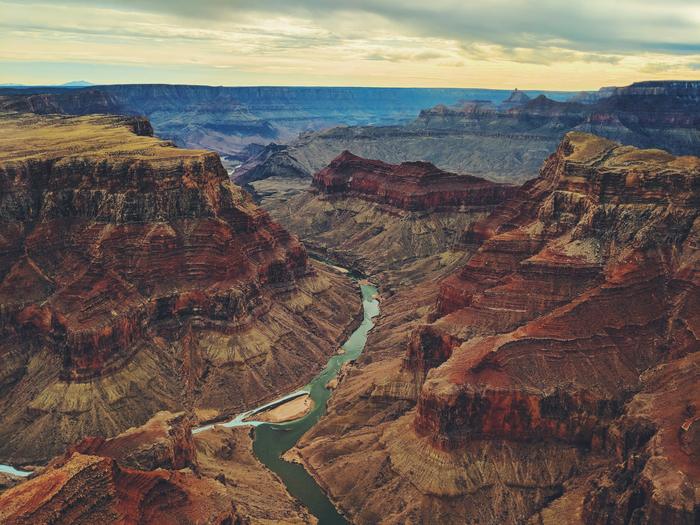
A continent pretending to be a country — cities, deserts, and the best national parks anywhere.

Greece
Ruins in the morning, a swim by noon, taverna until dark.
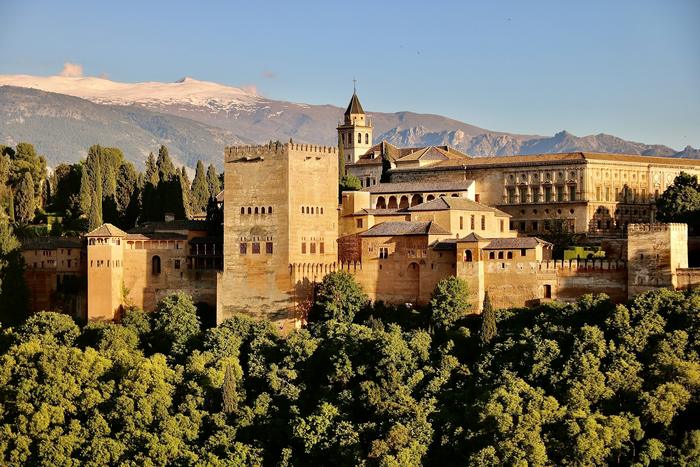
Spain
Food, beaches, and three or four cities that each justify the trip.
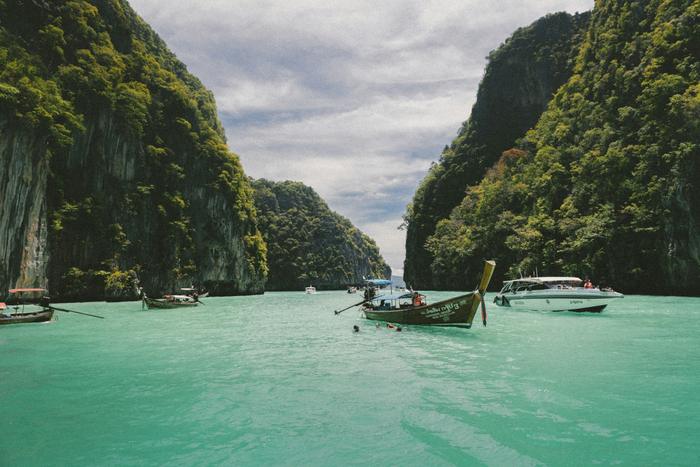
Thailand
The complete package for warm-climate travel.
Not sure where to go
Take the 5-minute quiz
Answer a few honest questions and get matched to destinations that actually fit how you travel.
Start the quiz