Brazil vs Canada

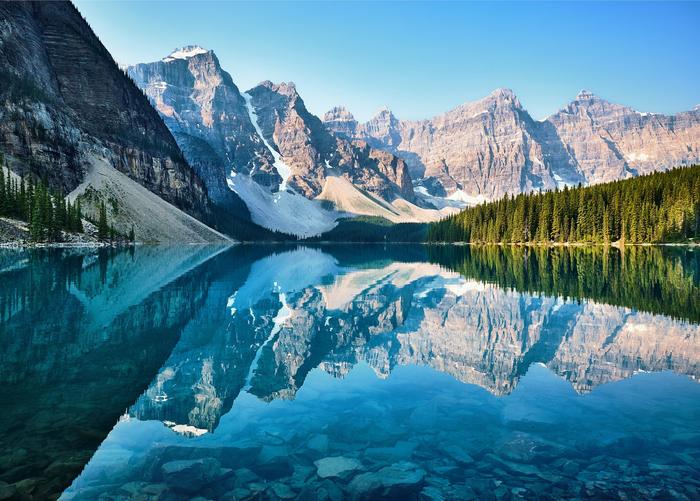
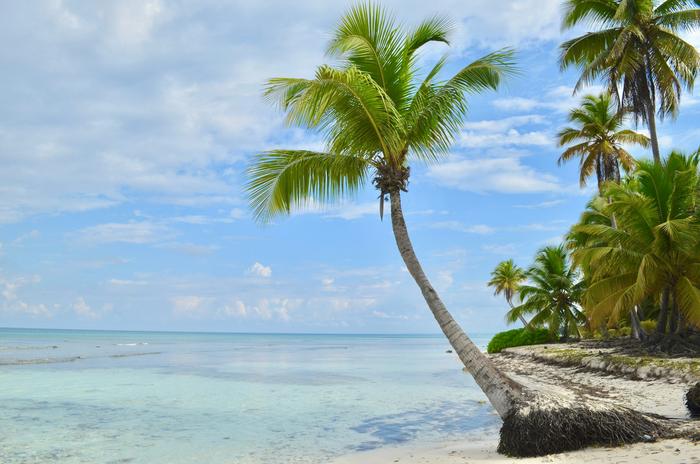
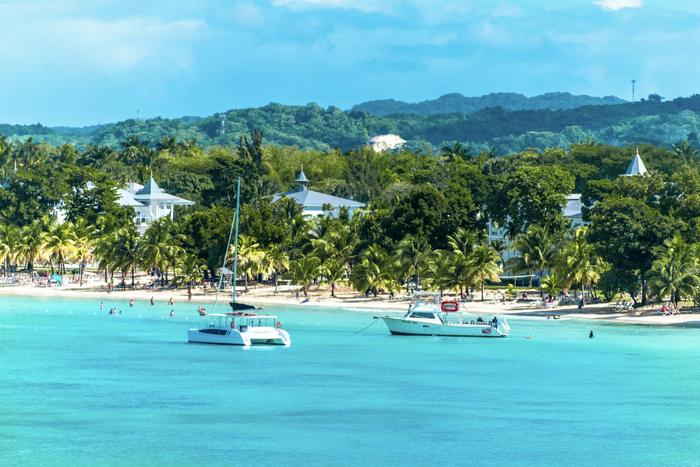
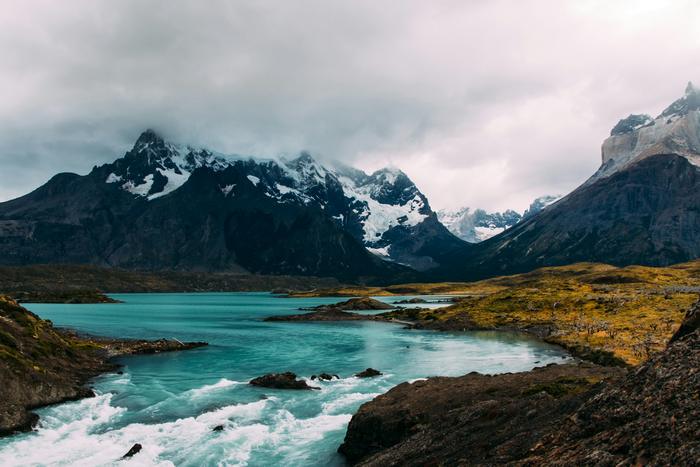
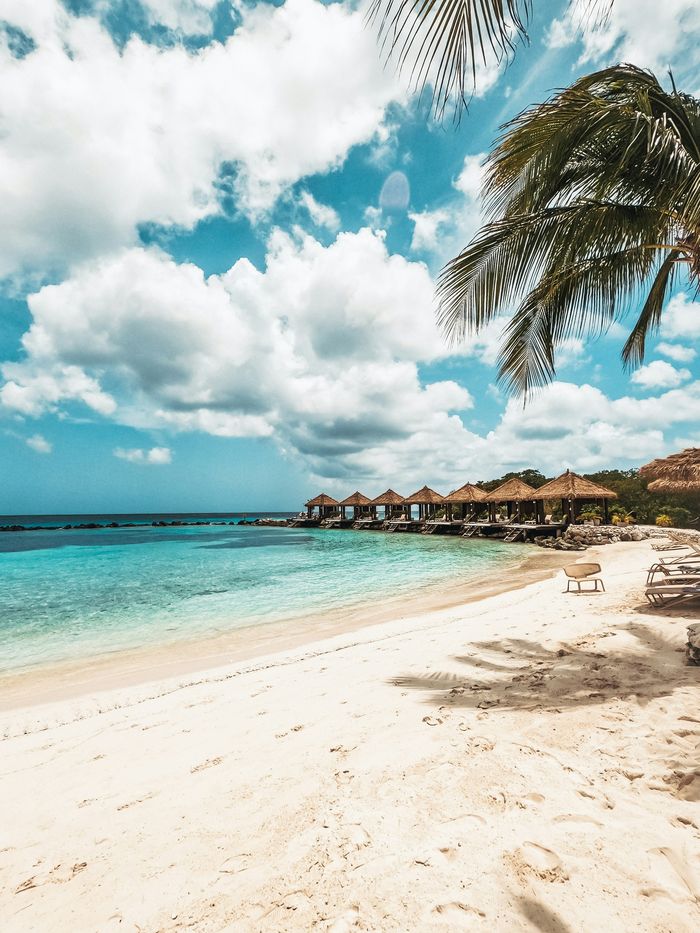
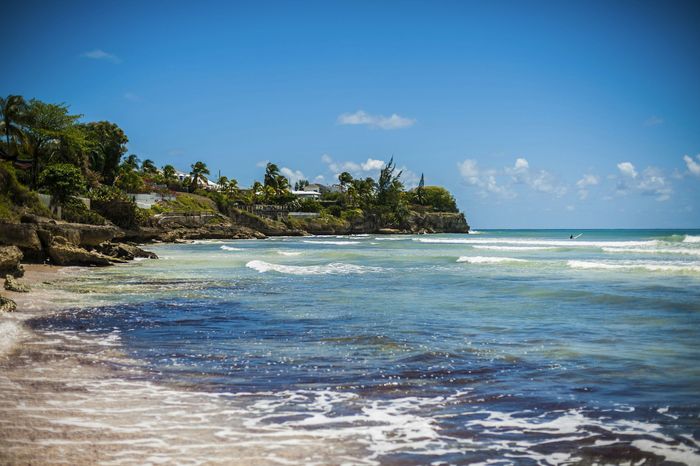
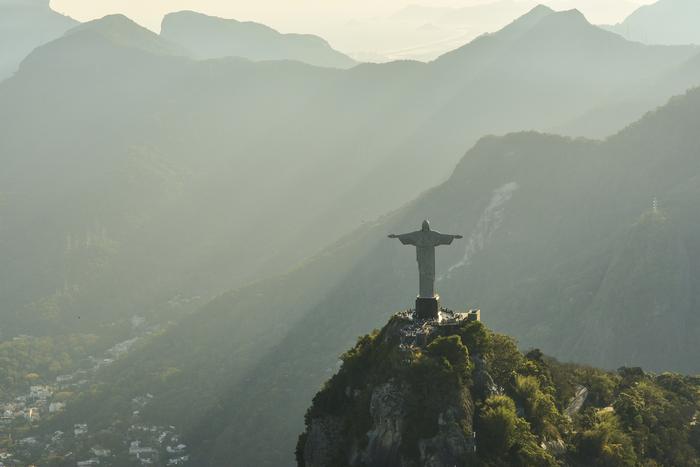
Two huge countries at opposite ends of the climate and energy scale. Brazil is a vibrant tropical continent — Rio and endless beaches, the Amazon, Carnival, a pace that never quite settles. Canada is the cool-climate opposite: wilderness at continental scale — the Rockies, endless lakes and coast — with livable, orderly cities and a quiet, outdoorsy calm.

South America

Brazil

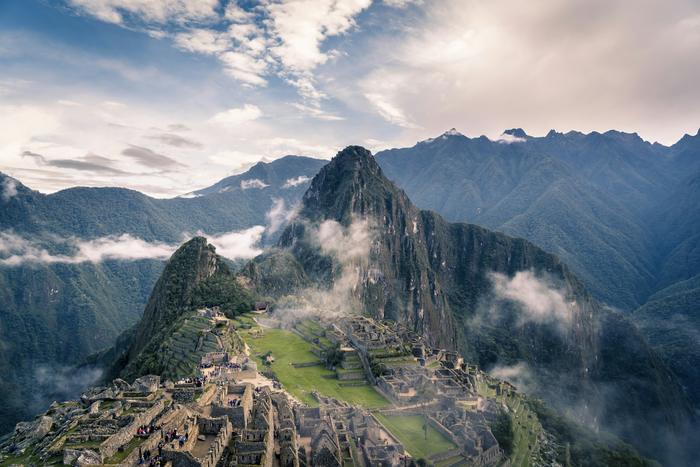
A continent of a country. Pick two or three things and commit.

Best time to visit
  1. January: peak
  2. February: peak
  3. March: fine
  4. April: fine
  5. May: fine
  6. June: fine
  7. July: fine
  8. August: fine
  9. September: peak
  10. October: peak
  11. November: fine
  12. December: peak
Peak Fine Avoid
North America

Canada

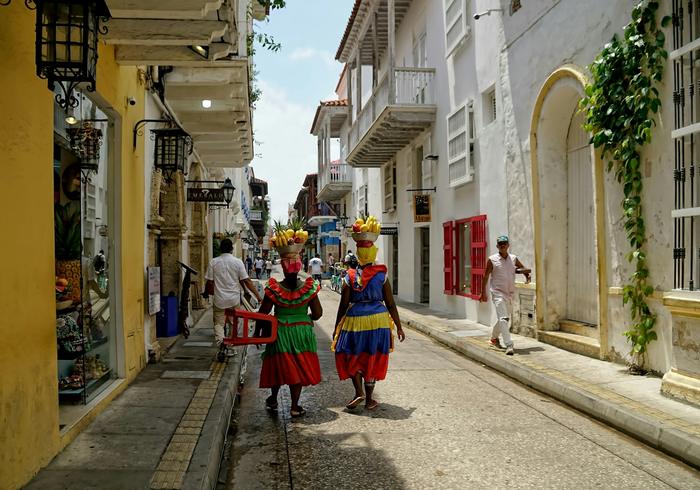
Wilderness on a continental scale — Rockies, coast, and the cities between.

Best time to visit
  1. January: fine
  2. February: fine
  3. March: fine
  4. April: fine
  5. May: peak
  6. June: peak
  7. July: peak
  8. August: peak
  9. September: peak
  10. October: fine
  11. November: avoid
  12. December: fine
Peak Fine Avoid

Read our full guides about Brazil and Canada.

Side by side

Emphasised where they differ. Muted rows are much the same either way.

Brazil Canada
Best time September, October, December–February May–September
Climate warm cold
Budget Variable — cheap in parts, pricier in Rio and in beach high season; big distances mean flights Park-town hotels and car hire are the big costs — Swiss-resort level, booked months ahead
Trip length 2–4 wks 2–4 wks
Visa Visa-free for many Western passports; US, Canadian, and Australian visitors need an eVisa. eTA required for most visa-exempt air travelers. Apply online before travel.
Currency BRL (Real), roughly 5 BRL ≈ 1 USD. CAD ($). Roughly 1.4 CAD ≈ 1 USD.
Language Portuguese. Limited English outside tourism. English, and French in Québec.
Tap water Stick to bottled water. Tap water safe.
Safety Exercise caution in big cities; petty crime is common, so keep valuables low-key. Very safe. Bears and remote distances are the real hazards.

General guidance — visas, safety, and health change, so check your government's travel advisory and the official sources before you go.

The split

Tropical and vibrant, or cool and wild

Two huge countries, opposite climates — one is heat and energy, the other cool wilderness.

Tropical vs coolthe climateBeaches and Amazon, or Rockies and glacial lakes
Vibrant vs calmthe energyRio and Carnival, or quiet, orderly wilderness
Beaches vs mountainswhat each is really forWarm-water life, or cool-climate hiking

Brazil is the vibrant tropical continent: Rio and endless beaches, the Amazon, Carnival, warmth and non-stop energy. Canada is the cool-climate opposite: wilderness at continental scale — the Rockies, endless lakes and coast — with livable, orderly cities and a quiet, outdoorsy calm. Heat and buzz, or cool and calm.

The operational detail — Brazil’s entry and city-safety picture, Canada’s eTA and Parks Canada reservation systems — lives on the two guides: Brazil, know before you go and Canada, know before you go. This page is the head-to-head.

Who suits which

Who each actually suits

Tropical-and-vibrant or cool-and-wild — so these never invert.

If you want…BrazilCanada
Heat, beaches and energyWins clearly. Rio, the coastCool and calm
Cool-climate mountain wildernessTropicalWins clearly. The Rockies
The Amazon and tropical wildlifeWins. Rainforest, the PantanalBears and alpine life
Carnival, music and nightlifeWins. World-famousQuiet by comparison
Orderly, easy-feeling travelMore frictionWins. Calm and well-run
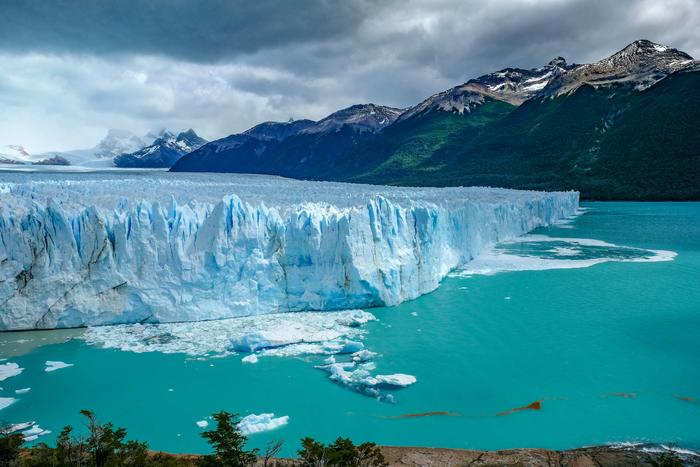
Glacial lakes and hikingNot the drawWins. Banff, Jasper

Doing both

An either/or, worlds apart

A long flight and opposite climates — pick one.

There’s no natural way to combine these — they’re far apart and in opposite climates, each a major continent-scale trip — so a long flight and a clear choice are the reality. They’re an either/or, decided by mood and season: Brazil’s beaches and Carnival peak in the Southern-Hemisphere summer (December–February), while Canada’s prime is the northern summer (June–September). Flying into Canada needs an eTA; Brazil has its own entry rules — check each guide.

What we leave out

What we deliberately leave out

Exact prices and the moving pieces — Brazil’s regional airfares and seasonal rates, Canada’s park-shuttle and lodging costs — change within a season, so the figures here are the shape of the gap, not a quote; the country guides carry the live detail.

Brazil or Canada, month by month

Which of the two is the better bet for each month of the year, scored on how well the season suits each place.

Which to choose

Choose Brazil if:

  • You want heat and energy — Rio, beaches, the Amazon, Carnival.
  • A vibrant, tropical, music-and-nightlife continent appeals.
  • Warmth and buzz matter more than mountains and quiet.

Choose Canada if:

  • You want cool-climate wilderness — the Rockies, lakes, coast, orderly cities.
  • A calm, outdoorsy trip beats a vibrant tropical one.
  • Hiking, wildlife and dramatic mountains are the draw.

Common questions

How do Brazil and Canada differ?
About as much as two large countries can. Brazil is a vibrant tropical continent — Rio and beaches, the Amazon, Carnival, warmth and energy. Canada is cool-climate wilderness — the Rockies, lakes and coast, with orderly, livable cities and a quiet, outdoorsy calm. Heat and buzz, or cool and calm; they answer completely different moods. See the Brazil and Canada guides.
Which is better for the outdoors?
Both, differently. Brazil’s outdoors is tropical — rainforest and the Amazon, beaches, the wetlands of the Pantanal for wildlife. Canada’s is cool and alpine — the Rockies, glacial lakes, hiking and bears, best in a short summer. Jungle, beaches and warm-water life, or mountains, lakes and cool-climate hiking.
Which is easier and more orderly to travel?
Canada, clearly — it’s orderly, safe-feeling and well-run, if car-dependent and expensive in the park towns. Brazil is more vibrant but more friction: huge distances, big-city safety precautions, and more variability. Smooth and calm, or lively and looser. Both are fly-between-regions countries given their scale.
Can I combine them?
Not as a natural loop — they’re far apart and in opposite climates, so you’d connect by a long flight and each is a major trip on its own. They’re an either/or, and the seasons differ (Brazil’s beach high season and Carnival fall in the Southern-Hemisphere summer, December–February; Canada’s prime is the June–September north-summer). The US-style eTA applies for flying into Canada; Brazil has its own entry rules — check each guide.

Still undecided

Take the quiz

Three matches. Often answers comparison questions for you.

Start the quiz