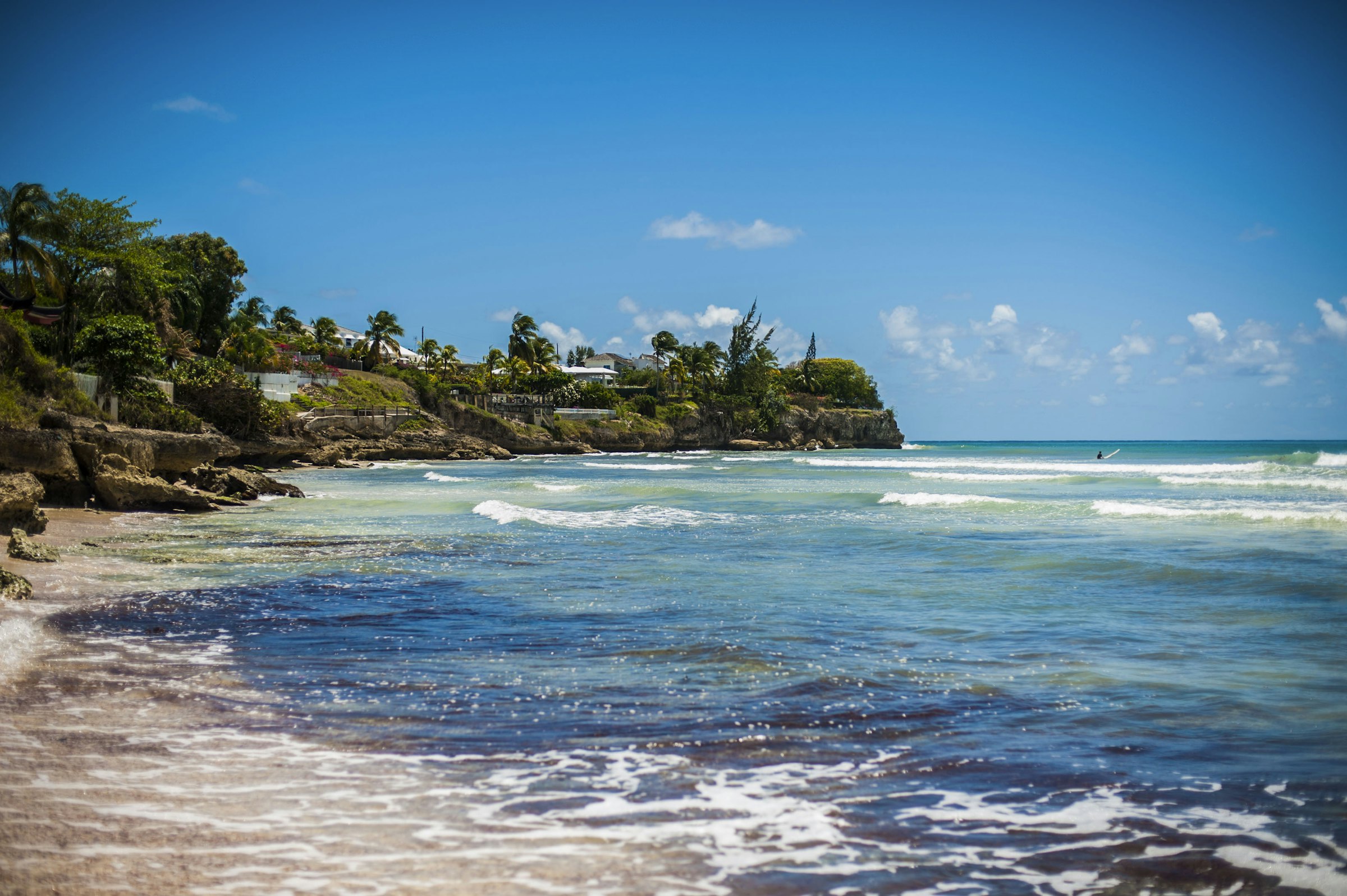
Barbados
Two coasts on one small island — calm Caribbean west, wild Atlantic east — with the best rum in the world.
Barbados is small, well-run, and cleverly two-sided. The west 'Platinum Coast' faces the calm Caribbean and does polished, upscale beach life; the east coast faces the open Atlantic and is rugged, windswept, and empty. In between is a genuinely characterful island — the birthplace of rum, a serious Friday-night fish fry culture, and an English-speaking, easy-to-travel feel that makes it one of the smoothest trips in the Caribbean.
Most people base on the calm west or south coast. The west is the swanky side — sheltered turquoise water, beach clubs, turtles you can snorkel with offshore. The south is livelier and better value, and it's where Oistins throws its Friday fish fry, the island's best night out: grilled marlin and flying fish, rum, and a street party. Rent a car or a moke and cross to the Atlantic east coast, where Bathsheba's surf-battered rocks and the Soup Bowl break look nothing like the postcard side. Inland there's Harrison's Cave, the gully botanical walks, and — the real institution — the rum distilleries, with Mount Gay claiming the oldest continuous production on earth.
The honest part: Barbados is squarely mid-to-upscale on price, and it doesn't have the dramatic scenery or the wow-factor water of, say, the Grenadines or the Exumas — it's flat, developed, and the west-coast beaches, while lovely, can be narrow. It trades spectacle for reliability: safe, friendly, English-speaking, and easy to get around, with better food and rum culture than almost anywhere in the region. If you want a straightforward, sociable beach week without hassle, it's hard to beat; if you want raw, empty wilderness, look elsewhere.
Highlights
-
Platinum (west) Coast
Calm Caribbean beaches, turtle snorkelling, and the island’s upscale beach-club strip.
-
Oistins Fish Fry
The Friday-night institution: grilled fish, rum, and a street party on the south coast.
-
Bathsheba & the east coast
Wild Atlantic rocks and the Soup Bowl surf break — the island’s dramatic, empty flip side.
-
Rum distilleries
Barbados is rum’s birthplace; Mount Gay claims the oldest continuous production in the world.
-
Harrison’s Cave
A tram ride through an underground world of streams and crystallised limestone chambers.
-
Carlisle Bay
A calm, clear bay off Bridgetown with shipwrecks and turtles a short swim from shore.
Practical info
- Visa
- Visa-free for most Western passports (stays up to 6 months). Verify before travel.
- Currency
- Barbadian Dollar (BBD), pegged 2:1 to USD; US dollars widely accepted.
- Language
- English (official).
- Safety
- Very safe by regional standards; ordinary precautions apply.
- Getting around
- Rent a car or moke (driving on the left); cheap route taxis and buses cover the coasts.
- Tap water
- Tap water is filtered through coral and safe — among the best in the Caribbean.
- Plug type
- Type A Type B 115V
- Money
- Cards accepted widely; carry cash for buses and Oistins.
General guidance — visas, safety, and health change, so check your government's travel advisory and the official sources before you go.
Common questions
- What do I need to enter Barbados?
- For US, UK, EU and Canadian tourists, no visa — you get a tourist stay of up to six months. Barbados doesn’t use the common “six months beyond travel” passport rule; your passport needs to be valid through your departure date, and a return/onward ticket may be asked for. The one required step is the free online Immigration & Customs form (the “ED” form) at travelform.gov.bb, completed in the 72 hours before arrival, which returns email receipts to show at the airport. It’s a travel registration, not a visa or ETA.
- What are all the tourism taxes and levies?
- There are several, so budget for them. A departure tax (the Airline Travel and Development Fee) of about US$70 for destinations outside the Caribbean community is bundled into your airfare. On accommodation there’s a nightly Room Rate Levy, tiered by property class and raised about 75% in 2019 — now roughly US$17.50 a night at luxury hotels, about US$4.40 at smaller places, with villas charged 3.75% capped at ~US$17.50. There’s also a 2.5% Product Development Levy on tourism services (tours, meals, spas) and a 10% Shared Economy Levy on short-term rentals like Airbnb — now generally collected through the booking platform. None is huge alone, but together they lift the real cost of a stay.
- Is it still safe after Hurricane Beryl, and when’s storm season?
- Yes. Barbados sits in the far eastern/southern Caribbean and is hit far less often than islands to the north and west — the official Atlantic season runs June to November. The exception was Hurricane Beryl on 1 July 2024, which passed as a powerful storm and devastated the fishing fleet at the Bridgetown fisheries complex; the industry was about 80% recovered by late 2025, with a US$54M breakwater under construction, so expect ongoing works around the Careenage fish-market area. The big 2025 storm, Melissa, hit Jamaica and Cuba — not Barbados. For the rest, it’s a safe, well-run island; ordinary precautions apply.
- How do I get around, and is the tap water OK?
- Two easy options. Rent a car or an open-sided “moke” — remember you drive on the left, and you’ll need a temporary local permit, usually arranged by the rental agency. Or use the island’s cheap public transport: ZR vans and government buses cover both coasts at a flat fare of BBD $3.50 (~US$1.75), paid in cash as you board (the vans and minibuses give change; the big blue government buses don’t). The tap water is famously safe — among the best in the Caribbean, naturally filtered through the island’s coral limestone — so you can skip the bottled water.
- When is the best time to go to Barbados?
- The dry high season (roughly December–April) is the sunniest and the most expensive and crowded. The wetter, greener, cheaper months run June–November, overlapping the Atlantic hurricane season — though Barbados’s far-eastern position keeps direct hits rare. Two scheduling notes: the Crop Over festival peaks in late July–early August (Grand Kadooment is the first Monday of August), and the Soup Bowl surf on the east coast is best from about November to March.
- Is Barbados a good first Caribbean trip?
- Yes — it’s one of the smoothest. English-speaking, very safe, easy to get around (ZR vans or a hire car), with excellent tap water and the region’s best rum and food culture. It trades dramatic scenery for ease and polish: a flat, developed island with a calm west coast for swimming, a wild east coast for scenery, and a genuinely sociable feel. Not the cheapest Caribbean island, but among the most reliable.
Entry & levies
An easy entry, a stack of levies
Visa-free with one online form — but the tourism levies quietly add to the cost of a stay.
Entry is simple — no visa for the main Western passports and a generous six-month tourist stay, with the only quirk being that Barbados wants your passport valid through your departure, not six months beyond. The required step is the free online Immigration & Customs (ED) form within 72 hours of arrival, which returns receipts to present at the airport.
What’s easy to overlook is the tourism levies. A ~US$70 departure tax is already in your airfare; on the ground you’ll meet a nightly Room Rate Levy (about US$17.50 at luxury hotels, ~US$4.40 at smaller places after a ~75% rise in 2019), a 2.5% Product Development Levy on tours and dining, and a 10% Shared Economy Levy on short-term rentals, now usually collected by the booking platform. Individually small, collectively a real line on the bill.
Read a quoted Barbados room rate as “plus the nightly levy.” The stack is easy to under-budget: the ~US$70 departure tax is buried in your airfare, but on top of the room you pay the nightly Room Rate Levy (about US$17.50 at a luxury hotel), a 2.5% Product Development Levy on tours and dining, and 10% on short-term rentals. None is large alone; together they add a real line to the final bill, so factor them in when you compare prices, not at checkout.
When to go
Dry-season sun, summer festival, winter surf
A dependable beach climate with a clear high season — plus a festival and a surf break that have their own calendars.
The dry high season (Dec–Apr, shown Jan–Apr) is the sunny, pricey peak. The crimson bars are hurricane season — real risk Jun–Nov, but Barbados’s far-eastern position means direct hits are rare — and Crop Over, the big summer festival climaxing on Grand Kadooment, the first Monday of August. East-coast surf at the Soup Bowl is best November to March.
Barbados is two-sided: the west “Platinum Coast” faces the calm Caribbean and does polished, upscale beach life (and turtle snorkelling offshore), while the east coast faces the open Atlantic and is rugged, windswept and empty (Bathsheba’s rocks, the Soup Bowl surf break). In between is a genuinely characterful island — the home of rum, a serious Friday-night fish-fry culture at Oistins, and an English-speaking, easy-to-travel feel.
Weather-wise it’s best in the drier high season (roughly December–April); the summer and autumn are warmer and wetter and overlap the storm season, though Barbados’s eastern position keeps direct hits rare. It’s a reliable, sociable beach week rather than a dramatic-scenery destination — flat and developed, trading spectacle for ease, safety and the best food and rum in the region.
- you want the most reliable sunSkipthe Jun–Nov wet-and-storm season if weather-anxiousGoDecember–April — though that’s when prices and crowds peak
- you’re pricing a villa or hotelSkipforgetting the nightly room levyGobudgeting up to ~US$17.50 per night on top of the rate
- you want to surf the famous Soup BowlSkipthe flat summer on the east coastGoNovember–March, when the Atlantic swells arrive
Getting around
Left-side driving, or cheap ZR vans
Rent a moke, or learn the flat-fare vans — both work on a compact island.
The island is small, so getting around is easy either way. Renting a car or a moke gives you the freedom to cross from the calm west to the wild east in under an hour — just remember you drive on the left and need a temporary local permit, which the rental agency sorts. For a cheaper, local way around, the ZR vans and government buses run both coasts at a flat ~BBD $3.50, paid in cash on boarding.
Money is frictionless: the Barbadian dollar is pegged ~2:1 to the US dollar (fixed since 1975), and US dollars are widely accepted, with change usually handed back in Barbadian dollars. Carry some cash for the vans and for Oistins, and cards cover the rest.
| Way | Fare / note | Good to know |
|---|---|---|
| Hire car / moke | Freedom to cross both coasts | Drive on the left; temporary permit via the agency |
| ZR van / minibus | Flat BBD $3.50, cash | Fast, frequent, lively — and gives change |
| Government bus (blue) | Flat BBD $3.50, cash | Same routes, but carries no change |
| Taxi | Unmetered | Agree the fare before you set off |
The island is small — nothing is more than about an hour away — so the calm west and wild east are an easy day apart. US dollars are accepted widely, with change handed back in Barbadian dollars. Checked October 2026.
Sights & tickets
Rum, a cave, and a fish fry
The signature experiences are food, rum and coast — a mix of free beaches and a few paid tours.
The free stuff is the heart of it: the west-coast beaches and turtle snorkelling, the wild east coast at Bathsheba, and the Oistins Fish Fry on a Friday night — grilled marlin and flying fish, rum and a street party, for the price of a plate. Carlisle Bay off Bridgetown has calm, clear water with shipwrecks and turtles a short swim out.
The paid highlights are the rum distilleries — Mount Gay, whose oldest deed dates to 1703, making it the world’s oldest commercial rum distillery (Signature Tour from around US$85), and the Jacobean plantation house St Nicholas Abbey — and Harrison’s Cave, a tram ride through underground chambers (now about US$69 for a non-resident adult; book ahead). Prices on these fluctuate, so treat the figures as a guide and confirm current rates when you book.
Two attraction figures older guides get wrong: Harrison’s Cave is now around US$69 for a non-resident adult (not the ~US$57 often quoted), and beware third-party resellers listing it at ~US$125 — that bundles round-trip transport, not the gate price. Mount Gay’s flagship tour is ~US$85, with a cheaper ~US$36 tasting at the visitor centre as the budget option.
Where to go
Calm west, wild east, lively south
A small island with sharply different coasts — pick your base by the sea you want.
Base yourself by the sea you want. The west “Platinum Coast” (Holetown, Speightstown) is calm, clear and upscale — the swimming-and-resort side, with turtles offshore. The south coast around Oistins and St Lawrence Gap is livelier and better value, home to the Friday fish fry. The Atlantic east at Bathsheba is for scenery and surf, not swimming. In the south-west, Bridgetown and its Garrison are the UNESCO-listed historic core, and inland lie Harrison’s Cave, botanical gardens and the green-monkey Wildlife Reserve. The far north rewards a day trip to the Animal Flower Cave and its cliffs.
| Area | What it’s for | Good to know |
|---|---|---|
| West “Platinum Coast” (Holetown) | Calm sea, upscale resorts, turtle snorkelling | The classic beach base |
| South coast (Oistins, St Lawrence Gap) | Nightlife and the Friday fish fry | Lively and more mid-range |
| Atlantic east (Bathsheba) | Surf, wild cliffs, empty beaches | Scenery over swimming |
| Bridgetown & the Garrison | The UNESCO capital, rum, horse racing | History; near the airport |
| The interior | Harrison’s Cave, gardens, green monkeys | Caves and the Wildlife Reserve |
| The far north | Animal Flower Cave, dramatic cliffs | A rugged day trip |
Food & rum
Flying fish, fish fry, and the home of rum
A proper food island — a national dish, a Friday institution, and the drink it gave the world.
The national fish the flying fish — on the plate and the coat of arms
Barbados takes its food seriously. The national dish is cou-cou and flying fish (a cornmeal-and-okra polenta with the island’s emblematic fish — see the figure), and the table runs to macaroni pie, the Saturday ritual of pudding and souse, crisp fish cakes and Christmas pepperpot. But the headline is rum: this is its home, with Mount Gay tracing production to a 1703 deed, and the rum shop is the social heart of every village. The essential meal is the Oistins fish fry on a Friday night.
| Dish / drink | What it is | Note |
|---|---|---|
| Cou-cou & flying fish | Cornmeal-and-okra with fried flying fish | The national dish |
| Macaroni pie | Baked macaroni cheese | The ever-present Sunday side |
| Pudding & souse | Pickled pork with spiced sweet potato | The Saturday tradition |
| Fish cakes | Crisp saltfish fritters | The classic snack, with hot sauce |
| Pepperpot | Slow-stewed spiced meat | The Christmas classic |
| Rum punch | The island drink | “One of sour, two of sweet…” |
The local beer is Banks, the rum shop is the social institution, and the Oistins fish fry on a Friday night is the essential meal. Mount Gay traces its rum to a 1703 deed — this is the home of the spirit.
Culture
A young republic, cricket, and Rihanna
English-speaking and easy — with a proud national identity newly untethered from the crown.
30 Nov 2021 the day Barbados became a republic
Barbados is English-speaking (with the warm Bajan Creole dialect) and one of the most settled, welcoming islands in the region. Its great passion is cricket — Bridgetown’s Kensington Oval is revered as “the Mecca” of the game, and Sir Garfield Sobers is a national icon. The island became a republic in 2021 (see the figure), capping a strong sense of its own identity, and its most globally famous daughter, Rihanna, is an official National Hero. Expect an easy, confident sociability — and a rum shop always ready to talk.
Good to know
Safe, English-speaking, drink the tap water
The practical footnotes — one of the smoothest, safest trips in the Caribbean.
Barbados is very safe by regional standards, English-speaking (the official language), and easy to navigate — a big part of why it’s such a low-friction beach week. The tap water is safe and excellent, naturally filtered through coral limestone, so there’s no need to buy bottled. Carry a little cash for the ZR vans and Oistins; cards cover almost everything else.
The main things worth a pre-trip check are the current levy amounts (the room-rate tiers rose ~75% in 2019, and the platform-collected rental levy) and, if you’re near the Bridgetown waterfront, the state of the Careenage fisheries works still underway after Hurricane Beryl — the fleet was about 80% recovered by late 2025, with a US$54M breakwater under construction.
Compare Barbados
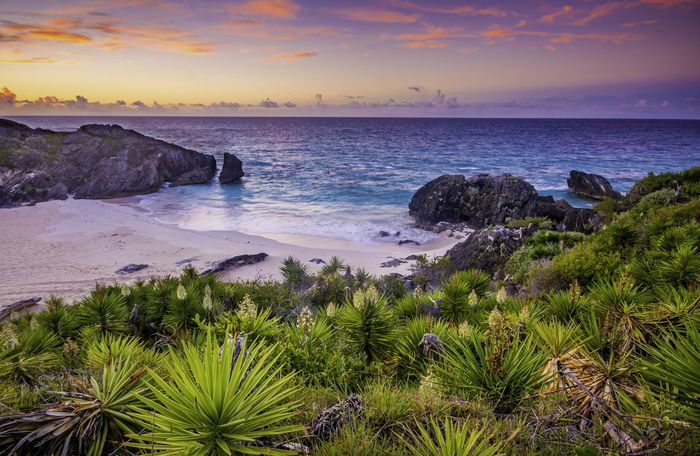
If you like Barbados, also consider
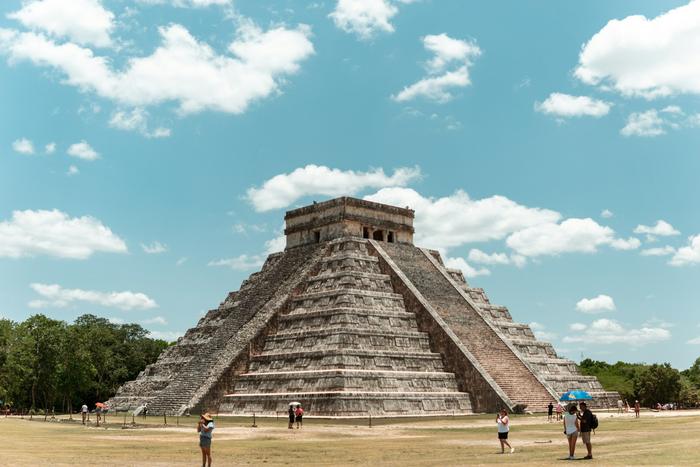
Mexico
Mexico City is world-class. Add the coast, ruins, and food culture.
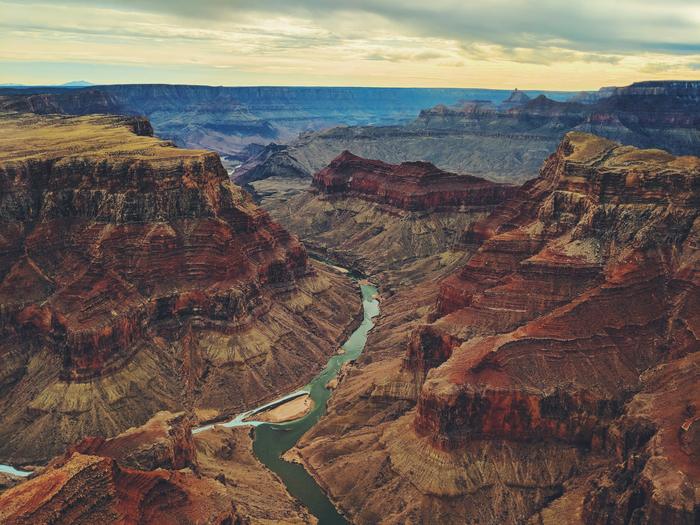
United States
A continent pretending to be a country — cities, deserts, and the best national parks anywhere.
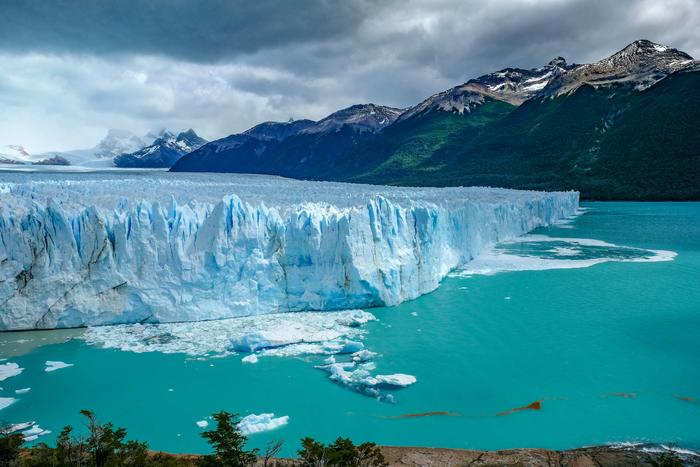
Argentina
Buenos Aires has the best steakhouses and nightlife in South America.

Greece
Ruins in the morning, a swim by noon, taverna until dark.

Spain
Food, beaches, and three or four cities that each justify the trip.
Thailand
The complete package for warm-climate travel.
Not sure where to go
Take the 5-minute quiz
Answer a few honest questions and get matched to destinations that actually fit how you travel.
Start the quiz