Brazil
A continent of a country. Pick two or three things and commit.
- January: peak
- February: peak
- March: fine
- April: fine
- May: fine
- June: fine
- July: fine
- August: fine
- September: peak
- October: peak
- November: fine
- December: peak
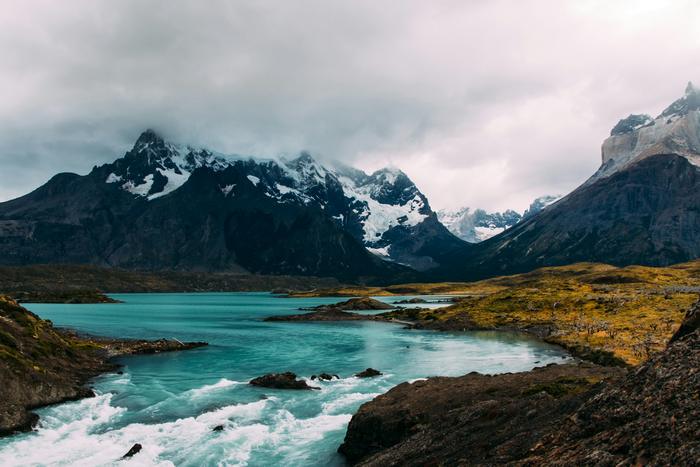
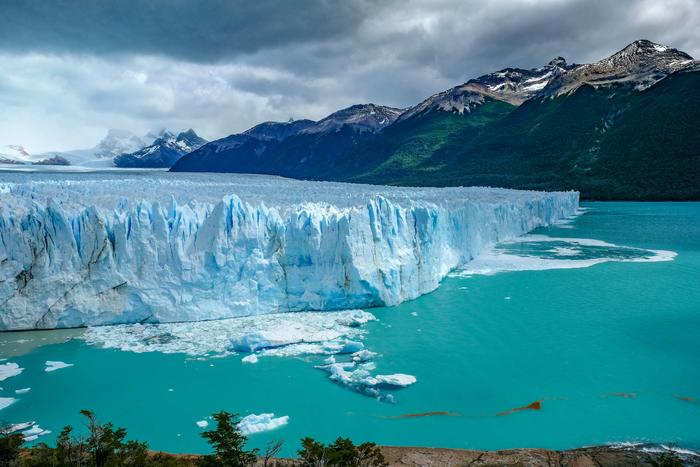
Both are South America, and that’s where the resemblance ends. Brazil is warm, vast and outgoing — beaches and big cities, Iguazú’s falls, the Amazon, Carnival energy and tropical heat. Patagonia is cold, empty and far south: the most dramatic mountain terrain you’ll ever walk through, on a short summer window where the wind runs the show. A warm-country everything, or a cold-wilderness trek.
A continent of a country. Pick two or three things and commit.
The most dramatic landscapes on earth.
Read our full guides about Brazil and Patagonia.
Emphasised where they differ. Muted rows are much the same either way.
| Brazil | Patagonia | |
|---|---|---|
| Best time | September, October, December–February | November–March |
| Climate | warm | cold |
| Budget | Mid-range and flexible — domestic flights cover the distances; costs swing with the real and the season | Expensive to reach and not cheap on the ground — refugios, park fees and long logistics; Argentina’s peso has unified, so cards now bill fairly |
| Trip length | 2–4 wks | 2–6 wks |
| Visa | Visa-free for many Western passports; US, Canadian, and Australian visitors need an eVisa. | Argentina/Chile — visa-free for most Western passports (90 days each). |
| Currency | BRL (Real), roughly 5 BRL ≈ 1 USD. | ARS / CLP. USD useful for some payments. |
| Language | Portuguese. Limited English outside tourism. | Spanish. Limited English outside tourism. |
| Tap water | Stick to bottled water. | Tap water generally safe in towns. |
| Safety | Exercise caution in big cities; petty crime is common, so keep valuables low-key. | Very safe. Wind and weather are the real risks. |
General guidance — visas, safety, and health change, so check your government's travel advisory and the official sources before you go.
The split
Two South American trips at opposite extremes — one is warm, vast and outgoing, the other cold, remote and raw.
Brazil is a warm, vast, outgoing country: Rio and São Paulo, the beaches, the Amazon, the Pantanal and Iguazú, all tropical heat and energy. Patagonia is the cold opposite: a far-south wilderness of glaciers and granite towers, walked on a short summer window where the wind decides your days. Heat and crowds and culture, or cold and space and silence.
The operational detail — Brazil’s entry (including the reinstated e-visa for some nationalities), seasons and city-safety sense; Patagonia’s unified-peso money, park fees and refugio bookings — lives on the two guides: Brazil, know before you go and Patagonia, know before you go. This page is the head-to-head.
Who suits which
Warm-and-social or cold-and-remote — so these never invert.
| If you want… | Brazil | Patagonia |
|---|---|---|
| Warmth, beaches and cities | Wins clearly. Rio, the coast, the heat | Cold and far south |
| Cold mountain wilderness | Tropical | Wins clearly. Torres del Paine, Fitz Roy |
| Nightlife and energy | Wins. Carnival, big cities | Small trekking towns |
| A trekking-first trip | Not the draw | Wins. The great treks are the point |
| Tropical nature | Wins. Amazon, Pantanal, Iguazú | Glaciers and steppe |
| Year-round flexibility | Wins. Most of the year | A short Nov–April window |
Doing both
Same continent, opposite climates — usually pick one.
They can be paired, since both are in South America, but they sit far apart and pull in opposite directions — tropical northeast versus the cold deep south — so it only really works on a long, multi-week continental trip. For most people they’re an either/or: Brazil for warmth, beaches, cities and tropical nature, or Patagonia for cold, raw mountain wilderness on a short window. If you do both, build the trip around Patagonia’s narrow November–April season and treat Brazil as the flexible, warm bookend.
What we leave out
Exact prices and the moving pieces — Brazil’s visa rules, flight and seasonal costs; Patagonia’s park fees, refugio rates and the unified-peso exchange band — change within a season, so the figures here are the shape of the gap, not a quote; the country guides carry the live detail.
Which of the two is the better bet for each month of the year, scored on how well the season suits each place.
Mexico City is world-class. Add the coast, ruins, and food culture.
A continent pretending to be a country — cities, deserts, and the best national parks anywhere.
Surfing, rainforest, volcanoes, and wildlife in extraordinary density.
Seven hundred islands of impossibly clear water, from cruise-port Nassau to the empty Out Islands.
The Caribbean with a US plug socket — old-city romance, rainforest, and a bioluminescent bay.
Three islands, one national park, and no passport needed if you hold a US one.
The dry, breezy Caribbean island that sits below the hurricane belt — sunshine you can actually bank on.
Two coasts on one small island — calm Caribbean west, wild Atlantic east — with the best rum in the world.
Still undecided
Three matches. Often answers comparison questions for you.
Start the quiz