Aruba
The dry, breezy Caribbean island that sits below the hurricane belt — sunshine you can actually bank on.
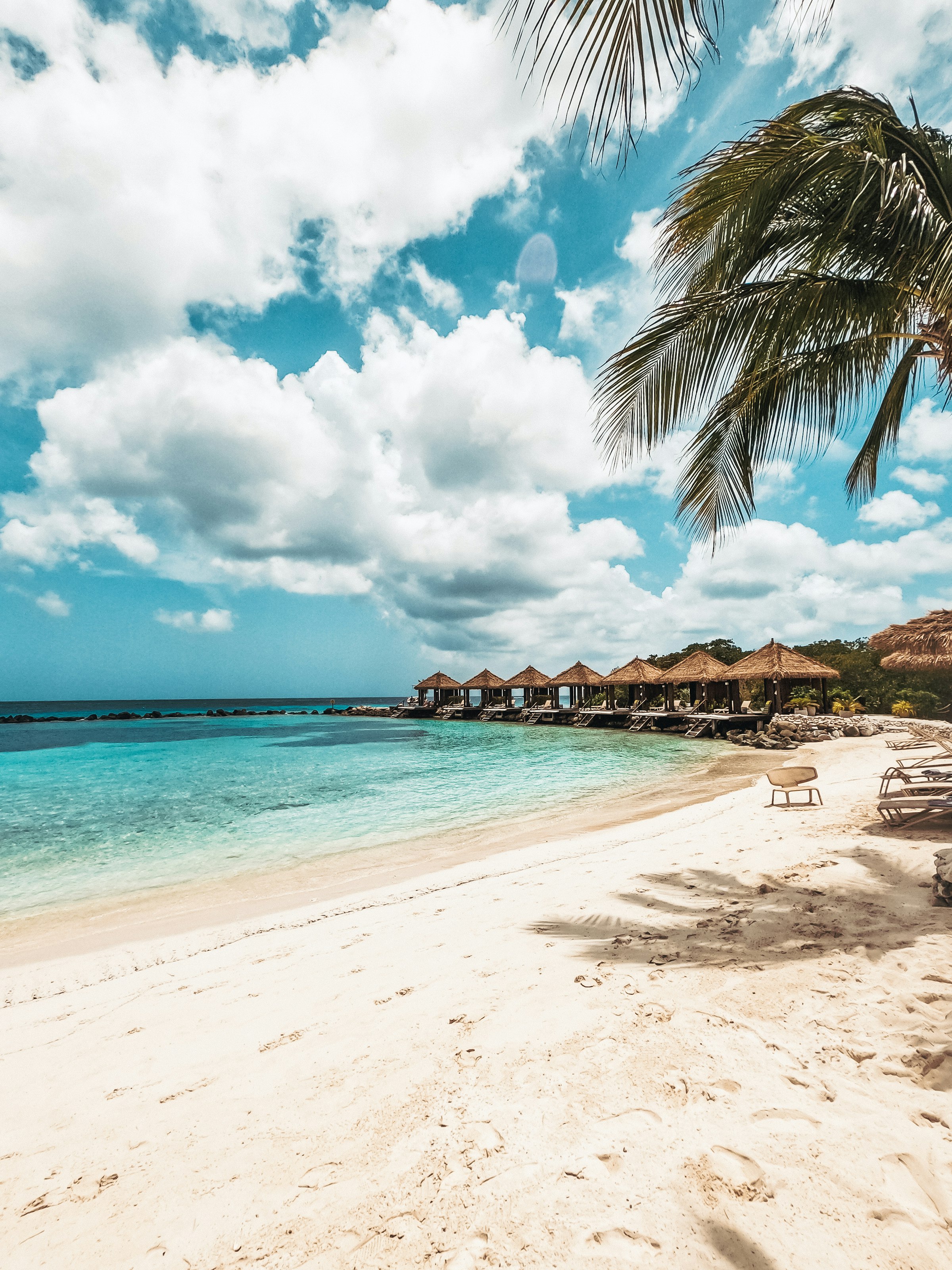
Aruba's pitch is reliability. It sits off the coast of Venezuela, below the hurricane belt, in a dry desert climate cooled by constant trade winds — which means near-guaranteed sunshine year-round and none of the wet-season gamble that hangs over the rest of the Caribbean. The beaches are wide, white, and calm on the west side; the interior is a cactus-studded desert; and the Dutch-Caribbean culture makes it one of the most polished, easy islands in the region.
The west coast is where the island lives: Eagle Beach (broad, uncrowded, famous for its wind-bent divi-divi trees) and Palm Beach (the resort-and-nightlife strip) sit on calm, shallow, swimmable water. The colourful Dutch colonial capital, Oranjestad, is walkable and easy. What surprises people is the other half of the island — Arikok National Park covers nearly a fifth of Aruba with desert, cactus, wind-sculpted rock, and hidden coves, best explored by 4x4 to reach the Natural Pool. The steady wind that keeps you cool also makes the island a world-class windsurfing and kitesurfing spot.
The honest part: Aruba is developed, mainstream, and priced accordingly — the Palm Beach strip is high-rise resorts and chain restaurants, and if you're after an undiscovered, wild Caribbean it isn't here. It's also small; you'll see most of it in a few days. But that's rather the point. You come to Aruba for a dead-certain sunny week on excellent calm beaches, with safe streets, good infrastructure, drinkable tap water, and a short flight from the US — the lowest-risk beach holiday in the Caribbean. Trade wildness for certainty and it delivers exactly what it promises.
Highlights
-
Eagle Beach
A wide, uncrowded white-sand beach with the island’s iconic wind-bent divi-divi trees — regularly rated among the world’s best.
-
Arikok National Park
Desert, cactus, and wind-carved rock across a fifth of the island, with the Natural Pool tucked in the cliffs.
-
Palm Beach
The lively resort strip: calm water by day, bars and casinos by night.
-
Oranjestad
The pastel Dutch colonial capital — walkable, colourful, and easy.
-
Windsurfing & kitesurfing
Constant trade winds make Aruba one of the Caribbean’s premier spots for wind sports.
-
Baby Beach
A shallow, sheltered lagoon at the island’s southern tip — calm, clear, and ideal for easy snorkelling.
Practical info
- Visa
- Visa-free for most Western passports (stays up to 30–90 days). Verify before travel.
- Currency
- Aruban Florin (AWG); US dollars accepted almost everywhere.
- Language
- Dutch and Papiamento (official); English and Spanish widely spoken.
- Safety
- One of the safest islands in the Caribbean; ordinary precautions only.
- Getting around
- Rent a car (driving on the right); a 4x4 helps for the national park. Buses run the west coast.
- Tap water
- Tap water is desalinated and excellent — safe to drink.
- Plug type
- Type A Type B 120V
- Money
- Cards accepted everywhere; little need for cash.
General guidance — visas, safety, and health change, so check your government's travel advisory and the official sources before you go.
Common questions
- When is the best time to visit Aruba?
- Aruba is at its best in December–June.
- How many days do you need in Aruba?
- Most trips run about 1 week, depending on how much ground you want to cover.
- Is Aruba expensive?
- Plan for mid-range daily spend, depending on how you travel.
- Is Aruba safe for travelers?
- One of the safest islands in the Caribbean; ordinary precautions only.
- Do you need a visa for Aruba?
- Visa-free for most Western passports (stays up to 30–90 days). Verify before travel.
Compare Aruba with
If you like Aruba, also consider
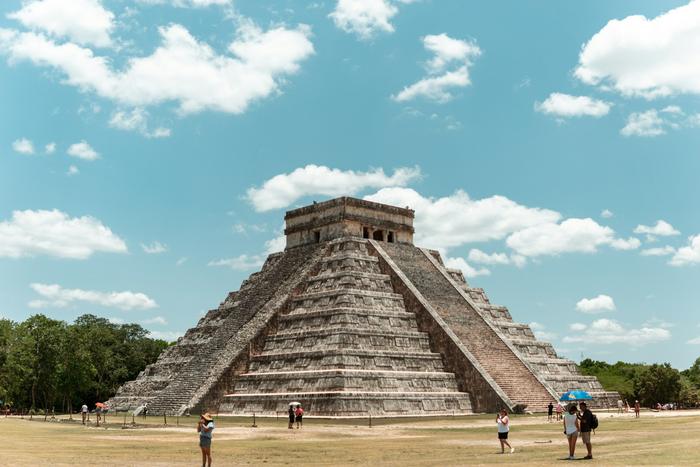
Mexico
Mexico City is world-class. Add the coast, ruins, and food culture.
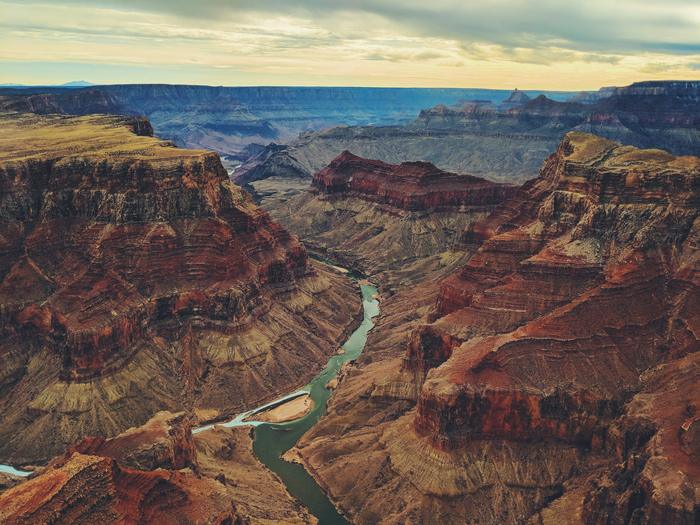
United States
A continent pretending to be a country — cities, deserts, and the best national parks anywhere.
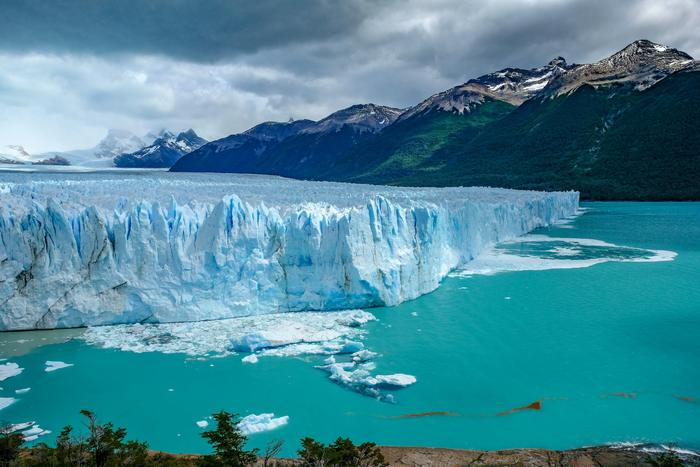
Argentina
Buenos Aires has the best steakhouses and nightlife in South America.
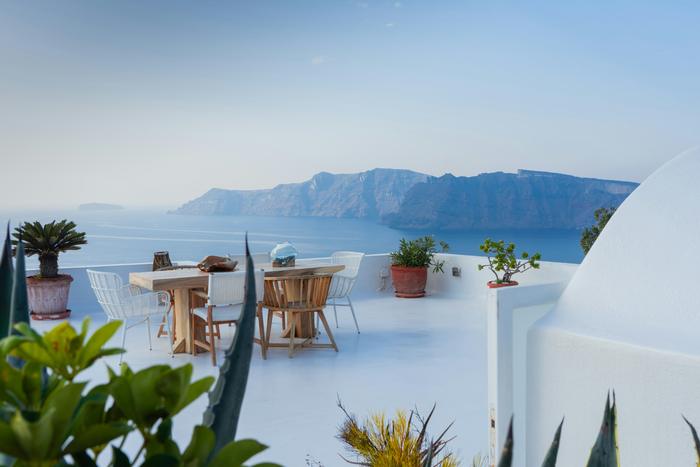
Greece
Ruins in the morning, a swim by noon, taverna until dark.
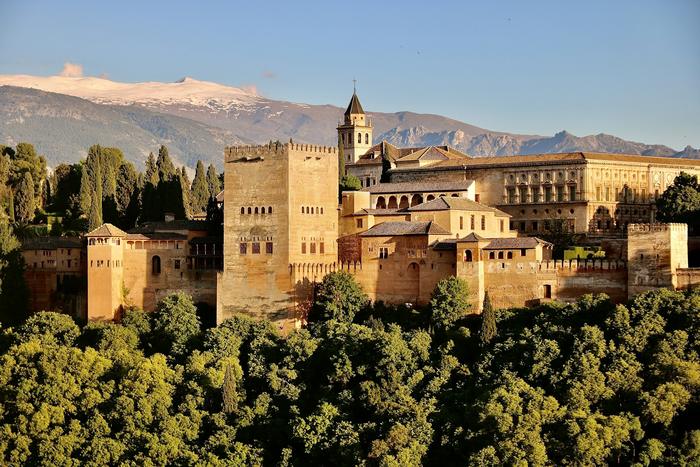
Spain
Food, beaches, and three or four cities that each justify the trip.
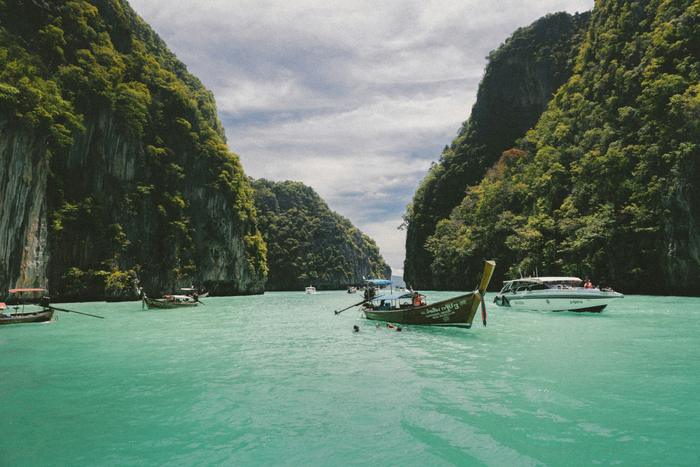
Thailand
The complete package for warm-climate travel.
Not sure where to go
Take the 5-minute quiz
Answer a few honest questions and get matched to destinations that actually fit how you travel.
Start the quiz