Puerto Rico
The Caribbean with a US plug socket — old-city romance, rainforest, and a bioluminescent bay.
Puerto Rico is the easy-entry Caribbean for anyone coming from the US: no passport, dollars in your pocket, and a flight most of the East Coast can do before lunch. What you get for that convenience is more varied than the beach-and-resort cliché — a walled colonial old town in San Juan, the only tropical rainforest in the US National Forest system, surf towns on the west coast, and a bay that glows electric blue when you paddle it at night.
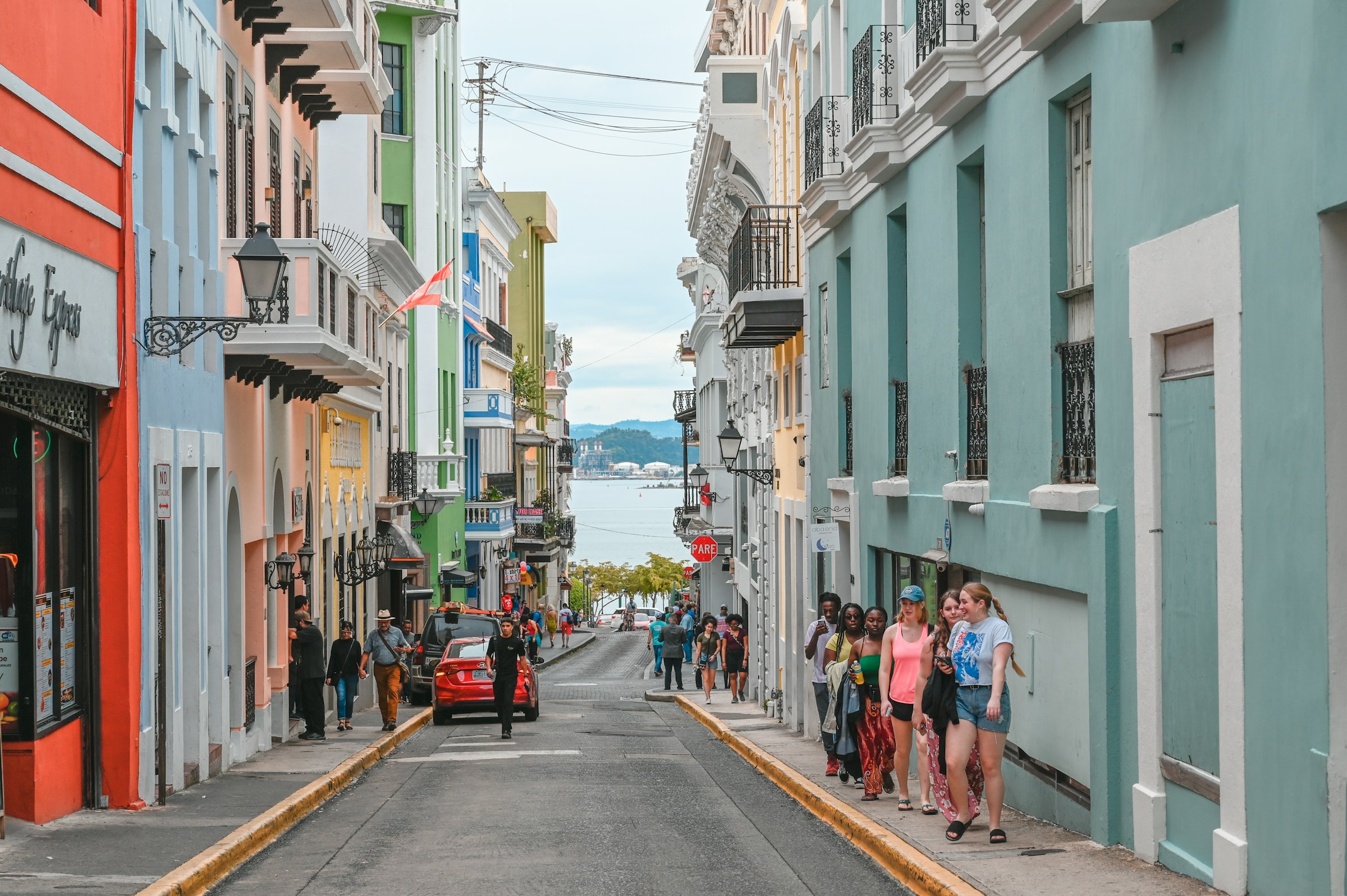
Base a few nights in Old San Juan — blue cobbles, pastel townhouses, two hulking Spanish forts on the headland — then rent a car, because the island rewards moving around. El Yunque's rainforest trails and waterfalls are 40 minutes east; the surf-and-sunset town of Rincón is out west; the old lighthouse-and-cliffs of Cabo Rojo are in the southwest. The set-piece is a night kayak on a bioluminescent bay — Mosquito Bay on Vieques is the brightest in the world — where every paddle stroke lights up the water. For pure beach, the offshore cays of Culebra (Flamenco Beach) and Vieques are the best sand, reached by ferry or a short hop.
The honest part: San Juan and the coasts are polished and easy, but the island is still recovering in patches from hurricanes and a rocky economy, and power can be less than reliable away from the tourist core. The interior mountains and some rural roads are rough and poorly signed, so a car and a bit of patience help. Hurricane season (August to October) is a genuine gamble on weather. Skip those months and the trade-off is unbeatable for US travelers: a real, culturally distinct Caribbean trip with none of the passport, currency, or roaming friction.
Highlights
-
Old San Juan
Cobbled Spanish colonial streets, pastel facades, and the clifftop El Morro and San Cristóbal forts.
-
El Yunque National Forest
The only tropical rainforest in the US forest system — waterfalls, pools, and easy trails east of the capital.
-
Mosquito Bay, Vieques
The brightest bioluminescent bay on earth; kayak it on a moonless night and the water lights up around you.
-
Culebra & Flamenco Beach
A short ferry to the best sand in the territory — pale and calm, regularly rated among the world’s top beaches.
-
Rincón
West-coast surf town with the island’s best sunsets and a laid-back expat-and-local mix.
-
Ponce & the south coast
The drier, quieter side: a handsome colonial city and calm Caribbean-facing beaches away from the crowds.
Practical info
- Visa
- US territory — no passport or visa for US citizens; others follow US entry rules. Verify before travel.
- Currency
- USD ($).
- Language
- Spanish and English (both official); English widely understood in tourism.
- Safety
- Tourist areas are fine with normal city precautions; avoid unfamiliar urban zones late at night.
- Getting around
- Rent a car — the island is best explored by road; ferries and short flights reach Vieques and Culebra.
- Tap water
- Tap water is treated and generally safe.
- Plug type
- Type A Type B 120V
- Money
- Cards accepted widely; carry some cash for small vendors and the islands.
General guidance — visas, safety, and health change, so check your government's travel advisory and the official sources before you go.
Common questions
- Do I need a passport?
- Not if you’re a US citizen — Puerto Rico is a US territory, so mainland–PR is domestic travel (though since May 2025 you need a REAL ID or passport to board the flight). Non-US citizens follow standard US rules — ESTA (~US$40) or a US visa. See entry.
- Do I need a reservation for El Yunque?
- No. There’s no timed-entry reservation and entry is free — a reservation system existed briefly and was dropped. Just arrive early, because parking and capacity on the PR-191 corridor (open 08:00–17:00) are limited. More in the El Yunque section.
- Which bioluminescent bay is best?
- Mosquito Bay on Vieques — the brightest in the world, with a Guinness record. Go on a moonless night, by guided kayak only, and note that swimming is banned there to protect the organisms. The three bays are compared in the bio-bays section.
- How do I get to Vieques or Culebra?
- A passenger ferry from the Ceiba terminal (east coast — not Fajardo), or a short flight from San Juan. The ferry sells limited seats online and prioritises residents, so if you need certainty, fly (~30 minutes).
- When should I go, and what about hurricanes?
- December–April is dry and storm-free (and priciest). Avoid the August–October peak of the June–November hurricane season — and know the power grid is fragile, with island-wide blackouts in recent memory, so pack a power bank.
- Can I use US dollars and credit cards?
- Yes — it’s the US dollar, US cards work everywhere, and tipping is US-style (15–20%). Local and casual food runs cheaper than the mainland; short-term rentals add a 7% room tax.
Entry
For US citizens, it’s a domestic flight
No passport, no customs, no currency change — Puerto Rico is the US in the Caribbean.
For a US citizen, Puerto Rico is the easiest Caribbean trip there is: a domestic flight, no passport, no customs, dollars in your pocket and your own phone plan working as normal. The one post-2025 wrinkle is REAL ID — you need a star-marked licence or a passport to board the mainland flight, same as any domestic route.
For everyone else, the rules are simply the United States’ rules: Visa Waiver nationals need an ESTA (now about US$40, and inflation-indexed), others a US visa. There is no separate territorial entry step — clear US immigration and you’re in.
If you’re a US citizen flying from the mainland, double-check your licence is REAL ID-compliant (the star in the corner) well before you travel — since May 2025 a non-compliant licence won’t board you, and a last-minute scramble for a passport is the one avoidable way to miss this flight.
Old San Juan
The walled city and its forts
Five centuries of Spanish colonial stone — the oldest city under the US flag, and its forts are the set-piece.
Old San Juan is the reason many people come: a seven-block grid of pastel Spanish-colonial houses, blue-cobbled streets and two great fortresses — Castillo San Felipe del Morro and San Cristóbal, together a US National Historic Site and a UNESCO World Heritage listing. One US$10 ticket, cards only, covers both forts for the day.
Beyond the ramparts it’s a compact, walkable old town of plazas, rum bars and the island’s best people-watching — the natural base for a first trip, close to the airport and the cruise port.
| Sight | What it is | Entry |
|---|---|---|
| El Morro & San Cristóbal | The two Old San Juan forts (US National Park Service) | US$10 — covers both, cashless |
| El Yunque | The only tropical rainforest in the US forest system | Free; no reservation |
| Mosquito Bay (Vieques) | The brightest bio-bay on earth, guided kayak | Tour price; no swimming |
| Flamenco Beach (Culebra) | Repeatedly ranked among the world’s best | Free; public |
Fort fee from the NPS, 2026 — one US$10 ticket (16+) covers both forts for the day, and the site is card-only. Interagency and senior passes are honoured. The other headline sights are the island’s free or tour-priced draws.
The forts are cashless — bring a card, not notes — and the single US$10 ticket is good at both on the same day, so do them together. Early morning or late afternoon dodges both the cruise crowds and the midday heat on the exposed ramparts.
El Yunque
The only US tropical rainforest
A genuine rainforest inside the US National Forest System — free, and no reservation, whatever an old guide says.
El Yunque is the only tropical rainforest in the entire US forest system, and it’s less than an hour east of San Juan — waterfalls, lookout towers, the coquí frogs that are the island’s unofficial mascot, and short trails off the PR-191 corridor. Entry is free and, contrary to a lot of out-of-date advice, needs no reservation: a timed-entry system ran briefly and was scrapped.
What does limit it is parking — the lots are small and fill fast, and recovery works from past storms still close sections — so the move is to come early and be flexible about which trailheads you reach.
Ignore any blog or guidebook telling you to book a recreation.gov slot for El Yunque — that system is not in force. The only real constraint is the car park, so arrive by mid-morning, and check the forest’s official conditions page for any trail or road closures before you drive out.
Bio bays
The brightest water on earth
Puerto Rico has three bioluminescent bays — and the best of them glows brighter than anywhere else.
~700,000 dinoflagellates per gallon in Mosquito Bay
The bioluminescence is Puerto Rico’s signature after-dark experience, and it’s real: paddle through the water on a moonless night and every stroke lights up blue-green. Mosquito Bay on Vieques is the brightest and the one worth planning a trip around; Laguna Grande near Fajardo is the convenient mainland alternative, reached by kayak through a mangrove channel.
The non-negotiable is timing — the glow all but vanishes around the full moon, so book for the dark half of the lunar month, and treat a cloudy or moonlit night as a wash.
| Bay | Where | The pitch |
|---|---|---|
| Mosquito Bay | Vieques | Brightest in the world; kayak only, no swimming |
| Laguna Grande | Fajardo | Mainland-accessible; kayak a mangrove channel |
| La Parguera | Lajas (SW) | The dimmest — but historically the one you could swim |
All three are dramatically brighter on dark, moonless nights, and tours thin out or don’t run near the full moon — plan to the lunar calendar. Mosquito Bay is the standout; Laguna Grande is the easy mainland option from the San Juan side.
Check the moon phase before you book accommodation, not just the tour — a full-moon week can flatten the whole reason you came. If Vieques logistics don’t fit, Laguna Grande from Fajardo delivers a very good version of the same thing without the ferry gamble.
Vieques & Culebra
The islands off the east coast
Two small islands with the best beach and the best bay — and a former bombing range behind both.
Culebra is a one-beach pilgrimage: Flamenco Beach, a horseshoe of white sand regularly rated among the planet’s best, with a pair of rusting tanks on the sand as a reminder of its past as a Navy gunnery range. Vieques is bigger and wilder — free-roaming wild horses, empty refuge beaches, and Mosquito Bay after dark.
Both islands carry the same history: the US Navy held huge tracts for bombing and training until 2003, when protests forced withdrawal, and the former ranges are now wildlife refuges — which is exactly why the beaches are so undeveloped and the coast so empty.
The catch is getting there. The ferry runs from Ceiba, not Fajardo (a point old directions get wrong), sells limited seats online and boards residents first, and cancellations happen — so for a day with a fixed plan, take the 30-minute flight from San Juan instead and keep the ferry as a backup.
When to go
Dry winter, fragile grid
The weather calendar is standard Caribbean — the power grid is the local variable.
Jun–Nov hurricane season, peak August–October
The crimson bar is the dry, storm-free peak. Sargassum seaweed lands mainly on south- and east-facing shores in spring–summer; the north coast and sheltered beaches are less affected.
The season to aim for is the dry December-to-April window — reliable sun, outside the storm risk, and busiest. The June–November hurricane season peaks August to October; recent years have mostly only brushed the island, but the memory of Maria (2017) and Fiona (2022) is why preparedness runs deep.
The genuinely Puerto-Rico-specific thing to plan for is the grid. Island-wide blackouts have happened as recently as the last couple of years, resorts commonly run generators, and a power bank and a little flexibility are sensible insurance whenever you come.
Getting around
Hire a car; fly to the islands
Outside San Juan a car is essential — and the offshore islands reward flying over ferrying.
- The brightest bio-baySkipthe dimmer mainland optionsGoMosquito Bay on Vieques — moonless night, by kayak
- A world-ranked beachSkipthe busy San Juan city strandsGoFlamenco Beach on Culebra
- Rainforest in a half-daySkipa long cross-island driveGoEl Yunque, under an hour from San Juan
- Colonial history and nightlifeSkipbasing out by the resortsGoOld San Juan — walkable, central, atmospheric
| Journey | How | Time |
|---|---|---|
| San Juan → El Yunque | Hire car | ~45 min–1 h |
| San Juan → Ponce | Hire car (toll highway) | ~1h15 |
| Ceiba → Vieques / Culebra | Passenger ferry | ~30–45 min |
| San Juan → Vieques / Culebra | Small plane | ~30 min |
The Vieques/Culebra ferry leaves from Ceiba (not Fajardo), sells limited online seats and prioritises residents — fly (Cape Air / Vieques Air Link) if you need certainty. A hire car is essential everywhere outside walkable Old San Juan.
Old San Juan is walkable and parking is a pain, so many people skip the car for the city days and pick it up when they head out to El Yunque, Ponce or the west — Rincón’s surf, Cabo Rojo’s cliffs. Reserve the car ahead in high season; the airport desks run out.
Food & culture
Mofongo, lechón and a Commonwealth
The plate and the politics both tell the island’s story — Spanish roots, US ties, its own identity.
Eat your way through the island and the history is on the plate: mofongo (garlicky mashed plantain), lechón (whole spit-roasted pig, best along the Guavate “pork highway” south of San Juan), and the chinchorreo tradition of hopping between roadside food-and-rum stops. Bacardí’s vast home distillery sits across the bay in Cataño, reachable by the little ferry.
The culture is proudly its own — the birthplace of so much salsa and modern reggaeton — layered over a specific status: Spanish until 1898, then a US territory whose residents became citizens in 1917 and a Commonwealth since 1952. Puerto Ricans are US citizens who can’t vote for president and send a non-voting delegate to Congress — a tension that colours island life.
For the real thing, drive out to Guavate on a Sunday, when the lechoneras are in full swing with live music and whole roast pig by the pound — it’s the island’s best, cheapest and most local meal, and nothing in the San Juan tourist zone matches it.
Compare Puerto Rico
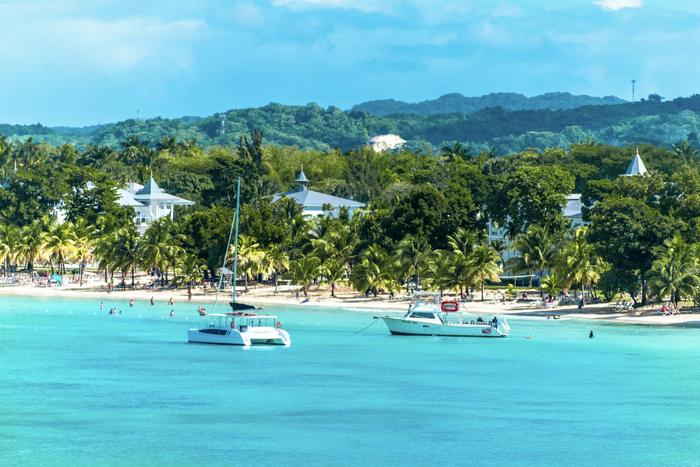
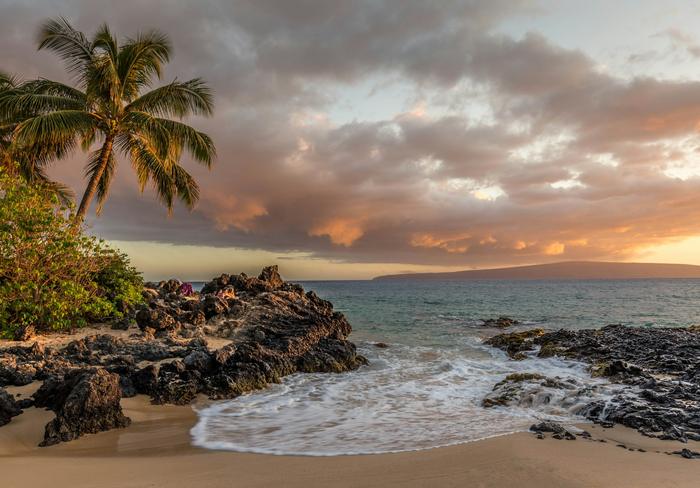
If you like Puerto Rico, also consider
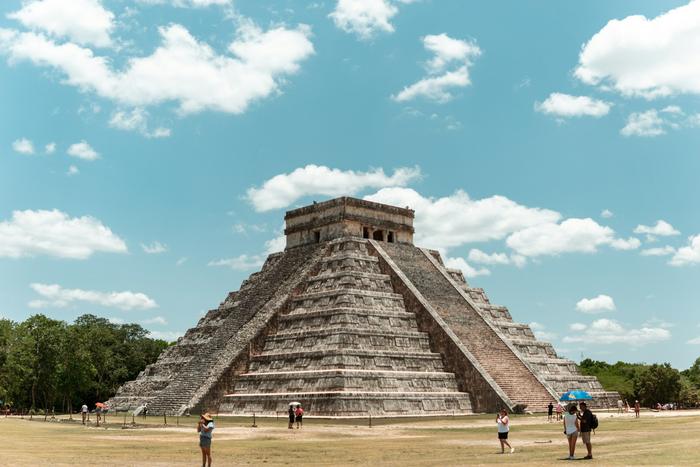
Mexico
Mexico City is world-class. Add the coast, ruins, and food culture.
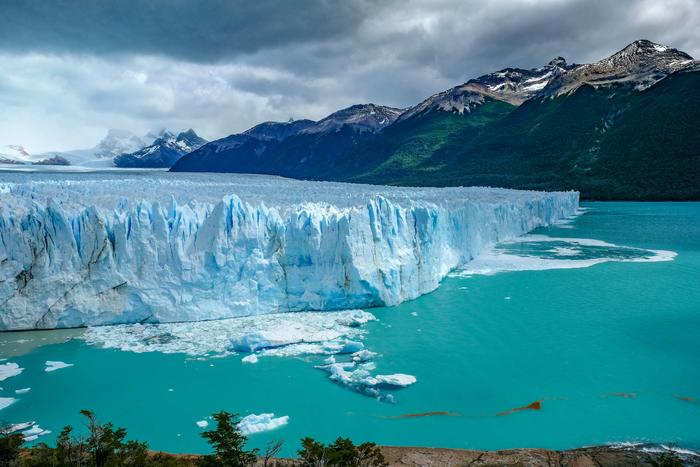
Argentina
Buenos Aires has the best steakhouses and nightlife in South America.

Greece
Ruins in the morning, a swim by noon, taverna until dark.
Spain
Food, beaches, and three or four cities that each justify the trip.
Thailand
The complete package for warm-climate travel.
Not sure where to go
Take the 5-minute quiz
Answer a few honest questions and get matched to destinations that actually fit how you travel.
Start the quiz