Colombia vs Peru

Two of South America’s most rewarding countries, pulling in different directions. Colombia is the warm, vibrant one — a Caribbean coast, Andean cities (Cartagena, Medellín, Bogotá), the coffee region, and an irrepressible music-and-food culture, with some safety homework. Peru is the ancient one — Machu Picchu and the Inca world, Cusco and the Sacred Valley, the high Andes and Amazon, and a food scene among the world’s best. One is coast-coffee-and-culture; the other a cultural pilgrimage to the Inca heartland.

South America

Colombia

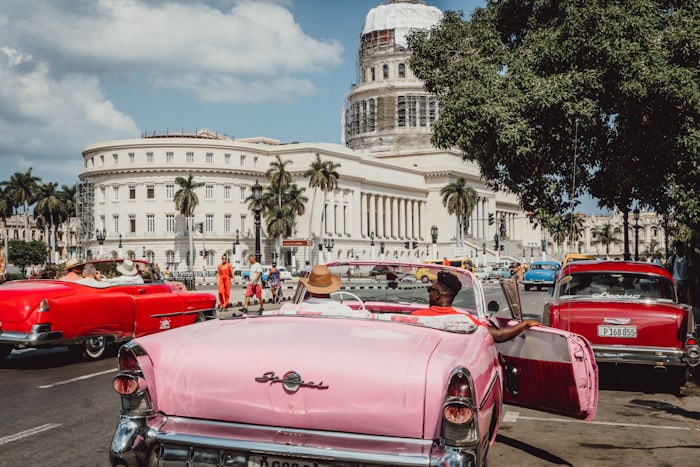
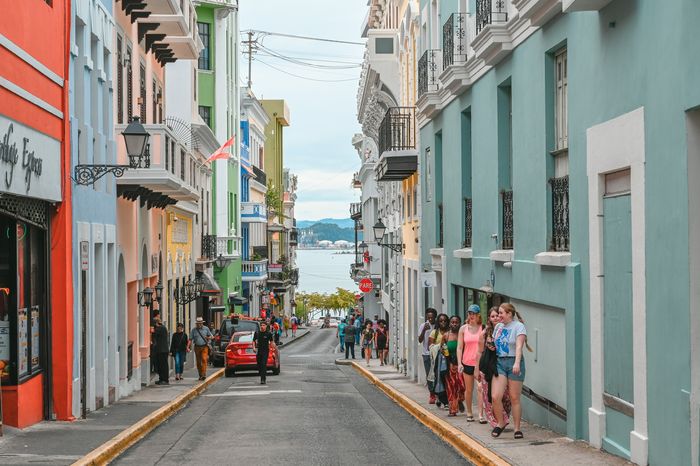
Medellin is one of the most exciting cities in the world right now.

Best time to visit
  1. January: peak
  2. February: peak
  3. March: peak
  4. April: fine
  5. May: fine
  6. June: fine
  7. July: peak
  8. August: peak
  9. September: fine
  10. October: fine
  11. November: fine
  12. December: peak
Peak Fine Avoid
South America

Peru

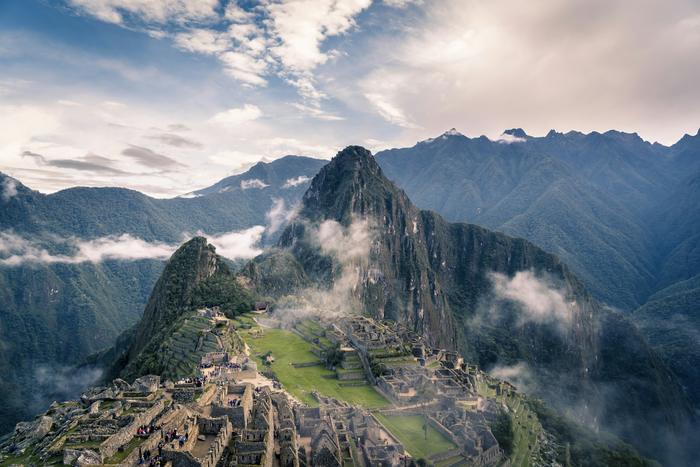
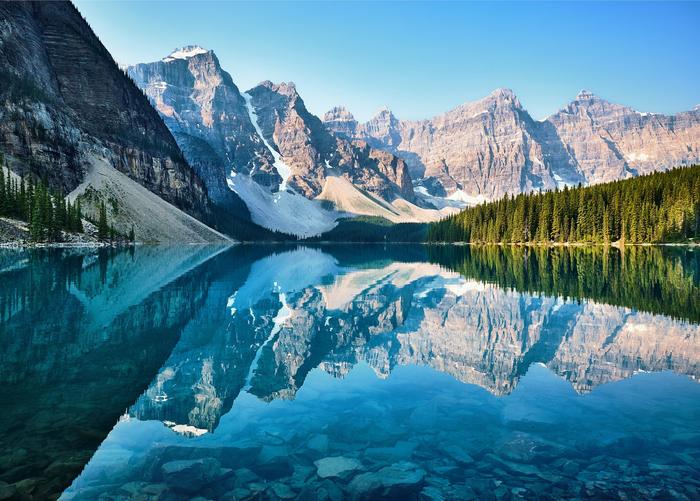
Machu Picchu, the Sacred Valley, Lima's food scene, and the Amazon.

Best time to visit
  1. January: avoid
  2. February: avoid
  3. March: fine
  4. April: fine
  5. May: peak
  6. June: peak
  7. July: peak
  8. August: peak
  9. September: peak
  10. October: peak
  11. November: fine
  12. December: avoid
Peak Fine Avoid

Read our full guides about Colombia and Peru.

Side by side

Emphasised where they differ. Muted rows are much the same either way.

Colombia Peru
Best time July, August, December–March May–October
Climate warm mild
Budget Good value on the ground — domestic flights between regions are the main cost Good value too — flights and the Machu Picchu logistics are the cost
Trip length 2–6 wks 2–5 wks
Visa Visa-free for most Western passports (90 days). Visa-free for most Western passports (90 days).
Currency COP (Peso). Roughly 4,200 COP ≈ 1 USD. PEN (Sol). Roughly 3.7 PEN ≈ 1 USD.
Language Spanish. Limited English outside tourism. Spanish (Quechua in highlands). Limited English.
Tap water Tap water safe in Medellin and Bogota; bottled elsewhere. Tap water not safe.
Safety Much improved. Stay in good areas, no flashy phones, no street drugs. Generally safe in tourism. Altitude sickness in Cusco is the bigger concern.

General guidance — visas, safety, and health change, so check your government's travel advisory and the official sources before you go.

The split

Coast, coffee and culture, or the Inca heartland

Both are Andean countries — but one is warm, vibrant coast-and-cities, the other the ancient Inca world and world-class food.

Vibrant vs ancientthe leanCaribbean coast and music, or Machu Picchu and the Incas
Warmth vs altitudethe settingYear-round warm lowlands, or the high Andes
Culture vs pilgrimagethe tripA vivid spread of places, or a bucket-list cultural journey

Colombia is the warm, vibrant one — a Caribbean coast, Andean cities (Cartagena, Medellín, Bogotá), the coffee region, and an irrepressible music-and-food culture, with some safety homework. Peru is the ancient one: Machu Picchu and the Inca world, Cusco and the Sacred Valley, the high Andes and Amazon, and a food scene among the world’s best.

The operational detail — Colombia’s yellow-fever rules, Check-Mig form and safety picture; Peru’s altitude, protests and Machu Picchu ticketing — lives on the two guides: Colombia, know before you go and Peru, know before you go. This page is the head-to-head.

The real difference

Vibrant variety, or an ancient pilgrimage

The trade: Colombia offers warmth, coast, coffee and culture; Peru offers the Inca icon, the Andes and great food.

Colombia wins on warmth, variety and energy. Caribbean beaches, the coffee region, reinvented cities and a vivid music-and-food culture come in a warm, year-round package — provided you do the safety and health homework.

Peru wins on the icon and the food. Machu Picchu is once-in-a-lifetime, the Inca heritage gives it depth, and Lima’s cuisine is a world draw — a cultural pilgrimage more than a beach trip, with altitude and logistics to manage. Choose vibrant coast-and-culture, or the Inca heartland.

Who suits which

Who each actually suits

Both are Andean countries — but one leans warmth and culture, the other ancient ruins and food.

If you want…ColombiaPeru
A world-icon ruinNo equivalentWins. Machu Picchu
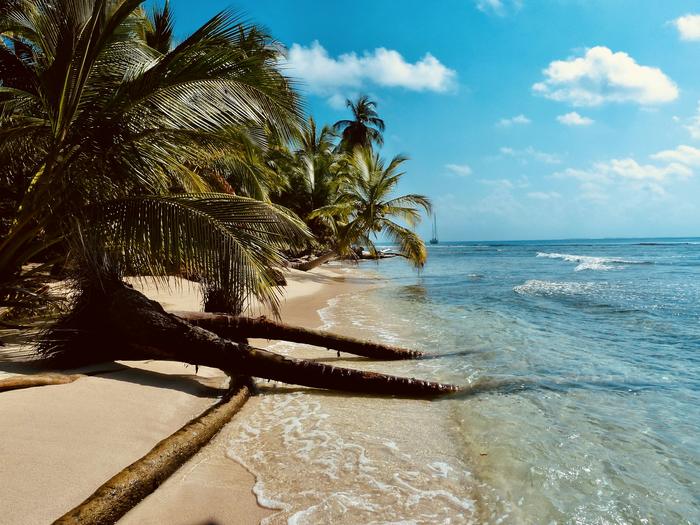
Caribbean coast and beachesWins. Cartagena, the coastPacific, not the draw
World-class gastronomyVivid, regionalWins. Lima’s global scene
Year-round warmth, low altitudeWins. Warm lowlandsHigh-altitude Cusco
Coffee countryWins. The Zona CafeteraCoffee grown too, lighter
A cultural bucket-list pilgrimageVibrant, not iconicWins. The Inca world

Doing both

Andean neighbours

They connect by air — a longer trip can take in both.

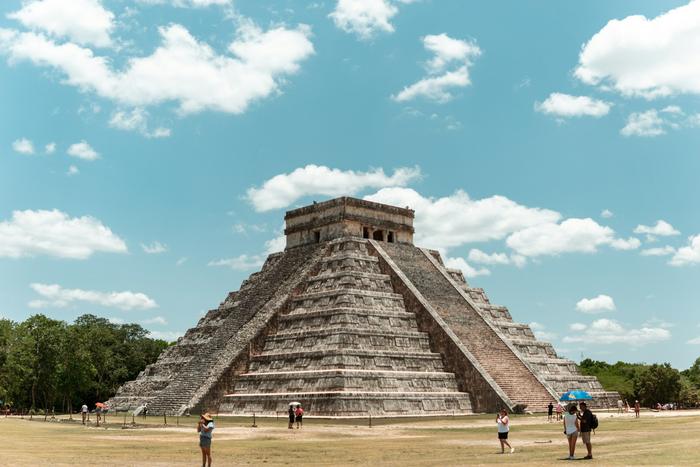
Colombia and Peru are Andean neighbours (with Ecuador between the main hubs) connected by air, so a longer trip can pair Colombia’s coast-and-cities with Peru’s Inca heartland — both deserve a week-plus, so allow two to three weeks. Each also compares with its neighbours (see Colombia vs Panama, Argentina vs Colombia, Ecuador vs Peru and Chile vs Peru).

What we leave out

What we deliberately leave out

Exact prices beyond the structural comparison — both are good value and move with season — so the figures here are the shape of the difference, not a quote; the country guides carry the live detail. Each country’s volatile specifics (Colombia’s yellow-fever and safety picture, Peru’s protests and Machu Picchu ticketing) are covered on its guide, to be checked before you commit, rather than restated here.

Colombia or Peru, month by month

Which of the two is the better bet for each month of the year, scored on how well the season suits each place.

Which to choose

Choose Colombia if:

  • Caribbean coast, coffee, cities and warm culture are the draw.
  • You want vibrant energy and year-round warmth.
  • Beaches and music over ancient ruins.

Choose Peru if:

  • Machu Picchu and the Inca world are the whole reason to go.
  • Ancient history, the high Andes and world-class food top the list.
  • A cultural bucket-list pilgrimage over coast and coffee.

Common questions

Is Colombia or Peru better for a first South America trip?
Peru is the more classic first choice, because Machu Picchu is the continent’s signature sight and the Cusco–Sacred Valley circuit is a well-trodden, rewarding introduction (with altitude and a complex ticket system to manage). Colombia is the better first trip if you want warmth, cities and coast over ruins, and don’t mind doing some safety homework. For the Inca icon, Peru; for vibrant coast-and-culture, Colombia.
Which has the bigger must-see?
Peru has the world-icon — Machu Picchu is one of the most famous places on Earth, and the Inca heritage around Cusco is unmatched. Colombia’s highlights are more about atmosphere and variety — Cartagena’s colonial romance, Medellín’s reinvention, the coffee region’s wax-palm valleys — than one bucket-list monument. For the famous ruin, Peru; for a vivid spread of places, Colombia.
Which has better food?
Both are excellent, but Peru is the bigger global food destination — Lima’s restaurants rank among the world’s best, and the cuisine (ceviche, Andean ingredients) is a genuine draw in itself. Colombia eats well with regional variety and a vivid street-food culture, but it isn’t the headline that Peru’s cuisine is. For cutting-edge gastronomy, Peru; for warm, varied everyday eating, Colombia.
What about safety, altitude and entry?
Both reward care. Colombia’s main destinations are broadly fine with city sense, but note the drink-spiking/dating-app risk in Medellín and specific do-not-travel regions — plus a yellow-fever vaccine effectively needed outside the high cities. Peru brings altitude in Cusco and recurring protests and road/rail blockades, plus the Machu Picchu ticketing. The guides carry the current detail: Colombia and Peru — hence the early recheck on both.
Can I combine them?
Yes — they’re neighbours (with Ecuador between the main hubs) and connect by air, so a longer trip can pair Colombia’s coast-and-cities with Peru’s Inca heartland. Both deserve a week-plus, so allow two to three weeks. Each also compares with its neighbours — Colombia with Panama and Argentina, Peru with Ecuador, Argentina and Chile.

Still undecided

Take the quiz

Three matches. Often answers comparison questions for you.

Start the quiz