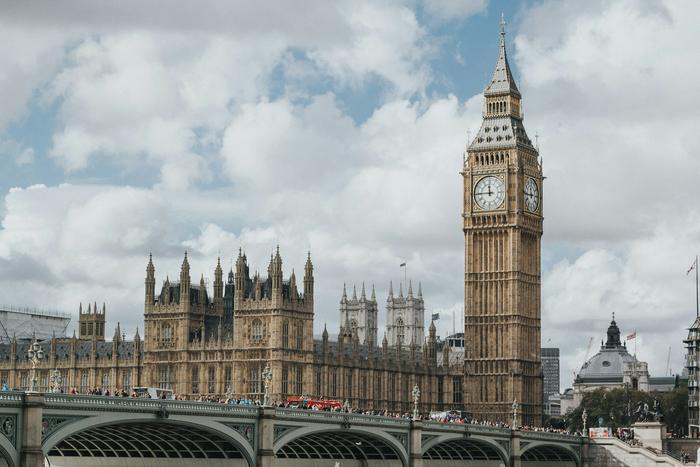
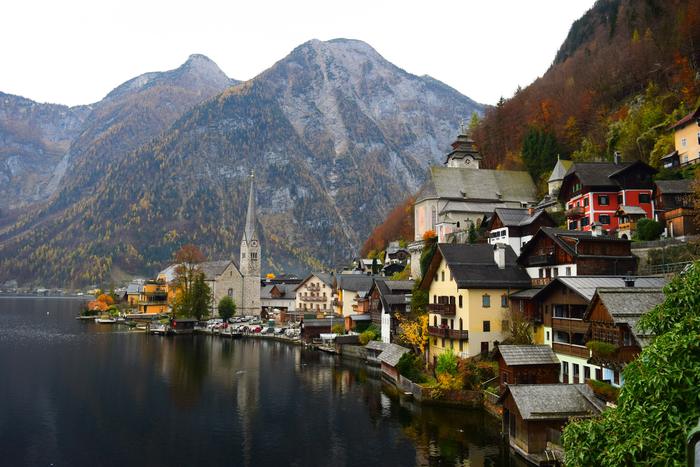
Greece vs Spain

Two of the Mediterranean’s great holiday countries, pulling in different directions. Greece is the island one — hundreds of islands to hop between, the classical icons of Athens and the ancient world, and a laid-back, beach-and-taverna rhythm. Spain is the mainland all-rounder — world-class cities (Barcelona, Madrid, Seville), flamenco and tapas, Moorish history, and coast and countryside across wildly varied regions. One is island-hopping and antiquity; the other cities, culture and variety.

Southern Europe

Greece

Ruins in the morning, a swim by noon, taverna until dark.

Best time to visit
  1. January: avoid
  2. February: avoid
  3. March: fine
  4. April: peak
  5. May: peak
  6. June: peak
  7. July: fine
  8. August: avoid
  9. September: peak
  10. October: peak
  11. November: fine
  12. December: avoid
Peak Fine Avoid
Western Europe

Spain

Food, beaches, and three or four cities that each justify the trip.

Best time to visit
  1. January: fine
  2. February: fine
  3. March: fine
  4. April: peak
  5. May: peak
  6. June: fine
  7. July: fine
  8. August: avoid
  9. September: peak
  10. October: peak
  11. November: fine
  12. December: fine
Peak Fine Avoid

Read our full guides about Greece and Spain.

Side by side

Emphasised where they differ. Muted rows are much the same either way.

Greece Spain
Best time April–June, September, October April, May, September, October
Climate warm mild
Budget Moderate — island-hopping and the famous isles cost most in peak summer Good value for a Western-European country — cities and coast both affordable
Trip length 1–4 wks 1–4 wks
Visa Schengen — visa-free for most Western passports (90 days). Schengen — visa-free for most Western passports (90 days).
Currency EUR (€) EUR (€)
Language Greek. English widely spoken. Spanish. English in cities and tourism, less elsewhere.
Tap water Tap water safe in mainland; bottled on smaller islands. Tap water safe.
Safety Very safe. Very safe. Pickpocketing in Barcelona and Madrid.

General guidance — visas, safety, and health change, so check your government's travel advisory and the official sources before you go.

The split

Island-hopping antiquity, or mainland variety

Both are sun-soaked Mediterranean classics — but one is islands, ferries and ancient ruins, the other great cities, culture and coast.

Islands vs mainlandthe shapeHundreds of isles to hop, or a big varied mainland
Antiquity vs citiesthe drawThe Acropolis and the ancient world, or Barcelona and Seville
Laid-back vs variedthe tripBeach-and-taverna rhythm, or art, flamenco, tapas and coast

Greece is the island one — hundreds of islands linked by ferries, the classical icons of Athens, and a laid-back, beach-and-taverna rhythm. Spain is the mainland all-rounder: world-class cities (Barcelona, Madrid, Seville), flamenco and tapas, Moorish history and Gaudí, and coast and countryside across wildly varied regions. One is island-hopping and antiquity; the other cities, culture and variety.

The operational detail — Greece’s island-ferry logistics; Spain’s regions, trains and seasons — lives on the two guides: Greece, know before you go and Spain, know before you go. This page is the head-to-head.

The real difference

Islands and ruins, or cities and culture

The trade: Greece offers island-hopping, beaches and the ancient world; Spain offers great cities, culture and variety.

Greece wins on islands and antiquity. The island-hopping, the beaches and the classical sights make it the quintessential laid-back Mediterranean trip — hard to beat for a sun-and-sea holiday with ancient history woven through.

Spain wins on cities and variety. Its great cities, art and architecture, food and nightlife, and dramatically varied regions give it more range for a trip that mixes culture with coast — and it’s excellent value. Choose island-hopping antiquity, or mainland variety.

Who suits which

Who each actually suits

Both are Mediterranean classics — but one leans islands and ruins, the other cities and culture.

If you want…GreeceSpain
Island-hopping and ferriesWins. Hundreds of islesBalearics/Canaries, but not the point
Great cities and artAthensWins. Barcelona, Madrid, Seville
Classical ancient ruinsWins. The Acropolis and moreRoman and Moorish, superb
Flamenco, tapas, nightlifeTavernasWins. The Spanish scene
A laid-back beach rhythmWins. Island calmLively and varied
A varied cities-and-coast tripIsland-ledWins. Mainland range

Doing both

Opposite ends of the sea

Not a natural pairing — most people choose one.

Greece and Spain sit at opposite ends of the Mediterranean, so they’re not a natural single trip — you’d fly between them, and most people pick one for a holiday. The decision is really island-hopping-and-antiquity versus cities-and-variety. Each compares more naturally with its neighbours (see Greece vs Italy, Greece vs Turkey, France vs Spain and Croatia vs Spain).

What we leave out

What we deliberately leave out

Exact prices beyond the structural comparison — Greece’s peak-summer island costs and Spain’s city-and-coast rates both move with season — so the figures here are the shape of the difference, not a quote; the country guides carry the live detail. The shared entry mechanics (both Schengen and eurozone) and Greece’s ferry logistics are covered on the guides rather than restated here.

Greece or Spain, month by month

Which of the two is the better bet for each month of the year, scored on how well the season suits each place.

Which to choose

Choose Greece if:

  • Island-hopping, beaches and ancient ruins are the draw.
  • You want a laid-back, sea-and-taverna holiday.
  • The Greek-island experience over big-city culture.

Choose Spain if:

  • Great cities, culture and variety top the list.
  • You want flamenco, tapas, art and architecture alongside beaches.
  • A varied mainland trip over island-hopping.

Common questions

Is Greece or Spain better for a first Mediterranean trip?
It depends on the holiday you want. Greece is the choice for island-hopping, beaches and ancient history at a relaxed pace — the quintessential sun-and-sea Mediterranean. Spain is better for a varied trip combining great cities, culture and coast — you can mix Barcelona or Seville with beach time and countryside. For islands and antiquity, Greece; for cities and all-round variety, Spain.
Which has the better cities?
Spain, clearly — Barcelona, Madrid, Seville, Granada and Valencia are among Europe’s great cities, rich in art, architecture (Gaudí, the Alhambra), food and nightlife, and central to any trip. Greece’s urban draw is really Athens — superb for the Acropolis and ancient sites, but most Greek trips are island- and beach-led rather than city-led. For a city-focused holiday, Spain; for islands with Athens as a highlight, Greece.
Which is better for beaches and islands?
Greece for the island-hopping experience — hundreds of islands, a dense ferry network, and the iconic Cyclades-and-beyond scenery. Spain has superb beaches too (the Costas, the Balearics, the Canaries) but they’re part of a bigger mainland-plus-islands picture rather than the whole trip. For the ferry-hopping island adventure, Greece; for beaches within a varied country, Spain.
Do the entry and money rules differ?
No — they’re the same. Both are in the EU, the Schengen area and the eurozone, so the same 90-in-180 visa-free allowance applies, the EU’s biometric EES is now in operation, ETIAS is expected in 2027, and you pay in euros in both. The practical difference is logistics — Greek island ferries versus Spanish trains and roads. The country guides carry the detail: Greece and Spain.
Can I combine them?
They’re at opposite ends of the Mediterranean, so not a natural single trip — you’d fly between them, and most people choose one for a given holiday. The real decision is island-hopping-and-antiquity versus cities-and-variety. Each compares more naturally with its neighbours — Greece with Italy and Turkey, Spain with France and Croatia.

Still undecided

Take the quiz

Three matches. Often answers comparison questions for you.

Start the quiz