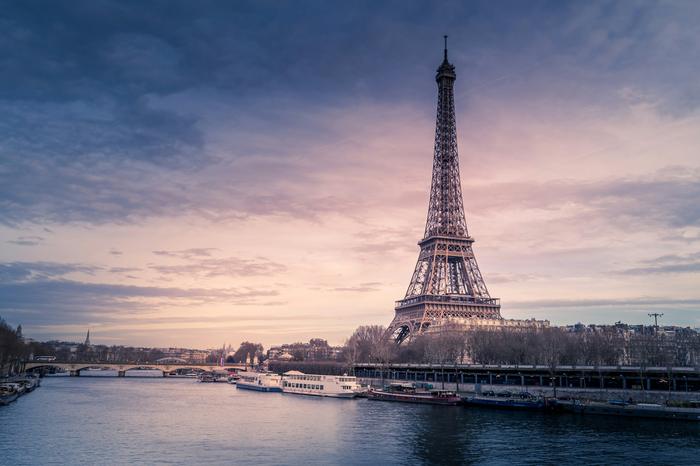
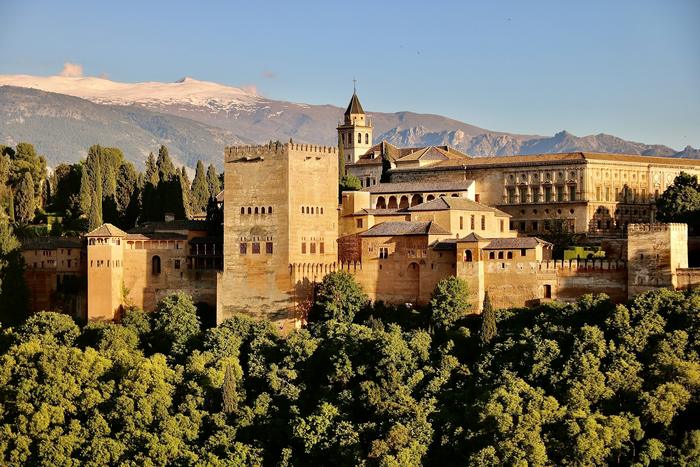
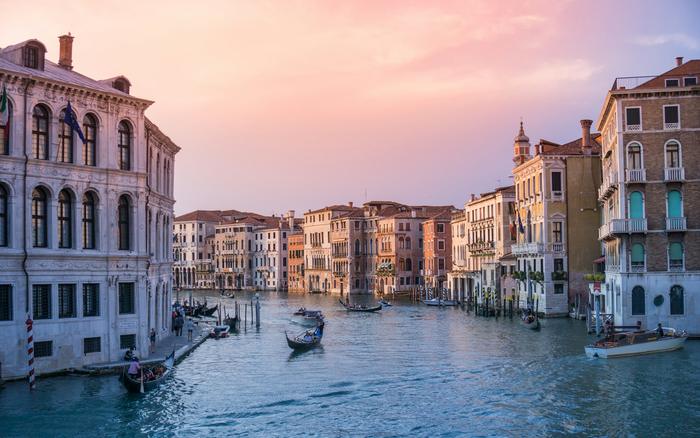
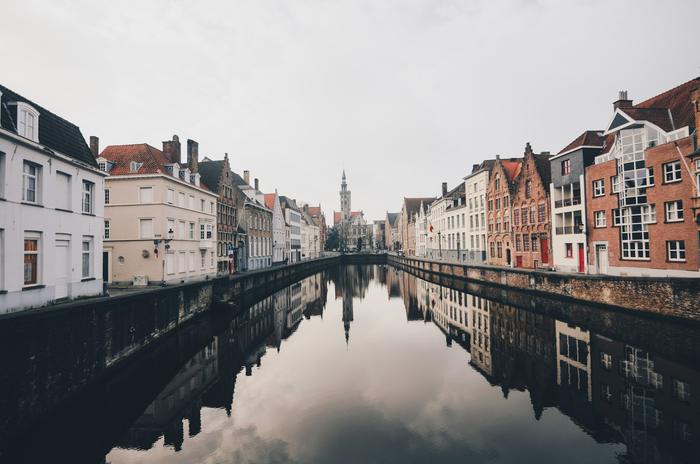
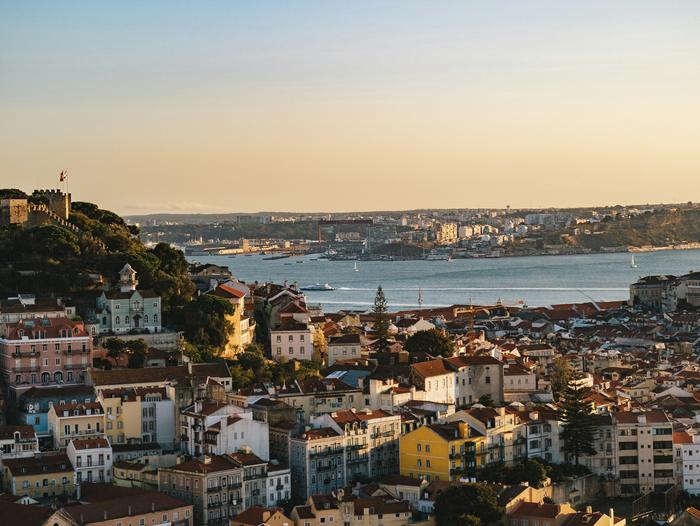
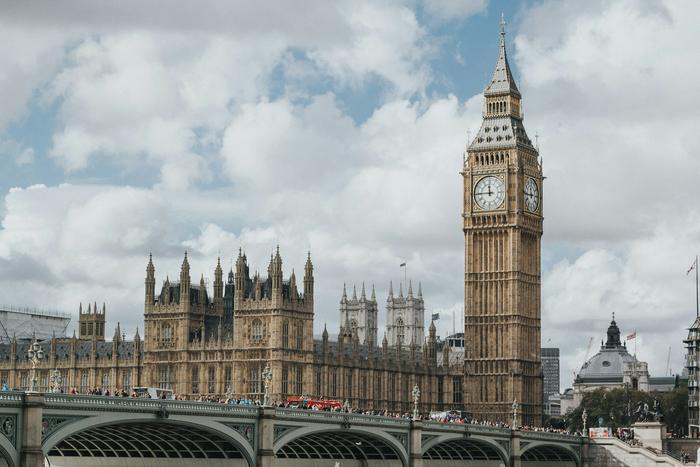
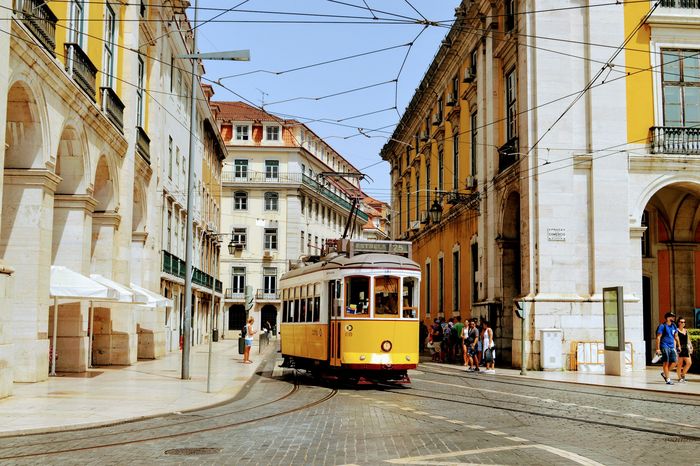
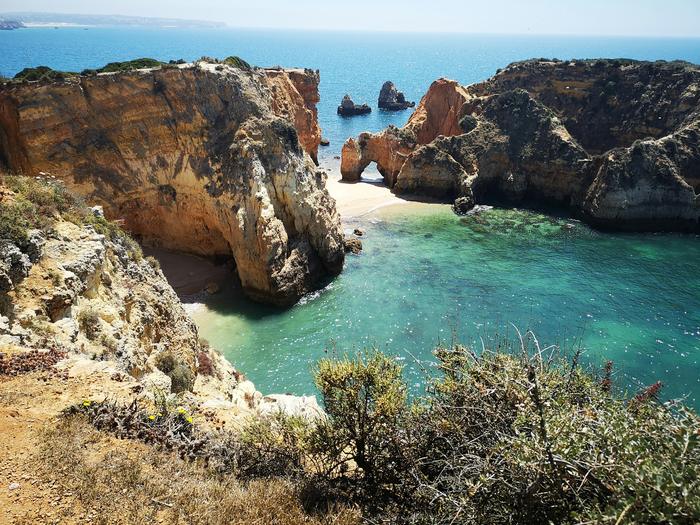
Two of the great European trips, side by side — and the world’s two most-visited countries. France is the more varied and northern one: Paris, the Loire châteaux, the Alps, Provence, two coastlines, the deepest fine-dining culture in Europe, and a certain formality — and it is pricier. Spain is sunnier, livelier and better value, built on beaches and islands, a late-night tapas rhythm, and the Moorish south. Both are Schengen and eurozone, so the gap is real spending power, not exchange rates.
Entry is identical — and between them there is no border at all
This is the one section where the two countries give exactly the same answer: both Schengen, both euro, both now biometric at the external frontier.
10 Apr 2026EES in full operation at both countries’ external bordersA facial photo and fingerprints replace the passport stamp — register once, faster after
Not yetETIAS — still not required as of October 2026Expected 2027; €20, valid 3 years or until the passport expires, waived under 18 and over 70
90 / 180days a visa-exempt visitor may stay across the whole Schengen areaThe clock is shared — days in France and Spain count against the same 90
France and Spain are both in the Schengen area and both use the euro, so for visa-exempt visitors (US, UK, Canada, Australia and others) the entry rules are word-for-word the same: no visa for up to 90 days in any rolling 180, a passport valid three months past departure and issued within ten years. The EU’s biometric Entry/Exit System (EES) reached full operation on 10 April 2026 at the external border of both, replacing the inked stamp with a facial photo and fingerprints logged on each entry and exit. The separate ETIAS authorisation is a later, different thing and is not required as of October 2026 — the EU dropped its 2026 target and now points to 2027.
The practical consequence for a two-country trip is the detail people miss: because it is one Schengen area, the 90/180 clock is shared. Two weeks in France plus two weeks in Spain is four weeks against the same allowance — you do not get 90 days each. And the land border between them is internal Schengen, so crossing it carries no routine passport check at all.
Do not pay for "EES" or "ETIAS" on a third-party website in 2026 — EES needs no application, and ETIAS is not yet open, so any site charging for either now is a scam. When ETIAS launches it will be sold only through the official EU portal, and it will be a single authorisation valid for both countries (and the rest of Schengen), not one per country.
The split
The two most-visited countries on earth — and a real split
These are the planet’s #1 and #2 tourist destinations, and the choice between them is genuine: refinement and range versus sun, value and energy.
#1 & #2France and Spain are the world’s two most-visited countriesFrance around 100m international arrivals a year, Spain close behind near 94m
~1/5 cheaperSpain’s rough day-to-day cost edge over FranceReal spending power — both are eurozone, so it is not an exchange-rate effect
North vs souththe broad character of eachFrance’s cooler, varied range, or Spain’s warmth, coast and late nights
France is the varied, refined one. Paris, the Loire châteaux, the Alps, Provence and the Riviera, an Atlantic and a Mediterranean coast, nine regions that each feel like a different holiday, and the deepest fine-dining culture in Europe — a trip with enormous range and a cooler, greener north, at a higher price, with Paris and the Côte d’Azur the expensive poles. Spain is the sunnier, livelier one. Barcelona and Madrid, the Moorish south — the Alhambra, Córdoba’s Mezquita, Seville’s flamenco — beaches and island groups, a late-night tapas rhythm, and all of it for noticeably better value, especially once you leave Barcelona.
The overlap is large and worth saying plainly: both are Western-European heavyweights, both Schengen and eurozone, both front a long stretch of the same Mediterranean, both run some of the best high-speed rail on the continent, and both have a world-class food culture and a real August holiday shutdown. The differences sit on top of that shared base — Spain cheaper, hotter, later and livelier; France more varied, more temperate, more formal, pricier. The operational detail (France’s timed-ticket rules and rail strikes, Spain’s Alhambra booking and Barcelona’s overtourism measures) lives on the two guides: France, know before you go and Spain, know before you go. This page is the head-to-head.
Cost
Spain is the cheaper trip — and not only at the margins
Both are eurozone, so the gap is real: Spain runs roughly a fifth cheaper day to day, with the gap widest once you leave Barcelona.
~1/5how much less Spain costs day to day than France
Food, lodging and everyday spending run lower in Spain, and the gap is widest outside Barcelona — Valencia, Seville and Granada stretch a budget further than almost anywhere comparable in France. The expensive poles are the clue to the shape of each country: Paris and the Côte d’Azur set France’s ceiling, while in Spain it is Barcelona and the Balearics in peak season. Both use the euro, so this is spending power, not an exchange-rate quirk.
Everyday cost
France
Spain
City tourist tax, per person per night
Paris taxe de séjour up to €15.93 at the top end
Nothing nationally; Barcelona €5→€8 city surcharge (plus regional tax), none at all in Madrid, Andalusia or the Canaries
Headline museum ticket
Louvre €22 EU / €32 non-EU; Versailles €25–€35
Alhambra ~€19, Prado €15 (free the last two hours), Sagrada Família €26
Cheapest high-speed seat
OUIGO from about €19
Ouigo from about €9 — a three-way price war drove fares down
Day-to-day spending
Pricier across the board; Paris and the Riviera dearest
Roughly a fifth lower, best value outside Barcelona
Figures read off the country guides in October 2026; set annually and move within a season, so treat them as the shape of the gap, not a quote. Both countries are eurozone. The France detail is on /country/france/, the Spain detail on /country/spain/.
The cost gap is real but it is not uniform. Barcelona is closing it from the Spanish side: its city surcharge rose to €5 per person per night in April 2026 and climbs to €8 by 2029, and it will end all ~10,000 tourist-apartment licences by November 2028, thinning the cheap-lodging stock. For the biggest value, aim Spanish trips at Valencia, Seville, Granada or the quieter costas rather than Barcelona; for France, the budget is set less by region than by whether Paris and the Riviera are on the itinerary.
Climate
Spain is hotter — the interior south is the dividing line
France is the more temperate country; Spain is warmer and sunnier, but its inland south in high summer is genuinely punishing.
40°C+what Seville and Córdoba routinely pass in July and August
Spain’s interior south bakes in high summer — Seville and Córdoba regularly clear 40°C, and the summer of 2025 was Spain’s hottest on record, with an August heatwave topping 45°C in the south. France is more even-tempered: the Mediterranean south gets hot, but Paris, the Atlantic coast, the Alps and the greener north stay far more comfortable through the same weeks. If heat is the thing you cannot take, that tilts the choice toward France — or toward the Spanish coast and islands over the inland cities.
Spain buys its sunshine with summer heat, concentrated inland. The coasts and islands are tempered by the sea, but Andalusia’s interior cities — Seville, Córdoba — are brutal in July and August, when midday sightseeing becomes something to endure rather than enjoy. The Canaries are the year-round exception: mild Atlantic sun even in the depths of winter, which is why they carry Spain’s off-season. France’s spread is gentler — the Riviera and Provence are reliably hot in summer, but the country as a whole stays more temperate, and its Alps give it a genuine winter-sports season that Spain largely lacks outside the Sierra Nevada and the Pyrenees.
The upshot is that the two countries reward different instincts. Chase guaranteed warmth and beach weather and Spain delivers it for more of the year; want to be comfortable walking a city all day in July, or to pair summer hiking with a cool evening, and France’s north and mountains are the easier climate. For both, the honest advice is the same — the shoulder seasons beat the peak.
When to go
Both peak in the shoulders — and both half-close in August
May–June and September are the sweet spot in both countries, and both share the same big trap: a domestic August holiday that shutters the cities.
JFMAMJJASO
Spring shoulder — warm, open, quieter (both)mid-Apr – mid-Jun
mid-Apr – mid-Jun
Spain — inland south 40°C+ (Seville, Córdoba)Jul – Aug
Jul – Aug
August shutdown — city shops close (both)Aug
Aug
Autumn shoulder — the best all-rounder (both)Sep – late Oct
Sep – late Oct
France — Alps ski season (snow-dependent)to mid-Apr
to mid-Apr
Crimson bars are the windows that suit visitors best; the August closure is the shared trap. In France it is a five-week statutory-leave culture that hangs a fermeture annuelle sign on independent shops; in Spain it is the domestic holiday month, with the inland cities hot and half-shut while the coast runs at full peak.
Aim for May to mid-June or September to late October in either country — warm, everything open, fares and crowds below the peak. The one timing trap they share is August, and it bites in strikingly similar ways. France takes its five weeks of statutory leave then, so independent shops, boulangeries and restaurants across the cities hang a fermeture annuelle notice and close for two weeks or more, while the coast is at its most packed. Spain’s August is its domestic holiday month too — city shops and family restaurants close while the coast and islands hit full peak and full price, and the inland south is at its hottest.
Beyond that, the calendars diverge. France’s distinctive windows are the short Provence lavender bloom (roughly 15 June to 15 July on the Valensole plateau, not a summer-long sight) and an Alpine ski season from mid-December. Spain’s are its festivals: Las Fallas in Valencia (1–19 March), Semana Santa and Seville’s Feria de Abril in spring, Pamplona’s San Fermín (6–14 July) and La Tomatina in late August. One more French-only risk to plan around: rail strikes (grèves), which hit the TGV network on dated days through 2026 — check before any tight connection.
Trains & driving
Both run superb high-speed rail — Spain’s is cheaper
This is a genuine tie on quality: the TGV and the AVE are two of Europe’s best networks. The split is price — Spain’s competition war made it markedly cheaper.
from ~€9the cheapest Madrid–Barcelona high-speed seat — France’s floor is about €19
Spain opened its high-speed lines to competition, and three operators — Renfe (with its low-cost Avlo), the French-owned Ouigo and the Italian-backed Iryo — now fight over the main routes, cutting average Madrid–Barcelona fares by roughly 40–58% to cheap seats from about €9. France’s TGV is still a near-monopoly: excellent, but its low-cost OUIGO brand floors out nearer €19, and a rail pass still needs a paid seat reservation on every TGV. Both reward booking early — France opens about six months ahead, Ouigo in Spain nine to ten.
High-speed route
Journey
Note
Paris – Lyon (France)
~2h00
The TGV spine; frequent, book early for the cheapest buckets
Paris – Marseille (France)
~3h10
Paris to the Mediterranean in a morning
Madrid – Barcelona (Spain)
~2h30
Three operators compete; seats from ~€9 on Ouigo
Madrid – Seville (Spain)
~2h30
The original AVE line, into the Andalusian south
Madrid – Málaga (Spain)
~2h40
High-speed to the Costa del Sol gateway
Journey times are typical fastest services, 2026. France’s TGV is booked on SNCF Connect (window ~6 months), Spain’s lines across Renfe/Iryo/Ouigo (Ouigo opens 9–10 months ahead). Both are far faster and often cheaper than flying city-to-city once you count airport time.
Driving splits the other way. In France the autoroutes are tolled — about €0.10/km, so Paris–Nice runs €90–€100 each way — and a Crit’Air emissions sticker is mandatory to enter the low-emission zones in Paris and Lyon. In Spain most of the big toll motorways are now free, having reverted to the state as their concessions expired, with no national road charge — but its low-emission zones (ZBE) are a trap for foreign plates, which cannot get the DGT sticker and must pre-register in each city’s scheme. For both, the cities and headline routes are best done by train; a car earns its keep only in the rural regions the rails barely reach.
Food & rhythm
Haute cuisine and bonjour, or late-night tapas
Both food cultures are world-class — the real contrast is style and the clock: French formality and the restaurant as an institution, versus Spain’s social, grazing, late-night way of eating.
France is haute cuisine, regional classics and the restaurant as an institution — a more formal culture in which the meal is the event and the rules matter. Say "Bonjour" on entering any shop or café and it visibly changes how you are treated; skip it and you read as rude. Lunch is a real sit-down break (many places shut 12:00–14:00, entre midi et deux), Sundays close down outside the big cities, and service is included by law (service compris) so tipping is not expected beyond rounding up. Dinner runs at broadly Northern-European hours.
Spain is tapas culture, markets, seafood and a far later clock. Lunch is the main meal, around 14:00–16:00, and dinner rarely starts before 21:00 — kitchens simply close in between, so a visitor arriving hungry at 19:00 finds restaurants empty or shut. The eating is more social and grazing, built on sharing small plates across a long evening, and it is generally cheaper than France. Tipping is not expected here either — round up and leave small change. Spain also carries four co-official languages (Castilian everywhere, plus Catalan, Basque and Galician regionally), where France is linguistically uniform.
So the food question is a matter of what you are after rather than which is "better". France for the fine-dining tradition, the regional set-pieces and the restaurant as a destination in itself; Spain for everyday eating, market produce, seafood and the late, sociable, better-value rhythm of a tapas crawl. Both are reasons to make the trip; they are simply different pleasures.
The daily rhythm is the thing first-timers get wrong. In France, plan around the midday closure and Sunday shutdowns and book dinner at ordinary hours. In Spain, reset your clock entirely — turning up for dinner at 19:00 is the single most common mistake, and a 21:00–23:00 dinner is normal, not late. Neither adjustment is hard, but getting it wrong costs you meals.
Where to go
Nine regions each — and they rhyme more than you’d think
Neither country is one trip. Each has nine-plus regions that feel like different holidays — and for most French draws there is a Spanish counterpart.
A week in either country does one region, or two neighbours, well — not the country. France’s natural pairings are the Mediterranean south (Provence with the Riviera), or Bordeaux with the Dordogne; Spain’s are Andalusia’s trio (Seville–Córdoba–Granada), Barcelona with the Costa Brava, or Bilbao with San Sebastián. The two countries are almost exactly the same size, and both front a long Mediterranean coast, which is why the draws rhyme — but the character differs: France leans to châteaux, Alps and refinement, Spain to Moorish history, islands and heat.
The one axis where they genuinely diverge is winter. France’s cold-season trip is the Alps and the Christmas markets of Alsace; Spain’s is the Canary Islands, which keep mild Atlantic sun all year when the mainland is cool. If a winter-sun beach is the point, that is Spain’s alone; if it is snow, that is France’s.
If the draw is…
France
Spain
The headline capital
Paris — world-class art, food and monuments, best car-free
Madrid (the Prado, grand squares, late nights) or Barcelona (Gaudí and beach-plus-city)
Beaches and glamour
The Côte d’Azur — Nice, Cannes, Antibes
The costas and the Balearics — Mallorca, Menorca, Ibiza, Formentera
Mountains
The Alps — Mont Blanc, Chamonix, summer hiking and winter skiing
The Pyrenees and the Sierra Nevada — real, but second to France for range
Historic set-pieces
The Loire châteaux and Mont-Saint-Michel
The Moorish south — the Alhambra, Córdoba’s Mezquita, Seville’s Alcázar
A food pilgrimage
Lyon and the gastronomy of the south-west
The Basque Country — San Sebastián’s pintxos, Bilbao’s Guggenheim
Wine country
Bordeaux and the Dordogne
Rioja, plus the cava and Priorat of Catalonia
Who suits which
Who each actually suits — and where it inverts
Both are first-rate. On several of these the answer inverts — the country that wins overall loses for you.
If you are…
France
Spain
After sun, beaches and nightlife
The Med south, at a price
Wins clearly. Warmth, coast, islands and a lively late-night rhythm
Watching the budget
Pricier, Paris and the Riviera especially
Wins. ~1/5 cheaper day to day, best outside Barcelona
Chasing the widest variety
Wins. Alps, two coasts, Paris, châteaux, nine distinct regions
Varied too, but sunnier and more coastal in character
A fine-dining pilgrim
Wins. Haute cuisine and the restaurant as an institution
Superb tapas, markets and seafood — more social and cheaper
Drawn to Moorish history
Not its story
Wins. The Alhambra, Córdoba, Seville
Heat-sensitive, or travelling with a stroller in summer
Wins. A more temperate north; the Alps for cool air
The inland south bakes past 40°C — stick to the coast or islands
Chasing winter sun
The Alps are for snow, not sun
Wins. The Canaries carry mild sun all year
Doing both
Neighbours — easy to pair across one land border
Unlike many of our comparisons, these combine naturally: one internal Schengen border, and a through train between the two headline cities.
~6h30Barcelona to Paris by direct high-speed train
A direct high-speed service links Barcelona and Paris city-centre to city-centre in about six and a half hours — no flight, no airport time, and no border check, since it is an internal Schengen crossing. Shorter hops are easier still: Barcelona–Marseille is a couple of hours, and the Basque Country straddles the frontier, with San Sebastián and Biarritz within easy reach of each other. Pairing the two is a question of which regions sit near the border, not a logistical project.
France and Spain share a land border, so combining them is simple. The natural shapes are Barcelona with Provence or the Riviera (the Mediterranean coast runs continuously across the frontier), or the Spanish and French Basque coasts together — San Sebastián and Biarritz are a short drive apart, and the two share a food culture and a coastline. For the grand version, the direct Barcelona–Paris high-speed train stitches the two capitals into one rail trip. Because it is an internal Schengen crossing, there is no routine passport check between them.
The one thing to remember is the shared 90/180 Schengen allowance — time in France and Spain draws on the same 90 days, so a long two-country trip needs the sums done once up front. Beyond that, the euro on both sides and the biometric EES handled on first entry mean the border is, in practice, barely there.
A hire car can cross the border freely, unlike on our island comparisons. This is a continuous European road network with no sea crossing, so most rental contracts allow France–Spain travel without special permission — a sharp contrast to ferry routes, where the rental side usually blocks the crossing. Check your specific contract for cross-border and one-way-drop fees, but as a rule, driving from one country into the other is routine here.
What you give up
What you give up either way — and what we leave out
Neither is a wrong answer. But each choice has a real cost, and some of the detail is deliberately off this page.
Choose France and you give up value and guaranteed sun. You pay more for the polish, the summer heat is milder (a plus for some, a loss for beach-seekers), and the late, lively, cheap tapas rhythm is not the French way. Choose Spain and you give up the deepest fine-dining tradition, the Alps, and the sheer northern variety — and you take on the inland summer heat and a clock that runs genuinely late. The honest reading is that the two overlap enormously (neighbours, Schengen, euro, Mediterranean coast, superb rail, great food) and differ exactly where the headline says: Spain cheaper, hotter, later and livelier; France more varied, more temperate, more formal and pricier.
Deliberately off this page: exact prices beyond the structural comparison. Both are eurozone countries where lodging, dining and rail fares move within a season, so the figures here are the shape of the gap, not a quote. The volatile, operational detail lives on the country guides and should be checked before you travel — France’s timed-ticket rules (the Louvre now charges non-EU visitors more) and rail-strike calendar, and Spain’s Alhambra booking window and Barcelona’s rising tourist tax and short-let phase-out.
If you truly cannot choose, the answer is often "both" — they are neighbours, and a trip that pairs Barcelona with the Riviera, or the two Basque coasts, gives you Spain’s warmth and value alongside France’s refinement in a single itinerary. The border is the easiest part.
France or Spain, month by month
Which of the two is the better bet for each month of the year, scored on
how well the season suits each place.
You want sun, beaches and islands, and a livelier, later-night rhythm — tapas, plazas, nightlife.
Value matters: Spain stretches the budget roughly a fifth further, especially outside Barcelona (Valencia, Seville, Granada).
Moorish history is the draw — the Alhambra, Córdoba’s Mezquita, Seville — alongside warmth.
You want winter sun: the Canaries hold mild Atlantic warmth all year when the mainland, and France, are cool.
Common questions
Is France or Spain cheaper?
Spain, by roughly a fifth day to day — food, lodging and everyday costs run lower, and value is strongest outside Barcelona (Valencia, Seville and Granada especially). France is the pricier trip, with Paris and the Côte d’Azur the expensive poles, and even the cheapest high-speed rail seat is dearer (OUIGO from about €19 in France against about €9 on Spain’s Ouigo). Both are eurozone, so the gap is real spending power, not exchange rates.
Is France or Spain better for a first trip?
Both are superb first-timer countries — between them the two most-visited on earth — so it comes down to what you want. France for culture, food and variety, with Paris plus one region the classic shape. Spain for sun, beaches, islands, nightlife and value, with an easy, relaxed late-night rhythm. Chasing warmth and a lively atmosphere, go Spain; chasing refinement and range, go France.
Which has better food, France or Spain?
Both are world-class and it’s a matter of style and the clock. France is haute cuisine, regional classics and the restaurant as an institution, with meals at ordinary hours. Spain is tapas culture, markets, seafood and a more social, grazing, late-night way of eating — dinner rarely before 21:00 — and generally cheaper. France for the fine-dining tradition; Spain for everyday eating, value and the late, sociable rhythm.
Which is hotter, and when should I go?
Spain is hotter — its interior cities such as Seville and Córdoba bake past 40°C in July and August, so spring and autumn are far better there, while the Canaries hold mild sun year-round. France is more temperate (the Med south aside), though August is its national holiday month when city shops half-close — as, in fact, they also do in Spain. For either country, mid-April to June and September to late October are the sweet spot.
Should I combine France and Spain?
Easily — they’re neighbours across one internal Schengen land border, so there’s no routine passport check between them. A direct high-speed train links Barcelona and Paris in about six and a half hours, Barcelona–Marseille is a couple of hours, and the Basque Country straddles the frontier (San Sebastián and Biarritz). Classic combos: Barcelona with Provence or the Riviera, or the Spanish and French Basque coasts. Just remember the 90/180 Schengen allowance is shared across both.