Greece
Ruins in the morning, a swim by noon, taverna until dark.
Greece does the classic Mediterranean trip better than anywhere. Athens for ancient ruins; the islands for beaches and slow lunches; the Peloponnese for an underrated mainland alternative; Crete for size and depth. Skip August unless you've prebooked everything.
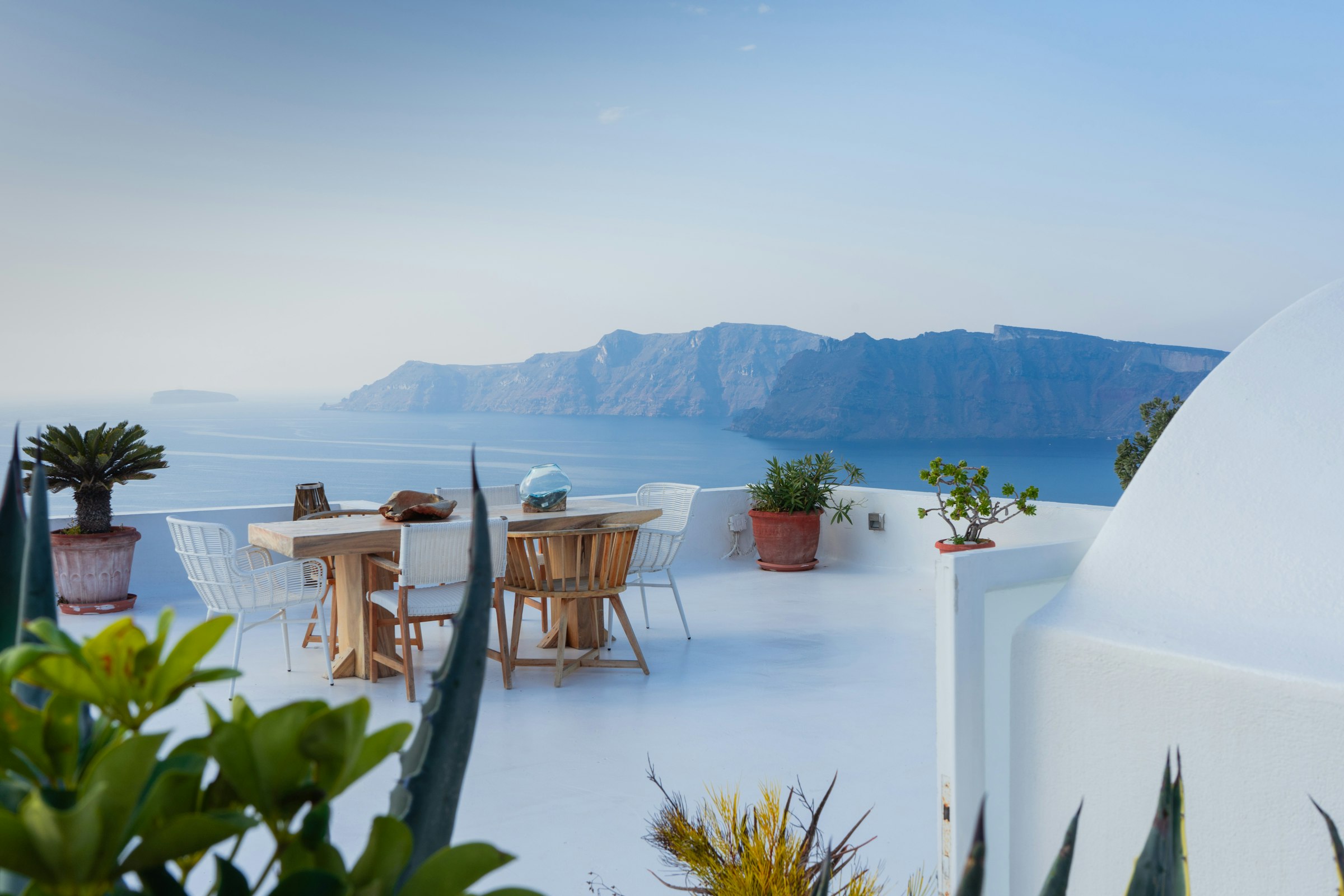
The shape of the trip: two nights in Athens for the Acropolis and the food scene, then ferry out. A good ten days links two or three Cyclades by Blue Star ferry — Naxos for beaches and mountain villages, Milos for the volcanic coastline, Santorini if you must. Days settle into a rhythm of morning swims, long taverna lunches, and ruins at golden hour. The money goes to ferries and island hotels; eating well stays cheap if you eat where the Greeks do.
The honest part: Santorini and Mykonos in high season are a crush of cruise crowds and overpriced rooms, and ferry schedules bend your itinerary, not the other way around — build in slack. If you want efficiency and everything running on time, this isn't your trip. But May, June, September, and October give you warm sea, open tavernas, and half the people, and that version of Greece is very hard to beat.
Highlights
-
Athens
Acropolis, Plaka, and a food scene that finally caught up.
-
Santorini & Mykonos
The famous Cyclades — gorgeous, expensive, crowded in season.
-
Crete
The biggest island — hiking, ancient sites, and proper village life.
-
Naxos & Milos
The Cyclades for people who want fewer people.
Practical info
- Visa
- Schengen — visa-free for most Western passports (90 days).
- Currency
- EUR (€)
- Language
- Greek. English widely spoken.
- Safety
- Very safe.
- Getting around
- Ferries between islands. Domestic flights for longer hops. Drive on bigger islands.
- Tap water
- Tap water safe in mainland; bottled on smaller islands.
- Plug type
- Type C Type F 230V
- Money
- Cards widely accepted.
General guidance — visas, safety, and health change, so check your government's travel advisory and the official sources before you go.
Common questions
- When is the best time to visit Greece?
- May–June and September to early October — warm sea, thinner crowds, lower prices. July–August is hot, crowded and expensive, and brings the meltemi wind that whips the Cyclades and cancels ferries. And note the winter fact: many islands largely close from November to March, with hotels, tavernas and ferries dropping sharply; Athens and Crete run year-round.
- How does island-hopping in Greece actually work?
- By ferry from Athens’ ports (mainly Piraeus), and the key thing people miss is that the island groups — the Cyclades, the Dodecanese, the Ionian, Crete — are separate spokes that don’t easily connect to each other; hopping between groups usually means routing back through Athens. Pick one group per trip. And in July–August the meltemi wind cancels sailings, so build in slack.
- Do you need to book the Acropolis in advance?
- Yes — timed-entry tickets are required and there’s a daily visitor cap (introduced in 2023), so book a slot ahead rather than turning up. In summer heatwaves the site has closed during the hottest midday hours, so an early-morning or late-afternoon slot is the safe choice anyway.
- Is Greece cheaper than Italy?
- Generally yes, day to day — tavernas and lodging run cheaper than Italy’s marquee cities. The exceptions are Santorini and Mykonos, which are hard cost outliers; the lesser-known islands (Naxos, Milos, the Dodecanese) and the shoulder season are the strong value play. See our full comparison.
- Can you drink the tap water in Greece?
- In Athens and on the mainland, yes. On many islands it’s not reliably potable — locals and hotels use bottled — so treat island tap water as for washing, not drinking, unless told otherwise.
Island groups
You can’t hop between the island groups — pick one
The single most useful planning fact: the famous islands are in separate clusters that connect through Athens, not to each other.
The Cyclades (Mykonos, Santorini, Naxos, Milos), the Dodecanese (Rhodes, Kos, Patmos), the Ionian (Corfu, Kefalonia — on the opposite, western coast) and Crete are geographically distinct groups, and the ferry network radiates from Athens’ port of Piraeus as separate spokes. Hopping from, say, the Cyclades to the Dodecanese usually means routing back through Athens — so the practical rule is one group per trip. The Ionian isn’t even in the Aegean; it’s reached from the western mainland ports, not Athens.
The ferries themselves are the trip’s backbone: conventional car ferries are cheaper, slower and more weather-tolerant; high-speed catamarans are twice as fast, pricier, and the first to be cancelled when the meltemi blows. Book ahead in peak season, and don’t schedule a ferry the day you fly home.
When to go
The shoulder is the sweet spot — and the wind is real
Summer isn’t just hot and crowded here; it’s windy in a way that reshapes the trip.
Force 7–8 the meltemi wind that cancels Aegean ferries in July–August
The other summer catch is heat: recent extreme summers have forced the Acropolis to close during the hottest midday hours. And the winter one, at the far end: many islands largely shut from November to March — hotels and tavernas close and ferry frequencies drop to a few sailings a week on the smaller Cyclades — while Athens and Crete stay open year-round.
The crowds
Two islands carry the crush — and the price
Greece’s overtourism is concentrated: it’s really about Santorini and Mykonos.
Santorini takes some two million visitors a year onto an island of about 15,000 residents, and cruise arrivals are now capped at 8,000 a day after peaks near 18,000 — the caldera and the Oia sunset are the crush points. Mykonos draws around 1.5 million and is one of Greece’s most expensive islands, built on upscale nightlife. Both are worth seeing, but if crowds and cost are what you’re avoiding, the quieter Cyclades — Naxos, Milos, Paros — and the Dodecanese deliver the whitewashed-village-and-blue-sea Greece for a fraction of the money and the crowds. Athens and the mainland sites (Delphi, Meteora’s clifftop monasteries) round out a trip that isn’t only islands.
Good to know
Ferries, strikes, and live EU borders
The practical footnotes that shape a Greek trip.
Greece is Schengen and eurozone; English is widely spoken in tourism, less so inland. Two disruptions to plan around beyond the meltemi: seamen’s and transport strikes are a recurring feature, so keep ferry days flexible, and Athens’ rail network is limited — the airport metro and domestic flights (Athens–Mykonos is about 25 minutes) do more than the trains. The rhythm is late — dinner from about 9pm — with afternoon quiet hours. On borders: the EU’s biometric Entry/Exit System is now in force, so expect fingerprint-and-photo checks on arrival, while the separate ETIAS authorisation is not yet required — it’s due in 2027.
Sources
Where this comes from
The detail above was read off primary sources on — operator timetables, municipal ordinances, regional tourism boards, national statistics offices and first-hand traveller reports, rather than other travel articles. Researched and maintained by Dmitrii Romashchin — how we research.
Compare Greece with
If you like Greece, also consider
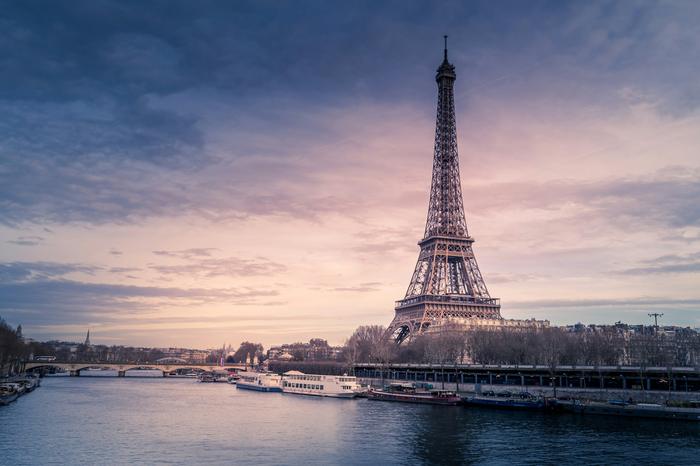
France
Paris is only the opening act — wine country, the Alps, and two coastlines.
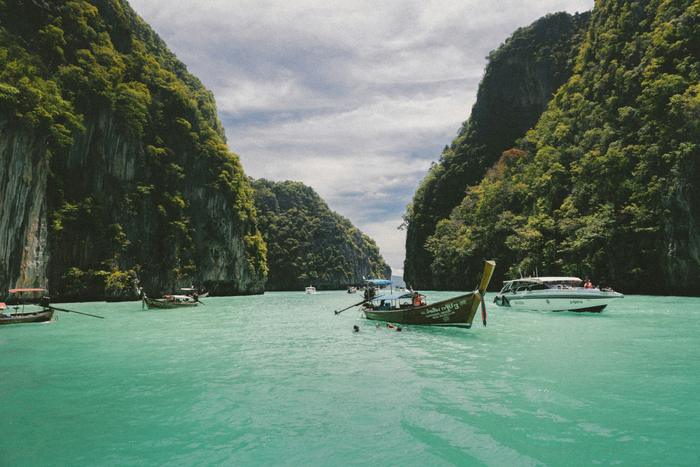
Thailand
The complete package for warm-climate travel.
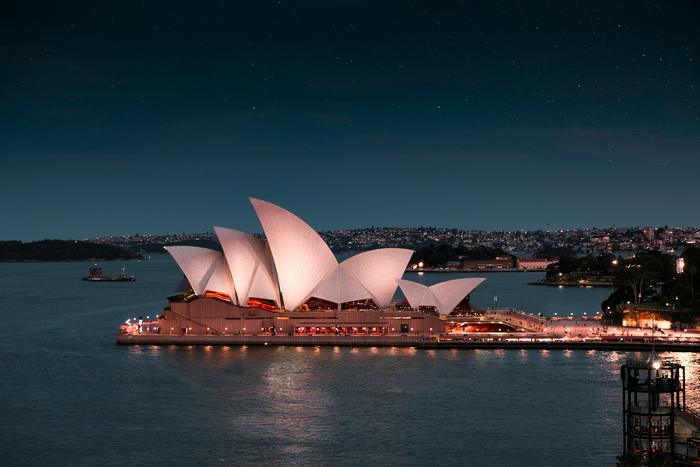
Australia
Vast, varied, relaxed. Reef, Sydney, and proper wilderness in one.
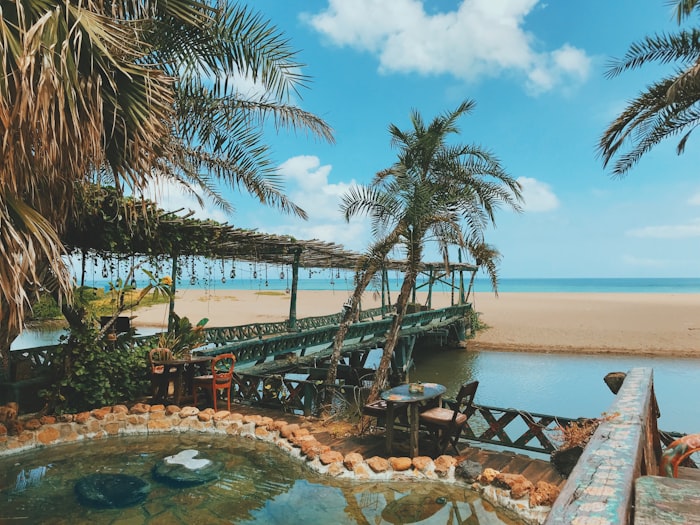
Bali, Indonesia
Warm, affordable, endlessly deep — beach, wellness, and culture in one place.
Not sure where to go
Take the 5-minute quiz
Answer a few honest questions and get matched to destinations that actually fit how you travel.
Start the quiz